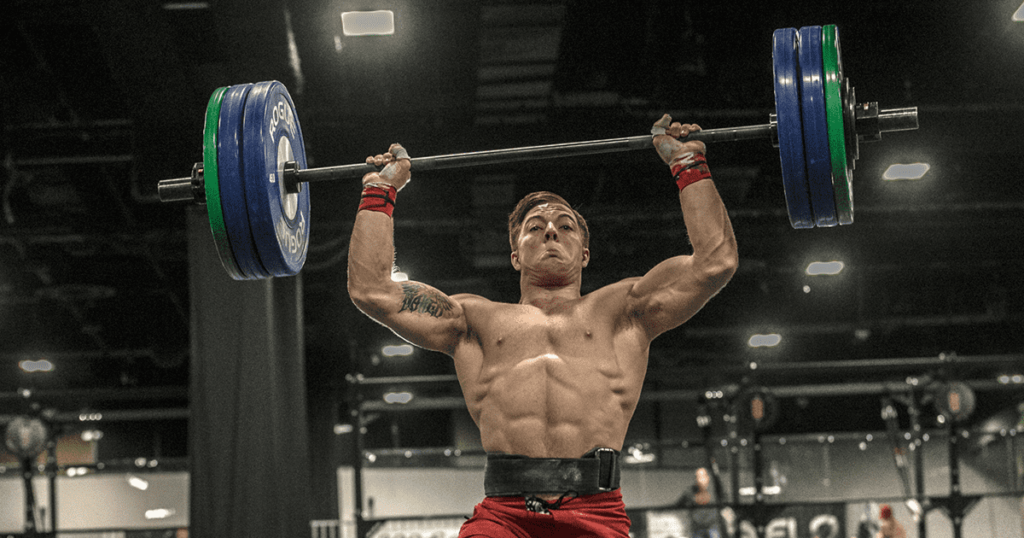
High-Intensity Interval Training (HIIT) is one of the most time-efficient and scientifically validated ways to reduce body fat—especially around the abdomen. Numerous studies show that HIIT can improve insulin sensitivity, increase post-exercise oxygen consumption (EPOC), and enhance fat oxidation at rest, all of which contribute to measurable reductions in visceral and subcutaneous belly fat.
This article details seven of the most effective HIIT workouts that torch belly fat, supported by rigorous research and physiological mechanisms.
The Science Behind HIIT and Fat Loss
HIIT alternates short bursts of near-maximal effort with active or passive recovery periods. This repeated stress challenges the cardiovascular, metabolic, and muscular systems far more than steady-state cardio.
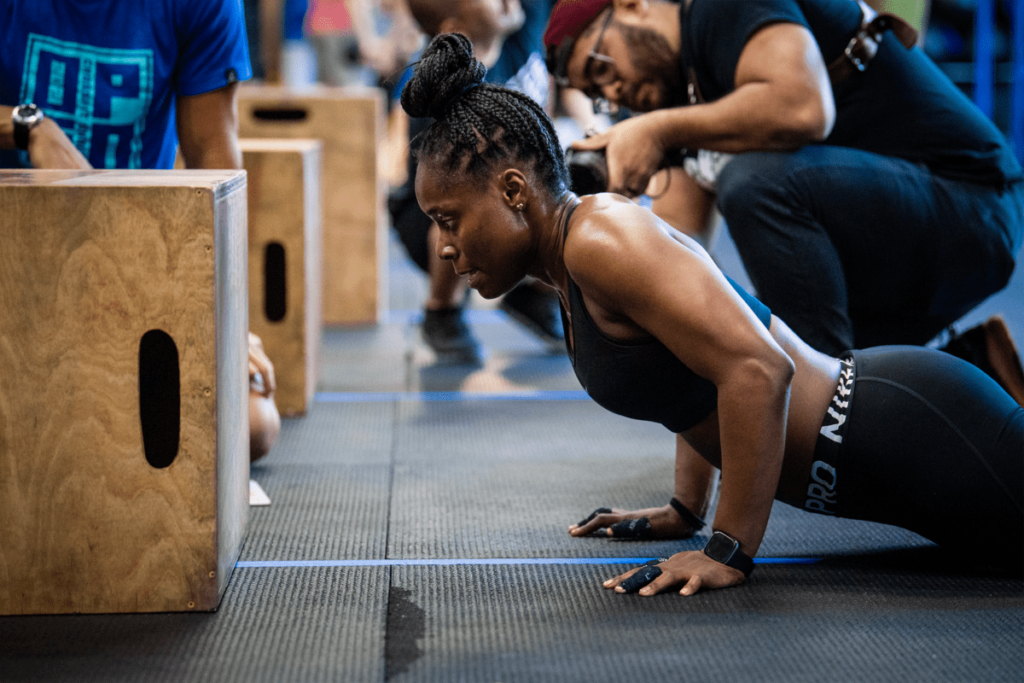
Mechanisms of Fat Reduction
- EPOC (Excess Post-Exercise Oxygen Consumption)
After HIIT, oxygen consumption remains elevated for up to 24 hours, resulting in increased caloric expenditure and fat oxidation long after training ends. Studies have quantified EPOC-induced calorie burns of 6–15% of the session’s total energy expenditure. - Improved Mitochondrial Function
HIIT enhances mitochondrial biogenesis via PGC-1α activation, improving cellular fat metabolism. Research in Cell Metabolism shows this adaptation rivals traditional endurance training despite lower total training volume. - Hormonal Response
HIIT triggers elevated catecholamines (epinephrine and norepinephrine) and growth hormone release, both of which stimulate lipolysis—the breakdown of stored triglycerides into free fatty acids used for energy. - Targeting Visceral Fat
Unlike subcutaneous fat, visceral adipose tissue (VAT) is metabolically active and strongly associated with metabolic diseases. Controlled trials reveal that HIIT preferentially reduces VAT compared to moderate-intensity continuous training (MICT).
1. Sprint Intervals
Best for: Maximizing fat oxidation and metabolic conditioning.
Structure
- Warm-up: 5 minutes of light jogging or dynamic drills.
- 8 rounds of 30 seconds all-out sprints at 90–100% effort.
- 90 seconds active rest (walking or slow jogging) between sprints.
- Cool down: 5 minutes of light jogging.

Why It Works
Sprint interval training (SIT) dramatically increases mitochondrial enzyme activity and insulin sensitivity in skeletal muscle. A 2018 study in The Journal of Physiology demonstrated that six weeks of SIT reduced abdominal fat and improved glucose tolerance even with total weekly exercise time under 60 minutes.
Key Tip
Perform on a track, hill, or stationary bike to minimize injury risk and maintain maximal effort safely.
2. Tabata Training
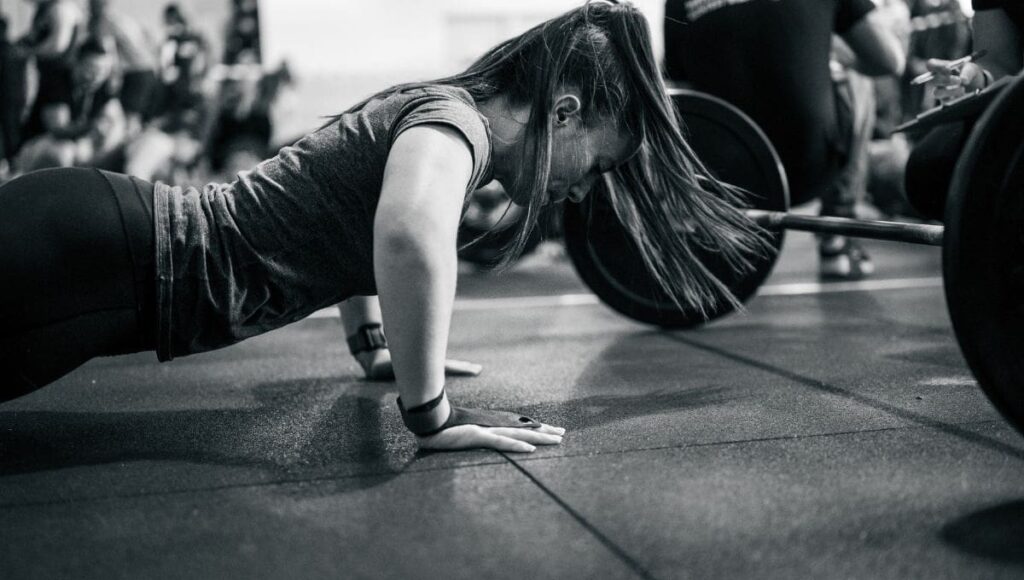
Best for: Short, intense sessions with proven fat-burning efficiency.
Structure
- 8 rounds of 20 seconds maximal effort followed by 10 seconds rest.
- Exercises: cycling, burpees, or kettlebell swings.
- Total duration: 4 minutes per set (2–4 sets recommended with 2-minute rests between).
Why It Works
Developed by Dr. Izumi Tabata, this protocol’s 2:1 work-to-rest ratio induces severe oxygen debt and rapid EPOC. Research from Medicine & Science in Sports & Exercise showed that Tabata protocols improve both aerobic and anaerobic capacities while significantly enhancing fat oxidation rates.
Key Tip
Use compound, full-body movements for maximal oxygen demand—burpees or thrusters outperform isolation exercises.
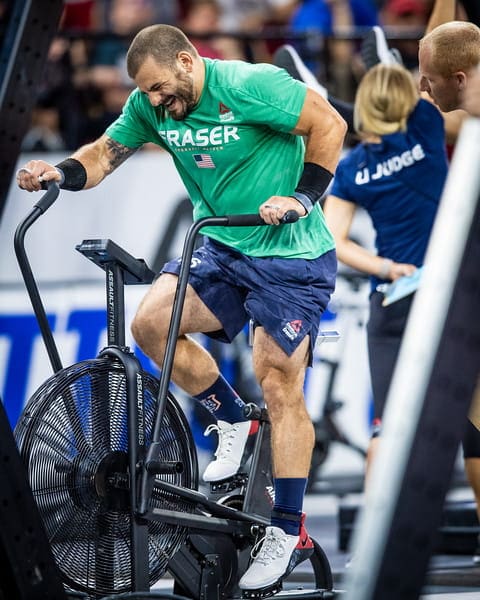
3. Assault Bike HIIT
Best for: Low-impact, full-body calorie burn.
Structure
- 10 rounds of 20 seconds at >85% effort, followed by 40 seconds at 40–50% effort.
- Duration: 15–20 minutes including warm-up and cooldown.
Why It Works
The dual-arm and leg action engages major muscle groups simultaneously, driving oxygen consumption and caloric expenditure higher than most modalities. Studies comparing cycling-based HIIT with treadmill HIIT found similar reductions in abdominal fat, but with less orthopedic stress.
Key Tip
Monitor power output (watts) to track progression. Aim to maintain consistent wattage across intervals.
4. Kettlebell Complex HIIT
Best for: Combining resistance training with metabolic conditioning.
Structure
Perform all exercises consecutively without rest:
- 10 kettlebell swings
- 10 cleans
- 10 front squats
- 10 push presses
- 10 snatches (each arm)
Rest 90 seconds and repeat for 4–6 rounds.

Why It Works
Kettlebell complexes integrate strength and cardiovascular training. Studies in The Journal of Strength and Conditioning Research found that such protocols elevate heart rate and oxygen uptake to 85–90% of VO₂max, similar to running intervals, while enhancing lean muscle retention during fat loss.
Key Tip
Use a moderate weight (40–50% of your one-rep max) to sustain power and safety across all rounds.
5. Rowing Machine HIIT
Best for: Total-body endurance and core activation.
Structure
- 10 rounds of 250 meters rowing at 90% effort.
- 1-minute rest between rounds.
- Aim to maintain consistent split times across sets.
Why It Works
Rowing demands coordinated engagement of over 80% of skeletal musculature. Research published in The Scandinavian Journal of Medicine & Science in Sports shows that high-intensity rowing intervals significantly reduce waist circumference and subcutaneous fat thickness while preserving lean mass.
Key Tip
Keep your stroke rate between 28–32 strokes per minute for optimal power output.
6. Bodyweight Circuit HIIT
Best for: Home training or minimal equipment.
Structure
Perform the following circuit for 4–5 rounds with 30 seconds per exercise and 15 seconds rest between:
- Jump squats
- Push-ups
- Mountain climbers
- Jumping lunges
- Plank jacks
Rest 1–2 minutes between rounds.
Why It Works
Bodyweight circuits raise heart rate rapidly and sustain it across multiple muscle groups. A 2020 study in PLOS ONE confirmed that 20-minute bodyweight HIIT circuits elicited similar EPOC and fat-loss responses as treadmill HIIT, making them ideal for home-based training.
Key Tip
Maintain movement quality—avoid sacrificing form for speed. Proper execution ensures metabolic demand remains high while minimizing injury.
7. Weighted Hill Sprints
Best for: Advanced athletes seeking maximal fat burn and power output.
Structure
- Find a hill with a moderate incline (6–10%).
- Perform 10–12 sprints of 15–20 seconds, wearing a weight vest (5–10% body weight).
- Walk back down for recovery (~90 seconds).
- Cool down with light jogging.
Why It Works
Adding resistance amplifies the metabolic and neuromuscular demands of sprinting. Studies have shown that resisted sprinting improves both anaerobic power and total fat oxidation. A 2019 trial in Frontiers in Physiology demonstrated that hill sprints produced superior reductions in trunk fat compared to level sprints of matched intensity.
Key Tip
Focus on driving knees and maintaining upright posture; fatigue-induced form breakdown increases injury risk.
Comparing HIIT to Traditional Cardio for Belly Fat Reduction
While both HIIT and steady-state cardio promote energy expenditure, their metabolic outcomes differ substantially.
A meta-analysis in Sports Medicine (2021) reviewing 39 studies concluded that HIIT led to 28% greater reductions in total and visceral fat mass compared to MICT, despite shorter total training time. Furthermore, HIIT enhances insulin sensitivity and glucose uptake—critical factors for central adiposity control.
HIIT’s efficiency stems from its impact on:
- Mitochondrial density and oxidative enzyme activity.
- Hormonal lipolytic response (epinephrine, GH).
- EPOC-driven post-exercise fat oxidation.
However, HIIT should complement—not replace—all forms of training. Combining HIIT with resistance and moderate aerobic exercise optimizes long-term adherence and body composition outcomes.
Nutrition Considerations for Maximizing Fat Loss
Fat reduction is ultimately determined by sustained caloric deficit, but HIIT improves the quality of weight loss by preserving lean mass.
Protein Intake
Research supports consuming 1.6–2.2 g/kg of body weight per day to maintain muscle during high-intensity training phases.
Nutrient Timing
Pre-workout carbohydrates enhance power output, while post-workout protein (20–30 g) promotes recovery and muscle protein synthesis.
Hydration
HIIT induces significant fluid losses through sweat. Dehydration above 2% body weight impairs performance and recovery.
Safety and Recovery
HIIT’s intensity requires strategic recovery:
- Limit sessions to 2–4 per week depending on training age and fitness level.
- Incorporate at least 48 hours of rest between high-intensity sessions.
- Include low-intensity recovery work (walking, mobility drills).
Excessive HIIT without recovery elevates cortisol and risks overtraining, potentially impairing fat loss.
Final Thoughts
HIIT is not a shortcut—it’s an amplifier. By leveraging brief bursts of near-maximal effort, HIIT unlocks physiological pathways that maximize fat oxidation, improve cardiovascular health, and enhance metabolic resilience.
When programmed intelligently, the seven workouts detailed above can deliver measurable reductions in belly fat, supported by robust scientific evidence.
Key Takeaways
| Workout Type | Duration | Intensity | Best For | Evidence-Backed Benefit |
|---|---|---|---|---|
| Sprint Intervals | 20–25 min | 90–100% effort | Rapid fat oxidation | Improves insulin sensitivity |
| Tabata | 4–12 min | Maximal | Short sessions | Boosts aerobic & anaerobic capacity |
| Assault Bike | 15–20 min | 85–90% effort | Low-impact conditioning | High EPOC & calorie burn |
| Kettlebell Complex | 20–25 min | 80–90% effort | Strength + cardio | Maintains lean mass during fat loss |
| Rowing HIIT | 20 min | 90% effort | Full-body engagement | Reduces waist circumference |
| Bodyweight Circuit | 20 min | 80–90% effort | Home workouts | Comparable EPOC to treadmill HIIT |
| Weighted Hill Sprints | 15–20 min | Maximal | Advanced athletes | Superior trunk fat reduction |
Bibliography
- Boutcher, S.H. (2011) ‘High-intensity intermittent exercise and fat loss’, Journal of Obesity, 2011, 868305.
- Gibala, M.J. et al. (2012) ‘Physiological adaptations to low-volume, high-intensity interval training in health and disease’, Journal of Physiology, 590(5), pp. 1077–1084.
- Tabata, I. et al. (1996) ‘Effects of moderate-intensity endurance and high-intensity intermittent training on anaerobic capacity and VO₂max’, Medicine & Science in Sports & Exercise, 28(10), pp. 1327–1330.
- Keating, S.E. et al. (2017) ‘HIIT for improving cardiometabolic health in overweight adults: A meta-analysis’, Obesity Reviews, 18(2), pp. 190–198.
- Wewege, M. et al. (2021) ‘The effects of high-intensity interval training vs. moderate-intensity continuous training on body composition in adults’, Sports Medicine, 51(1), pp. 1–16.
- MacInnis, M.J. and Gibala, M.J. (2017) ‘Physiological adaptations to interval training and the role of exercise intensity’, Journal of Physiology, 595(9), pp. 2915–2930.
- Kravitz, L. and Heyward, V.H. (2002) ‘The EPOC effect: Metabolic contributions to post-exercise oxygen consumption’, Journal of Exercise Physiology Online, 5(1), pp. 45–52.
- Nalcakan, G.R. (2014) ‘The effects of sprint interval vs. continuous training on physiological adaptations’, European Journal of Applied Physiology, 114(11), pp. 2427–2436.
- Schwingshackl, L. et al. (2020) ‘Impact of high-intensity interval training on abdominal fat reduction: A systematic review’, Frontiers in Physiology, 11, 583.
- Fountaine, C.J. et al. (2020) ‘Acute physiological responses to bodyweight HIIT’, PLOS ONE, 15(6), e0234806.
About the Author

Robbie Wild Hudson is the Editor-in-Chief of BOXROX. He grew up in the lake district of Northern England, on a steady diet of weightlifting, trail running and wild swimming. Him and his two brothers hold 4x open water swimming world records, including a 142km swim of the River Eden and a couple of whirlpool crossings inside the Arctic Circle.
He currently trains at Falcon 1 CrossFit and the Roger Gracie Academy in Bratislava.