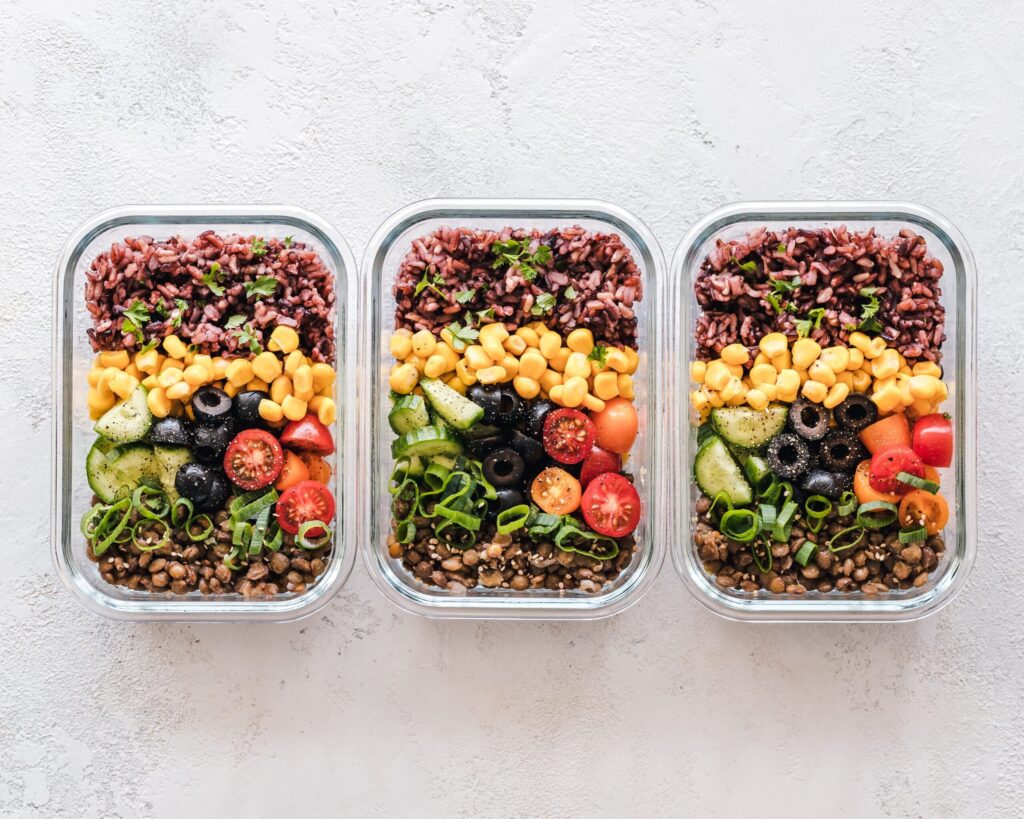
Food-related research will never be unpopular, as nourishment is always a hot topic! Numbers don’t lie—eating habits are bad but easily fixable. From bolstering immunity to reducing the risk of chronic diseases, one thing is clear—everything we eat influences our overall health and longevity.
A healthy diet is a starting point for a long and good-quality life. Incorporating more fruit, vegetables, healthy fats, whole grains, and lean protein into your daily menu is essential. Every ingredient group is important, and the key is finding a balance!
Here is a list of some incredible statistics about healthy eating to help you shape a healthier future and understand your body!
Americans Consume More Than 300% More Sugar Than Recommended.
Something as simple as sugar can become poison for the body if not consumed moderately. The American Heart Association recommends 36 grams for men and 25 grams for women of added sugary component daily. But, on average, people consume about 100 grams daily!

That is a huge variance, though! Too much sugar triggers a whole list of different conditions:
- heart disease
- chronic inflammations
- weight gain
- fatty liver disease
- diabetes and/or insulin resistance
Added sugar is hidden in many products: sodas, coffee, and alcoholic beverages are first in line. But also, besides the obvious – chocolate and candy, there is a lot of sugar in breakfast cereal, whole grain bars, canned fruit, salad dressings, and many more. Thus, it is essential to read the labels and choose fresh and unprocessed ingredients.
Healthy eating is crucial! If you consume a lot of sugary liquids, change it to water and unsweetened tea. In desserts and dressings, switch refined white sugar for honey, stevia, monk fruit, or dates.
The key is in choosing the right ingredients. Fresh fruit can satisfy a sweet tooth without spiking blood sugar levels due to high fiber. Also, dark chocolate with a high amount of cocoa is actually healthy for you, and the good thing is – you can’t eat a lot of it!
Pairing sugar with berries, Greek yogurt, cinnamon, and nuts is a good trick for balancing the blood sugar and insulin spikes, even when you’re eating it.
It is tricky to keep track of added sugar because it is everywhere, even in the bread! If you decide to cut the amount of sweeteners from your diet, start by writing down everything you eat. You will be surprised by the hidden calories in different foods, and this is the only way to realize that.
5 “Healthy Foods” Filled with Sugar You Should Avoid
5 Servings of Fruit and Vegetables a Day Lowers Risk of Heart Disease for 20%
Fruits and vegetables are lavish in dietary fiber, vitamins, minerals, and antioxidants, which skyrocket heart health. Fiber is not only responsible for lowering bad cholesterol (LDL) levels but also for regulating blood sugar and promoting healthy weight. In the end, all of these facts together reduce the risk of heart disease.

There are a few ingredients that are better than others to achieve these goals. Leafy green vegetables are the first in the row because they are abundant in vitamin K – essential for the proper function of blood clotting. So, incorporate more lettuce, spinach, cabbage, kale, chard, arugula, and other similar ingredients into your diet.
The next best thing is antioxidant-packed berries, which have three main benefits: lowering blood pressure, reducing cholesterol, and preventing inflammation. So, this is your sign to eat more blueberries, raspberries, pomegranates, blackberries, and strawberries.
Other fruits and veggies worth mentioning are walnuts, beans, avocados, tomatoes, almonds, red grapes, mangoes, kiwis, and cherries. All of these ingredients are super simple to add to your daily menu! Make a leafy green salad, snack on nuts, and eat a fresh fruit salad for dessert—simple, right?!
Consuming Fish Lowers Risk of Coronary Heart Disease for 30%
Did you know that adding a portion of fish to your daily diet can be a game-changer for your heart health? Studies have shown that this undemanding habit can minimize the risk of heart disease by a whopping 30%. And if you’re not the greatest fan of fish, eating it twice a week can still lower those risks by 8%.
Fatty fish is super simple to incorporate into your everyday diet, and that can lessen coronary disease risks by 12%. Let’s see what these boring numbers actually mean!
Fish like salmon, sardine, cod, herring, tuna, trout, and mackerel are all abundant in omega-3 fatty acids. Omega-3s positively influence blood pressure, as they have anti-inflammatory properties that keep the vessels healthy.

What’s more, they are decreasing levels of triglycerides and the risk of irregular heartbeats. It is important, as well, how you’re preparing your fish. Avoid deep-frying and focus more on steaming, baking, air-frying, and grilling.
Fish and olive oil together are a taste rhapsody and power couple in improving heart health. For example, bake cod with olives, make a salad with beetroots, or grill trout and serve it on a bed of pea purée.
Read More: Does Late-Night Eating Disrupt Metabolism?
Whole Grains Reduce the Risk of Diabetes by 21%
There are three main reasons why whole grains have positive effects on blood sugar levels: low glycemic index, high fiber, and tons of nutrients. Studies say that people who prefer whole grains above processed white flour in their diet have lower risks of developing diabetes. Let’s see the processes behind that statement!
Firstly, high-fiber grains, like quinoa, oats, or barley, have a chief role in regulating blood sugar levels. Those fibers slow down the absorption of glucose in the bloodstream, which prevents sugar and insulin spikes. This benefits insulin sensitivity and reduces the risk of both insulin resistance and diabetes.

The glycemic index is also super important, as its low numbers mean that whole grains increase blood sugar slowly and gradually. By resorbing that way, they will keep you full for a long time and provide a steady energy source throughout the day.
15 Foods to Speed Up Muscle Growth
Consuming Nuts Reduces Mortality for 15%
Nuts are superfoods packed with healthy fats, proteins, fiber, and micronutrients. Scientists have proved that regular consumption directly and positively influences many chronic diseases that reduce quality of life. Nuts are beneficial for preventing and helping the next conditions:
- coronary heart disease
- stroke
- coronary artery disease
- reducing cholesterol
- blood pressure
- obesity
- diabetes
Due to unsaturated fats (mono and polyunsaturated) found in nuts, they boost good cholesterol (HDL) and lower bad one (LDL). LDL causes plaque buildup, which narrows blood vessels and triggers coronary heart conditions. This is why nuts are so valuable in preventing heart disease and stroke.
Even though nuts are energy-dense, they can aid in weight management because of a perfect combination of macronutrients: protein, healthy fats, and fiber. Thanks to this fusion, nuts promote feelings of fullness and satiety. This helps to reduce overeating and ease control of appetite.
Choosing nuts for snacks can improve blood sugar control plus insulin sensitivity. That’s because they have low glycemic index and loads of fiber that slow down the absorption of sugar into the bloodstream.
1 in 8 People In the World Is Obese

Obesity is a disease of a new age, and this has a lot to do with economic and health status. People who struggle mentally are more likely to have weight problems, but there are two extremities – undereating and overeating. Obesity is never alone, and some other condition always accompanies it.
It is tied to diabetes, insulin resistance, heart disease, depression, hormonal disbalance, and many others, so start looking for a cause before treating the result. On the other side, a sedentary way of life encourages weight gain, especially with the popularization of desk jobs and home office.
The only way to beat this statistic is by encouraging younger generations to move more, spend time in nature, and eat healthier. Balanced and healthy eating habits are much needed to create a fine base for raising conscious adults.
3 Supplements You Should Take to Improve Your Fitness
1 in 10 People Eat Enough Fruits or Vegetables
There is no need to emphasize the importance of fruit and vegetables, but you must admit this fact is defeating. But, different reasons stand behind this. It is connected with age, social status, culture, and ethnicity.

For instance, Hispanic adults consume the most fruit among the surveyed. This is no surprise, as the warm climate in Spanish-speaking countries is suitable for growing different kinds of tropical fruit. Mango, papaya, pineapple, coconut, banana, pitaya, guava, passionfruit, watermelon, and many other juicy, nutritional fruits are part of their traditional diet.
Unfortunately, low income has a great impact on dietary habits. The survey showed that adults with lower incomes eat less vegetables than those with higher and stable earnings. That makes sense, though, as fresh vegetables tend to be pricier and require cooking, which takes time—something many people don’t have.
To fix this, it is essential to choose seasonal fruits and vegetables, as they are not only more nutritional but also cheaper. What’s more, people older than 50 years tend to eat more fresh fruit and veggies than younger adults. This fact could be ascribed to fast living and opting for store-bought pre-made foods.