In the realm of fitness and muscle growth, protein stands as a cornerstone nutrient, essential for muscle repair and growth. Whether before or after your workout session, protein is a necessary component for muscle health.
Finding optimal sources of protein can sometimes be challenging for vegetarians, as choices are more limited compared to those of non-vegetarians. However, there are numerous vegetarian-friendly options that can effectively support muscle recovery and growth after intense workout sessions. Even though less known and often underestimated, vegetarian protein sources are exceptionally nutritious.
Here, we explore seven of the best post-workout vegetarian protein sources to help you maximize your muscle gains.
Quinoa
Quinoa is known as a superfood due to its nutritional density. This grain, as old as time, is one of the few plant-based sources that provides all nine essential amino acids, making it a complete protein. One cup of cooked quinoa contains approximately 8 grams of protein, along with a healthy dose of fiber, magnesium, and iron.
Due to the well-rounded balance of protein, fiber, and carbohydrates, quinoa is a particularly good pre-workout snack. It provides a steady and gradual release of energy, working in your favor as a pre-workout energy booster as well as a post-workout recovery meal.
Quinoa’s rich amino acid profile makes it an excellent choice. Amino acids are the building blocks of protein, and a complete profile ensures that your muscles receive all the necessary components for repair and growth.

Additionally, the complex carbohydrates in quinoa aid in muscle recovery because they keep you energized during your entire workout, significantly protecting you against muscle wear and tear.
The only thing quinoa requires is a fraction of your time, as you have to cook it. Fortunately, quinoa doesn’t take long to cook. It is incredibly versatile and can be used in salads, as a side dish, or even in protein-packed smoothies.
You can also make quinoa bread or turn it into power bars and have it on the go. Keep in mind that cooked or soaked quinoa doesn’t last long, so avoid making it earlier than a day ahead.
Greek Yogurt
Greek yogurt is a fantastic vegetarian protein source. It is not only rich in protein but also packed with probiotics, offering roughly 10 grams of protein per 100-gram serving. Fermented foods are known for their digestive benefits, and Greek yogurt is no exception.
Easy on the stomach and great for balancing your gut flora, it will not only help your muscles recover but also improve your immune function by maintaining your good gut bacteria.
Although it contains animal-derived protein, the probiotics make it very easy to digest, which means that you can have it as a pre-workout snack without having to worry about stomach heaviness.
The high protein content in Greek yogurt helps to kickstart muscle repair after a workout. Additionally, Greek yogurt contains calcium, which is vital for muscle function and bone health.
Incorporating Greek yogurt into your routine requires virtually no effort. You can enjoy it on its own, mixed with fruits, or blended into smoothies. It fits into many types of sauces and dips and pairs amazingly with a wide array of fruits and veggies.
Lentils
When it comes to healthy eating, lentils are known as a staple in the nutrition department. Packed with protein, they even come in the form of protein powder. Offering around 18 grams of protein per cooked cup, they are also an excellent source of dietary fiber, iron, and folate.
Lentils can be eaten as a pre- or post-workout snack, as they have a purpose either way. As a pre-workout snack, lentils energize your body, giving you a gradual and steady stream of energy. If you have them after working out, they will replenish your energy and help you with muscle recovery.
Lentils’ high protein and fiber content make them ideal workout foods. The protein aids in muscle repair, while the fiber helps regulate digestion and maintain steady energy levels.
However, the downside of lentils is that some people experience increased gassiness after having them. If you are one of these people, you can always opt to have powdered lentil protein instead. Having lentils only after your workout is another way to minimize the chances of experiencing increased gassiness.
Lentils are also rich in iron, which is essential for oxygen transport in the blood, enhancing endurance and recovery. Maintaining good oxygenation in the body does not only affect your workout but your entire health, keeping your immune function at a high level.

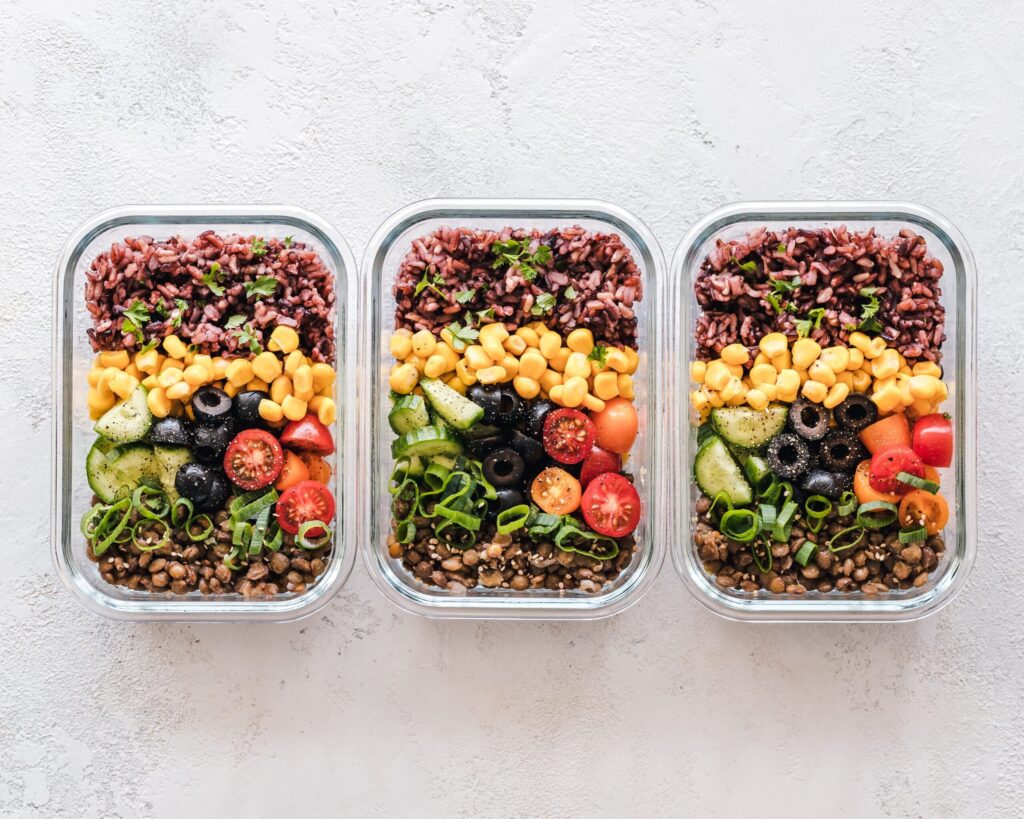
Although lentils require cooking, you won’t need to spend too much time preparing them. You can additionally speed up the cooking process if you let them soak for about two hours prior. You can use cooked or soaked lentils in salads or as a side dish, and you can garnish them with a few parsley leaves and some Greek yogurt to enhance the protein intake.
Cottage Cheese
Cottage cheese is another excellent source of protein, with approximately 11 grams of protein per 100-gram serving. It is particularly rich in casein protein, which is known for its slow digestion rate. Cottage cheese is an excellent alternative if you have trouble digesting other types of dairy-derived protein.
The slow-digesting nature of casein protein in cottage cheese provides a steady release of amino acids into the bloodstream, nourishing your muscles and helping you gain more endurance. This prevents unnecessary muscle wear, making it an ideal choice for sustained muscle repair and growth, particularly when consumed before bed or as a post-workout snack.
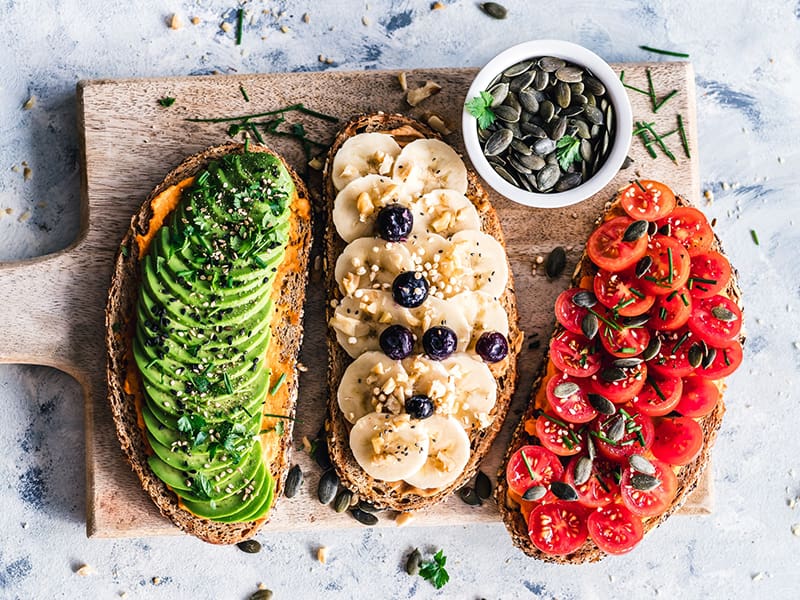
Cottage cheese can be eaten plain or mixed with fruits, nuts, and seeds. Try it with chopped vegetables and a sprinkle of herbs for a savory option. For an extra protein kick, you can have it with an egg white omelet or toasted with wholegrain bread and avocado.
Cottage cheese is an excellent ingredient to add to many different types of sauces and dips, and it pairs great with veggies and sour fruits.
Chickpeas
Chickpeas, as simple and plain as they are, offer about 14.5 grams of protein per cooked cup. They are also rich in fiber, vitamins, and minerals, making them a nutrient-dense choice. Energizing and nurturing, chickpeas work great both as a pre-and post-workout snack.
The protein in chickpeas aids in muscle repair, while the fiber helps maintain energy levels and digestive health. However, just like lentils, chickpeas can cause gassiness, which can be very uncomfortable, so make sure you cook them well before eating them.
You can also try having chickpeas as a post-workout snack only, as your metabolism will be speeded up, and digestion will be quicker, reducing the risk of gassiness.
Chickpeas are also a good source of magnesium and potassium, which are crucial for muscle function and recovery, overall well-being, and good immune function.
Chickpeas can be used in a variety of dishes, from hummus to salads, soups, and stews. Roasted chickpeas make for a crunchy and satisfying post-workout snack.
Tempeh
Tempeh is a fermented soybean product that offers around 15 grams of protein per 100 grams serving. The fermentation process enhances its nutritional profile, making it easier to digest and absorb.
Tempeh’s high protein content supports muscle repair and growth. The fermentation process also adds probiotics, which aid in digestion and nutrient absorption. Additionally, tempeh is rich in manganese, phosphorus, and magnesium, all of which play a role in muscle function and bone health, as well as overall immune function.
As a post-workout snack, tempeh has a regenerative effect on your body, restoring your energy levels and protecting your muscles and bones against inflammation. Easy on the stomach, tempeh is also a great pre-workout snack, as it provides a steady stream of energy without causing stomach heaviness.
Tempeh can be used in stir-fries, salads, sandwiches, and wraps. Marinating tempeh before cooking can enhance its flavor and texture. Still, tempeh has somewhat particular flavor which not all would enjoy, but fortunately with a good seasoning you might turn it into one of your favorite snacks.
Edamame
Edamame, or young soybeans, are a fantastic source of plant-based protein, offering around 18.5 grams of protein per cooked cup. They are also rich in fiber, vitamins, and minerals. The high protein content in edamame supports muscle repair and growth, making it an excellent addition to the diet of athletes and fitness enthusiasts.
Edamame is also rich in antioxidants and anti-inflammatory compounds, which can help reduce muscle soreness and aid in recovery.
Edamame is naturally gluten-free and low in calories, making it suitable for various dietary preferences and restrictions. It’s an excellent option for vegetarians, vegans, and those looking to reduce their meat consumption without compromising their protein intake.
In addition to its nutritional benefits, edamame is versatile and easy to incorporate into various dishes. They can be enjoyed as a simple snack, steamed and lightly salted, or added to salads, stir-fries, and grain bowls for an extra protein boost. Edamame can also be pureed into dips, blended into smoothies, or used as a protein-rich topping for soups.