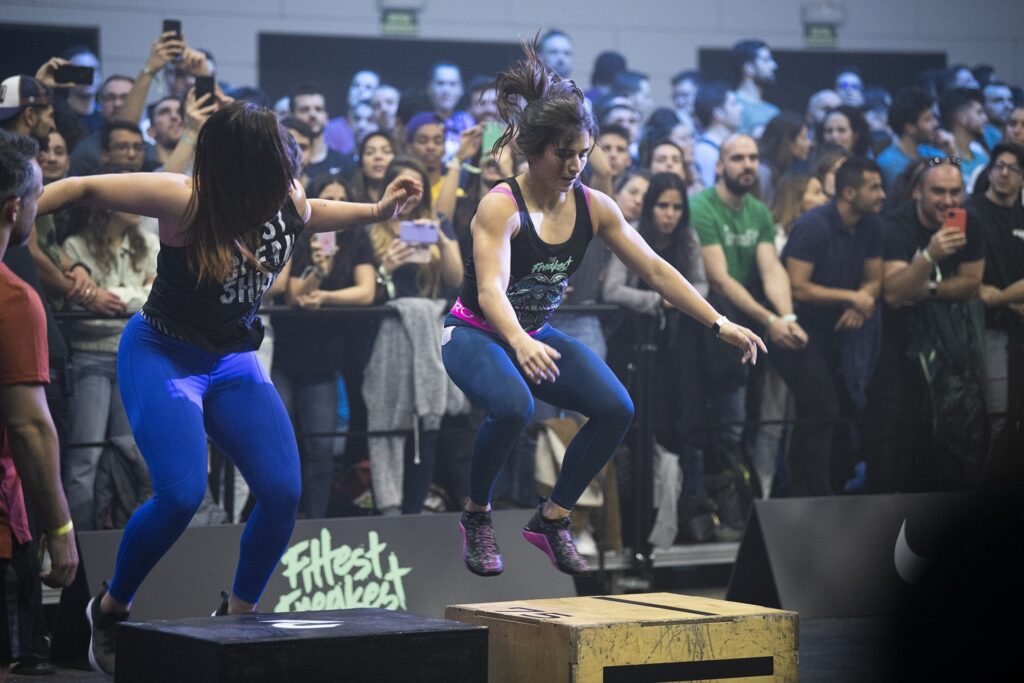
Having small and weak legs can be a source of frustration for many men. Whether it’s due to genetics, neglect in workout routines, or other reasons, underdeveloped legs can affect overall physique and strength. Fortunately, there are scientifically-backed methods to help you build stronger, more muscular legs quickly. Here are seven quick fixes to transform your leg muscles.
1. Incorporate Compound Exercises
Why Compound Exercises?
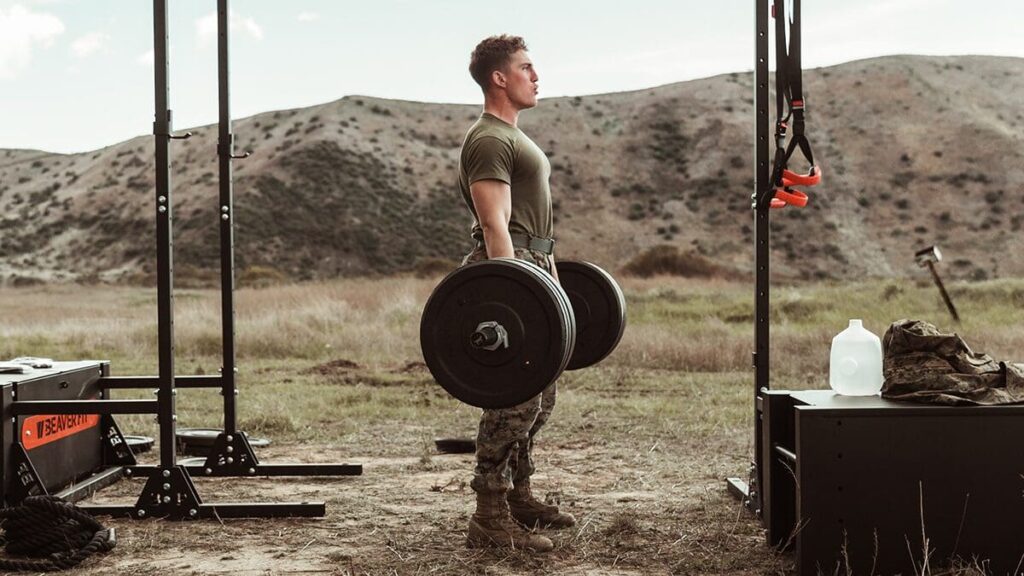
Compound exercises, such as squats and deadlifts, engage multiple muscle groups and joints. They are essential for building overall strength and muscle mass in the legs. Research indicates that compound movements are more effective at stimulating muscle growth compared to isolation exercises.
Squats
Squats are the king of leg exercises. They work the quadriceps, hamstrings, glutes, and even the core. To perform a squat:
- Stand with your feet shoulder-width apart.
- Lower your body by bending your knees and hips, keeping your back straight.
- Go down until your thighs are parallel to the ground.
- Push through your heels to return to the starting position.
Deadlifts
Deadlifts primarily target the hamstrings, glutes, and lower back. Proper form is crucial:
- Stand with your feet hip-width apart, with the barbell over your mid-foot.
- Bend at the hips and knees to grasp the bar with an overhand grip.
- Lift the bar by extending your hips and knees until you are standing upright.
- Lower the bar back to the ground with control.
2. Increase Training Frequency
The Science of Frequency
Training frequency is a critical factor in muscle hypertrophy. A study published in the Journal of Strength and Conditioning Research found that training a muscle group more frequently can lead to greater muscle growth compared to less frequent training .
Implementation
Instead of dedicating just one day a week to leg workouts, try incorporating leg exercises into your routine multiple times a week. For example, you could perform a heavy leg day followed by a lighter, more volume-focused leg day later in the week.
3. Focus on Progressive Overload
Understanding Progressive Overload
Progressive overload involves gradually increasing the weight, frequency, or number of repetitions in your strength training routine. This principle is fundamental for muscle growth, as it continuously challenges your muscles, forcing them to adapt and grow stronger .
Practical Application
To apply progressive overload:
- Track your workouts, noting the weights and reps performed.
- Aim to increase the weight or reps each week, even if only by a small margin.
- Ensure proper form is maintained to prevent injury.
4. Optimise Nutrition

The Role of Protein
Protein is essential for muscle repair and growth. The International Society of Sports Nutrition recommends consuming 1.4–2.0 grams of protein per kilogram of body weight per day for athletes .
Carbohydrates and Fats
Carbohydrates provide the energy needed for intense workouts, while fats are crucial for overall health. Balance your macronutrients to ensure you have the energy to train effectively and the nutrients to recover properly.
Supplements
Consider supplements such as whey protein, creatine, and branched-chain amino acids (BCAAs) to support muscle growth and recovery. Studies have shown that these supplements can enhance muscle hypertrophy and strength when combined with resistance training .
5. Utilise Isolation Exercises
Purpose of Isolation Exercises
While compound exercises should form the foundation of your leg workouts, isolation exercises can help target specific muscles. This approach ensures balanced development and can correct any muscle imbalances .
Examples of Isolation Exercises
- Leg Extensions: Target the quadriceps. Sit on a leg extension machine and extend your legs fully before slowly lowering the weight.
- Leg Curls: Focus on the hamstrings. Use a leg curl machine, curling the weight towards your glutes and lowering it back down with control.
- Calf Raises: Strengthen the calves. Stand on a raised surface with your heels hanging off the edge, then raise your heels as high as possible before lowering them back down.
6. Prioritise Recovery
Importance of Recovery
Muscle growth occurs during recovery, not while you’re working out. Ensuring adequate rest and recovery is crucial for building muscle .
Strategies for Effective Recovery
- Sleep: Aim for 7-9 hours of sleep per night. Sleep is when your body repairs and grows muscle tissue.
- Active Recovery: Incorporate light activities, such as walking or stretching, on rest days to promote blood flow and reduce muscle soreness.
- Hydration: Stay hydrated to support overall health and muscle function.
7. Tailor Your Training to Your Body Type

Understanding Somatotypes
People have different body types (somatotypes) which can influence how they respond to training. The three primary somatotypes are ectomorphs, mesomorphs, and endomorphs .
Training for Your Body Type
- Ectomorphs: Typically lean and struggle to gain muscle. Focus on heavy weights, lower reps, and longer rest periods.
- Mesomorphs: Naturally muscular and respond well to training. A balanced approach with moderate weights and reps usually works best.
- Endomorphs: Tend to carry more body fat. Higher reps and shorter rest periods can help with muscle growth and fat loss.
Conclusion
Building stronger, more muscular legs requires a comprehensive approach that includes effective training strategies, proper nutrition, and adequate recovery. By incorporating compound exercises, increasing training frequency, focusing on progressive overload, optimising nutrition, utilising isolation exercises, prioritising recovery, and tailoring your training to your body type, you can make significant improvements in leg strength and size.
Bibliography
- Schoenfeld, B.J., Ogborn, D. & Krieger, J.W. (2016) ‘Effects of Resistance Training Frequency on Measures of Muscle Hypertrophy: A Systematic Review and Meta-Analysis’, Sports Medicine, 46(11), pp. 1689-1697.
- Gentil, P., Fisher, J. & Steele, J. (2017) ‘A Review of the Acute Effects and Long-Term Adaptations of Single- and Multi-Joint Exercises during Resistance Training’, Sports Medicine, 47(5), pp. 843-855.
- Grgic, J., Lazinica, B., Mikulic, P. & Schoenfeld, B.J. (2018) ‘Resistance Training Frequency and Skeletal Muscle Hypertrophy: A Review of Available Evidence’, Journal of Science and Medicine in Sport, 21(7), pp. 715-720.
- Schoenfeld, B.J. (2010) ‘The Mechanisms of Muscle Hypertrophy and Their Application to Resistance Training’, Journal of Strength and Conditioning Research, 24(10), pp. 2857-2872.
- Jäger, R., Kerksick, C.M., Campbell, B.I., Cribb, P.J., Wells, S.D., Skwiat, T.M., Purpura, M., Roberts, M.D., Kerksick, C.M., Loo, B., Kalman, D.S., Willoughby, D.S., Kreider, R.B., Ziegenfuss, T.N., Smith-Ryan, A.E., Stout, J.R., Arent, S.M., Bannock, L., Smith, A., Antonio, J. & Schoenfeld, B.J. (2017) ‘International Society of Sports Nutrition Position Stand: Protein and Exercise’, Journal of the International Society of Sports Nutrition, 14, p. 20.
- Kreider, R.B., Kalman, D.S., Antonio, J., Ziegenfuss, T.N., Wildman, R., Collins, R., Candow, D.G., Kleiner, S.M., Almada, A.L. & Lopez, H.L. (2017) ‘International Society of Sports Nutrition Position Stand: Safety and Efficacy of Creatine Supplementation in Exercise, Sport, and Medicine’, Journal of the International Society of Sports Nutrition, 14, p. 18.
- Jackman, S.R., Witard, O.C., Jeukendrup, A.E. & Tipton, K.D. (2010) ‘Branched-Chain Amino Acid Ingestion Can Ameliorate Soreness from Eccentric Exercise’, Medicine & Science in Sports & Exercise, 42(5), pp. 962-970.
- McCurdy, K.W., Langford, G.A., Cline, A.L., Doscher, M.W. & Hoff, R. (2004) ‘Comparison of Lower Extremity EMG Between the Step-Up, Lunge, and Squat’, Journal of Sports Science and Medicine, 4(1), pp. 7-13.
- Hausswirth, C. & Mujika, I. (2013) Recovery for Performance in Sport. Human Kinetics.
- Sheldon, W.H. (1940) The Varieties of Human Physique: An Introduction to Constitutional Psychology. Harper.
Key Takeaways Table
| Key Takeaway | Details |
|---|---|
| Compound Exercises | Engage multiple muscle groups, essential for leg development. |
| Increase Training Frequency | More frequent training sessions can lead to greater muscle growth. |
| Focus on Progressive Overload | Gradually increase weights or reps to continuously challenge muscles. |
| Optimise Nutrition | Adequate protein, carbs, and fats are crucial for muscle growth and recovery. |
| Utilise Isolation Exercises | Target specific muscles to ensure balanced development. |
| Prioritise Recovery | Sleep, active recovery, and hydration are essential for muscle growth. |
| Tailor Training to Body Type | Adjust training strategies based on your somatotype for optimal results. |