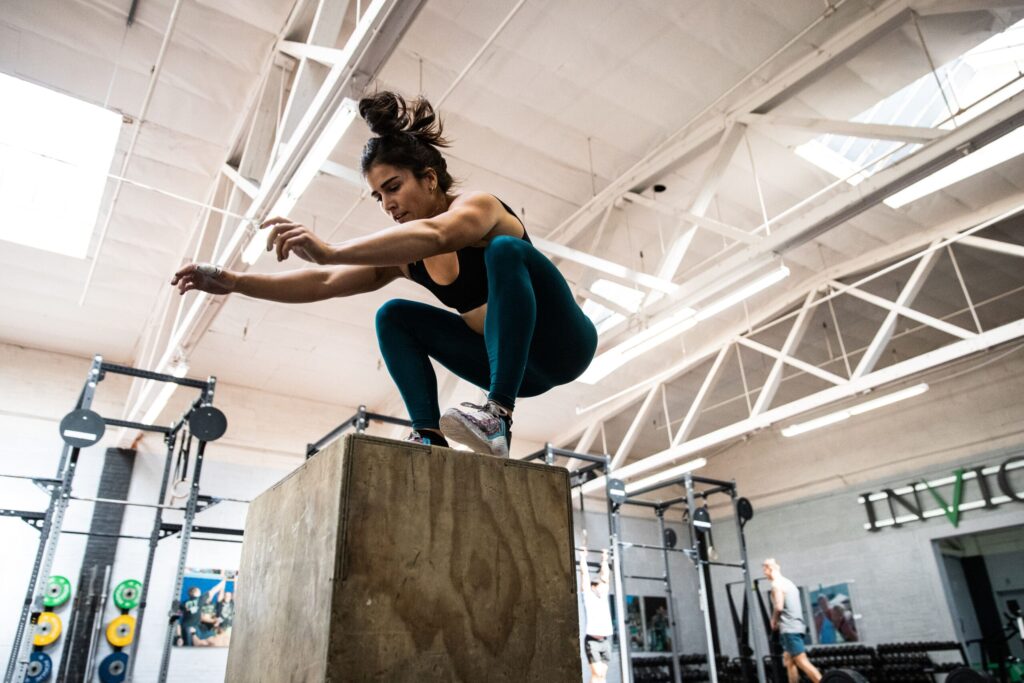
Achieving a defined six-pack is a common fitness goal that requires more than just countless crunches. While core exercises play a role, a combination of dietary, training, and lifestyle factors contribute significantly to fat loss and abdominal definition. This article provides seven evidence-based tips to help you get a six-pack, without fluff or fads.
[wpcode id=”229888″]Tip 1: Create a Caloric Deficit to Reduce Body Fat
Visible abdominal muscles are primarily a result of low body fat levels. Reducing overall body fat is essential, and the most effective way to do this is by maintaining a caloric deficit—consuming fewer calories than you burn. A study published in the American Journal of Clinical Nutrition found that weight loss is directly tied to energy balance, with dietary intake playing the dominant role (Hall et al., 2011).
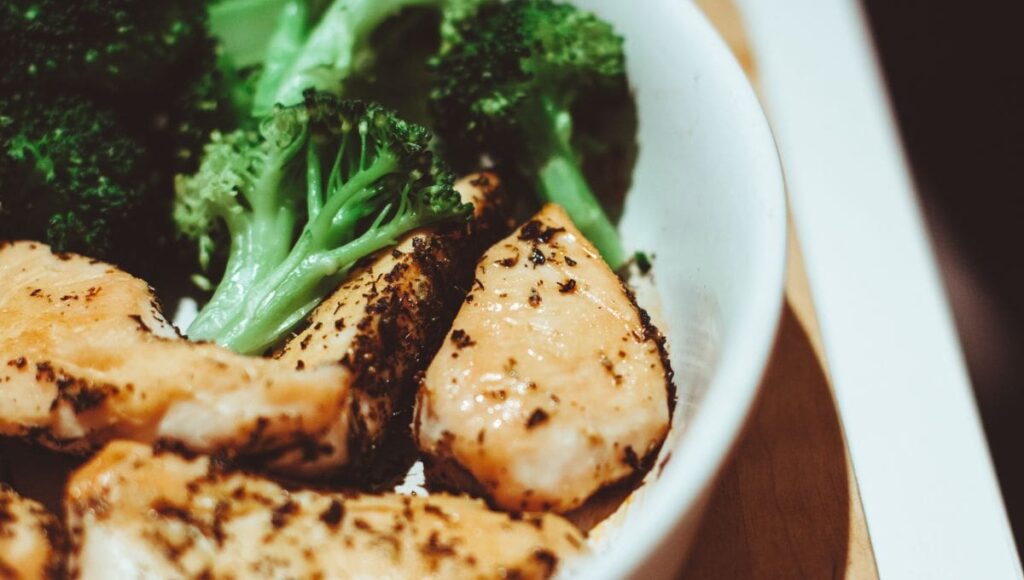
To establish a sustainable deficit, a reduction of 500–750 kcal per day is generally effective for gradual fat loss without severe hunger or muscle loss. Apps and food tracking tools can aid in accurately assessing energy intake.
Tip 2: Increase Protein Intake to Preserve Muscle Mass
Protein is critical for muscle preservation during fat loss. Higher protein diets not only help maintain lean body mass but also enhance satiety, which aids adherence to a caloric deficit. A meta-analysis in The American Journal of Clinical Nutrition concluded that high-protein diets led to more significant fat loss and lean mass retention compared to standard-protein diets (Wycherley et al., 2012).
Aim for 1.6–2.2g of protein per kilogram of body weight daily, spread evenly across meals. Good sources include lean meats, dairy, legumes, eggs, and protein supplements.
Tip 3: Combine Resistance Training with High-Intensity Interval Training (HIIT)
Resistance training helps build and preserve muscle mass, while HIIT is effective for reducing body fat. A study in the Journal of Obesity demonstrated that HIIT significantly reduced abdominal and visceral fat compared to traditional steady-state cardio (Keating et al., 2017).
For optimal results, integrate full-body resistance training 3–4 times per week with 2–3 sessions of HIIT. Each HIIT session can last 15–30 minutes and should include intervals of maximal effort followed by active recovery periods.
Tip 4: Manage Stress to Reduce Cortisol-Induced Fat Storage
Chronic stress elevates cortisol levels, a hormone linked to increased abdominal fat storage. A study published in Obesity found a significant correlation between chronic stress, cortisol reactivity, and higher abdominal fat (Epel et al., 2000).
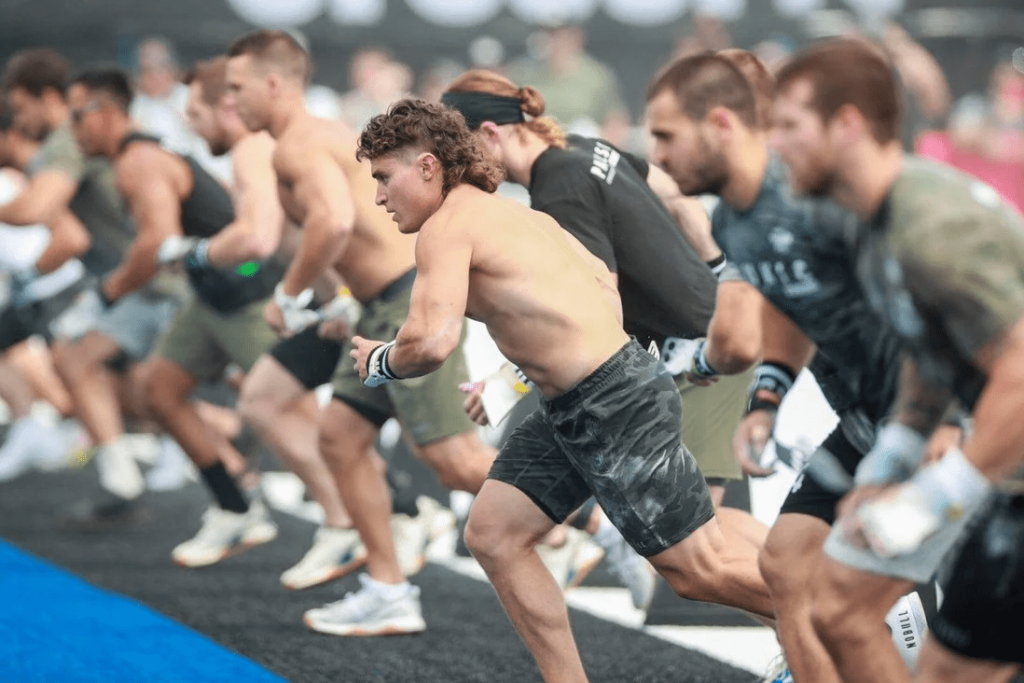
Effective stress management strategies include regular physical activity, mindfulness meditation, adequate sleep, and social support. Reducing stress not only improves psychological well-being but also supports physical changes necessary for visible abdominal muscles.
Tip 5: Improve Sleep Quality and Duration
Sleep plays a pivotal role in hormone regulation, appetite control, and fat loss. Research in the Annals of Internal Medicine shows that sleep restriction impairs fat loss and increases the loss of lean mass during dieting (Nedeltcheva et al., 2010).
Adults should aim for 7–9 hours of quality sleep per night. Maintaining a consistent sleep schedule, avoiding screens before bed, and creating a restful sleep environment can enhance sleep quality and indirectly support abdominal fat reduction.
Tip 6: Train Your Core with Progressive Overload
While spot reduction is a myth, training the abdominal muscles with progressive overload helps increase their size and definition. This makes them more visible once body fat is sufficiently low.

Compound lifts like squats and deadlifts engage the core, but direct ab work is also beneficial. A study in the Journal of Strength and Conditioning Research confirmed that progressive overload in core exercises increases abdominal muscle thickness (Escamilla et al., 2010).
Include exercises like weighted crunches, hanging leg raises, and ab rollouts, progressing the load or difficulty over time.
Tip 7: Limit Alcohol and Processed Foods
Alcohol and ultra-processed foods contribute significantly to excess calorie intake and hinder fat loss. Alcohol is energy-dense and impairs fat oxidation, while processed foods are often high in sugar, fat, and salt, promoting overconsumption. A systematic review in BMJ Open found a strong association between processed food consumption and increased body fat (Monteiro et al., 2018).
Reducing or eliminating these items from your diet facilitates a caloric deficit and improves overall diet quality, aiding fat loss and six-pack development.
Bibliography
Epel, E., McEwen, B., Seeman, T., Matthews, K., Castellazzo, G., Brownell, K., Bell, J. and Ickovics, J., 2000. Stress and body shape: stress-induced cortisol secretion is consistently greater among women with central fat. Obesity, 8(6), pp.410-421.
Escamilla, R.F., Babb, E., DeWitt, R., Jew, P., Kelleher, P., Burnett, A., Busch, J. and D’Anna, K., 2010. Electromyographic analysis of traditional and nontraditional abdominal exercises: implications for rehabilitation and training. Journal of Strength and Conditioning Research, 24(7), pp.1939–1949.
Hall, K.D., Heymsfield, S.B., Kemnitz, J.W., Klein, S., Schoeller, D.A. and Speakman, J.R., 2011. Energy balance and its components: implications for body weight regulation. American Journal of Clinical Nutrition, 95(4), pp.989–994.
Keating, S.E., Johnson, N.A., Mielke, G.I. and Coombes, J.S., 2017. A systematic review and meta-analysis of interval training versus moderate-intensity continuous training on body adiposity. Journal of Obesity, 2017, pp.1–15.
Monteiro, C.A., Moubarac, J.C., Cannon, G., Ng, S.W. and Popkin, B., 2018. Ultra-processed products are becoming dominant in the global food system. BMJ Open, 3(12), pp.e000698.
Nedeltcheva, A.V., Kilkus, J.M., Imperial, J. and Penev, P.D., 2010. Sleep curtailment is accompanied by increased intake of calories from snacks. Annals of Internal Medicine, 153(7), pp.435–441.
Wycherley, T.P., Moran, L.J., Clifton, P.M., Noakes, M. and Brinkworth, G.D., 2012. Effects of energy-restricted high-protein, low-fat compared with standard-protein, low-fat diets: a meta-analysis of randomised controlled trials. American Journal of Clinical Nutrition, 96(6), pp.1281–1298.
Key Takeaways Table
| Tip | Key Point | Supporting Evidence |
|---|---|---|
| 1 | Caloric deficit is essential for fat loss | Hall et al. (2011) |
| 2 | High protein intake preserves muscle and aids satiety | Wycherley et al. (2012) |
| 3 | Resistance training + HIIT is most effective for fat reduction | Keating et al. (2017) |
| 4 | Chronic stress leads to higher abdominal fat due to cortisol | Epel et al. (2000) |
| 5 | Poor sleep impairs fat loss and promotes muscle loss | Nedeltcheva et al. (2010) |
| 6 | Progressive overload in core training enhances muscle definition | Escamilla et al. (2010) |
| 7 | Alcohol and processed foods hinder fat loss | Monteiro et al. (2018) |