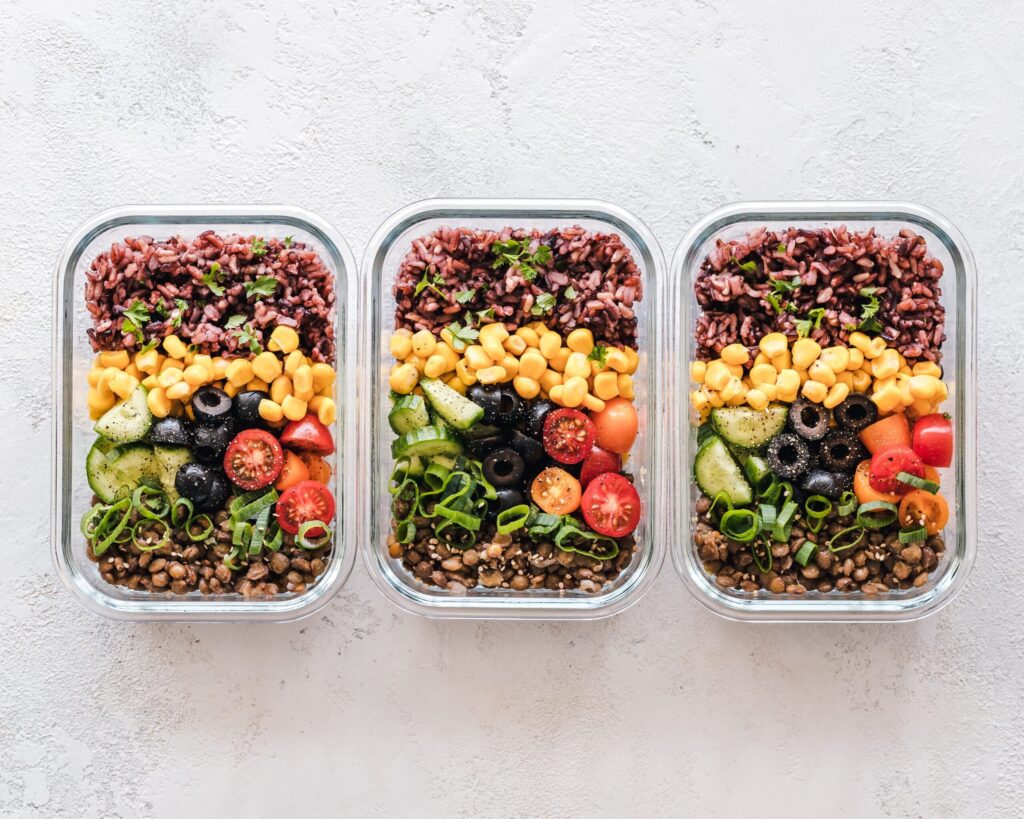
Complex carbohydrates are a crucial component of a healthy diet, providing sustained energy, stabilising blood sugar levels, and supporting overall health. Unlike simple carbohydrates, which lead to rapid spikes and crashes in energy, complex carbohydrates are digested slowly, offering a steady release of glucose into the bloodstream.
Research indicates that diets rich in complex carbohydrates improve metabolic health, enhance endurance, and support cognitive function (Slavin, 2013).
1. Oats: A Nutrient-Dense Powerhouse
Oats are among the best sources of complex carbohydrates, delivering a combination of soluble fibre, protein, and essential micronutrients.
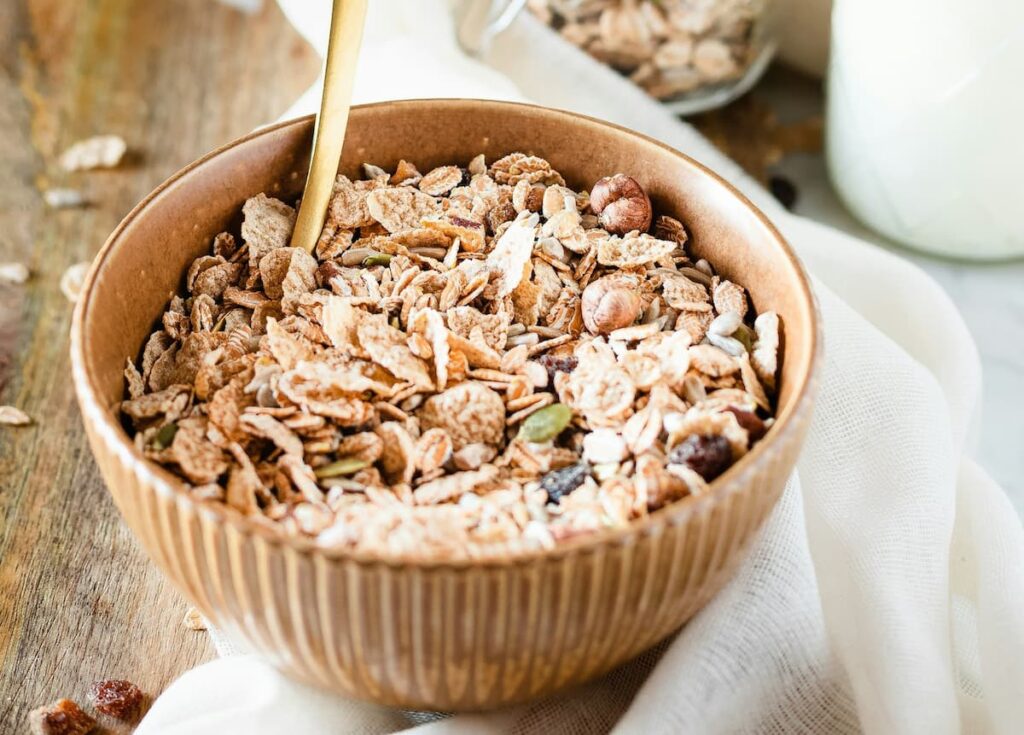
Beta-glucan, a type of soluble fibre found in oats, has been shown to reduce blood sugar spikes, improve cholesterol levels, and enhance gut health (Whitehead et al., 2014). Furthermore, oats provide a slow-releasing energy source, making them ideal for sustained endurance and satiety.
Studies confirm that consuming oats as part of a balanced diet can improve insulin sensitivity and cardiovascular health (Tiwari & Cummins, 2011).
2. Sweet Potatoes: A High-Fibre Energy Source
Sweet potatoes are a rich source of complex carbohydrates, fibre, and essential vitamins such as vitamin A, C, and B6. Their high fibre content slows digestion, leading to a gradual release of glucose and preventing energy crashes.
Research highlights that the resistant starch in sweet potatoes promotes gut health and supports better blood sugar regulation (Zhou et al., 2019). Additionally, their high antioxidant content combats oxidative stress, making them an excellent food for long-term health and vitality.
3. Quinoa: A Complete Protein with Complex Carbs
Quinoa is unique among plant-based carbohydrates as it contains all nine essential amino acids, making it a complete protein source. Its high fibre content and complex carbohydrate profile contribute to steady energy release, reducing the risk of blood sugar fluctuations.
Studies indicate that quinoa consumption is linked to improved metabolic health, reduced inflammation, and better cardiovascular outcomes (Navruz-Varli & Sanlier, 2016). Its rich nutrient composition makes quinoa an ideal option for those looking to sustain energy levels while supporting muscle recovery and overall health.
4. Brown Rice: A Slow-Digesting Fuel
Brown rice is a whole grain packed with fibre, magnesium, and essential B vitamins, all of which contribute to sustained energy production. Unlike white rice, which has been stripped of its fibre and nutrients, brown rice maintains its bran layer, leading to a slower digestion rate and prolonged energy release.

Research suggests that regular consumption of brown rice can improve glycaemic control, support heart health, and promote better digestion (Gao et al., 2021). This makes it an excellent dietary staple for athletes and individuals seeking long-lasting energy.
5. Lentils: A Fibre-Rich Carbohydrate Source
Lentils provide a powerful combination of complex carbohydrates, protein, and dietary fibre, supporting both energy production and satiety. Their high fibre content ensures a slow and steady release of glucose, preventing sudden spikes in blood sugar. Scientific studies confirm that lentil consumption improves metabolic health, reduces inflammation, and supports cardiovascular function (Polak et al., 2020). Additionally, lentils are an excellent plant-based protein source, making them particularly beneficial for vegetarians and vegans seeking sustained energy.
6. Chickpeas: A Low-Glycaemic Energy Booster
Chickpeas, also known as garbanzo beans, are another excellent source of complex carbohydrates, protein, and dietary fibre. Their low glycaemic index (GI) helps maintain stable blood sugar levels while providing a long-lasting energy source.

Research highlights that chickpeas support digestive health, improve insulin sensitivity, and enhance cardiovascular function (Zhu et al., 2020). Furthermore, their high protein and fibre content contribute to prolonged satiety, making them an excellent addition to a balanced diet.
7. Whole Grain Bread: A Sustained Energy Provider
Whole grain bread made from 100% whole wheat, rye, or other unprocessed grains provides a steady source of complex carbohydrates, fibre, and essential nutrients. Unlike refined bread, whole grain varieties retain their nutrient-rich bran and germ, leading to a slower digestion rate and prolonged energy release. Studies indicate that whole grain consumption is associated with reduced risks of metabolic disorders, improved gut health, and better weight management (Aune et al., 2016). Choosing whole grain over refined alternatives ensures a more stable energy supply throughout the day.
Conclusion
Incorporating complex carbohydrates into your diet is essential for sustained energy, improved metabolic health, and overall well-being. Foods such as oats, sweet potatoes, quinoa, brown rice, lentils, chickpeas, and whole grain bread provide long-lasting energy while offering additional health benefits such as improved digestion, enhanced insulin sensitivity, and better cardiovascular function. Prioritising these nutrient-dense carbohydrates over refined sources can help optimise energy levels and support long-term health.
Key Takeaways
| Food | Benefits |
|---|---|
| Oats | Provides slow-releasing energy, improves cholesterol levels, supports gut health |
| Sweet Potatoes | High in fibre, stabilises blood sugar, rich in antioxidants |
| Quinoa | Complete protein, reduces inflammation, supports metabolic health |
| Brown Rice | Slow-digesting, improves glycaemic control, promotes heart health |
| Lentils | High in fibre and protein, reduces inflammation, supports cardiovascular health |
| Chickpeas | Low glycaemic index, enhances insulin sensitivity, supports digestion |
| Whole Grain Bread | Prolonged energy release, supports gut health, reduces metabolic disorders |
Bibliography
Aune, D. et al., 2016. Whole grain consumption and risk of cardiovascular disease, cancer, and all-cause and cause-specific mortality. BMJ, 353, p.i2716.
Gao, M. et al., 2021. Whole grain consumption and health outcomes: A systematic review and meta-analysis. Nutrients, 13(10), p.3506.
Navruz-Varli, S. & Sanlier, N., 2016. Nutritional and health benefits of quinoa. Journal of Cereal Science, 69, pp.371-376.
Polak, R. et al., 2020. Legumes: Health benefits and culinary approaches. Nutrients, 12(11), p.3504.
Slavin, J. L., 2013. Carbohydrates, dietary fiber, and health. Nutrients, 5(4), pp.1417-1435.