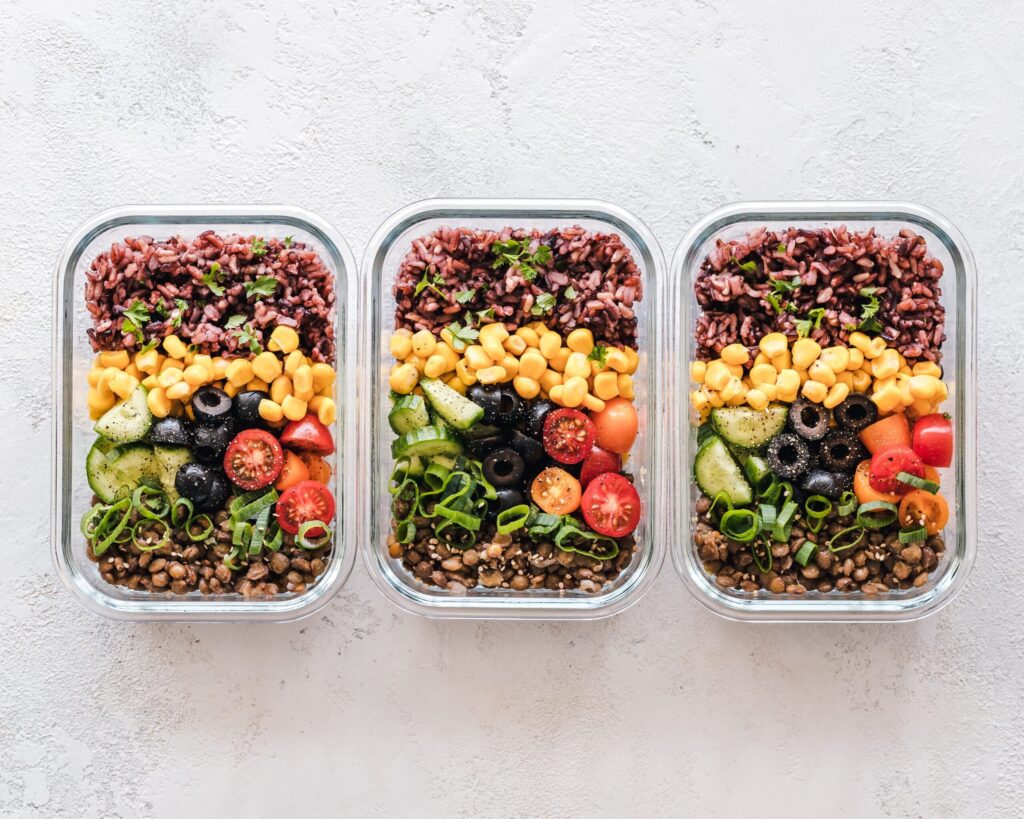
Before exploring specific foods, it helps to understand why fiber is so important. Dietary fiber includes the indigestible components of plant foods.
Although your body cannot break fiber down into energy, it plays a vital role in how your digestive system and metabolism function.
Studies show that adequate fiber intake contributes to:
Improved gastrointestinal health
Fiber increases stool bulk and supports regular bowel movements. Insoluble fiber speeds intestinal transit time, helping prevent constipation. Soluble fiber forms a gel-like substance that supports gut motility and microbial fermentation. Research consistently shows that higher fiber intake reduces the risk of constipation and improves overall digestive comfort.
Better body composition and appetite control
High-fiber foods generally increase satiety. Soluble fiber slows gastric emptying and stabilizes blood glucose, while insoluble fiber contributes bulk with minimal calories. Several studies demonstrate that fiber intake is inversely associated with body fat percentage and can help reduce total calorie intake without conscious restriction.

Enhanced metabolic health
Fiber, especially soluble fiber, supports lower LDL cholesterol levels by binding bile acids. It also moderates post-meal blood sugar spikes, improving insulin sensitivity. Meta-analyses show that higher fiber diets significantly reduce the risk of type 2 diabetes and cardiovascular disease.
A healthier gut microbiome
Certain types of fiber act as prebiotics—fuel for beneficial gut bacteria. A thriving microbiome contributes to immunity, nutrient absorption, inflammation control, and even exercise recovery. Studies show that fermentable fibers such as inulin and resistant starch increase populations of beneficial bacteria and improve gut-derived metabolites.
With this foundation in mind, let’s look at seven high-fiber foods that deliver exceptional health and fitness benefits backed by strong scientific evidence.
1. Lentils
Lentils are one of the most fiber-dense foods available, providing around 15g of fiber per cooked cup. They include both soluble and insoluble fiber, giving them comprehensive digestive and metabolic benefits.
Why lentils support health and performance
Research shows that legumes, especially lentils, have a low glycemic index because their soluble fiber slows carbohydrate absorption. This helps maintain more stable blood glucose and energy levels during training days. Lentils also contain resistant starch, which promotes healthy gut bacteria and enhances short-chain fatty acid (SCFA) production—important for colon health and systemic inflammation control.
Additional benefits
Lentils are rich in plant-based protein, iron, and folate, making them ideal for athletes and active individuals who need nutrient-dense recovery foods.
2. Chickpeas
Chickpeas offer around 12g of fiber per cooked cup and have been studied extensively for their metabolic and digestive benefits.
Why chickpeas stand out
Clinical studies find that chickpeas improve satiety, reduce post-meal glucose levels, and support better appetite regulation compared to other carbohydrate sources. Their soluble fiber and resistant starch content feed beneficial gut bacteria, contributing to improved gut barrier function.
Additional benefits
Chickpeas contain high-quality micronutrients such as magnesium, zinc, and B-vitamins—nutrients that play crucial roles in performance, recovery, and energy metabolism.
3. Chia Seeds
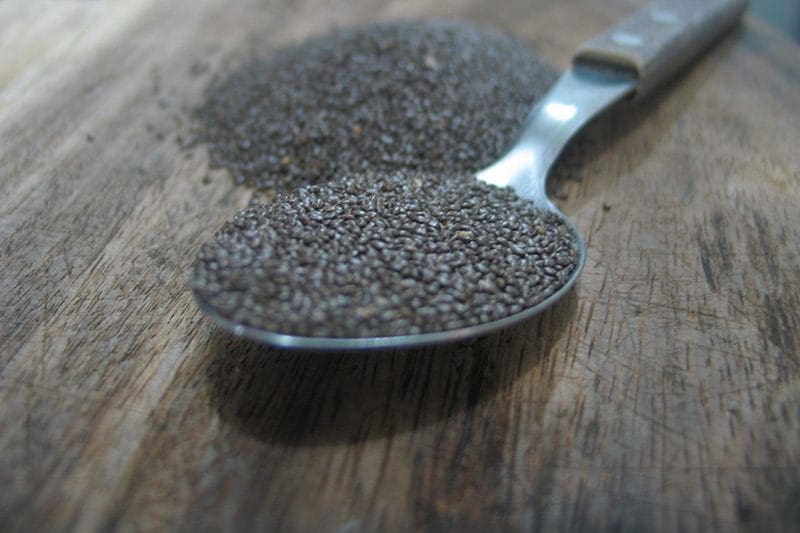
Chia seeds provide around 10g of fiber per two tablespoons—an extremely concentrated source. Much of this is soluble fiber that forms a gel when mixed with water.
Why chia seeds enhance digestive and metabolic health
The gel-forming property of chia slows digestion, moderates blood sugar, and increases satiety. Studies show that chia-enriched diets improve cholesterol levels and support weight management outcomes. Because of the high soluble fiber, chia seeds also act as a potent prebiotic.
Additional benefits
Chia seeds are rich in omega-3 fatty acids and minerals that support inflammation control, muscle function, and bone health.
4. Oats
A single cup of cooked oats contains about 4g of fiber, but what makes oats exceptional is their beta-glucan content—a specific soluble fiber with well-documented health effects.
Why oats are uniquely beneficial
Beta-glucan has been shown in numerous clinical trials to reduce LDL cholesterol by binding bile acids and increasing their excretion. Oats also slow carbohydrate absorption, supporting stable energy release ideal for endurance and high-output training. Beta-glucan additionally supports immune function and beneficial gut microbial activity.
Additional benefits
Oats are rich in manganese, phosphorus, and magnesium—key minerals for energy metabolism and muscle contraction.
5. Raspberries
Raspberries contain about 8g of fiber per cup, making them one of the highest-fiber fruits available.
Why raspberries are a high-performance food
In addition to their fiber concentration, raspberries offer polyphenols such as ellagic acid and quercetin. These compounds provide antioxidant and anti-inflammatory benefits that support recovery from exercise-induced stress. Studies show that berry consumption improves vascular function and reduces oxidative damage.

Additional benefits
Raspberries provide vitamin C, which supports collagen formation for tendon, ligament, and joint health.
6. Sweet Potatoes
A medium sweet potato provides around 4g of fiber along with significant micronutrients.
How sweet potatoes support training and recovery
Their combination of soluble and insoluble fiber supports balanced digestion and prolonged satiety. Sweet potatoes also offer slow-digesting carbohydrates, making them an ideal pre- or post-workout fuel source. Research shows their high antioxidant content—particularly beta-carotene—helps reduce inflammation and oxidative stress.
Additional benefits
Sweet potatoes provide potassium, which is crucial for fluid balance, muscle contraction, and preventing training-related cramps.
7. Whole Wheat Pasta
Whole wheat pasta contains about 6g of fiber per cooked cup, significantly more than regular pasta.
Why whole wheat pasta benefits active individuals
Unlike refined pasta, whole wheat versions retain their bran and germ, providing fiber that slows digestion and moderates blood sugar. Studies show that whole-grain diets improve insulin sensitivity and reduce the risk of cardiovascular disease. The fiber content helps maintain energy levels and supports digestive regularity—important for athletes with high-calorie demands.
Additional benefits
Whole wheat pasta offers complex carbohydrates, plant protein, and key minerals such as magnesium and selenium.
How Much Fiber Do You Need?
The recommended intake is:
• Women: about 25g per day
• Men: about 38g per day
Athletes and highly active individuals may benefit from the higher end of intake ranges due to increased metabolic stress and digestive demands. However, fiber intake should increase gradually to avoid gastrointestinal discomfort.
Practical Ways to Increase Fiber Intake
Here are easy approaches to get more fiber without compromising training comfort:
Add fiber slowly
Allow your digestive system to adapt by increasing fiber intake over the course of one to two weeks.
Prioritize whole foods
Legumes, fruits, vegetables, nuts, seeds, and whole grains offer fiber combined with essential nutrients and phytochemicals.
Hydrate well
Fiber works best when adequate hydration is present, especially soluble types.
Mix and match fiber types
A combination of soluble and insoluble fiber supports satiety, regularity, microbial health, and metabolic balance.
Putting It All Together
High-fiber foods offer benefits far beyond digestion. They support stable energy levels, improved metabolic health, reduced inflammation, better body composition, and long-term disease prevention.
For athletes and fitness-focused individuals, these foods form a foundation for consistent performance and recovery. By strategically including foods like lentils, chickpeas, chia seeds, oats, raspberries, sweet potatoes, and whole wheat pasta, you can dramatically improve your health and training outcomes.
Bibliography
• Anderson JW, Baird P, Davis RH Jr, et al.(2009) ‘Health benefits of dietary fiber’, Nutrition Reviews, 67(4), pp.188–205.
• Boushey CJ, Auld GW, et al.(2020) ‘Dietary fiber intake and health outcomes’, Advances in Nutrition, 11(3), pp.861–880.
• Dahl WJ and Stewart ML.(2015) ‘Position of the Academy of Nutrition and Dietetics: Health implications of dietary fiber’, Journal of the Academy of Nutrition and Dietetics, 115(11), pp.1861–1870.
• Fuller S, et al.(2016) ‘Oat β-glucan: Physiological effects and health benefits’, Nutrients, 8(12), pp.1–15.
• Martínez I, et al.(2010) ‘Diet-induced alterations of gut microbes and fermentable fiber improves metabolic health’, The ISME Journal, 4(2), pp.230–239.
• Slavin JL.(2013) ‘Fiber and prebiotics: Mechanisms and health benefits’, Nutrients, 5(4), pp.1417–1435.
• Townsend S, et al.(2019) ‘Effects of legumes on metabolic health’, British Journal of Nutrition, 121(3), pp.253–265.
• Wallace TC, et al.(2020) ‘Dried fruit, berries, and cardiometabolic benefits’, Critical Reviews in Food Science and Nutrition, 60(3), pp.1–14.