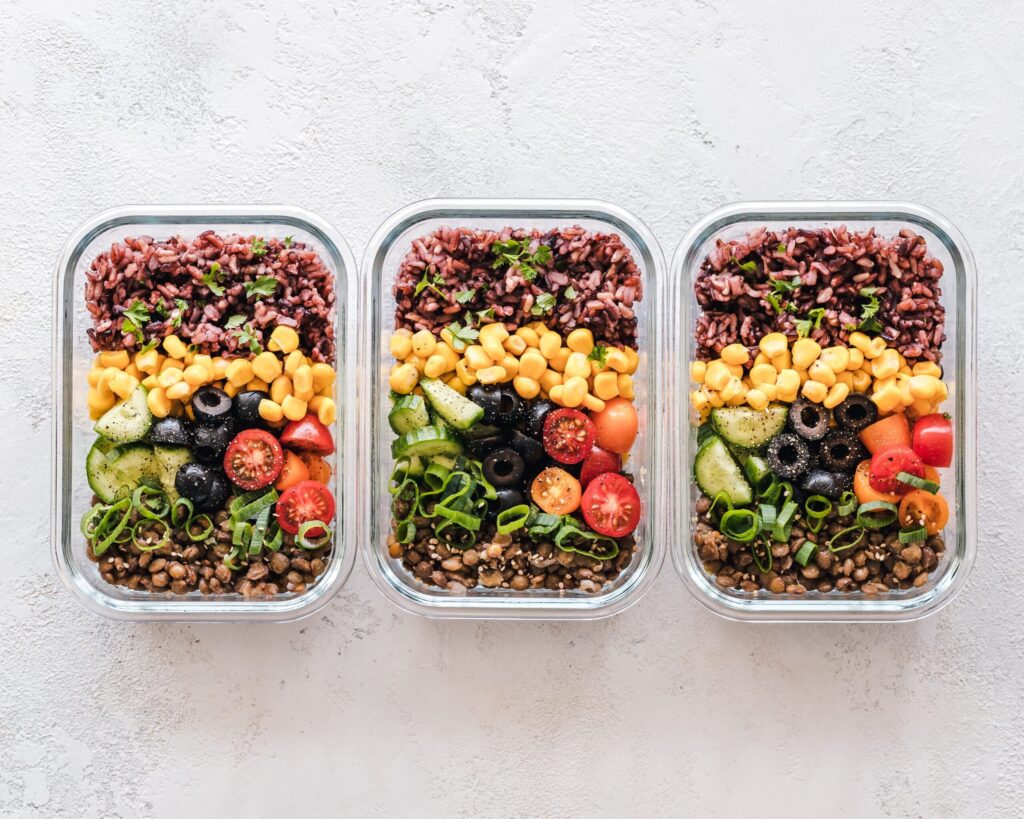
When it comes to athletic performance, nutrition plays a pivotal role in ensuring that athletes meet the demands of their training and competition.
Incorporating superfoods into your diet can provide the nutrients needed to optimise recovery, build strength and maintain peak performance. Below, we explore seven scientifically backed superfoods that every athlete should include in their diet.
1. Blueberries
Blueberries are a powerhouse of antioxidants, particularly anthocyanins, which help reduce oxidative stress caused by intense exercise.
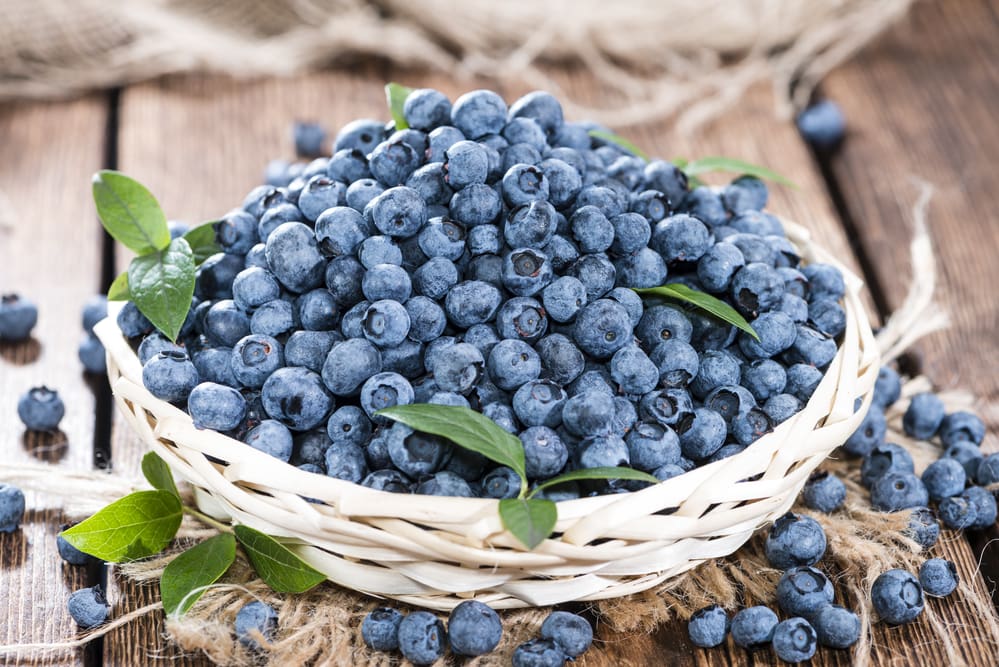
Oxidative stress can lead to muscle fatigue and delayed recovery. A study published in the Journal of the International Society of Sports Nutrition found that consuming blueberries improved exercise-induced muscle recovery and reduced inflammation (McLeay et al., 2012). Additionally, the high vitamin C content in blueberries supports collagen production, essential for joint health and connective tissue repair.
2. Salmon
Salmon is an excellent source of high-quality protein and omega-3 fatty acids, particularly EPA and DHA. These fatty acids have anti-inflammatory properties, which can help reduce muscle soreness and joint stiffness post-exercise.
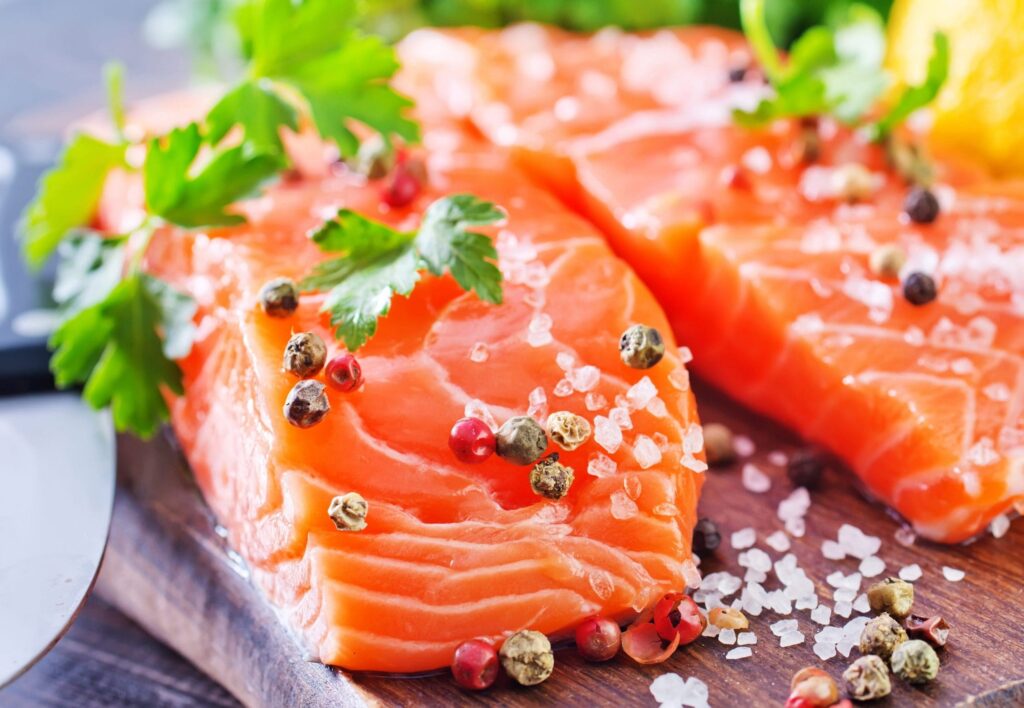
Research published in the American Journal of Clinical Nutrition highlights that omega-3 fatty acids also improve cardiovascular health, making them essential for endurance athletes (Mozaffarian & Rimm, 2006). Furthermore, salmon contains vitamin D, crucial for bone health and immune function, both of which are vital for athletes.
3. Spinach
Spinach is packed with essential vitamins and minerals, including iron, magnesium and calcium. Iron is critical for oxygen transport in the blood, while magnesium aids in muscle function and recovery.
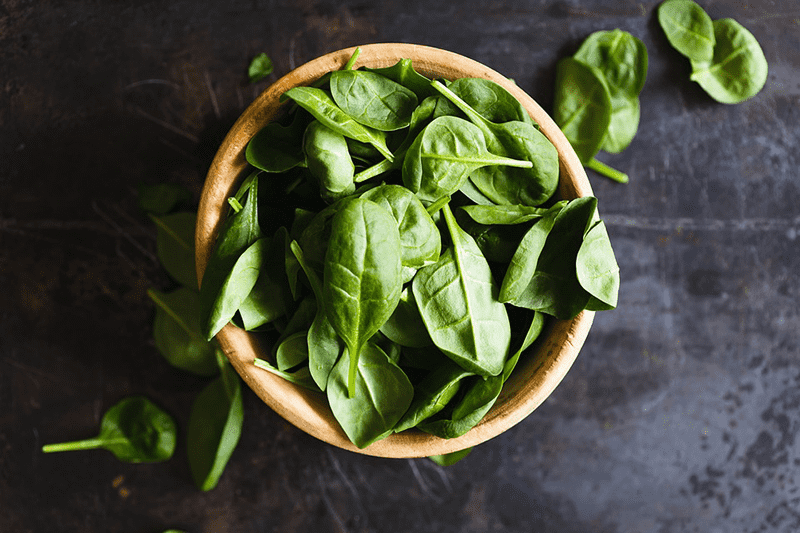
A study in the Journal of Applied Physiology demonstrated that magnesium supplementation improved muscle strength and reduced cramping in athletes (Veronese et al., 2014). Spinach also contains nitrates, which enhance blood flow and oxygen delivery to muscles, potentially improving endurance performance.
4. Quinoa
Quinoa is a complete protein, containing all nine essential amino acids required for muscle repair and growth. It is also a rich source of complex carbohydrates, providing sustained energy for prolonged physical activity.
A study published in Nutrients showed that quinoa’s low glycaemic index (GI) helps stabilise blood sugar levels, preventing energy crashes during workouts (Navruz-Varli & Sanlier, 2016). Additionally, its high fibre content supports digestive health, which is critical for nutrient absorption and overall performance.
5. Greek Yoghurt
Greek yoghurt is a nutritional powerhouse, offering a combination of protein, probiotics and essential vitamins like calcium and B12.
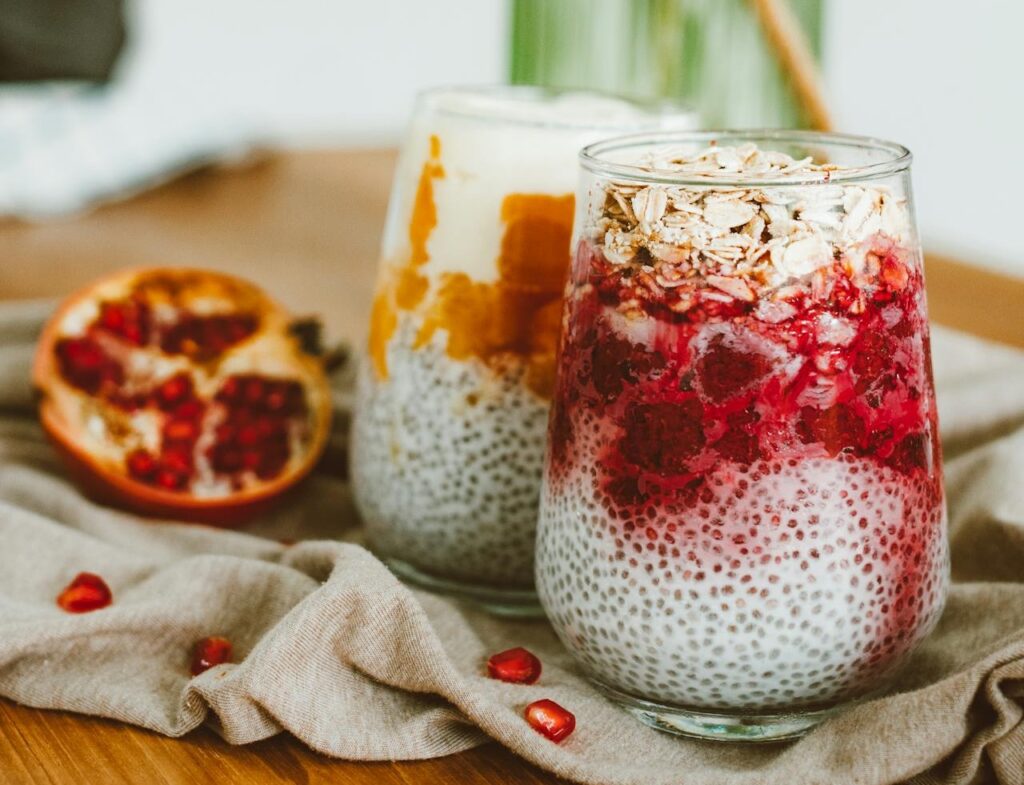
The high protein content aids in muscle recovery, while probiotics promote gut health, which is increasingly recognised as a key factor in athletic performance. Research in the European Journal of Clinical Nutrition indicates that consuming Greek yoghurt post-workout enhances muscle protein synthesis and reduces muscle breakdown (Phillips et al., 2014). The calcium in Greek yoghurt also supports bone strength, reducing the risk of stress fractures in athletes.
6. Sweet Potatoes
Sweet potatoes are an excellent source of complex carbohydrates, which provide the energy needed for high-intensity training and competition. They are also rich in beta-carotene, a precursor to vitamin A, which supports immune function and vision.
A study in the Journal of Nutrition and Metabolism found that the antioxidants in sweet potatoes help reduce inflammation and oxidative damage caused by intense exercise (Bergouignan et al., 2011). Moreover, their potassium content aids in maintaining electrolyte balance, preventing muscle cramps and dehydration.
7. Chia Seeds
Chia seeds are a versatile superfood loaded with omega-3 fatty acids, fibre and protein. They also provide a substantial amount of magnesium, calcium and potassium. Chia seeds have a unique ability to absorb water, forming a gel-like consistency that aids in hydration and sustains energy levels during endurance activities.
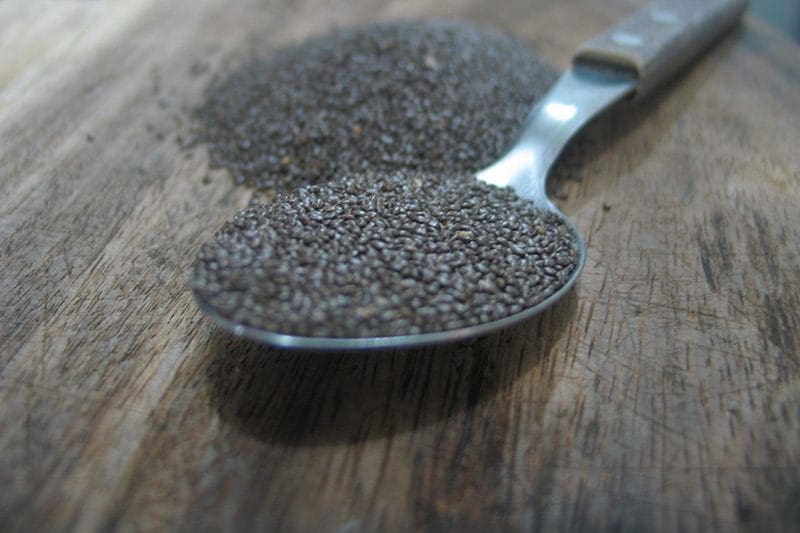
A study in the Journal of Strength and Conditioning Research found that chia seed supplementation improved endurance performance comparable to carbohydrate-loading strategies (Illian et al., 2011). Additionally, their anti-inflammatory properties support quicker recovery and reduced muscle soreness.
Key Takeaways
| Superfood | Benefits for Athletes |
|---|---|
| Blueberries | Rich in antioxidants; reduce oxidative stress; improve recovery and inflammation. |
| Salmon | High in protein and omega-3 fatty acids; reduces muscle soreness and joint stiffness; supports cardiovascular health. |
| Spinach | Provides iron, magnesium and nitrates; enhances blood flow; improves muscle function and endurance. |
| Quinoa | Complete protein source; offers sustained energy; stabilises blood sugar levels. |
| Greek Yoghurt | High protein content; enhances recovery; promotes gut health; strengthens bones. |
| Sweet Potatoes | Excellent carbohydrate source; reduces inflammation; supports electrolyte balance and immune health. |
| Chia Seeds | Packed with omega-3s and fibre; aids hydration; improves endurance and recovery. |
References
Illian, T.G., Casey, J.C., & Bishop, P.A. (2011). Effects of chia supplementation on endurance performance among runners. Journal of Strength and Conditioning Research, 25(1), pp.108-117.
McLeay, Y., Barnes, M.J., & Hurst, S.M. (2012). Effect of New Zealand blueberry consumption on recovery from exercise-induced muscle damage. Journal of the International Society of Sports Nutrition, 9(19).
Mozaffarian, D., & Rimm, E.B. (2006). Fish intake, contaminants, and human health: Evaluating the risks and the benefits. American Journal of Clinical Nutrition, 84(1), pp.1-20.
Navruz-Varli, S., & Sanlier, N. (2016). Nutritional and health benefits of quinoa (Chenopodium quinoa Willd.). Nutrients, 8(10), p.497.
Phillips, S.M., Tang, J.E., & Moore, D.R. (2014). The role of milk- and soy-based protein in support of muscle protein synthesis and muscle protein accretion in young and elderly persons. European Journal of Clinical Nutrition, 65(1), pp.854-859.
Veronese, N., Berton, L., Carraro, S., Bolzetta, F., De Rui, M., Perissinotto, E., & Sergi, G. (2014). Effect of magnesium supplementation on physical performance in healthy elderly women involved in a weekly exercise program: A randomised controlled trial. Journal of Applied Physiology, 117(11), pp.1382-1387.