Finishing a workout always feels like a win, whether it’s a high-intensity session, weightlifting, or a long run. However, what many people don’t realise is that the time after a workout is just as important as the workout itself. To make the most of your efforts, it’s crucial to develop a solid post-workout routine. This helps your body recover, prevents injuries, and ultimately improves performance over time.
Let’s dive into the seven most important things to do after every workout to maximise recovery and set yourself up for the next session.
Key Takeaways
| Key Action | Why It’s Important |
|---|---|
| Cool Down Properly | Helps the body transition from activity to rest, reducing muscle stiffness. |
| Rehydrate | Replenishes lost fluids and prevents dehydration. |
| Refuel with Nutrients | Supports muscle repair and restores glycogen levels. |
| Stretch or Foam Roll | Improves flexibility and speeds up recovery. |
| Rest and Recover | Allows muscles to repair and prevents overtraining injuries. |
| Monitor for Injury | Helps prevent long-term damage by catching injuries early. |
| Reflect and Set Goals | Tracks progress and motivates for future workouts. |
Table of Contents
7 Things to Do After Every Workout
1. Cool Down Properly
- The first step in your post-workout routine should always be a proper cool-down. This is often overlooked but is essential in allowing your body to transition from intense activity to a resting state.
- Cooling down involves light aerobic exercises like walking or slow cycling, combined with stretching, which helps reduce the build-up of lactic acid in your muscles. Lactic acid accumulation can lead to stiffness and soreness in the following days.
- Studies show that proper cool-downs can help reduce delayed onset muscle soreness (DOMS). Stretching also helps improve flexibility and maintains the range of motion in your joints.
How to Cool Down:
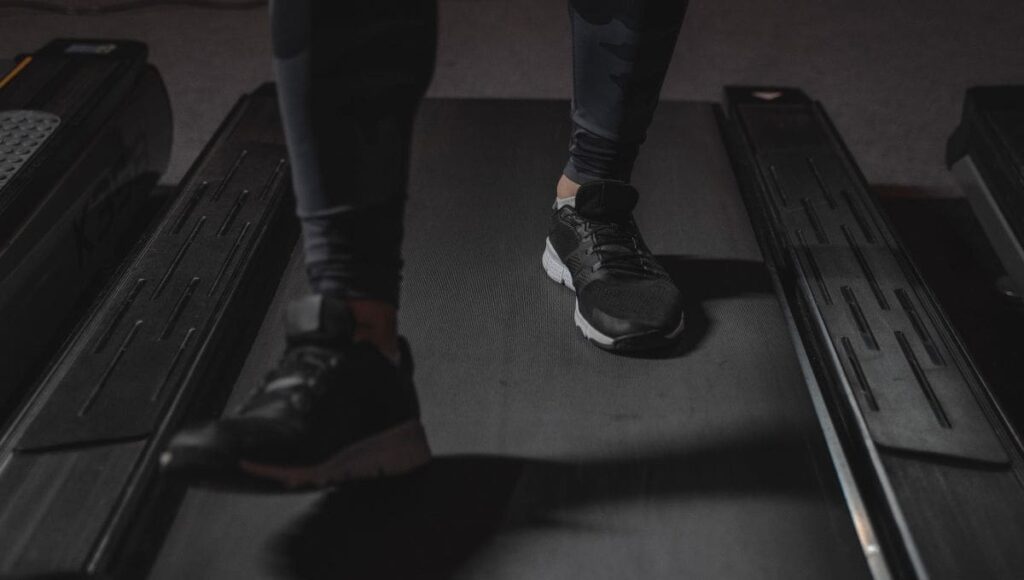
- Spend 5–10 minutes doing low-intensity activity like walking.
- Follow with static stretches, holding each stretch for 20–30 seconds. Focus on the muscles you worked during your session.
How Many Calories Does Walking Burn?
2. Rehydrate
- Sweating during exercise leads to the loss of essential fluids and electrolytes that are vital for proper body function. One of the most important things you need to do post-workout is to rehydrate.
- Water helps regulate body temperature, transport nutrients to cells, and remove waste from the body. Dehydration can cause muscle cramps, dizziness, and fatigue, so it’s crucial to replenish fluids lost during exercise.
- Studies recommend drinking at least 500 ml of water immediately after your workout, but you may need more depending on how much you’ve sweat .
Pro Tip:
- For workouts longer than an hour, consider an electrolyte drink to replace lost sodium, potassium, and other essential minerals.
3. Refuel with the Right Nutrients
- After your workout, your body is in a state of repair, and it needs the right nutrients to recover and rebuild muscle tissue. Eating within 30–60 minutes post-exercise is ideal for replenishing glycogen stores and supporting muscle repair.
- Aim for a balanced meal or snack that includes both carbohydrates and protein. Carbs help restore glycogen (energy) stores in your muscles, while protein aids in muscle repair and growth.
- Research suggests that a 3:1 or 4:1 ratio of carbs to protein is ideal for post-workout recovery .
Great Post-Workout Snacks:
- A banana with a handful of almonds
- Greek yoghurt with honey and berries
- A protein shake with added oats
4. Stretch or Foam Roll

- Stretching after a workout not only helps with muscle flexibility but also promotes blood flow, which speeds up recovery. However, in addition to static stretches, foam rolling can provide an added benefit by releasing tight muscles and breaking up adhesions in muscle tissue.
- Foam rolling is a form of self-myofascial release, which can help relieve muscle tightness, improve mobility, and reduce muscle soreness .
- According to research, regularly incorporating foam rolling into your post-workout routine can help reduce muscle pain and stiffness, which may improve subsequent performance .
Key Areas to Foam Roll:
- Quadriceps
- Hamstrings
- IT band (side of the thigh)
- Upper back
5. Take Time to Rest and Recover
- Although it’s tempting to keep moving at full speed after your workout, rest is one of the most important components of recovery. Your muscles repair and grow during periods of rest, not while you’re exercising.
- Ensure you’re getting sufficient sleep and taking rest days when needed to prevent overtraining. Chronic overtraining without proper rest can lead to injury and mental burnout .
- Sleep plays a significant role in muscle recovery, as growth hormone—crucial for tissue repair—is primarily released during deep sleep.
Tips for Better Rest:
- Aim for 7–9 hours of sleep each night.
- Incorporate active recovery days with light activities like yoga or walking.

6. Monitor Your Body for Signs of Injury or Overtraining
- After a workout, it’s essential to pay attention to how your body feels, particularly in the hours and days following. A little soreness is normal, especially if you’ve pushed yourself harder than usual, but lingering pain or discomfort could be a sign of an injury.
- Overtraining can present itself as chronic fatigue, persistent muscle soreness, or mental burnout. It’s vital to monitor for these signs and adjust your workouts accordingly to prevent long-term damage.
- If you experience sharp or persistent pain, consider seeing a physiotherapist or healthcare provider to rule out any injuries.
Common Overtraining Symptoms:
- Fatigue that doesn’t improve with rest
- Trouble sleeping
- Increased irritability or mood swings
- Decreased performance in workouts
7. Reflect on Your Workout and Set Goals
- Taking time to reflect on your workout can help you understand what worked well, what didn’t, and what you can improve on for future sessions. It also serves as a motivational tool to track your progress over time.
- Whether you keep a journal, use an app, or simply make a mental note, reflection can help you set specific, measurable, and achievable goals for the next workout.
- Research supports that goal-setting is a powerful motivational tool, helping individuals stay committed to their fitness journeys .
Goal-Setting Tips:
- Make sure your goals are realistic and achievable within a set timeframe.
- Break long-term goals into smaller, more manageable milestones.
- Regularly review and adjust your goals as your fitness levels improve.
Conclusion
The time after your workout is crucial to how well your body recovers and how you perform in your next session. By cooling down, rehydrating, refuelling with the right nutrients, stretching, and paying attention to your body’s signals, you’ll not only recover better but also make consistent progress toward your fitness goals.
Incorporating these seven post-workout habits into your routine will set you up for long-term success, both physically and mentally. Remember, your post-workout recovery is just as important as the workout itself—so take the time to do it right.
References
- Cheung, K., Hume, P., & Maxwell, L. (2003). Delayed onset muscle soreness. Treatment strategies and performance factors. Sports Medicine, 33(2), 145-164.
- Casa, D.J., Armstrong, L.E., Hillman, S.K., Montain, S.J., Reiff, R.V., Rich, B.S.E., & Stone, J.A. (2000). National Athletic Trainers’ Association position statement: Fluid replacement for athletes. Journal of Athletic Training, 35(2), 212-224.
- Ivy, J.L., Goforth, H.W., Damon, B.M., McCauley, T.R., Parsons, E.C., & Price, T.B. (2002). Early post-exercise muscle glycogen recovery is enhanced with a carbohydrate-protein supplement. Journal of Applied Physiology, 93(4), 1337-1344.
- MacDonald, G.Z., Penney, M.D., Mullaley, M.E., Cuconato, A.L., Drake, C.D.J., Behm, D.G., & Button, D.C. (2013). An acute bout of self-myofascial release increases range of motion without a subsequent decrease in muscle activation or force. Journal of Strength and Conditioning Research, 27(3), 812-821.
- Schroeder, A.N., & Best, T.M. (2015). Is self-myofascial release an effective preexercise and recovery strategy? Current Sports Medicine Reports, 14(3), 200-208.
- Kreher, J.B., & Schwartz, J.B. (2012). Overtraining syndrome: A practical guide. Sports Health, 4(2), 128-138.
- Locke, E.A., & Latham, G.P. (2002). Building a practically useful theory of goal setting and task motivation: A 35-year odyssey. American Psychologist, 57(9), 705-717.