Our everyday choices, including what we eat, have a huge impact on our health and the planet! Sustainability is becoming more important every day—from reducing carbon emissions to conserving water and preserving biodiversity. From farm to fork, food impacts the environment, so by making conscious decisions and adopting eco-friendly eating habits, we can minimize our ecological footprint.
There are a variety of pragmatic tips and strategies to help you transform your diet into eco-friendly practices. I listed seven simple yet impactful tips to achieve that goal so you can lessen your environmental influence while still enjoying delicious and nutritious meals.
Start by choosing locally sourced and seasonal ingredients to lower food waste and support sustainable farming praxes. Here are tips to make your eating habits more eco-friendly!
7 Tips to Make Your Eating Habits More Eco-Friendly
Eat Seasonal
Eating seasonal, locally produced foods is not only tastier and more nutritious but also reduces the environmental impact of your food consumption. Let’s see how!
By opting for seasonal food, you’re making a choice that requires less transportation, thereby significantly reducing your carbon footprint. This conscious decision directly contributes to a decrease in carbon emissions associated with long-distance transportation – the fuel consumption of trucks, ships, and airplanes. Moreover, the production of local food involves less energy-intensive routines than industrial-scale farming or greenhouse cultivation, giving us hope for a more sustainable future.

For instance, seasonal produce requires less energy for watering, refrigeration, and processing. Local farmers naturally use more sustainable farming practices that prioritize healthy soil and biodiversity. In the end, these practices result in lower carbon emissions compared to conventional farming methods that swear by synthetic fertilizers, pesticides, and heavy machinery,
Seasonal eating encourages diversity in crops because farmers nurture an assortment of fruits and vegetables that thrive in different seasons. This boosts biodiversity and helps maintain healthy ecosystems, as they minimize monoculture farming practices.
Of course, the first step to applying these praxises is to familiarize yourself with the seasonal availability of fruits, vegetables, meats, and other foods in your region. Opt for shopping at farmers’ markets to find high-quality fresh produce and reduce carbon footprint along the way. Reducing food miles, preserving, and supporting sustainable practices promote healthier and eco-friendly eating habits!
Harvard Research Reveals: 3 Healthy Swaps to Processed Foods for Healthier Brain and Gut
Minimize Food Waste
Minimizing food waste is essential for reducing environmental impact. A slight change in our habits can make a huge impact! First things first, planning meals and creating a shopping list (and sticking to it) based on the ingredients you need will stop you from overbuying and letting food spoil in your refrigerator.
Easier said than done, but try to avoid impulse purchases and go for the amount of food you will realistically need. Also, buying non-perishable products in bulk saves money and reduces packaging waste, as well! Spot-on storage to extend the shelf life of food plays a huge part here.
Airtight containers, resealable bags, and wraps are your best friends! It is important to learn which products are stored better in a refrigerator, at room temperature, or in water. For example, citruses and carrots stay fresh forever when submerged in water; just make sure to switch water regularly.

Also, take the time to understand the expiration dates, especially conserved goods. Use your senses to determine if food is still safe to eat, but note that proper storage is the key. Don’t forget to practice FIFO.
It sounds fancy, but it is actually an abbreviation for “first in, first out.” This means that new food items go behind older ones when storing food to ensure you use them up first. The most important thing here is to get creative with leftovers!
Incorporate yesterday’s lunch into today’s snack or new meal. Add leftover vegetables into soups or stir-fries, or use up meat for sandwiches or salads. Last but not least, if you still have food leftovers – take care of it properly.
Don’t throw food scraps into the trash, but compost them instead. This simple task will help you reduce methane emissions from landfills and produce nutrient-rich soil for gardening. If you have excess, but still fresh food, donate it to the food bank or shelters, or simply surprise your neighbor with a plate.
Reduce Meat Consumption
Red meat consumption affects the environment more than you think. Animal agriculture, chiefly the production of beef and lamb, is a surprisingly significant contributor to greenhouse emissions. Livestock actually produce methane – a greenhouse gas with a high global warming potential.

This is especially expressed in countries that have a large beef and dairy industry where enteric fermentation (the digestive process in cattle) is a major source of ethane emission. Livestock farming calls for vast amounts of land for grazing and growing feed crops, soy and corn usually. This results in deforestation and habitat destruction, which reduces biodiversity and releases carbon into the atmosphere.
Animal agriculture is also water-intensive, as it asks for huge amounts of water for drinking, cleaning, and irrigation. Having all of this in mind, livestock farming contributes to water pollution, as well, through the runoff of animal waste, antibiotics, and hormones in rivers and streams. This contaminates water sources and harms aquatic ecosystems.
Related: 20 Years of Research Reveals Health Benefits of Plant-Based Diet
Opt for Sustainable Seafood

Harvesting seafood in a manner that minimizes the environmental impact is a sustainable option, establishing the long-term health and endurance of fish populations and marine ecosystems. Choose well-managed fisheries that implement science-based practices to keep the fish healthy and abundant. This includes setting catch limits, regulations, and monitoring to prevent overfishing.
Sustainable seafood praxes take the protection of marine habitats – coral reefs or seagrass beds into account. It is also important to minimize bycatch to save endangered species, like marine mammals or seabirds. This kind of aquaculture cuts down pollution, the use of antibiotics, and habitat degradation.
Search for certifications and labels that verify these specific criteria: MSC, ASC, and BAP.
Read More: Best and Worst Fish for Fat Loss and Health
Look for Certified Sustainable Food
Sustainable food certifications help consumers identify products that meet certain environmental and social standards. Keep an eye on the following certifications:
- USDA Organic – certificate guarantees using approved organic farming methods. That considers avoiding synthetic pesticides, fertilizers, GMOs, and irradiation. You will find it in a wide range of organic products, such as fruits, vegetables, dairy, meat, and even processed foods.
- Rainforest Alliance – certificate focuses on saving biodiversity, protecting ecosystems, and fair treatment of farmers and workers. Search for it on products like coffee, cocoa, tea, and tropical fruit.
- Fair Trade – certificate standards include fair wages, safe working conditions, and environmental sustainability. Look for it in coffee, tea, chocolate, sugar, and bananas.
- Marine Stewardship Council (MSC) – certificate promises that seafood products come from sustainable fisheries that have high standards for maintaining healthy fish populations and minimizing environmental impact. You will see it on fish, shrimp, and shellfish packaging.
- Aquaculture Stewardship Council (ASC) – this certificate verifies strict standards for minimizing environmental impact in farmed seafood products like salmon, tilapia, and shrimp.
- Certified Humane – the label indicates that animal-based products originate from farms with high animal welfare standards.
- Non-GMO Project Verified – the label assures that food products are free from genetically modified organisms, maintaining high health and environmental standards.
Certified food is often more expensive than uncertified one, but you can supersede that by buying other food locally.
Grow Your Own Food
Growing your own food is a process that requires physical labor, but it is worth it! You will have organic and incredibly flavorful food on your table for a fraction of the price. Home gardens provide a reliable source of fresh, nutritious food that doesn’t undergo long transportation, storage, or chemical boosters.
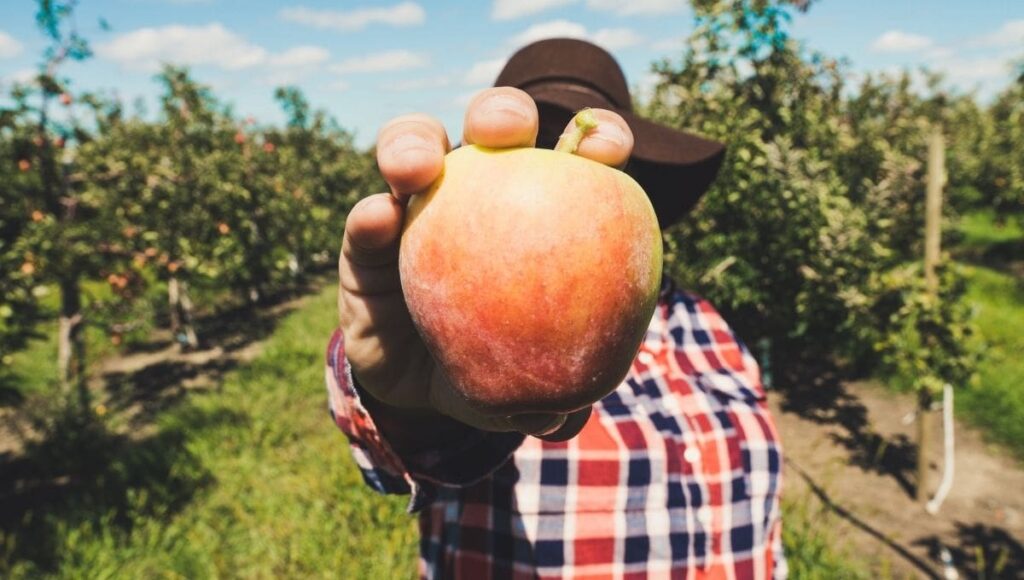
This way, you will lessen the carbon footprint associated with both transportation and distribution. Homegrown fruits, vegetables, and herbs don’t need any packaging whatsoever, compared to store-bought produce that comes wrapped in plastic and ends up in landfills, polluting the environment.
This process allows you more control over the production, so you can choose sustainable gardening practices: composting, mulching, and water conservation to minimize waste. It also protects soil health, so it can retain water better, support plant growth, and lastly, sequester carbon.
Reduce Packaging Waste
Lessening packaging waste is an effective way to protect the environment. When shopping, select products with minimal packaging or that are packed in easily recyclable or biodegradable materials. For example, avoid buying apples wrapped in plastic foil; rather, buy them unpackaged.
Also, buying items in bulk reduces the amount of packaging, so go for larger packaging of grains, nuts, or dried fruits. Don’t forget to take your own reusable containers to refill products like those in stores. For instance, it is clever to opt for fresh milk stations (if you have them in your area) so you can bring the glass bottles.
This will give you the maximum taste and the minimum waste! Reusable shopping bags are maybe trivial to mention, but ditching plastic bags truly makes a difference. One bag can take hundreds years to decompose and pose risks to wildlife and ecosystems.
Spoiled and stale food makes amazing compost! This considers organic waste, though, like fruit, vegetable, egg shells, or coffee grounds. These eating habits are simple to change but still make an impact!