Achieving peak performance during a workout is not just about the effort you put in at the gym; it’s also heavily influenced by what you eat before you exercise. While conventional wisdom suggests bananas, oatmeal, or a protein shake, there are other, less traditional foods that can provide significant energy boosts.

These unusual foods can enhance your performance and help you get the most out of your workout. Backed by science, here are seven unconventional pre-workout foods that can elevate your energy levels.
1. Beets: The Nitrate Powerhouse
Beets have garnered attention in the fitness community for their high nitrate content, which can significantly improve exercise performance. When ingested, nitrates are converted into nitric oxide, a compound that helps dilate blood vessels, improving blood flow and oxygen delivery to muscles.
The Science Behind Beets
A study published in the Journal of the Academy of Nutrition and Dietetics found that athletes who consumed beet juice experienced a 16% increase in stamina during intense exercise (Bailey et al., 2009). Another study in the Medicine and Science in Sports and Exercise journal concluded that beet juice supplementation led to a 2.8% improvement in time-trial performance among trained cyclists (Lansley et al., 2011).
How to Incorporate Beets
Consuming beets or beet juice about 2-3 hours before your workout can maximize their performance-enhancing effects. You can blend beets into a smoothie, drink beet juice, or roast them for a tasty pre-workout snack.
2. Spirulina: The Algae Advantage
Spirulina is a blue-green algae that packs a punch in terms of nutrition. It’s rich in protein, vitamins, minerals, and antioxidants, making it an excellent choice for boosting energy levels.
The Science Behind Spirulina
Research published in the Medicine and Science in Sports and Exercise journal demonstrated that spirulina supplementation improved exercise performance and fat oxidation in athletes (Kalafati et al., 2010). Another study in the European Journal of Applied Physiology found that spirulina reduced muscle damage and increased endurance in trained runners (Lu et al., 2006).
How to Incorporate Spirulina
You can take spirulina in tablet form, add spirulina powder to smoothies, or mix it into energy bars. Consuming it about 1-2 hours before your workout can help enhance your performance.
3. Chia Seeds: Tiny Powerhouses
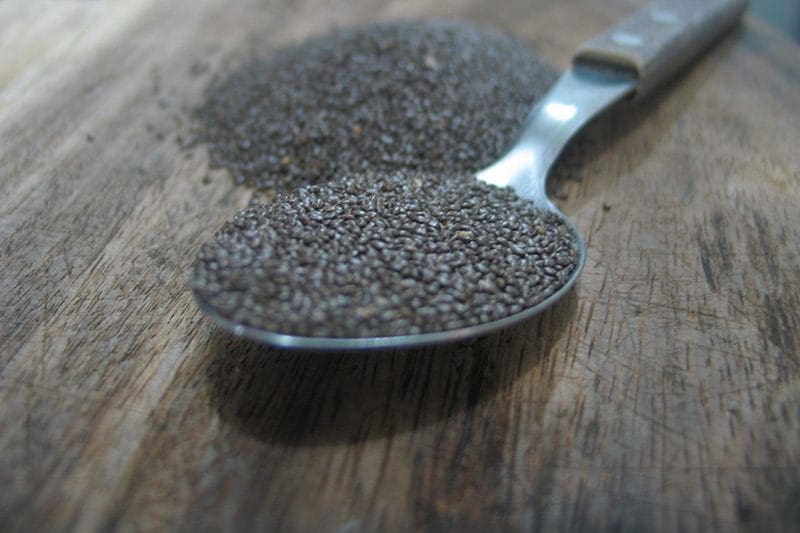
Chia seeds are tiny but mighty, packed with omega-3 fatty acids, fiber, and protein. They provide a sustained energy release, making them an ideal pre-workout food.
The Science Behind Chia Seeds
A study published in the Journal of Strength and Conditioning Research found that chia seed supplementation enhanced endurance in athletes, providing a similar energy boost as carbohydrate-loading without the high sugar content (Illian et al., 2011).
How to Incorporate Chia Seeds
Soak chia seeds in water or almond milk to create a gel-like consistency, or add them to yogurt, smoothies, or oatmeal. Consuming chia seeds about 30 minutes to an hour before your workout can provide sustained energy.
4. Sweet Potatoes: The Carbohydrate King
Sweet potatoes are rich in complex carbohydrates, fiber, and a variety of vitamins and minerals. They provide a slow, steady release of energy, making them perfect for pre-workout consumption.
The Science Behind Sweet Potatoes
Research indicates that consuming complex carbohydrates before exercise can enhance performance by providing a steady supply of glucose to muscles (Sherman et al., 1981). Sweet potatoes are particularly effective due to their low glycemic index, which ensures a slow release of energy.
How to Incorporate Sweet Potatoes
Bake or roast sweet potatoes and eat them plain or with a light topping of nut butter. Consuming sweet potatoes about 1-2 hours before your workout can help maintain energy levels throughout your exercise session.
5. Matcha: The Green Energy Booster
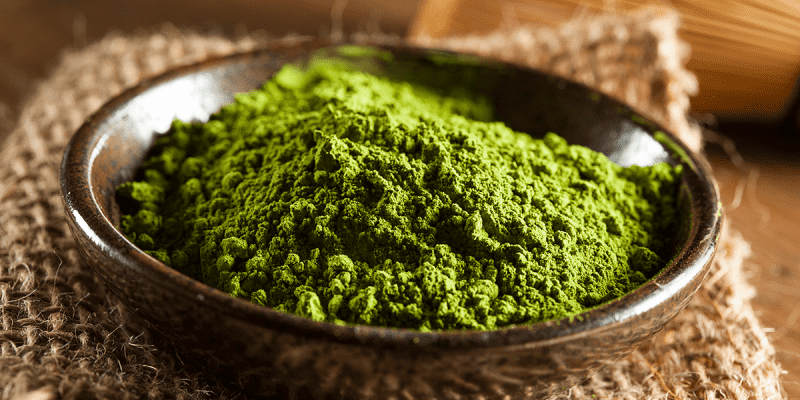
Matcha, a finely ground powder of specially grown and processed green tea leaves, is known for its high antioxidant content and natural caffeine. It provides a smooth energy boost without the jitters associated with coffee.
The Science Behind Matcha
A study in the American Journal of Clinical Nutrition found that matcha green tea increased fat oxidation during exercise and improved overall performance (Venables et al., 2008). The unique combination of caffeine and L-theanine in matcha promotes focus and endurance.
How to Incorporate Matcha
You can drink matcha as a tea or add matcha powder to smoothies, energy bars, or oatmeal. Consuming matcha about 30 minutes before your workout can help boost energy and focus.
6. Greek Yogurt with Honey: Protein and Carbs Combo
Greek yogurt is an excellent source of protein, while honey provides a quick source of carbohydrates. Together, they create a perfect pre-workout snack.
The Science Behind Greek Yogurt and Honey
A study published in the International Journal of Sport Nutrition and Exercise Metabolism found that consuming a combination of protein and carbohydrates before exercise can improve performance and recovery (Betts et al., 2006). The protein in Greek yogurt helps repair and build muscle, while the carbohydrates in honey provide immediate energy.
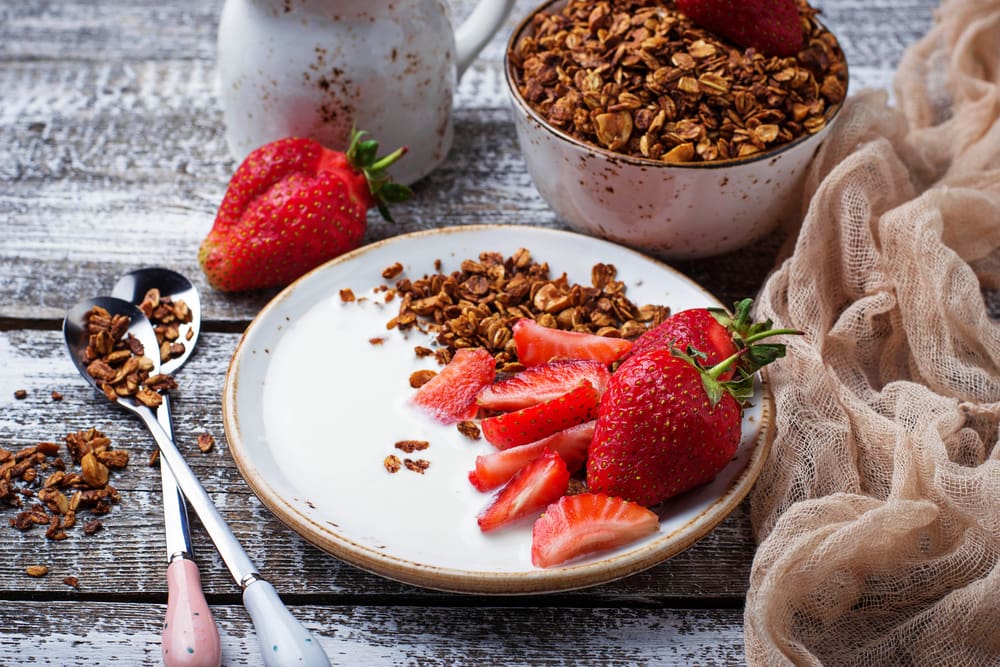
How to Incorporate Greek Yogurt and Honey
Mix a serving of Greek yogurt with a tablespoon of honey and some fresh fruit. Consuming this mixture about 1-2 hours before your workout can provide sustained energy and support muscle function.
7. Dark Chocolate: The Sweet Energy Surge
Dark chocolate, particularly varieties with 70% or higher cocoa content, can offer an energy boost thanks to its caffeine and theobromine content.
The Science Behind Dark Chocolate
A study in the Journal of the International Society of Sports Nutrition found that dark chocolate consumption improved aerobic performance by increasing nitric oxide production, similar to the effects of beets (Patel et al., 2015). Another study noted that dark chocolate could enhance overall energy levels and mood, contributing to better workout performance (Martin et al., 2013).
How to Incorporate Dark Chocolate
Enjoy a small piece of dark chocolate or add cocoa powder to a pre-workout smoothie. Consuming dark chocolate about 30 minutes before your workout can provide a quick and effective energy boost.
Key Takeaways
To help you remember the benefits of these unusual pre-workout foods, here’s a summary table:
| Food | Benefits | Optimal Timing |
|---|---|---|
| Beets | Improved blood flow and oxygen delivery to muscles, increased stamina | 2-3 hours before workout |
| Spirulina | Enhanced performance, increased endurance, reduced muscle damage | 1-2 hours before workout |
| Chia Seeds | Sustained energy release, high in omega-3 fatty acids, fiber, and protein | 30 minutes to 1 hour before workout |
| Sweet Potatoes | Slow, steady release of energy, rich in complex carbohydrates and fiber | 1-2 hours before workout |
| Matcha | Increased fat oxidation, improved focus and endurance, smooth energy boost | 30 minutes before workout |
| Greek Yogurt with Honey | Combination of protein and carbohydrates for improved performance and recovery | 1-2 hours before workout |
| Dark Chocolate | Quick energy boost, increased nitric oxide production, enhanced mood and energy levels | 30 minutes before workout |
Incorporating these unusual foods into your pre-workout routine can provide a unique edge in boosting your energy levels and enhancing overall performance. Each of these foods offers distinct benefits backed by scientific research, making them excellent additions to your diet. As with any dietary change, it’s essential to listen to your body and adjust based on your individual needs and responses.
References
Bailey, S.J., Winyard, P.G., Vanhatalo, A., Blackwell, J.R., Dimenna, F.J., Wilkerson, D.P., … & Jones, A.M., 2009. Dietary nitrate supplementation reduces the O2 cost of low-intensity exercise and enhances tolerance to high-intensity exercise in humans. Journal of Applied Physiology, 107(4), pp.1144-1155.
Lansley, K.E., Winyard, P.G., Fulford, J., Vanhatalo, A., Bailey, S.J., Blackwell, J.R., … & Jones, A.M., 2011. Dietary nitrate supplementation reduces the O2 cost of walking and running: a placebo-controlled study. Medicine and Science in Sports and Exercise, 43(2), pp.372-379.
Kalafati, M., Zafeiridis, A., Athanasiou, N., Karapas, S., Loudas, C., & Jamurtas, A.Z., 2010. Ergogenic and antioxidant effects of spirulina supplementation in humans. Medicine and Science in Sports and Exercise, 42(1), pp.142-151.
Lu, H.K., Hsieh, C.C., Hsu, J.J., Yang, Y.K., & Chou, H.N., 2006. Preventive effects of Spirulina platensis on skeletal muscle damage under exercise-induced oxidative stress. European Journal of Applied Physiology, 98(2), pp.220-226.
Illian, T.G., Casey, J.C., & Bishop, P.A., 2011. Omega 3 chia seed loading as a means of carbohydrate loading. Journal of Strength and Conditioning Research, 25(1), pp.61-65.
Sherman, W.M., Brodowicz, G., Wright, D.A., Allen, W.K., Simonsen, J., & Dernbach, A., 1981. Effects of 4 h preexercise carbohydrate feedings on cycling performance. Medicine and Science in Sports and Exercise, 13(5), pp.328-334.
Venables, M.C., Hulston, C.J., Cox, H.R., & Jeukendrup, A.E., 2008. Green tea extract ingestion, fat oxidation, and glucose tolerance in healthy humans. American Journal of Clinical Nutrition, 87(3), pp.778-784.
Betts, J.A., Stevenson, E., Williams, C., Sheppard, C., & Grey, E., 2006. The metabolic response to carbohydrate ingestion during exercise in recreational athletes. International Journal of Sport Nutrition and Exercise Metabolism, 16(5), pp.482-497.
Patel, R.K., Brouner, J., & Spendiff, O., 2015. Dark chocolate supplementation reduces the oxygen cost of moderate intensity cycling. Journal of the International Society of Sports Nutrition, 12(1), p.47.
Martin, F.P., Antille, N., Rezzi, S., Kochhar, S., & Nicholson, J.K., 2013. Dark chocolate consumption enhances urinary excretion of p-cresol sulfate and 4-cresol sulfate compared to milk chocolate in human subjects. Journal of Proteome Research, 12(12), pp.5830-5840.