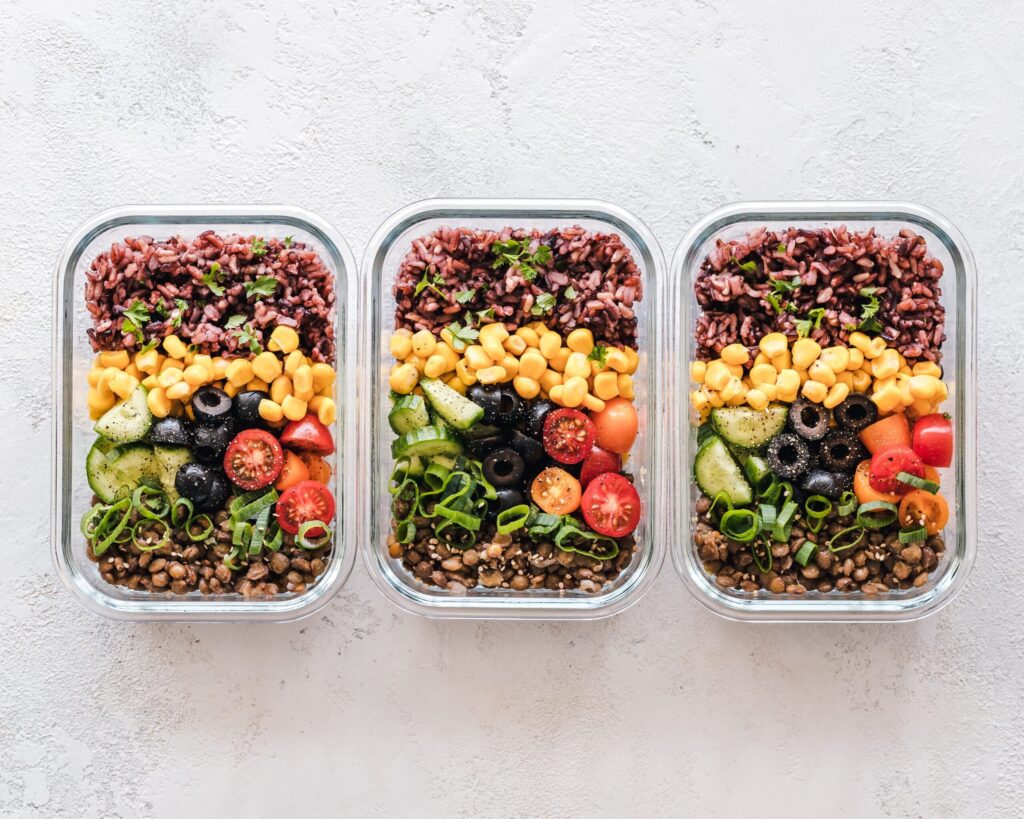
Find out what you need to eat and why.
Vitamin A
Why It’s Important
Vitamin A is essential for vision, immune function and cell growth. It plays a critical role in maintaining healthy skin, mucous membranes and reproductive health. Deficiency can lead to night blindness and a weakened immune system(Weber et al., 2002).
Best Food Sources

- Liver (beef, chicken)
- Sweet potatoes
- Carrots
- Spinach
- Eggs
- Dairy products
Vitamin B12
Why It’s Important
Vitamin B12 is crucial for nerve function, red blood cell production and DNA synthesis. A deficiency can cause anaemia, fatigue and neurological disorders(Pfeiffer et al., 2004). It is primarily found in animal products, making supplementation important for vegans.
Best Food Sources
- Meat (beef, lamb, pork)
- Fish (salmon, trout, tuna)
- Dairy products
- Eggs
- Fortified cereals
Vitamin C

Why It’s Important
Vitamin C is a powerful antioxidant that supports the immune system, collagen production and iron absorption. It reduces oxidative stress and can help lower the risk of chronic diseases(Carr and Maggini, 2017).
Best Food Sources
- Citrus fruits (oranges, lemons, grapefruit)
- Strawberries
- Bell peppers
- Kiwi
- Tomatoes
- Broccoli
Vitamin D
Why It’s Important
Vitamin D is vital for bone health, immune function and muscle strength. It helps the body absorb calcium and supports cardiovascular health. Deficiency is linked to increased risk of osteoporosis and autoimmune disorders(Pludowski et al., 2018).
Best Food Sources
- Fatty fish (salmon, mackerel, sardines)
- Egg yolks
- Fortified dairy and plant-based milk
- Mushrooms
- Beef liver
- Sunlight exposure (natural synthesis)
Vitamin E
Why It’s Important
Vitamin E is an antioxidant that protects cells from oxidative damage. It supports immune function, skin health and reduces inflammation(Traber and Atkinson, 2007).
Best Food Sources
- Nuts (almonds, hazelnuts)
- Seeds (sunflower, pumpkin)
- Vegetable oils (sunflower, safflower, olive oil)
- Spinach
- Avocado
- Whole grains
Vitamin K

Why It’s Important
Vitamin K is essential for blood clotting and bone metabolism. It helps prevent excessive bleeding and supports cardiovascular health(Curnow et al., 2002).
Best Food Sources
- Leafy greens (kale, spinach, collard greens)
- Broccoli
- Brussels sprouts
- Soybeans
- Chicken
- Fermented foods (natto, sauerkraut)
Folate (Vitamin B9)
Why It’s Important
Folate is necessary for DNA synthesis, cell division and brain function. It is especially important during pregnancy for foetal development. Deficiency can lead to anaemia and birth defects(Berry et al., 2010).
Best Food Sources
- Leafy greens (spinach, kale)
- Legumes (lentils, chickpeas, black beans)
- Avocados
- Citrus fruits
- Fortified cereals
- Eggs
Key Takeaways
| Vitamin | Benefits | Best Food Sources |
|---|---|---|
| Vitamin A | Supports vision, immunity and skin health | Liver, sweet potatoes, carrots, spinach, eggs |
| Vitamin B12 | Essential for nerve function and red blood cell production | Meat, fish, dairy, eggs, fortified cereals |
| Vitamin C | Antioxidant, boosts immune function and collagen synthesis | Citrus fruits, strawberries, bell peppers |
| Vitamin D | Supports bone health and immune function | Fatty fish, egg yolks, fortified dairy, sunlight |
| Vitamin E | Protects cells from oxidative damage, supports skin and immunity | Nuts, seeds, vegetable oils, spinach |
| Vitamin K | Essential for blood clotting and bone health | Leafy greens, broccoli, fermented foods |
| Folate (B9) | Supports DNA synthesis, brain function and pregnancy health | Leafy greens, legumes, avocados, eggs |
Bibliography
Berry, R.J., Bailey, L., Mulinare, J. and Bower, C., 2010. Fortification of flour with folic acid. Food and Nutrition Bulletin, 31(1), pp.S22-S35.
Carr, A.C. and Maggini, S., 2017. Vitamin C and immune function. Nutrients, 9(11), p.1211.
Curnow, J., Pasdar, E.A., Hastie, B. and Lu, Y., 2002. Vitamin K and its impact on blood coagulation. Thrombosis Research, 108(4), pp.205-215.
Pfeiffer, C.M., Caudill, S.P., Gunter, E.W., Osterloh, J. and Sampson, E.J., 2004. Biochemical indicators of vitamin B12 status in the US population. American Journal of Clinical Nutrition, 80(2), pp.691-699.
Pludowski, P., Holick, M.F., Pilz, S., Wagner, C.L., Hollis, B.W. and Grant, W.B., 2018. Vitamin D supplementation guidelines. Frontiers in Endocrinology, 9, p.315.
Traber, M.G. and Atkinson, J., 2007. Vitamin E, antioxidant and nothing more. Free Radical Biology and Medicine, 43(1), pp.4-15.
Weber, D., Grune, T. and Niemann, B., 2002. The role of vitamin A in cell growth and immune function. European Journal of Nutrition, 41(2), pp.58-64.