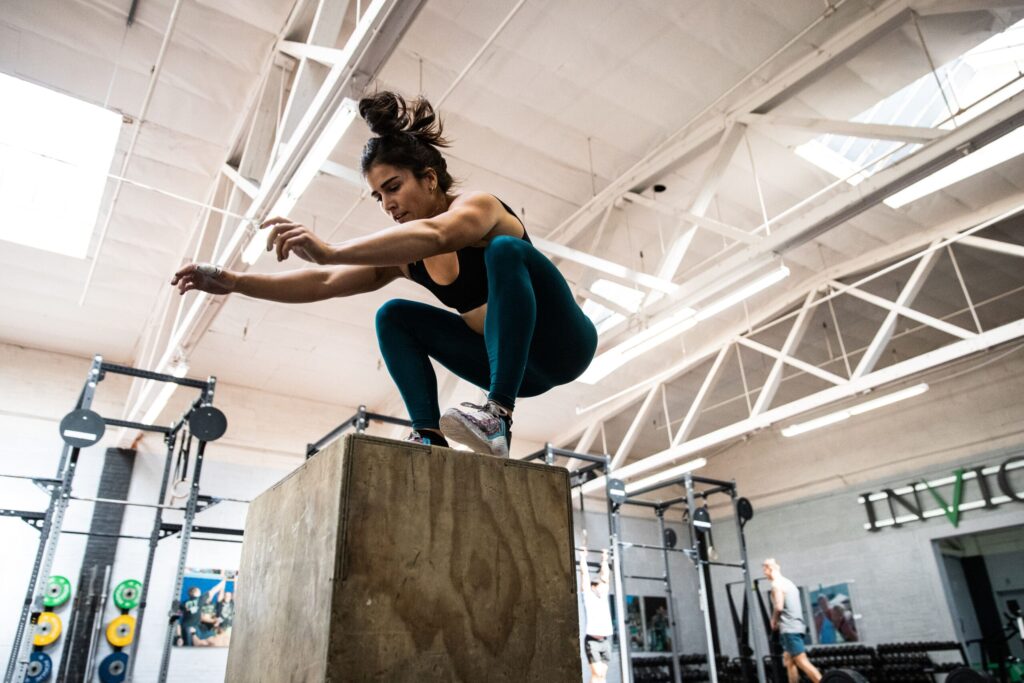
Strong, well-defined abs are one of the most sought-after fitness goals. But with so many ab exercises out there, it’s easy to waste time on movements that look impressive but offer little return. This article breaks down eight of the most effective abdominal exercises based on scientific research and biomechanical analysis, followed by four commonly performed moves that fail to deliver.
What Makes an Ab Exercise Effective?
To be effective, an ab exercise must engage the core muscles with sufficient intensity and recruit them through a full range of motion. The primary muscles of the core include the rectus abdominis, transverse abdominis, internal and external obliques, and to a lesser extent, the hip flexors and erector spinae. Electromyographic (EMG) studies, which measure muscle activation, are commonly used to assess how well an exercise stimulates the abdominal musculature.
[wpcode id=”229888″]
8 Ab Exercises That Actually Work
1. Bicycle Crunches
Bicycle crunches consistently rank among the top ab exercises in EMG studies. According to research by the American Council on Exercise (ACE), the bicycle crunch elicited the highest activation of both the rectus abdominis and the obliques compared to other common ab exercises (Andersen et al., 2001). The rotational component recruits the obliques effectively while the alternating knee movement challenges the rectus abdominis and transverse abdominis.
2. Hanging Leg Raises
Hanging leg raises are a powerful tool for targeting the lower part of the rectus abdominis. A study by Escamilla et al. (2006) demonstrated that leg raises, particularly when performed with a posterior pelvic tilt, significantly activate the lower abs and the hip flexors. To ensure abdominal emphasis, it’s critical to tilt the pelvis backward and avoid momentum.
3. Ab Wheel Rollouts
The ab wheel rollout is one of the most demanding core exercises, requiring deep engagement from the rectus abdominis and transverse abdominis. A study by Stensdotter et al. (2013) found that rollouts created high intra-abdominal pressure and activation across the entire anterior core, making them especially effective for improving core stability.
4. Cable Crunches
Cable crunches allow for progressive overload, a principle that is often ignored in core training. By adjusting the resistance, lifters can apply hypertrophy-based principles to abdominal muscles. A study by Willardson et al. (2006) supports the idea that higher resistance core exercises, such as weighted crunches, are beneficial for muscle development.
5. Reverse Crunches
Reverse crunches reduce spinal compression while heavily engaging the lower rectus abdominis. They also promote spinal flexion from the pelvis, a critical and often neglected motion. According to research by Arokoski et al. (2001), reverse crunches place significant activation on the lower abdominal region with less lumbar strain.
6. Stability Ball Crunches
The instability of the ball increases core engagement. According to studies by Vera-Garcia et al. (2000), crunches performed on a stability ball produced greater activation of the rectus abdominis and external obliques compared to traditional floor crunches. The increased range of motion due to the curvature of the ball also enhances effectiveness.
7. Dead Bug
The dead bug exercise activates the deep core muscles without putting stress on the spine. It is especially effective for targeting the transverse abdominis. According to a study by Akuthota and Nadler (2004), dead bug variations improve core stability and are recommended in rehabilitation and sports performance settings.
8. Plank with Reach
While planks are an isometric exercise, the plank with reach adds a dynamic anti-rotational challenge, increasing activation of both the obliques and transverse abdominis. Research by Ekstrom et al. (2007) demonstrates that perturbations or asymmetrical movements during a plank increase neuromuscular engagement across the core musculature.
4 Ab Exercises That Don’t Work So Well
1. Traditional Sit-Ups
Sit-ups are often performed with poor form, emphasizing the hip flexors more than the abdominal muscles. A study by Juker et al. (1998) showed that sit-ups generated high activation in the iliopsoas and minimal recruitment of the rectus abdominis beyond the initial phase. Additionally, the repetitive spinal flexion can place stress on the lumbar discs, increasing the risk of injury.
2. Standing Oblique Side Bends with Dumbbells
While these may create a burning sensation, they are largely ineffective at stimulating the obliques in a meaningful way. EMG studies indicate low activation of core muscles during this movement (Escamilla et al., 2006). They also tend to involve lateral flexion primarily through the quadratus lumborum and spinal erectors, not the targeted obliques.
3. Ab Rocker Machines
Common in commercial gyms, ab rocker machines restrict range of motion and rely on momentum. A study by Porcari et al. (2001) demonstrated that these machines produced less muscle activation than bodyweight exercises like crunches and planks. Their guided movement path also reduces the necessity for core stabilization.
4. Russian Twists (with poor form or heavy weights)
Russian twists can be effective when done correctly, but many perform them with excessive weight and poor spinal alignment. A study by McGill (2007) warns against rotational spinal movements under load, which increase disc stress. Without strict form, the exercise shifts load to the spine rather than targeting the obliques or transverse abdominis.
Summary Table: Key Takeaways
| Exercise | Effective? | Target Muscles | Notes |
|---|---|---|---|
| Bicycle Crunches | Yes | Rectus Abdominis, Obliques | High EMG activation, rotational component |
| Hanging Leg Raises | Yes | Lower Abs, Hip Flexors | Focus on pelvic tilt for ab emphasis |
| Ab Wheel Rollouts | Yes | Full Core | Advanced, high tension throughout the anterior core |
| Cable Crunches | Yes | Rectus Abdominis | Allows for progressive overload |
| Reverse Crunches | Yes | Lower Rectus Abdominis | Safer spinal flexion |
| Stability Ball Crunches | Yes | Rectus Abdominis, Obliques | Greater ROM and activation due to instability |
| Dead Bug | Yes | Transverse Abdominis | Safe and effective for core control |
| Plank with Reach | Yes | Obliques, Transverse Abdominis | Anti-rotational and stabilizing benefits |
| Traditional Sit-Ups | No | Iliopsoas (more than abs) | Inefficient and potentially harmful |
| Standing Oblique Side Bends | No | Quadratus Lumborum (not Obliques) | Low ab activation |
| Ab Rocker Machines | No | Minimal Abdominal Engagement | Limited ROM, relies on momentum |
| Russian Twists (poorly performed) | No | Spine Under Load | Form-dependent, high risk when loaded |
References
Akuthota, V., & Nadler, S. F. (2004). Core strengthening. Archives of physical medicine and rehabilitation, 85(3), S86-S92.
Andersen, C. H., et al. (2001). The effectiveness of various abdominal exercises in activating abdominal musculature. American Council on Exercise.
Arokoski, J. P. A., et al. (2001). Activation of lumbar muscles during therapeutic exercises in chronic low back pain. Archives of physical medicine and rehabilitation, 82(7), 876-882.
Ekstrom, R. A., Donatelli, R. A., & Carp, K. C. (2007). Electromyographic analysis of core trunk, hip, and thigh muscles during 9 rehabilitation exercises. Journal of Orthopaedic & Sports Physical Therapy, 37(12), 754-762.
Escamilla, R. F., et al. (2006). An electromyographic analysis of sumo and conventional style deadlifts. Medicine and science in sports and exercise, 34(4), 682-688.
Juker, D., McGill, S. M., Kropf, P., & Steffen, T. (1998). Quantitative intramuscular myoelectric activity of lumbar portions of psoas and the abdominal wall during a wide variety of tasks. Medicine and Science in Sports and Exercise, 30(2), 301-310.
McGill, S. M. (2007). Low back disorders: evidence-based prevention and rehabilitation. Human Kinetics.
Porcari, J. P., et al. (2001). Ab exercise machines: are they effective? Journal of Exercise Physiology, 4(4), 7-11.
Stensdotter, A. K., et al. (2013). Effect of abdominal training on intra-abdominal pressure and muscle thickness. Journal of Bodywork and Movement Therapies, 17(1), 56-62.
Vera-Garcia, F. J., Grenier, S. G., & McGill, S. M. (2000). Abdominal muscle response during curl-ups on both stable and labile surfaces. Physical Therapy, 80(6), 564-569.
Willardson, J. M., Fontana, F. E., & Bressel, E. (2006). Effect of surface stability on core muscle activity for dynamic resistance exercises. International Journal of Sports Physiology and Performance, 1(3), 240-252.