Inflammation is a natural way of the body’s immune response, but when it gets chronic, it can result in various health issues, including arthritis, heart disease, and diabetes. Anti-inflammatory foods are packed with nutrients, antioxidants, and other compounds that reduce infections and support overall health.
From vibrant fruits and vegetables to hearty whole grains and lean proteins, here is a list of the best anti-inflammatory foods that reduce pain and swelling. Besides usual, fatty fish, nuts, seeds, citruses, leafy greens, berries, garlic, ginger, and turmeric, here are a few more to add to your diet!
1. Olive Oil and Olives
Several bioactive compounds in olive oil and olives have amazing anti-inflammatory properties. Oleocanthal, a phenolic compound in extra virgin olive oil, mimics the effects of ibuprofen, a common nonsteroidal anti-inflammatory drug. Oleocanthal inhibits the same inflammatory enzymes that the ibuprofen targets, reducing inflammation and pain.
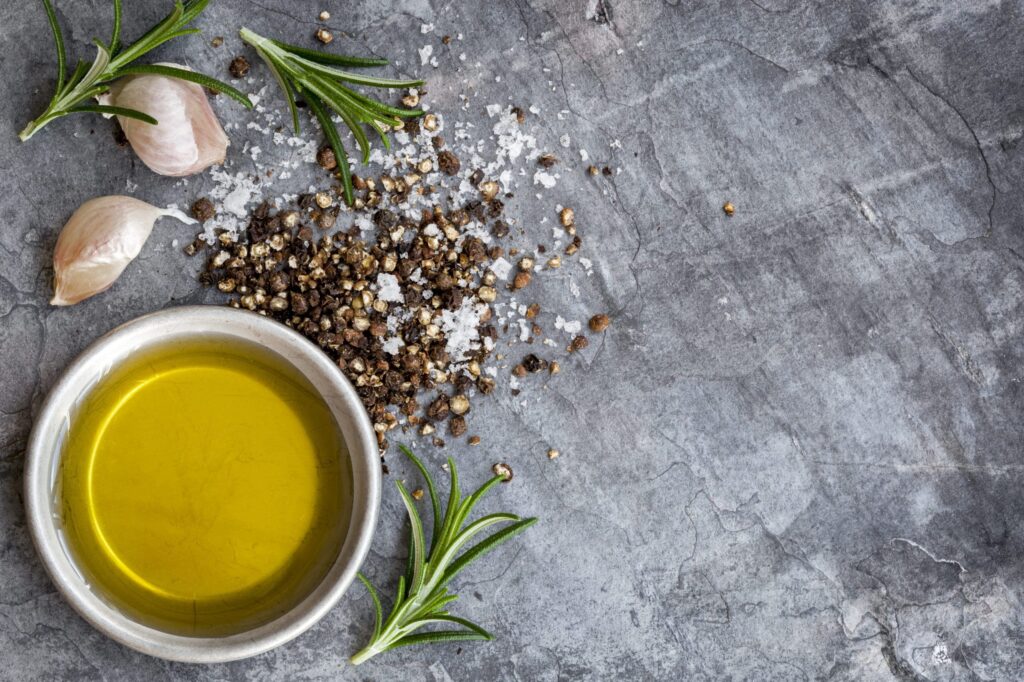
Oleuropein is the next compound found in both olives and olive leaves, and it has strong anti-inflammatory properties. It minimizes the production of inflammatory cytokines and modulates the immune response. Another powerful phenolic composite in olives and olive oil, hydroxytyrosol, is popular for its antioxidant and anti-inflammatory effects.
It neutralizes free radicals and diminishes oxidative stress, which leads to inflammation. Lastly, olive oil is packed with monounsaturated fatty acids, particularly oleic acid. These are super beneficial for heart health and lower inflammation by lowering levels of inflammatory markers, such as CRP.
In conclusion, olives and olive oil inhibit the activity of enzymes that produce inflammatory molecules and reduce overall inflammation. By neutralizing free radicals, the antioxidants in them mitigate oxidative stress plus influence the behavior of immune cells. That way, olive oil, and olives reduce the production of pro-inflammatory cytokines, promoting a healthy environment.
Incorporating 1-2 tablespoons of high-quality extra virgin olive oil provides substantial anti-inflammatory benefits. You can use it in salads, dressings, cooking, or even taken directly.
2. Avocados
Similar to olive oil, avocados are rich in oleic acid, a type of monounsaturated fatty acid that reduces inflammation. They are also abundant in phytosterols, plant-based compounds that lower inflammation. Notable ones include beta-sitosterol, campesterol, and stigmasterol.
Avocados contain several carotenoids, as well, including lutein and zeaxanthin – famous for their antioxidant properties that soothe inflammation by neutralizing free radicals. Plyhydroxylated fatty alcohols are rare compounds present in avocados with strong anti-inflammatory effects, particularly in reducing skin inflammation.
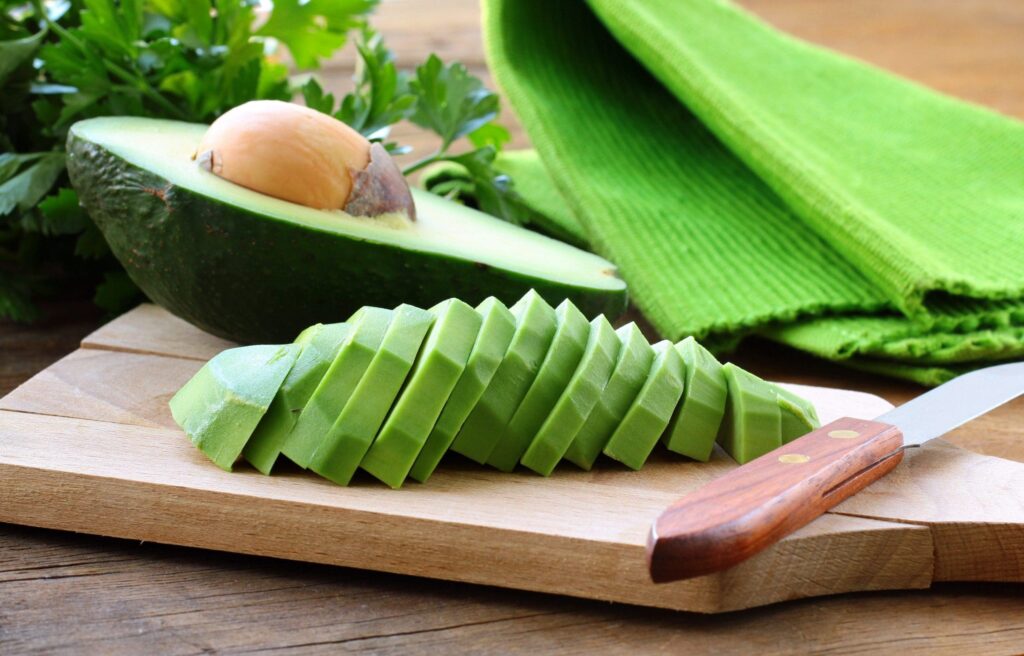
They are a good source of vitamin E, an antioxidant that shields cells from oxidative stress. The fiber in avocados supports gut health by promoting a healthy microbiome that regulates inflammation in the gut and throughout the body.
Regular consumption of avocados goes hand in hand with lower levels of inflammatory markers such as C-reactive protein (CRP) and interleukin-6.
Incorporate fresh avocados into your diet by adding them to salads, smoothies, spread on toast, but note that even though they are healthy, they are also calorie dense. ⅓ to whole avocado is enough to get all the benefits. Also, avocado oil is good choice for dressings and cooking.
3. Mushrooms
Simple, yet effective, mushrooms are amazing ingredient to boost overall well-being. They contain beta-glucans – complex sugars that enhance the immune response, modulate inflammation, and support immune health. They are abundant in phenolic compounds, that have strong antioxidant and anti-inflammatory properties.
Ergothioneine is an antioxidant that protects cells from oxidative damage and inflammation. You will find it in high concentrations in mushrooms, particularly in varieties like shiitake and oyster mushrooms. Reishi mushrooms are known for their immune-modulating and anti-inflammatory perks, so they are actually part of traditional medicine.

Shiitake, Lion’s Mane, Oyster, and Maitake mushrooms are the best immune-boosting and anti-inflammatory kinds to add to your diet.
4. Pineapple
Pineapple is well-known for its anti-inflammatory properties, primarily owing to the presence of a unique enzyme – bromelain. You can find this proteolytic enzyme in the stem and juice of fresh pineapples – a primary contributor to the fruit’s anti-inflammatory properties. Bromelain inhibits the assembly of pro-inflammatory cytokines and mediators, such as prostaglandins and thromboxanes, which play a role in the inflammatory response.
Bromelain also has fibrinolytic properties, meaning it breaks down fibrin—a protein involved in blood clotting and inflammation. This can reduce swelling and improve blood circulation, boosting metabolism. Bromelain influences the immune system by intensifying the activity of certain immune cells and promoting the production of anti-inflammatory cytokines.
It assists in digestion by breaking down proteins, reducing inflammation in gastrointestinal tract, and alleviating symptoms of digestive disorders. Bromelain’s anti-inflammatory and analgesic properties reduce pain and swelling linked with arthritis and other joint disorders. Because of its mucolytic traits, bromelain breaks down and expels mucus.
This is amazing for individuals with sinusitis, bronchitis, or asthma, reducing inflammation and congestion in the respiratory tract. Besides, it promotes tissue repair and reduces bruising and swelling by reducing inflammation. Consuming fresh pineapple ensures you get the all the benefits, as the highest concentration of bromelain is in its core.
Just note that bromelain is heat-sensitive, so cooking pineapple will reduce its anti-inflammatory benefits, so for maximum effect, consume it raw. Pineapple is also rich in vitamin C, a potent antioxidant that reduces inflammation by neutralizing free radicals. Next is manganese, a mineral that supports antioxidant defense, further aiding in the soothing of inflammations.
5. Beets
Beets are abundant in betalains – pigments responsible for their deep red color. Specifically, beets contain betanin and vulgaxanthin, pigments with strong anti-inflammatory and antioxidant properties. They inhibit enzymes that trigger infections and reduce inflammation.

Because of high levels of dietary nitrates in beets, the body gets the chance to convert them to nitric oxide. This compound helps dilate blood vessels, improving blood flow and reducing inflammation by influencing the response. Beets also contain polyphenols which contribute to beets’ anti-inflammatory effects.
Besides reducing inflammation in gastrointestinal tract, lowering the risk of heart disease, and relieving joint infllammation and pain, beets actually improve blood flow. This means they enhance congnitive function and diminish inflammation in brain.
You can consume them raw, roasted, boiled, or juiced, so add them to salads, soups, smoothies, or as a side dish. Beet juice is a concentrated way to gain its anti-inflammatory benefits, but keep in mind that it has a high natural sugar content.
6. Quinoa
Quinoa has a rich nutrient profile and many bioactive compounds, so it offers several anti-inflammatory benefits. It contains various polyphenols – quercetin and kaempferol, which both have strong antioxidant and anti-inflammatory properties. They block inflammatory pathways and modulate their response.
Saponins are part of outer coating of quinoa and have anti-inflammatory effects. It is also packed with vitamins and minerals: magnesium, zinc, and vitamin E which are natural inflammation soothers. They inhibit the making of pro-inflammatory cytokines and protect cells from oxidative damage.
Quinoa has positive effects on cardiovascular, digestive, joint, and metabolic health. Incorporate it in salads, soups, or stews to skyrocket fiber and protein intake.
7. Cloves
Cloves have several anti-inflammatory benefits due to their rich content of bioactive compounds. The first one is eugenol, the primary active compound in cloves, which reduces inflammation by inhibiting the production of pro-inflammatory cytokines and enzymes. Blocking them lowers the creation of prostaglandins – lipid amalgam that play a key role in inflammation.
Eugenol also acts as an antioxidant, neutralizing free radicals and minimizing oxidative stress. Cloves are also abundant in flavonoids, especially kaempferol and rhamnetin. They modulate signaling pathways involved in the immune response and block pro-inflammatory enzymes and cytokines, thereby reducing inflammation.
There are phenolic acids in cloves, as well. They scavenge free radicals, reduce oxidative damage and subsequent inflammation, and modulate various inflammatory mediators’ activity.
Cloves are well-known for reducing joint inflammation and pain associated with arthritis. The eugenol mentioned above has properties similar to those in anti-inflammatory drugs, providing natural pain relief. Cloves can also alleviate symptoms of respiratory conditions like asthma and bronchitis, reducing airway inflammation and improving breathing.

They soothe digestive tract inflammation, helping conditions like gastritis and ulcerative colitis, including common troubles like bloating and gas. Use cloves as a spice in cooking, teas, or even in supplements. Also, you can apply clove oil to reduce localized inflammation and pain, but you must dilute it.
8. Seaweed
Surprisingly or not, seaweed offers numerous anti-inflammatory benefits because of its rich array of bioactive compounds. It contains different polysaccharides – fucoidan, alginate, and carrageenan with notable anti-inflammatory effects.
Fucoidan, a sulfated polysaccharide, found in brown seaweeds like kombu and wakame inhibit the production of pro-inflammatory cytokines and enzymes, reducing inflammation. Another component in brown seaweed is alginate that protect the gut lining and reduce gastrointestinal inflammation.
It is also rich in polyphenolic compounds, particularly pholorotannins, that are potent antioxidants and anti-inflammators. They inhibit inflammatory pathways and reduce oxidative stress. Besides, seaweed is a source of omega-3 fatty acid that lessen inflammation.
It reduces vascular inflammation, improves heart health, plus soothes joint inflammation and pain. Seaweed helps gastrointestinal trackt and skin inflammation, aiding conditions like eczema and psoriasis. Lastly, it improves insulin sensitivity and reduces inflammation connected with metabolic syndrome and type 2 diabetes.
You can consume seaweed in various forms – fresh, dried, powdered, or as supplements.