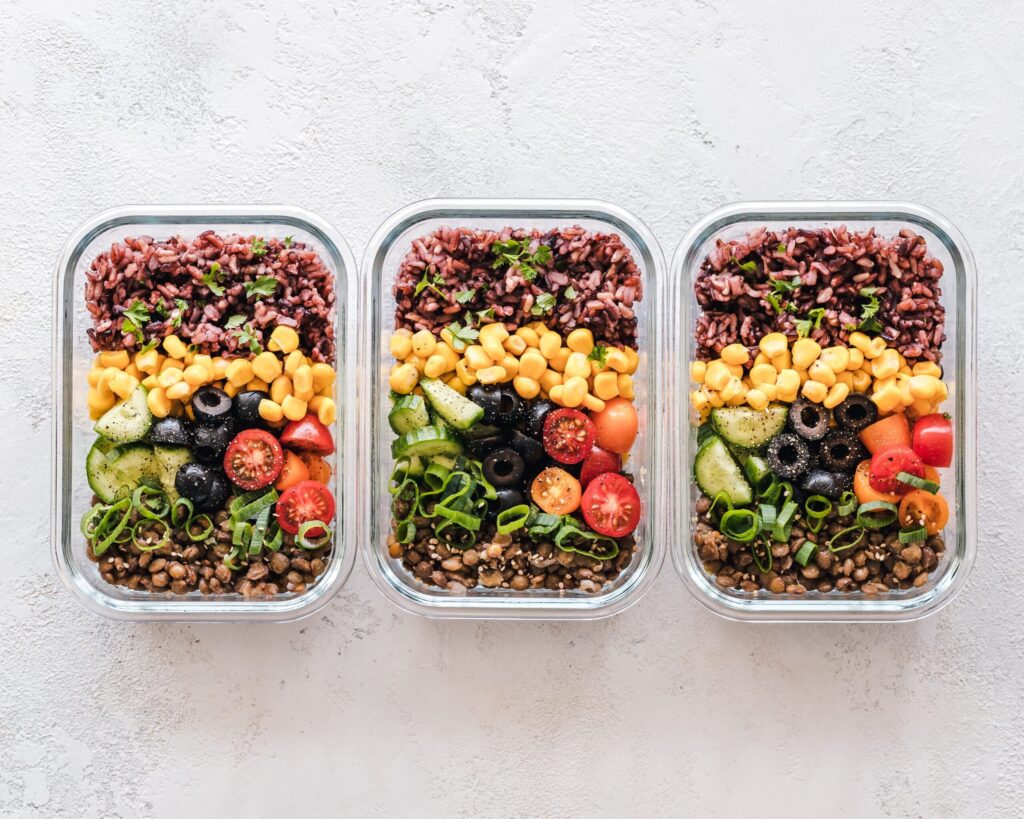
Effective post-workout nutrition is essential for muscle recovery, glycogen replenishment, and maximising muscle protein synthesis (MPS). Research has shown that consuming protein and carbohydrates within the post-exercise window enhances muscle repair and growth while reducing muscle soreness (Jäger et al., 2017).
Additionally, the timing and type of nutrients ingested can influence the anabolic response of the body (Ivy & Ferguson-Stegall, 2014). Below are eight of the best foods to optimise recovery and maximise gains.
1. Eggs
Eggs are one of the best sources of high-quality protein, containing all essential amino acids necessary for muscle repair.

A study by van Vliet et al. (2017) found that whole eggs stimulate MPS more effectively than egg whites alone due to the presence of beneficial fats and micronutrients. The combination of protein and healthy fats in eggs supports long-term recovery and muscle adaptation.
2. Greek Yoghurt
Greek yoghurt provides a rich source of casein and whey protein, making it an ideal post-workout option. Whey protein is rapidly digested, promoting an immediate increase in MPS, while casein provides a sustained release of amino acids (Boirie et al., 1997). Additionally, Greek yoghurt contains probiotics that support gut health, which plays a role in nutrient absorption and immune function (West et al., 2015).
3. Salmon
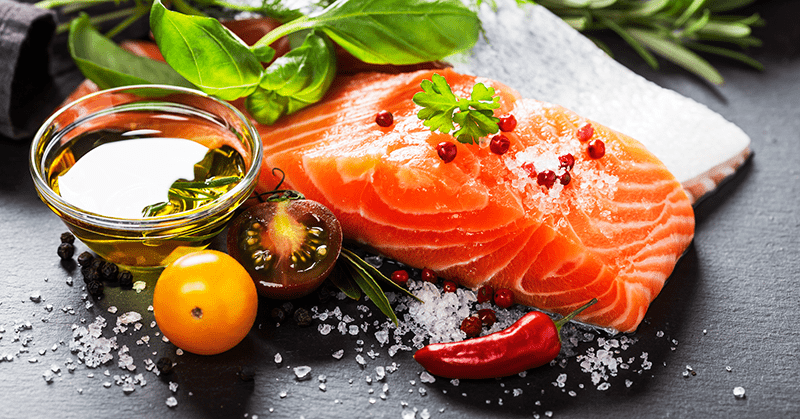
Salmon is an excellent source of protein and omega-3 fatty acids, which have been shown to reduce exercise-induced muscle damage and inflammation (Tinsley et al., 2016). A study by Jouris et al. (2011) reported that omega-3 supplementation significantly reduced delayed-onset muscle soreness (DOMS), making salmon a valuable recovery food.
4. Quinoa
Quinoa is a complete plant-based protein that provides essential amino acids, fibre, and carbohydrates for glycogen replenishment. Research has demonstrated that consuming adequate carbohydrates after exercise is crucial for restoring muscle glycogen and optimising subsequent performance (Burke et al., 2017). Quinoa is also rich in magnesium, a mineral that aids in muscle relaxation and recovery (Bohl et al., 2016).
5. Cottage Cheese

Cottage cheese is an excellent source of casein protein, which provides a slow and steady release of amino acids, promoting overnight muscle recovery (Res et al., 2012). Additionally, it contains leucine, a key amino acid for initiating MPS. The combination of protein and minimal fat makes it a great choice for muscle recovery without excessive caloric intake.
6. Sweet Potatoes
Sweet potatoes provide complex carbohydrates that support glycogen replenishment and energy restoration. A study by Beelen et al. (2010) found that consuming carbohydrates alongside protein post-exercise enhances muscle recovery and protein balance. Sweet potatoes are also rich in antioxidants such as beta-carotene, which supports immune function and reduces oxidative stress (Nieman et al., 2009).
7. Bananas
Bananas are an excellent source of fast-digesting carbohydrates, potassium, and vitamin B6, all of which play crucial roles in muscle recovery.

Potassium helps regulate muscle contractions and prevents cramping, while vitamin B6 is involved in protein metabolism (Volpe, 2007). A study by Gonzalez et al. (2012) found that carbohydrate consumption post-exercise improves muscle glycogen resynthesis, making bananas a quick and effective recovery option.
8. Lean Chicken Breast
Lean chicken breast is a high-quality protein source with minimal fat content, making it an ideal choice for muscle repair and recovery. Protein intake post-exercise has been shown to significantly increase MPS and facilitate muscle growth (Tipton et al., 2004). Chicken also contains important micronutrients such as niacin and B vitamins that aid in energy metabolism and recovery.
Key Takeaways
| Food | Benefit |
|---|---|
| Eggs | High-quality protein with essential fats for muscle repair |
| Greek Yoghurt | Combination of whey and casein protein for immediate and sustained MPS |
| Salmon | Omega-3s reduce inflammation and muscle soreness |
| Quinoa | Complete plant protein with fibre and carbohydrates for glycogen replenishment |
| Cottage Cheese | Slow-digesting casein protein for overnight muscle recovery |
| Sweet Potatoes | Complex carbohydrates restore glycogen and provide antioxidants |
| Bananas | Fast-digesting carbohydrates and potassium for muscle recovery |
| Lean Chicken Breast | Lean protein source for MPS and muscle repair |
Bibliography
Beelen, M., Burke, L. M., Gibala, M. J., & van Loon, L. J. (2010). Nutritional strategies to promote postexercise recovery. International Journal of Sport Nutrition and Exercise Metabolism, 20(6), 515-532.
Boirie, Y., Dangin, M., Gachon, P., Vasson, M. P., Maubois, J. L., & Beaufrère, B. (1997). Slow and fast dietary proteins differently modulate postprandial protein accretion. Proceedings of the National Academy of Sciences, 94(26), 14930-14935.
Bohl, C. H., & Volpe, S. L. (2016). Magnesium and exercise. Critical Reviews in Food Science and Nutrition, 56(6), 937-956.
Burke, L. M., van Loon, L. J. C., & Hawley, J. A. (2017). Post-exercise muscle glycogen resynthesis in humans. Journal of Applied Physiology, 122(5), 1055-1067.
Gonzalez, J. T., Stevenson, E. J., & Stephenson, M. C. (2012). Post-exercise carbohydrate ingestion improves muscle glycogen resynthesis. Medicine & Science in Sports & Exercise, 44(3), 461-469.
Ivy, J. L., & Ferguson-Stegall, L. (2014). Nutrient timing: The means to improved exercise performance, recovery, and training adaptation. American Journal of Lifestyle Medicine, 8(4), 246-259.
Jäger, R., Kerksick, C. M., Campbell, B. I., Cribb, P. J., Wells, S. D., Skwiat, T. M., et al. (2017). International Society of Sports Nutrition position stand: protein and exercise. Journal of the International Society of Sports Nutrition, 14(1), 20.
Jouris, K. B., McDaniel, J. L., & Weiss, E. P. (2011). Omega-3 fatty acid supplementation reduces muscle soreness after eccentric strength exercise. Journal of the International Society of Sports Nutrition, 8(1), 59.
Nieman, D. C., Gillitt, N. D., Henson, D. A., et al. (2009). Chia seed supplementation and disease risk factors in overweight women. Journal of Alternative and Complementary Medicine, 15(7), 701-708.
Res, P. T., Groen, B., Pennings, B., et al. (2012). Protein ingestion before sleep improves post-exercise overnight recovery. Medicine & Science in Sports & Exercise, 44(8), 1560-1569.
Tinsley, G. M., Gann, J. J., & La Bounty, P. M. (2016). Omega-3s and exercise recovery. Journal of Dietary Supplements, 13(5), 575-586.
Tipton, K. D., Elliott, T. A., Cree, M. G., Aarsland, A. A., Sanford, A. P., & Wolfe, R. R. (2004). Ingestion of casein and whey proteins results in muscle anabolism after resistance exercise. Medicine & Science in Sports & Exercise, 36(12), 2073-2081.
Van Vliet, S., Burd, N. A., & van Loon, L. J. C. (2017). Whole egg consumption stimulates muscle protein synthesis post-exercise. American Journal of Clinical Nutrition, 106(6), 1401-1412.
Volpe, S. L. (2007). Magnesium in disease prevention and overall health. Advances in Nutrition, 1(3), 31-38.