As flu season approaches, bolstering the immune system should be the top priority. While there are various ways to enhance immunity, one of the most effective methods is definitely through diet. Certain foods boost immunity and nourish your body more than others. Here is the list of what to eat during flu season!
1. Citrus Fruits
Oranges, lemons, limes, grapefruits, and tangerines are staple ingredients to boost immunity, particularly during flu season. The reason for that is the high content of vitamin C and many other beneficial compounds.

Vitamin C is essential for the creation and activity of white blood cells, which are key players in the body’s immune response. White blood cells assist in fighting infections by attacking and destroying pathogens and enhancing phagocytosis.
Phagocytosis is the process by which those cells swallow up and digest harmful bacteria and viruses. That way, vitamin C enhances this process by helping the body to clear out pathogens more effectively. Moreover, the vitamin skyrockets the production and effectiveness of antibodies – proteins that specifically recognize and bind foreign invaders (viruses and bacteria), marking them for destruction.
Citruses are packed with antioxidants, both vitamin C and flavonoids. They neutralize free radicals, which are responsible for causing oxidative stress. The stress damages cells and weakens the immune system, so protecting cells from damage and supporting overall immune function is prime.
Chronic inflammations weaken the body’s natural resistance and increase susceptibility to infections. Vitamin C lowers the levels of pro-inflammatory cytokines (molecules that promote inflammation), so their reduction balances immune response. Citruses also contain folate and potassium, both essential for proper immune function.
2. Red Bell Peppers
Surprisingly or not, red bell peppers actually contain more vitamin C than citruses. Again, vitamin C stimulates the production of lymphocytes and phagocytes that protect the body against harmful invaders. Besides these above-mentioned molecules, peppers are also high in beta-carotene.
The body converts beta-carotene into vitamin A, which is a big deal in immune response. The vitamin is vital for the health and function of mucosa – the lining of the respiratory and gastrointestinal tracts that act as barriers against infection. What’s more, it supports the production and function of white blood cells intensifying the body’s ability to fight infections.
Compounds in red bell peppers lower the levels of pro-inflammatory cytokines, aiding in the regulation and balance of the immune response. Vitamin E and B6 are also present in the pepper, plus they act as powerful antioxidants that protect cells from damage and boost immunity. Eat them fresh, roasted, grilled, or in dips, stir-fries, sauces, soups, and stews.
3. Broccoli
Broccoli is a powerhouse vegetable containing antioxidants: vitamins C, E, and K, and phytonutrients: flavonoids and carotenoids. Like citruses and red bell peppers, vitamin C from broccoli boosts the production of white blood cells and antibodies, plus neutralizes free radicals.
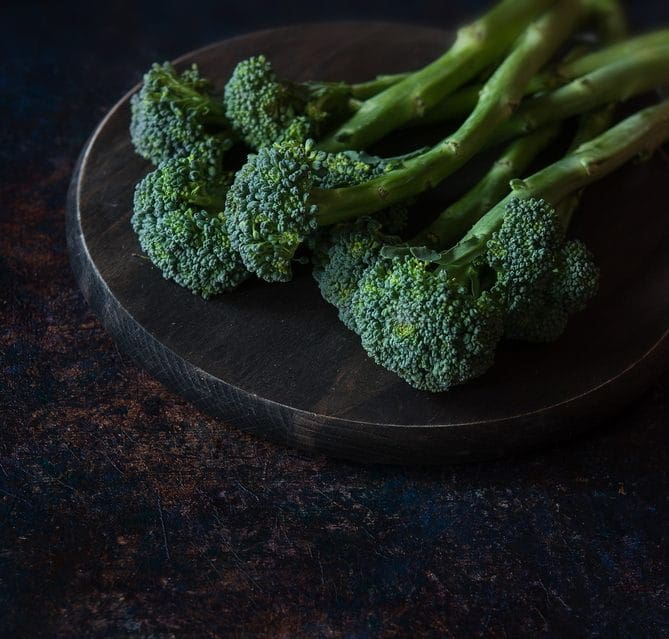
The precursor to vitamin A, beta-carotene, is an important part of immune health, as the vitamin keeps the health and integrity of mucosal surfaces intact. On the other note, broccoli is rich in sulforaphane, which activates antioxidant enzymes in the body. It enhances the body’s ability to combat oxidative stress and helps the immune system by regulating inflammatory pathways.
Fiber promotes gut health and influences microbiota, which performs a critical role in immune function, as beneficial bacteria from a healthy microbiome neutralize pathogens. Iron is also important because it is responsible for the transition of oxygen throughout the body supporting overall health and immunity.
Eating broccoli, both fresh or thermally processed, is a good idea. Just note that light cooking is required to preserve all the nutrients. Incorporate it into salads, soups, stir-fries, casseroles, omelets…
4. Garlic
Garlic is a holy grail of folk medicine and for a good reason! It skyrockets the immune system, especially during flu season. When you crush or chop garlic, a compound called allicin forms. Allicin is responsible for many of the health benefits of garlic.
Allicin has potent antibacterial, antiviral, and antifungal properties, which help combat infections caused by pathogens, including those responsible for the flu. It stimulates the action of certain immune cells – macrophages and lymphocytes which play a critical role in identifying and eliminating pathogens from the body.

Due to antioxidants (flavonoids and sulfur compounds) in its content, garlic protects immune cells from damage caused by free radicals. It preserves the integrity and function of immune cells plus mitigates inflammations, promoting a balanced immune response.
Garlic also contains vitamin C and selenium, which are important in immune function and antioxidant defense. Consuming raw garlic provides the highest levels of allicin; just let it sit for a few minutes to maximize its formation. While cooking garlic slightly reduces its allicin content,it still retains many beneficial compounds.
Add it to soups, stews, stir-fries, and other dishes for flavor and health perks. There are also garlic-based supplements – capsules, tablets, extracts, just choose high-quality ones.
5. Ginger
One more star of traditional medicine, ginger is a popular spice with numerous health benefits. One of these is its ability to boost immunity during flu season because it contains important bioactive compounds—gingerol, shogaol, and paradol—all of which have anti-inflammatory effects.

Chronic inflammation weakens the immune system and makes the body more open to infections. So, by soothing infections, ginger promotes a balanced immune response. Its properties alleviate symptoms of respiratory conditions, like cough and sour throat, both common during flu season.
Gingerol neutralizes free radicals and supports immune cell function, skyrocketing the body’s ability to fight off infections. Besides these, ginger possesses antimicrobial traits that obstruct infections caused by bacteria and viruses. Some studies suggest that it has antiviral effects against respiratory viruses, including those responsible for the flu.
These actions will reduce the severity and duration of flu symptoms and inhibit bacteria growth. This is important because ginger reduces the risk of bacterial infections that complicate flu indicators.
A healthy gut is a chief for a strong immune system, as a significant portion of the body’s immune cells resides in the gut. Ginger boosts digestive health by alleviating nausea and digestive discomfort. A healthy gut ensures optimal nutrient absorption, helping overall immune function.
It also contains prebiotics that encourage the growth of beneficial gut bacteria that regulate the immune system and shield the organism against pathogens. Fresh ginger is a flavorful boost you can incorporate into marinades, soups, stir-fries, and dressings. Ginger tea, supplements, and cough drops are amazing in the fight against the flu.
6. Almonds
Almonds are nutrient-dense ingredients that significantly contribute to magnifying immunity, particularly during flu season. They are one of the best sources of vitamin E, a powerful antioxidant that protects immune cells from oxidative damage by negating free radicals. Vitamin E also supports the production and activity of T cells, which are essential for identifying and destroying infected cells and pathogens.
Being rich in healthy fats, they enhance immune-boosting effects and are crucial for maintaining the integrity of cell membranes. Almonds are packed with magnesium and zinc, both involved in immune response and regulation of inflammations. Fiber from the nuts acts as prebiotics, feeding beneficial stomach bacteria and helping immune system work like a clockwork.
You can snack them raw or lightly roasted, sprinkled on salads, yogurt, oatmeal, and cereal. Also, almond butter and flour are also packed with all of these nutrients!
7. Turmeric
Turmeric’s active compound – curcumin, has potent immune-boosting properties that are super beneficial during flu season. Curcumin inhibits inflammatory pathways and reduces the production of inflammatory cytokines, stimulating a balanced immune response. It is amazing for relieving respiratory symptoms such as sore throats and congestion, which are common flu side effects.
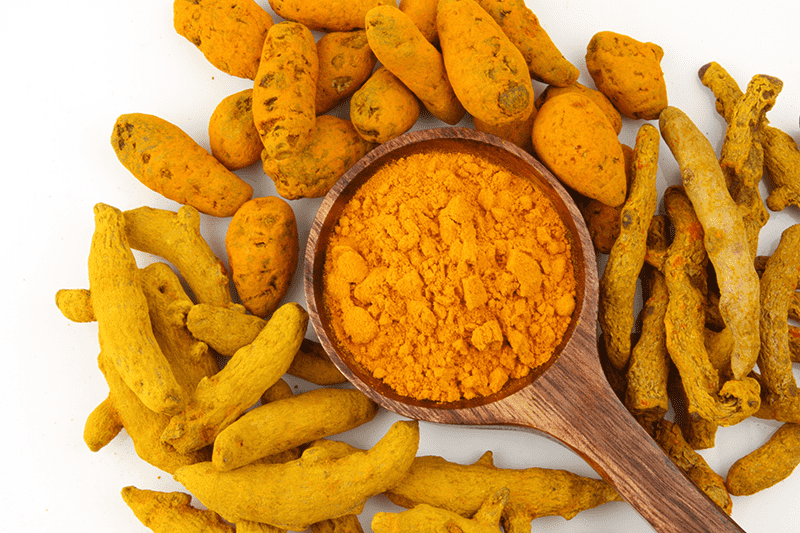
Curcumin represses the replication of certain viruses, so its antiviral activity decreases the severity and duration of viral infections like flu. It also prevents secondary bacterial and fungal infections that complicate symptoms.
Turmeric stimulates the activity of various immune cells, including macrophages, T, and B cells, which are critical for identifying and eliminating pathogens. By balancing the production of signaling molecules that regulate the immune response – cytokines, curcumin ensures an appropriate and effective immune reaction to infections.
Besides its prebiotic effects, curcumin aids in maintaining the gut barrier by preventing pathogens from entering the bloodstream and improves overall immune defense. It is important to note that black pepper enhances curcumin absorption.
Golden milk, a mixture of milk, turmeric, black pepper, and honey, and turmeric tea with ginger and lemon are two beverages that are fantastic in the fight against flu. Also, a turmeric shot with lemon, honey, ginger, and black pepper is amazing for the coughs.
8. Green Tea
Green tea is loaded with powerful antioxidants, primarily catechins, especially epigallocatechin gallate (EGCG), which is the most potent. The tea identifies and neutralizes free radicals and pathogens, as well as inhibits the replication of certain viruses. Catechins reduce the severity and duration of flu symptoms and inhibit the growth of certain bacteria.

They support gut health by promoting beneficial gut bacteria and maintaining gut barrier function. This means green tea prevents pathogens from entering the bloodstream and regulates immune response.
Drinking 2-3 cups of the tea daily maximizes immune-boosting perks. It is important to use hot, not boiling water, to brew green tea for a few minutes to preserve its benefits. To enhance the nutrition, add lemon or honey, as all of them have immunity properties.