Developing defined, functional abs requires more than intense training—it depends on optimal recovery. Post-workout meals play a pivotal role in replenishing glycogen, repairing muscle fibers, and reducing inflammation, all of which directly affect abdominal muscle growth and definition.
Scientific research underscores the importance of nutrient timing, macronutrient balance, and food quality in enhancing muscle protein synthesis (MPS) and minimizing muscle soreness. This article details eight science-supported post-workout meals that optimize ab recovery and performance.
The Science of Ab Recovery
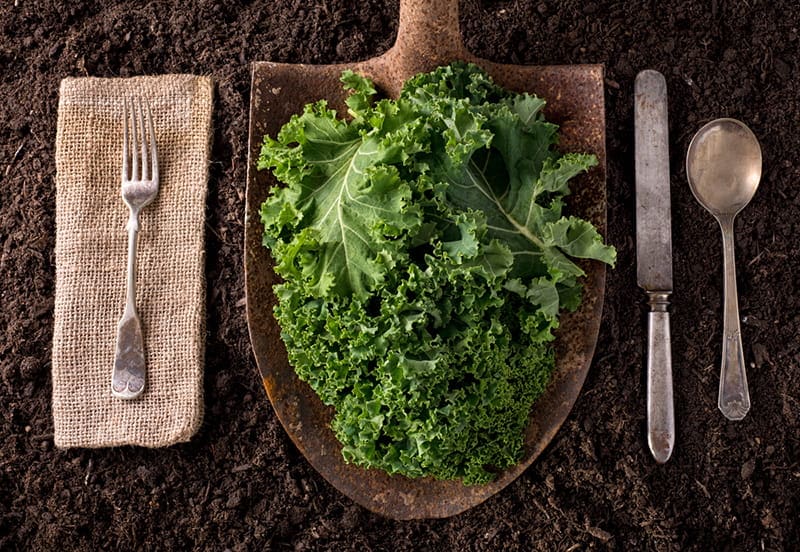
Muscle Damage and Repair
During ab-focused exercises such as crunches, hanging leg raises, and planks, microtears form within muscle fibers. This mechanical damage triggers inflammation and a cascade of cellular signaling—most notably involving mTOR (mechanistic target of rapamycin)—which regulates protein synthesis for repair and growth. Amino acids, especially leucine, are critical in this process as they activate mTOR signaling (Kimball & Jefferson, 2006). Without adequate protein intake post-exercise, muscle repair and adaptation are compromised.
Glycogen Replenishment
Core training depletes glycogen, the stored form of glucose within muscles. Glycogen resynthesis occurs most rapidly in the 30–60 minutes post-exercise when insulin sensitivity is heightened (Ivy, 2004). Pairing carbohydrates with protein further accelerates glycogen restoration due to insulin-mediated uptake of glucose and amino acids into muscle cells (Zawadzki et al., 1992).
Hormonal and Inflammatory Considerations
Post-exercise nutrition influences cortisol levels and inflammation. Chronic cortisol elevation can impair abdominal definition by promoting visceral fat storage. Anti-inflammatory compounds such as omega-3 fatty acids and polyphenols can reduce muscle soreness and aid tissue recovery (Tinsley et al., 2019).
With this physiological foundation established, the following meals are designed to optimize post-ab workout recovery using scientifically supported nutrient strategies.
1. Grilled Salmon with Quinoa and Spinach
Why It Works
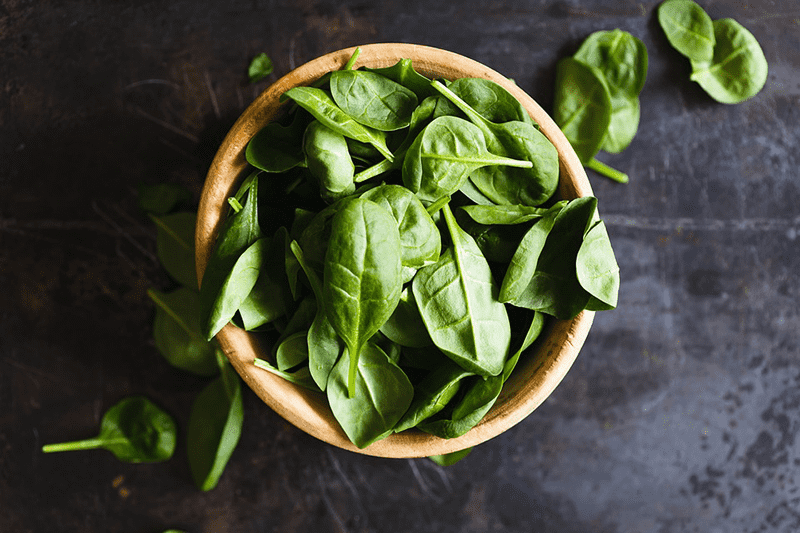
Salmon is a superior source of high-quality protein and omega-3 fatty acids (EPA and DHA), which have been shown to reduce exercise-induced muscle damage and inflammation (Tinsley et al., 2019). Quinoa provides complex carbohydrates and all nine essential amino acids, supporting glycogen replenishment and muscle protein synthesis. Spinach adds magnesium, an essential mineral involved in energy metabolism and muscle contraction recovery.
Nutritional Composition (Approximate)
- Protein: 35 g
- Carbohydrates: 45 g
- Fat: 18 g
Scientific Basis
Omega-3s enhance muscle cell membrane fluidity and facilitate anabolic signaling pathways (Smith et al., 2011). Combining these fats with complete proteins and complex carbs promotes both muscle repair and sustained energy.
2. Greek Yogurt with Blueberries and Honey
Why It Works
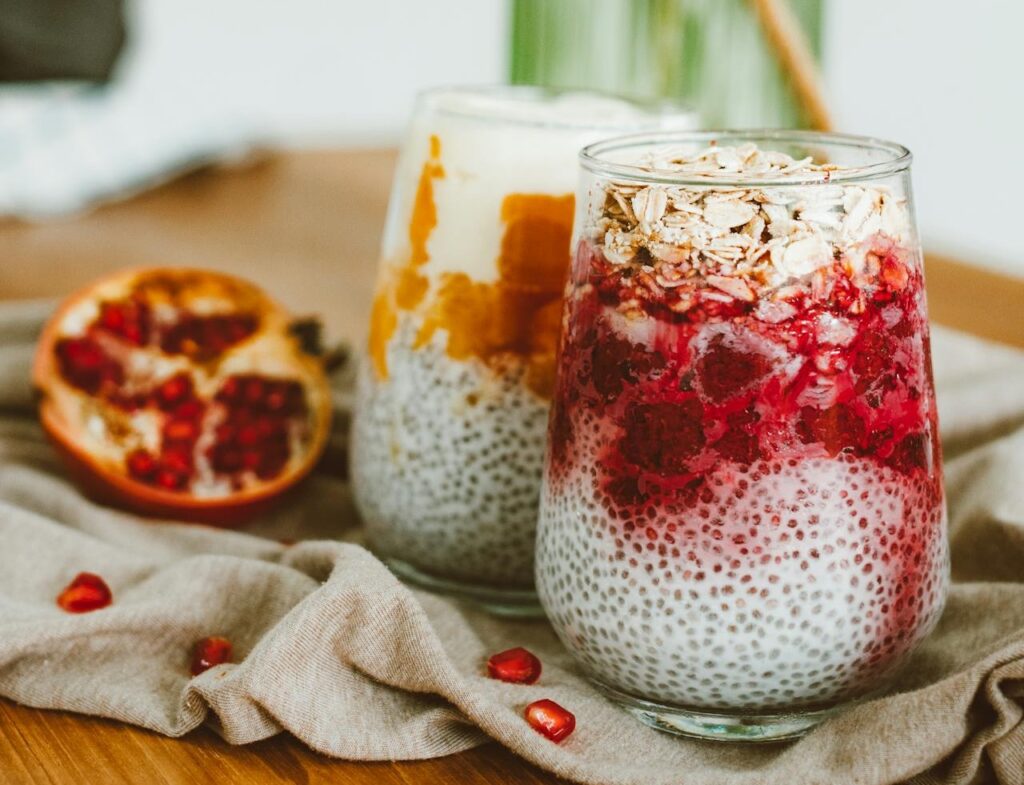
This combination delivers fast-digesting protein and carbohydrates, ideal within the immediate post-workout window. Greek yogurt offers casein and whey, providing both rapid and sustained amino acid release. Blueberries supply anthocyanins—polyphenolic compounds that reduce oxidative stress—while honey provides glucose for quick glycogen restoration.
Nutritional Composition (Approximate)
- Protein: 28 g
- Carbohydrates: 35 g
- Fat: 3 g
Scientific Basis
Research from McLeay et al. (2012) found that polyphenol-rich foods like blueberries reduce delayed onset muscle soreness (DOMS) by attenuating oxidative stress. Casein’s slower digestion supports prolonged muscle recovery during subsequent hours (Boirie et al., 1997).
3. Egg Omelet with Sweet Potatoes and Avocado
Why It Works
Eggs are a benchmark protein source with a complete amino acid profile and high bioavailability. Sweet potatoes provide low-glycemic carbohydrates that gradually restore glycogen without spiking insulin excessively. Avocado contributes monounsaturated fats and potassium to support nerve and muscle function.
Nutritional Composition (Approximate)
- Protein: 30 g
- Carbohydrates: 40 g
- Fat: 20 g
Scientific Basis
Post-exercise consumption of whole eggs enhances MPS more effectively than consuming egg whites alone due to synergistic nutrient interactions (van Vliet et al., 2017). Beta-carotene and antioxidants from sweet potatoes help mitigate oxidative muscle stress.
4. Chicken Breast with Brown Rice and Broccoli

Why It Works
This classic combination remains foundational in sports nutrition. Chicken provides lean protein rich in branched-chain amino acids (BCAAs), crucial for activating mTOR and reducing muscle breakdown. Brown rice delivers complex carbs for glycogen restoration, while broccoli supplies vitamin C and sulforaphane—antioxidants that support recovery.
Nutritional Composition (Approximate)
- Protein: 40 g
- Carbohydrates: 45 g
- Fat: 5 g
Scientific Basis
Amino acid availability immediately post-training significantly increases MPS, with leucine being the key trigger (Norton & Layman, 2006). The phytonutrients in broccoli enhance glutathione activity, the body’s master antioxidant, thereby improving cellular recovery.
5. Whey Protein Shake with Banana and Peanut Butter
Why It Works
Whey protein is rapidly digested, supplying a high concentration of essential amino acids, particularly leucine. The banana’s simple carbohydrates quickly replenish glycogen, while peanut butter provides healthy fats and a small dose of protein, creating a balanced macronutrient profile.
Nutritional Composition (Approximate)
- Protein: 35 g
- Carbohydrates: 40 g
- Fat: 10 g
Scientific Basis
Whey’s fast absorption and leucine content make it the most effective protein for stimulating MPS immediately after resistance exercise (Tang et al., 2009). The carbohydrate-protein ratio of 3:1 to 4:1 is ideal for glycogen synthesis and muscle repair (Ivy, 2004).
6. Tofu Stir-Fry with Brown Rice and Mixed Vegetables
Why It Works
For plant-based athletes, tofu provides a complete plant protein source rich in isoflavones that may aid antioxidant defense. Brown rice and mixed vegetables deliver complex carbohydrates, fiber, and micronutrients necessary for metabolic recovery.
Nutritional Composition (Approximate)
- Protein: 28 g
- Carbohydrates: 50 g
- Fat: 12 g
Scientific Basis
Soy protein has been shown to effectively stimulate MPS, though to a lesser extent than whey, making it a viable option for vegetarians when total protein intake is sufficient (Phillips, 2016). Isoflavones further contribute to reduced exercise-induced oxidative stress.
7. Turkey Wrap with Hummus and Mixed Greens

Why It Works
Turkey offers lean, high-quality protein with minimal fat. Whole-grain wraps provide fiber and slow-digesting carbohydrates for sustained energy. Hummus adds plant-based protein and anti-inflammatory monounsaturated fats, while greens such as arugula or spinach enhance nitrate levels, improving blood flow and nutrient delivery.
Nutritional Composition (Approximate)
- Protein: 32 g
- Carbohydrates: 38 g
- Fat: 10 g
Scientific Basis
Dietary nitrates improve oxygen utilization and endurance recovery by enhancing mitochondrial efficiency (Bailey et al., 2010). This combination supports both muscular repair and metabolic function after ab-intensive sessions.
8. Cottage Cheese with Pineapple and Almonds
Why It Works
Cottage cheese contains casein protein, which digests slowly and provides a steady release of amino acids over several hours. Pineapple contributes bromelain—an enzyme that helps reduce muscle inflammation and soreness. Almonds add vitamin E, a lipid-soluble antioxidant that protects muscle cell membranes.
Nutritional Composition (Approximate)
- Protein: 28 g
- Carbohydrates: 25 g
- Fat: 12 g
Scientific Basis
Casein’s slow amino acid release sustains MPS overnight or during fasting periods (Boirie et al., 1997). Bromelain supplementation has demonstrated anti-inflammatory effects beneficial for post-exercise muscle recovery (Pavan et al., 2012).
Additional Considerations for Optimal Ab Recovery
Hydration and Electrolytes
Dehydration impairs muscle contraction efficiency and slows recovery. Sodium, potassium, and magnesium losses through sweat must be replenished to restore fluid balance (Sawka et al., 2007). Water-rich foods like fruits and vegetables complement electrolyte beverages post-training.
Timing and Frequency
Nutrient timing research indicates that consuming 20–40 g of protein with 40–80 g of carbohydrates within 30–60 minutes post-exercise maximizes anabolic response (Jäger et al., 2017). Spreading total daily protein intake evenly across meals also supports continuous recovery.
Sleep and Hormonal Recovery
Deep sleep enhances growth hormone secretion, which aids muscle repair and fat metabolism. Combining balanced post-workout meals with consistent sleep schedules ensures optimal hormonal recovery—an often-overlooked factor in achieving visible abs.
Key Takeaways
| Meal | Key Nutrients | Recovery Benefits | Supporting Evidence |
|---|---|---|---|
| Grilled Salmon with Quinoa & Spinach | Protein, Omega-3s, Magnesium | Reduces inflammation, enhances MPS | Smith et al., 2011; Tinsley et al., 2019 |
| Greek Yogurt with Blueberries & Honey | Casein, Whey, Polyphenols | Reduces DOMS, boosts glycogen | McLeay et al., 2012; Boirie et al., 1997 |
| Egg Omelet with Sweet Potatoes & Avocado | Whole egg protein, Beta-carotene, MUFAs | Enhances protein synthesis, antioxidant support | van Vliet et al., 2017 |
| Chicken Breast with Brown Rice & Broccoli | Lean protein, Complex carbs, Sulforaphane | Rebuilds muscle, supports antioxidant defense | Norton & Layman, 2006 |
| Whey Protein Shake with Banana & Peanut Butter | Fast protein, Simple carbs, Healthy fats | Accelerates MPS, restores glycogen | Tang et al., 2009; Ivy, 2004 |
| Tofu Stir-Fry with Brown Rice & Vegetables | Soy protein, Isoflavones | Supports recovery for plant-based diets | Phillips, 2016 |
| Turkey Wrap with Hummus & Greens | Lean protein, Nitrates, Fiber | Improves circulation, supports repair | Bailey et al., 2010 |
| Cottage Cheese with Pineapple & Almonds | Casein, Bromelain, Vitamin E | Sustained recovery, anti-inflammatory | Boirie et al., 1997; Pavan et al., 2012 |
Bibliography
- Bailey, S.J., Winyard, P., Vanhatalo, A., Blackwell, J.R., DiMenna, F.J., Wilkerson, D.P., & Jones, A.M. (2010). Dietary nitrate supplementation reduces the O2 cost of low-intensity exercise and enhances tolerance to high-intensity exercise in humans. Journal of Applied Physiology, 107(4), 1144–1155.
- Boirie, Y., Dangin, M., Gachon, P., Vasson, M.P., Maubois, J.L., & Beaufrère, B. (1997). Slow and fast dietary proteins differently modulate postprandial protein accretion. Proceedings of the National Academy of Sciences, 94(26), 14930–14935.
- Ivy, J.L. (2004). Regulation of muscle glycogen repletion, muscle protein synthesis and repair following exercise. Journal of Sports Science & Medicine, 3(3), 131–138.
- Jäger, R., Kerksick, C.M., Campbell, B.I., Cribb, P.J., Wells, S.D., Skwiat, T.M., … & Arent, S.M. (2017). International Society of Sports Nutrition Position Stand: protein and exercise. Journal of the International Society of Sports Nutrition, 14(1), 20.
- Kimball, S.R. & Jefferson, L.S. (2006). Signaling pathways and molecular mechanisms through which branched-chain amino acids mediate translational control of protein synthesis. Journal of Nutrition, 136(1 Suppl), 227S–231S.
- McLeay, Y., Barnes, M.J., Mundel, T., Hurst, S.M., Hurst, R.D., & Stannard, S.R. (2012). Effect of New Zealand blueberry consumption on recovery from eccentric exercise-induced muscle damage. Journal of the International Society of Sports Nutrition, 9(1), 19.
- Norton, L.E. & Layman, D.K. (2006). Leucine regulates translation initiation of protein synthesis in skeletal muscle after exercise. Journal of Nutrition, 136(2), 533S–537S.
- Pavan, R., Jain, S., & Shraddha, K. (2012). Properties and therapeutic application of bromelain: a review. Biotechnology Research International, 2012, 976203.
- Phillips, S.M. (2016). The impact of protein quality on the promotion of resistance exercise-induced changes in muscle mass. Nutrition & Metabolism, 13(64).
- Sawka, M.N., Burke, L.M., Eichner, E.R., Maughan, R.J., Montain, S.J., & Stachenfeld, N.S. (2007). American College of Sports Medicine position stand. Exercise and fluid replacement. Medicine & Science in Sports & Exercise, 39(2), 377–390.
- Smith, G.I., Atherton, P., Reeds, D.N., Mohammed, B.S., Rankin, D., Rennie, M.J., & Mittendorfer, B. (2011). Omega-3 polyunsaturated fatty acids augment the muscle protein anabolic response to hyperinsulinemia–hyperaminoacidemia in healthy young and middle-aged men and women. Clinical Science, 121(6), 267–278.
- Tang, J.E., Moore, D.R., Kujbida, G.W., Tarnopolsky, M.A., & Phillips, S.M. (2009). Ingestion of whey hydrolysate, casein, or soy protein isolate: effects on mixed muscle protein synthesis at rest and following resistance exercise in young men. Journal of Applied Physiology, 107(3), 987–992.
- Tinsley, G.M., La Bounty, P.M., & Greenway, F.L. (2019). Omega-3 fatty acids and resistance exercise: a narrative review. Journal of the International Society of Sports Nutrition, 16(1), 45.
- van Vliet, S., Shy, E.L., Abou Sawan, S., Beals, J.W., West, D.W., Skinner, S.K., … & Burd, N.A. (2017). Consumption of whole eggs promotes greater stimulation of postexercise muscle protein synthesis than consumption of isonitrogenous amounts of egg whites in young men. American Journal of Clinical Nutrition, 106(6), 1401–1412.
- Zawadzki, K.M., Yaspelkis, B.B., & Ivy, J.L. (1992). Carbohydrate-protein complex increases the rate of muscle glycogen storage after exercise. Journal of Applied Physiology, 72(5), 1854–1859.