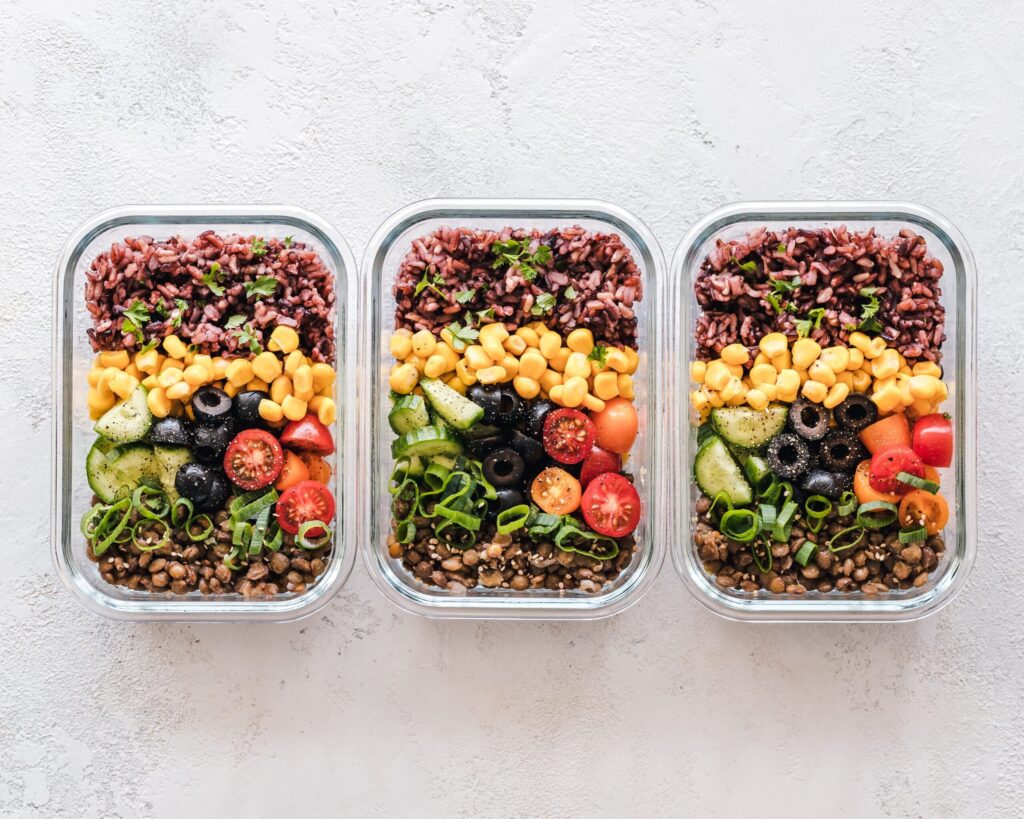
Processed foods can be incredibly addictive, making it easy to continue eating them once you start. Many people respond to a bad day of eating by drastically reducing their calorie intake the next day, engaging in excessive exercise, or undertaking extended fasts.
However, these methods can backfire by increasing cravings. Instead, it is more effective to consume foods that help stabilise blood sugar levels and enhance satiety hormones to reduce cravings.
For this article, we look at the expertise of Autumn Bates who took a deep dive into 9 foods that erase a bad day of eating.
Autumn Bates is a certified clinical nutritionist and functional health expert known for her expertise in nutrition and human performance. She holds a Master’s degree in Nutrition for Human Performance. Bates runs a popular YouTube channel where she shares science-based health and nutrition advice, recipes, and wellness tips. Her content focuses on making health and fitness accessible and achievable through practical, everyday habits and choices. She is also known for her work with intermittent fasting, gut health, and optimizing body composition through nutrition and lifestyle changes.
Let’s check out which foods you should eat right after going crazy and giving in to your cravings the day before.
Table of Contents
9 Foods that ERASE a Bad Day of Eating
1. Eggs
Eggs are rich in both protein and fat, making them highly satiating. They have been shown to raise satiety hormones such as peptide YY and GLP-1. Studies comparing eggs to other breakfast foods like oatmeal have found that eggs are more effective at reducing hunger for extended periods. To maximise these benefits, consider consuming three eggs after a treat meal.
2. Nuts
Nuts, particularly almonds and pistachios, are effective at raising satiety hormones due to their fat and fibre content. While nuts can be addictive, incorporating them into meals rather than eating them as snacks can be beneficial. Try adding almond butter to a smoothie or sprinkling pistachios on a salad.
3. Chia Seeds
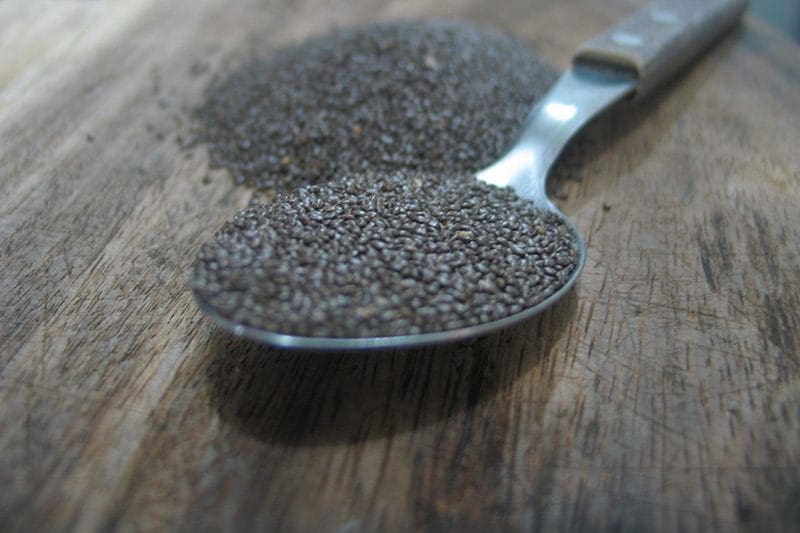
Chia seeds are high in fibre that ferments in the gut, feeding beneficial bacteria and producing short-chain fatty acids that raise satiety hormones. Adding a couple of tablespoons to a smoothie or making chia pudding are great ways to incorporate them into your diet.
4. Artichokes
Artichokes are rich in fermentable fibre, particularly inulin, which has been shown to be satiating and improve gut bacteria. Including artichoke hearts in salads is a simple and tasty way to benefit from their fibre content.
5. Beef
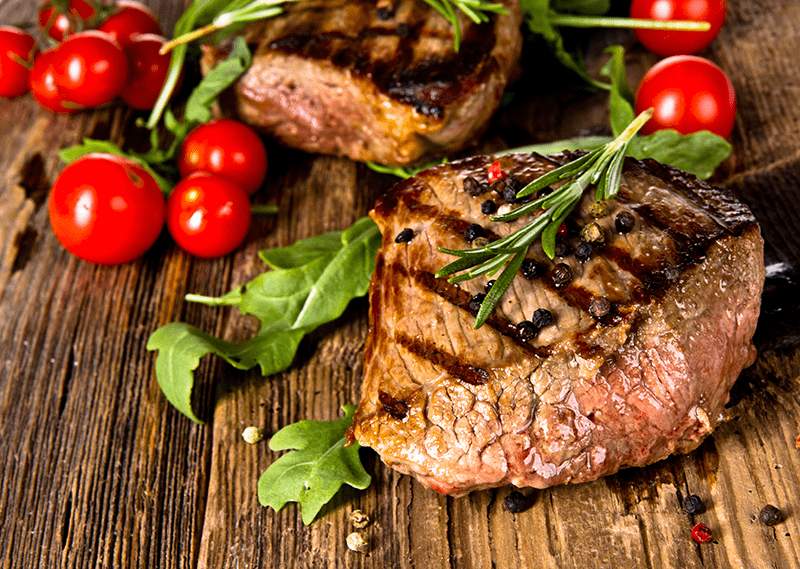
Beef is one of the most satiating foods, thanks to its high protein content and nutrient density. Consuming four to six ounces of beef from sources like ground beef, steak, or stewing beef can significantly boost satiety hormones.
6. Olive Oil
Monounsaturated fats in olive oil help raise satiety hormones like GLP-1. Using olive oil as a base for salad dressings or drizzling it over steamed vegetables can enhance satiety and satisfaction from meals.
7. Avocado
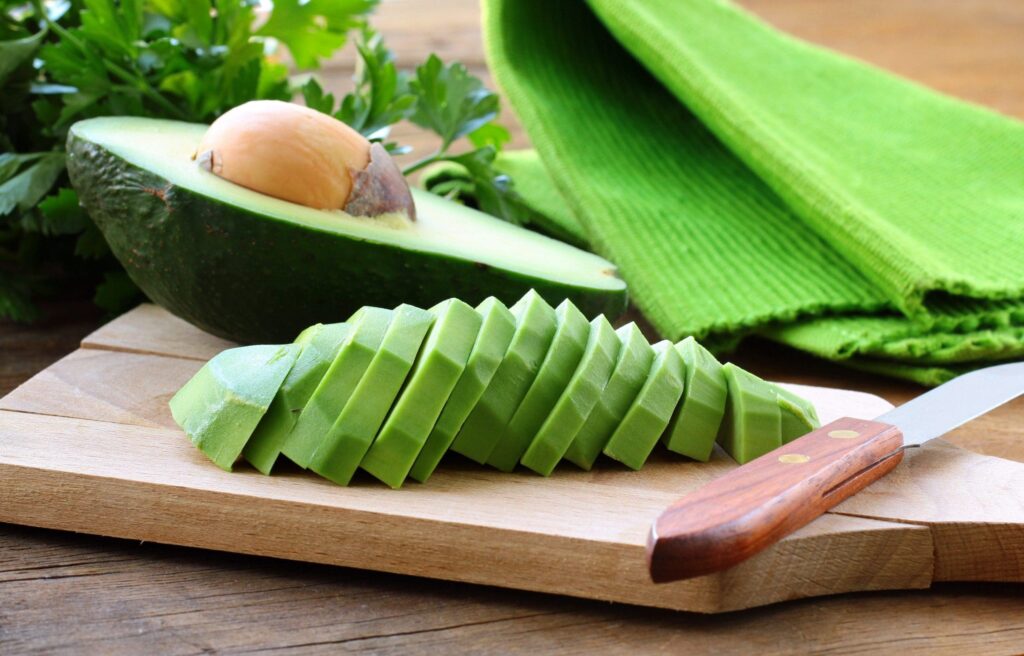
Avocados provide both monounsaturated fats and fibre, making them excellent for boosting satiety hormones. They can be added to various meals, such as burrito bowls or scrambled eggs, to enhance both taste and nutritional benefits.
8. Low Glycemic Load Vegetables
Vegetables like Brussels sprouts, broccoli, and cauliflower rice are high in fibre and help stabilise blood sugar levels. They also add variety and flavour to meals, which can help reduce cravings for processed foods.
Related: Eat These 7 Super Healthy Vegetables for a Flatter Stomach
9. Fatty Fish
Fish like salmon, anchovies, and sardines are high in protein and healthy fats, including omega-3 fatty acids, which reduce inflammation and boost satiety hormones. Including these in your diet can help manage cravings and improve overall health.

Managing cravings after indulging in processed foods requires a strategic approach that goes beyond simply cutting calories or engaging in excessive exercise. These conventional methods can often lead to increased hunger and further cravings, creating a vicious cycle that is hard to break. Instead, a more effective and sustainable strategy involves incorporating foods that naturally help to stabilise blood sugar levels and enhance satiety hormones.
Processed foods, high in sugars and unhealthy fats, can cause rapid spikes and drops in blood sugar, leading to cravings and overeating. The key to breaking this cycle lies in choosing foods that provide steady, long-lasting energy and promote feelings of fullness. By focusing on nutrient-dense, satiating foods, you can better manage your hunger and reduce the likelihood of overindulging in unhealthy options.
Why This Approach Works
- Stabilising Blood Sugar Levels: Foods such as eggs, nuts, and low glycemic load vegetables help maintain steady blood sugar levels. This prevents the sharp spikes and subsequent crashes that often trigger cravings. Stable blood sugar levels mean fewer urges to reach for sugary snacks or processed foods to boost energy.
- Enhancing Satiety Hormones: Consuming foods that are high in protein, healthy fats, and fibre, such as chia seeds, beef, and avocado, can stimulate the release of hormones like peptide YY, GLP-1, and CCK. These hormones send signals to the brain that you are full and satisfied, reducing the desire to eat more.
- Nutrient Density: Nutrient-dense foods provide essential vitamins and minerals that support overall health and well-being. This can help curb cravings that arise from nutrient deficiencies, which can occur when consuming a diet high in processed foods.
- Reducing Inflammation: Foods rich in omega-3 fatty acids, such as fatty fish, help reduce inflammation in the body. Chronic inflammation can interfere with the normal functioning of hunger and satiety hormones, leading to increased appetite and cravings.
- Sustained Energy Release: Incorporating foods like artichokes and olive oil, which provide a balance of macronutrients, ensures a more gradual and sustained release of energy. This helps keep you feeling fuller for longer, reducing the need to snack between meals.
Implementing the Strategy
To effectively manage cravings and maintain a healthy diet, it’s important to consistently include these satiating foods in your daily meals. Here are some practical tips to help you get started:
- Plan Your Meals: Include at least one or two of these satiating foods in each meal. For breakfast, try scrambled eggs with avocado. For lunch, a salad with artichoke hearts and olive oil dressing. For dinner, a serving of beef or fatty fish with a side of low glycemic load vegetables.
- Snack Wisely: Instead of reaching for processed snacks, opt for a handful of nuts or a chia seed pudding. These options are not only satisfying but also provide essential nutrients.
- Stay Hydrated: Sometimes, thirst can be mistaken for hunger. Drinking plenty of water throughout the day can help reduce unnecessary snacking.
- Listen to Your Body: Pay attention to your hunger and fullness cues. Eating mindfully and stopping when you are full can prevent overeating and help you maintain a balanced diet.
By adopting this approach, you not only manage your cravings more effectively but also support your overall health and well-being. Incorporating these nutrient-dense, satiating foods into your diet helps you achieve your health goals without feeling deprived, making it easier to maintain a healthy lifestyle in the long term.
7 Foods You Must Avoid if You Are Serious About Getting a Great Looking Six-Pack