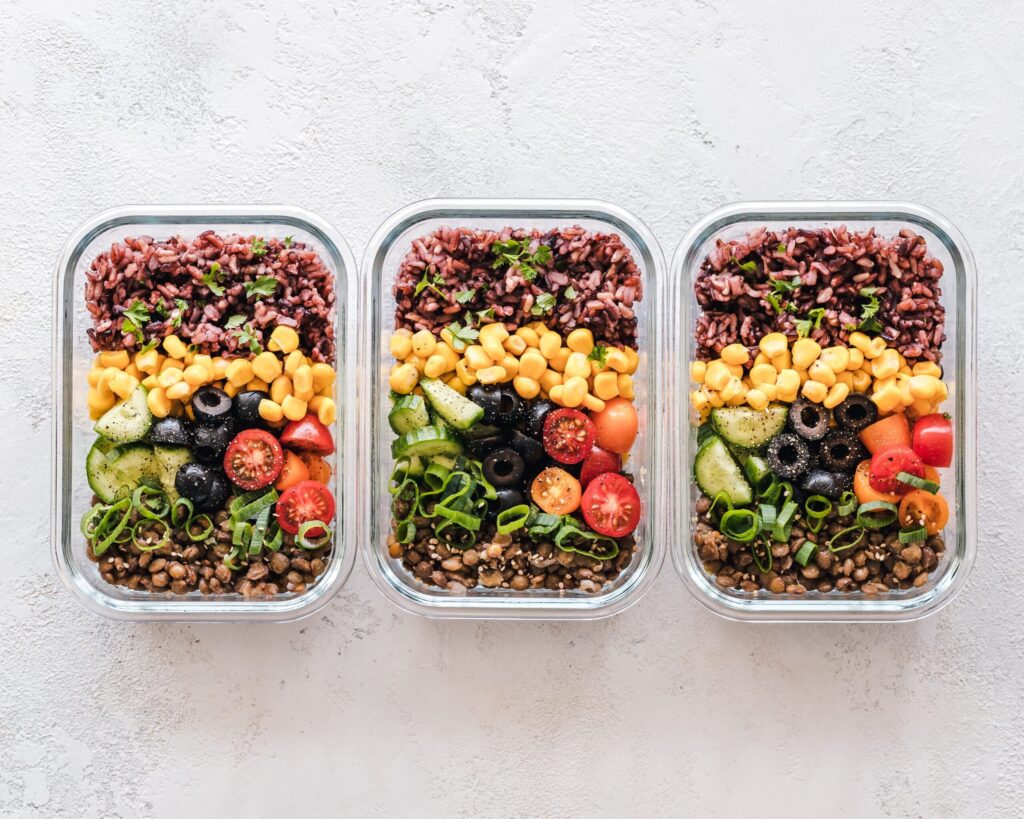
Check out 9 foods that repair gut health and that can help you achieve a healthier lifestyle.
Gut health is all about how well your digestive system works and the balance of good bacteria in your gut. These bacteria help break down food, make vitamins, and protect you from germs. Eating a variety of foods, especially those high in fibre, and not overusing antibiotics can help keep your gut healthy. If your gut isn’t healthy, you might feel stomach pain, bloating, or heartburn. Looking after your gut is important for your overall health and can even affect your mood.
If your gut isn’t healthy, you might feel stomach pains, get bloated, or have trouble going to the toilet properly. This can make you feel pretty uncomfortable and might mean you’re not getting all the nutrients you need from your food. A not-so-great gut can also make you sick more often, feel stressed or moody, and can lead to more serious tummy troubles or other health problems later on. So, it’s really important to take care of your gut to stay healthy and feel good.
And probably that is why you clicked here, no? To understand foods that can repair your gut health, go straight to the market and buy yourself your way out of a possible health hazard.
The information in this article was largely based on the knowledge from Thomas DeLauer and what he said in a recent video. Thomas DeLauer is a celebrity trainer and health author. His YouTube Channel has more than 3.5 million subscribers and he has been on the cover of numerous international magazines.
It was Thomas who came up with a list of 9 foods that repair gut health and that he shared in a recent video that we dissect below.
Dieting vs. Exercise for Weight Loss – How Does it All Work?

9 Foods that Repair Gut Health
So, in a quick manner, if you don’t want to know the whys and hows, here is the list of the 9 foods that repair gut health according to Thomas DeLauer.
- Ginger
- Broccoli Sprouts
- Bone Broth
- Sweet Potatoes
- Pineapple and Papaya
- Chia Seeds
- Glutamine (as a supplement, particularly beneficial during times of physical stress or immune compromise)
- Sunlight/Vitamin D (or foods rich in Vitamin D like eggs, for those with limited sun exposure)
- Tannins (foods rich in tannins include nuts, berries, dark chocolate, and pomegranate)
But, if you want a deeper explanation on each of the foods, here is what Thomas DeLauer had to say about them.
1. Ginger: This versatile root is a powerhouse of gut health benefits. Research highlights its ability to diminish inflammation triggered by lipopolysaccharides, safeguarding the gut lining’s integrity. Not merely a culinary delight, ginger fortifies the tight junction proteins, ensuring the gut barrier remains robust and selective in its permeability.
2. Broccoli Sprouts: These are not your average greens. They pack a potent punch of antioxidants, vital for the epithelial cells lining our gut. Studies show that these sprouts can mitigate cellular damage, underscoring the value of their phytonutrient profile, distinct from their fibre content, in maintaining gut health.
3. Bone Broth: Beyond its comforting warmth, bone broth is a repository of gelatin and other beneficial compounds. It’s been shown to not only repair but also strengthen the gut lining, offering a double-edged sword against gastrointestinal distress. The presence of nanoparticles in bone broth that exhibit antioxidant properties further cements its status as a gut health elixir.
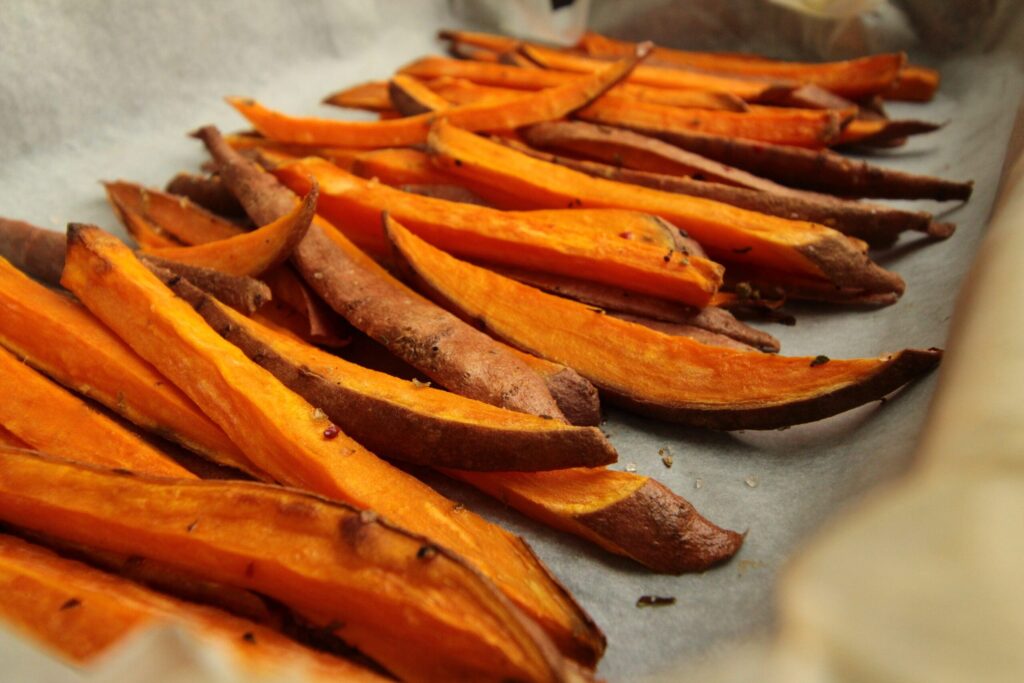
4. Sweet Potatoes: Beyond nourishing the microbiome, sweet potatoes contain a compound, triostigmanoside (TS1), which bolsters the mucosal layer, providing an additional layer of protection for the gut lining.
5. Pineapple and Papaya: These tropical fruits are rich in proteases, like bromelain and papain, which not only aid in protein digestion but also enhance the gut’s mucosal layer and selectively increase intestinal permeability to facilitate nutrient absorption.
5 “Healthy Foods” Filled with Sugar You Should Avoid
6. Chia Seeds: Renowned for their fibre content, chia seeds also promote the formation of short-chain fatty acids beneficial for the gut mucosa, possibly offering a protective gel-like barrier with their unique soluble fibre.
7. Glutamine: Primarily beneficial in states of stress or immune compromise, glutamine supports gut lining repair and integrity. However, its use should be judicious, reserved for periods of need rather than as a daily supplement.
8. Sunlight (Vitamin D): Exposure to sunlight, a natural source of vitamin D, is instrumental in the distribution and function of junction proteins across the gut lining, promoting an evenly protective barrier throughout.
9. Tannins: Found in semi-ripe fruit, tannins may exert a mild stress on the gut lining, akin to a workout for our muscles, thereby strengthening this critical barrier.
15 Foods to Speed Up Muscle Growth
Gut health refers to the function and balance of bacteria in the many parts of the gastrointestinal tract. Ideally, organs such as the oesophagus, stomach, and intestines all work together to allow us to eat and digest food without discomfort. But gut health goes beyond just digesting food; it also involves the entire ecosystem of microorganisms living in the gastrointestinal tract, known as the gut microbiota.
This microbiota includes bacteria, viruses, fungi, and other microbes that play a key role in processing food, absorbing nutrients, and defending against pathogens. A healthy gut microbiome is essential for various bodily functions, including immune system regulation, producing certain vitamins, and even influencing mood and mental health through the gut-brain axis.
The balance of the microbiome can be affected by various factors, including diet, lifestyle, and medication use. A diet rich in fibre, for example, promotes a diverse and healthy microbiome, while excessive use of antibiotics can deplete important bacterial populations. Symptoms of poor gut health include bloating, constipation, diarrhoea, heartburn, and stomach discomfort.

Maintaining gut health is crucial for overall health and well-being. Strategies to support gut health include consuming a diverse range of foods, particularly those rich in fibre, and fermented foods, which contain beneficial bacteria. Staying hydrated, managing stress, and avoiding excessive use of antibiotics can also support a healthy gut.
If your gut health isn’t great, you might experience several uncomfortable symptoms and potentially more serious health issues over time. Common immediate symptoms include bloating, gas, diarrhoea, constipation, and abdominal pain. These can be signs that your digestive system isn’t breaking down and absorbing food properly, which can lead to nutrient deficiencies.
Poor gut health can also affect your immune system, as a significant part of it is located in the gut. This could lead to more frequent infections, autoimmune disorders, or chronic inflammation. There’s also a connection between the gut and the brain, known as the gut-brain axis. If your gut health is poor, you might experience mood changes, increased stress, or anxiety.
In the long term, ongoing gut health issues can contribute to more serious conditions such as irritable bowel syndrome (IBS), inflammatory bowel disease (IBD), obesity, type 2 diabetes, and even heart disease. Maintaining good gut health is crucial for your overall well-being, affecting everything from your daily comfort to your risk of various diseases.
The Literal Most Effective Exercise for Reducing Visceral Belly Fat