Exercise selection is something some people spend years studying. It can be fascinating for some, but a burden for others. Regardless, everyone understands how important exercise selection is to build muscle and create a healthy body.
Typically the exercises you see people doing in the gym are the go-to movements for muscle growth. If you want to build your chest you should do barbell bench presses; looking for that bicep growth, then pick up a pair of dumbbells and start curling; back and lower body? How about deadlifts and rows? Squats are arguably the best exercise for your legs.
All of this above is true, but there is another aspect of training that needs to be taken into consideration – variability. If you train the same exercise over and over again, your body will get used to it and the stimulus to grow muscle gets smaller with time. This means you need to find other ways to target your muscles.
And that is where this list designed by Milo Wolf comes to the rescue. Dr Milo Wolf share his invaluable knowledge on a YouTube channel ranging from hypertrophy and strength training to losing fat.
In a video he shared recently, he talked about 9 insanely effective exercises according to science that people forgot about. These are exercises that are incredible to build muscle, but that people tend to ignore when programming their workouts or simply don’t even know they exist.
These movements are grounded in solid scientific principles and provide unique benefits that many traditional exercises might miss. Let’s get started with our list, ensuring you maximize every workout session for optimal hypertrophy.
How Stress Can Impact Muscle Growth
9 Insanely Effective Exercises According to Science That People Forgot About
1. Dumbbell Fly
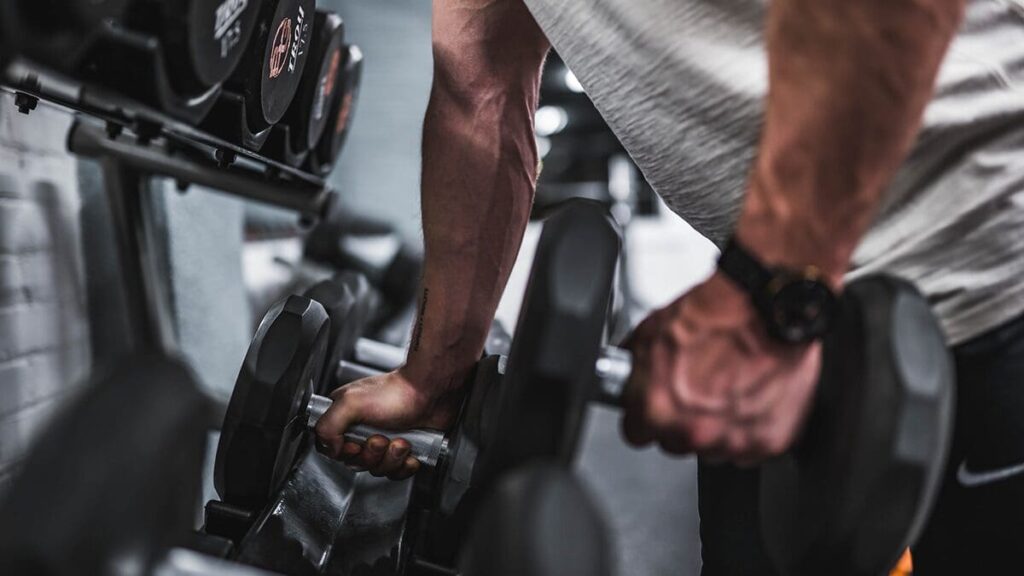
The dumbbell fly is an underrated exercise for chest hypertrophy. Despite some myths about its potential for shoulder injury and suboptimal resistance curve, the dumbbell fly offers a deeper stretch than many alternatives like the cable chest crossover or the pec deck machine. This stretch is particularly beneficial for muscle growth.
Why It’s Effective:
- Deeper Stretch: The dumbbell fly allows for a deeper stretch compared to the pec deck or machine fly, which can enhance muscle fibre activation and hypertrophy.
- Resistance Curve: The resistance is maximized in the stretched position, which is advantageous for muscle growth.
Tips for Execution:
- Keep your elbows relatively straight.
- Avoid turning it into a press-fly hybrid.
- Aim for sets of 10 to 30 reps to get the best hypertrophic effect.
2. Dumbbell Pullover
The dumbbell pullover targets the lats effectively, especially in a stretched position, which is crucial for hypertrophy. Unlike the cable pullover, it reduces the risk of cheating and provides a consistent challenge.
Why It’s Effective:
- Lengthened Position: The dumbbell pullover trains the lats in a more stretched position compared to the cable pullover.
- Reduced Cheating: It’s harder to cheat with a dumbbell, ensuring better form and muscle activation.
Tips for Execution:
- Minimize elbow flexion to focus on the lats.
- Keep your back flat on the bench.
- Perform in higher rep ranges (15-30 reps).
Differences Between Training for Size and for Strength
3. Single-Arm Dumbbell Preacher Curl
This exercise is particularly useful for individuals with longer arms or those struggling to get a full stretch with barbells. The preacher curl places the biceps in a slightly shortened position but still allows significant tension in the stretched position.
Why It’s Effective:
- Versatility: More versatile for different builds, especially taller individuals.
- Tension in Stretched Position: Places a lot of tension in a relatively lengthened position on the biceps.
Tips for Execution:
- Use a full range of motion.
- Maintain a controlled tempo.
- Suitable for high rep ranges (15-30 reps).
4. Single-Arm Flat-Lying Dumbbell Lateral Raise
For the side delts, the single-arm flat-lying dumbbell lateral raise provides a greater resistance at the stretch position compared to the standing version. This is a simple yet effective movement for loading the side delts.
Why It’s Effective:
- Maximized Tension: The resistance is greatest when your arm is parallel to the ground, maximizing tension on the side delts.
- Flexibility: Can be done at home with minimal equipment.
Tips for Execution:
- Lie sideways on a flat bench.
- Perform lateral raises with a controlled lowering phase.
- Use weights that challenge you but maintain form.
5. Deep Dips

Deep dips, going as deep as your shoulder flexibility allows, provide an excellent loaded stretch for the triceps, front delts, and chest. This exercise also helps in training multiple muscles efficiently.
Why It’s Effective:
- Loaded Stretch: Provides a significant stretch on the triceps, front delts, and chest.
- Time Efficiency: Targets several muscles simultaneously, making it a time-efficient exercise.
Tips for Execution:
- Pay attention to shoulder comfort.
- Keep movements controlled and smooth.
- Ideal for moderate rep ranges (8-15 reps).
6. Rear Delt Cable Crossover
To target the rear delts effectively, the rear delt cable crossover allows a deeper stretch than typical rear delt flies or face pulls. This exercise enhances the engagement of the rear delts through a full range of motion.
Why It’s Effective:
- Deeper Stretch: Crossing over your arms increases the stretch in the rear delts.
- Optimal Tension: Provides continuous tension on the rear delts.
Tips for Execution:
- Cross the arms and get a deep stretch.
- Perform slow, controlled movements.
- Use alternating arm positions to prevent imbalances.
7. Reverse Nordic Curl
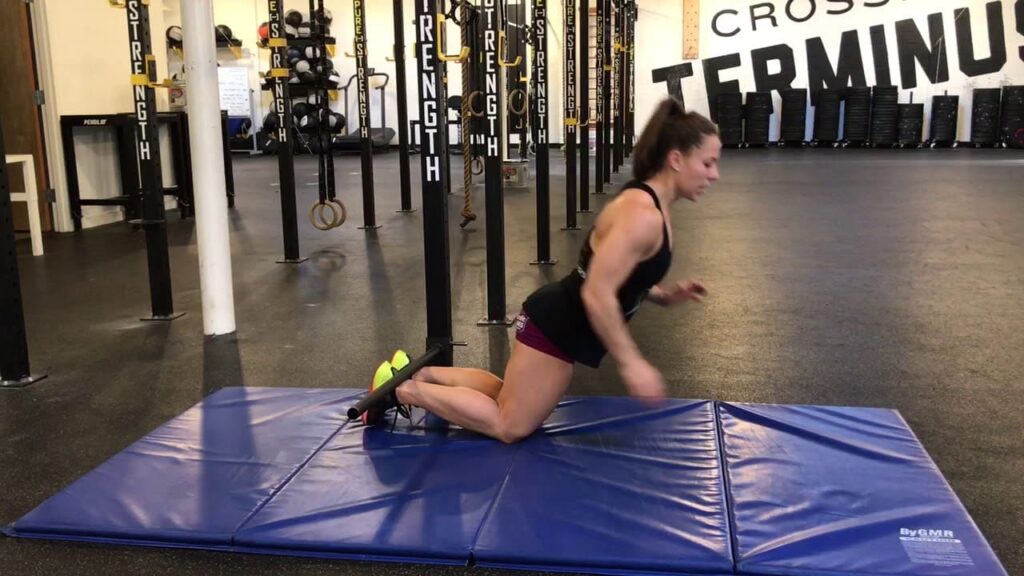
The reverse Nordic curl offers a significant advantage over leg extensions by providing a complete stretch for the quads, particularly the rectus femoris. This exercise allows full knee flexion, targeting the quads through their entire range of motion.
Why It’s Effective:
- Full Range of Motion: Extends the knee fully, stretching the quads maximally.
- Lengthened Position: Provides tension in the most stretched position.
Tips for Execution:
- Keep hips extended throughout the movement.
- Go as deep as comfort allows.
- Focus on controlled eccentric phase.
8. Smith Machine Split Squat
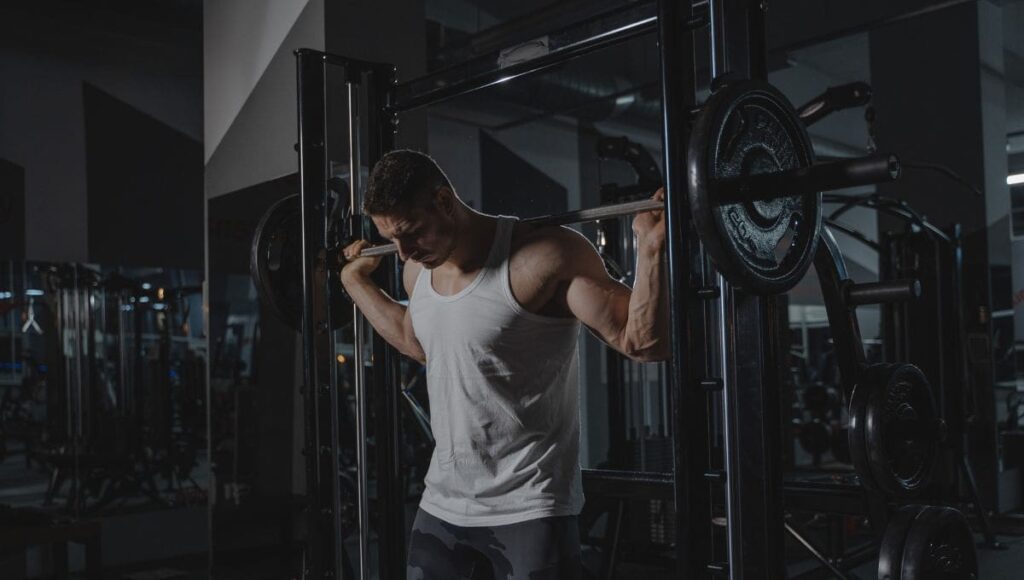
The Smith machine split squat helps those who struggle with depth in traditional squats by reducing stability demands and allowing deeper range of motion. It’s particularly beneficial for targeting quads, glutes, and adductors.
Why It’s Effective:
- Increased Depth: Allows for greater knee and hip range of motion.
- Reduced Stability Demands: Makes it easier to focus on muscle activation without worrying about balance.
Tips for Execution:
- Position your feet correctly to maintain balance.
- Go deep to maximize stretch.
- Use lighter weights to reduce back fatigue.
9. Pistol Squat
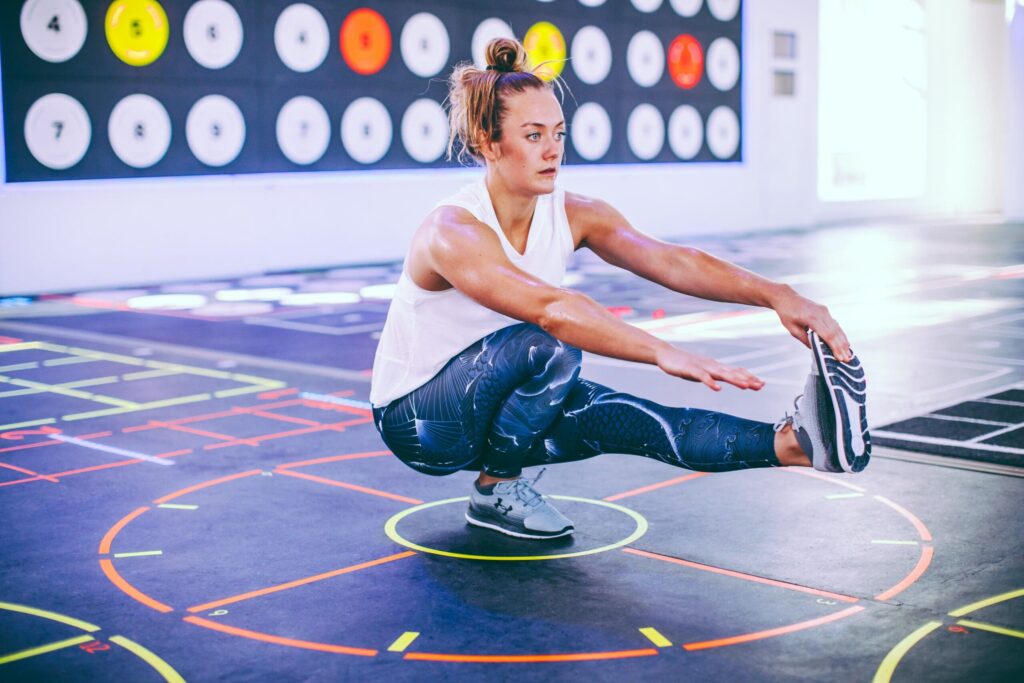
Pistol squats are a time-efficient, bodyweight exercise that provides a significant challenge for the legs, particularly useful when equipment is limited. They also help in reducing the load on the spine compared to traditional squats.
Why It’s Effective:
- Time Efficient: Requires minimal equipment and preparation.
- Reduced Spinal Load: Minimizes back strain while providing a significant leg workout.
Tips for Execution:
- Hold onto a stable surface if needed.
- Perform with a controlled tempo.
- Focus on balance and depth.
These nine exercises, though often overlooked, offer unique benefits that can complement your regular training routine. Incorporating them into your workouts can help you achieve better muscle growth and overall strength. Remember, the key to hypertrophy is not just the exercises you choose but also how you perform them. Focus on form, controlled movements, and appropriate rep ranges to maximize your gains.
Read More: 52 Sets is Best for Building Muscle (New Science)