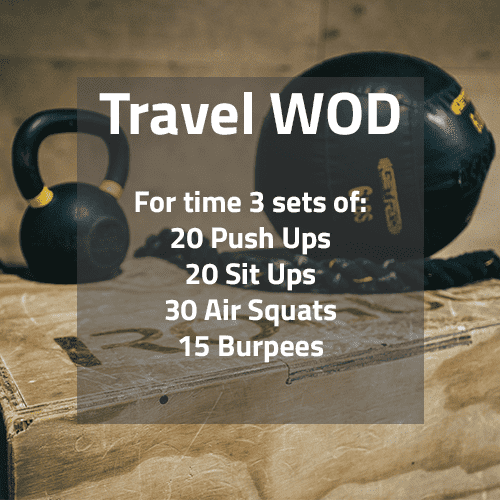
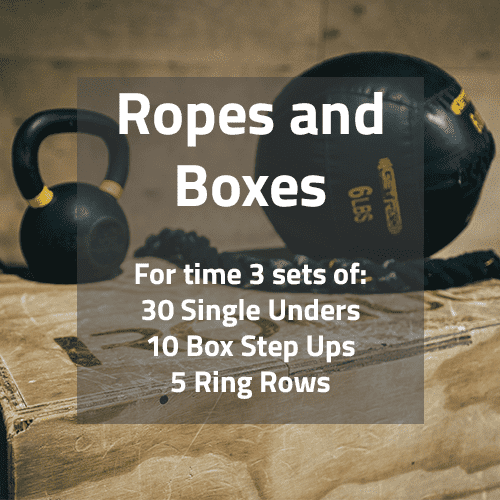
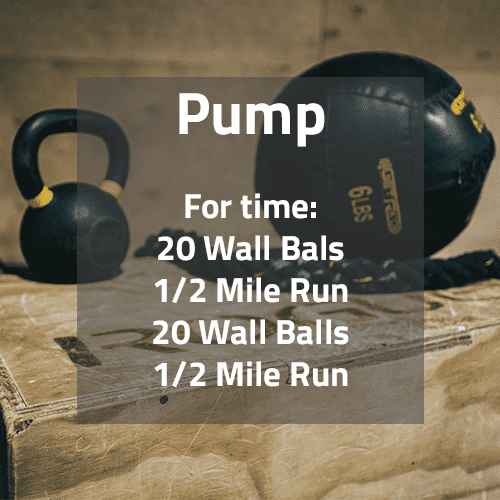
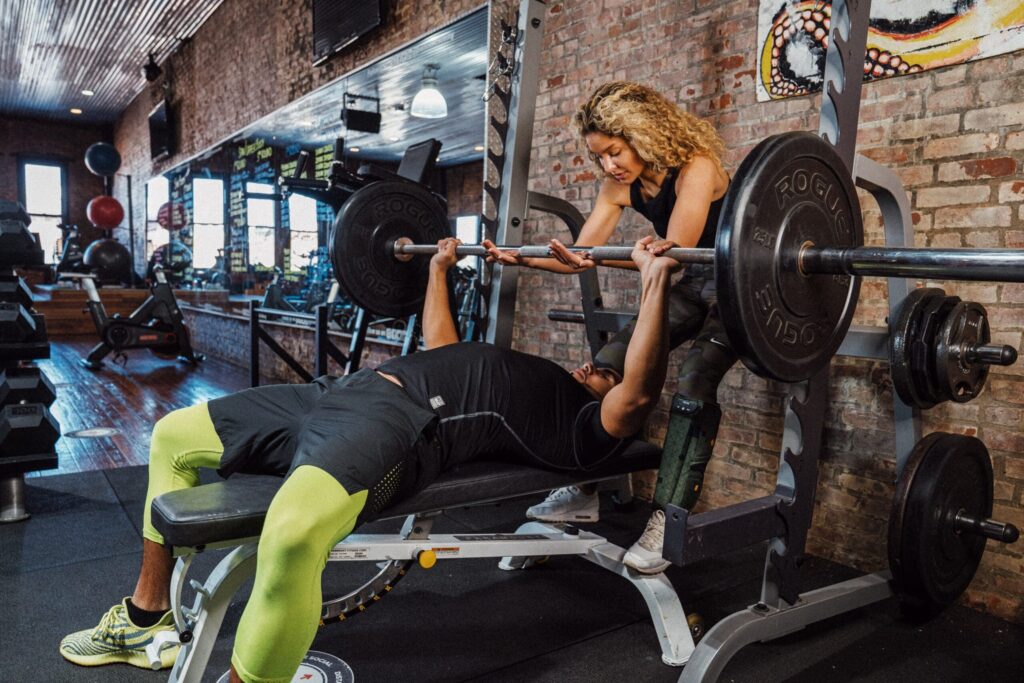
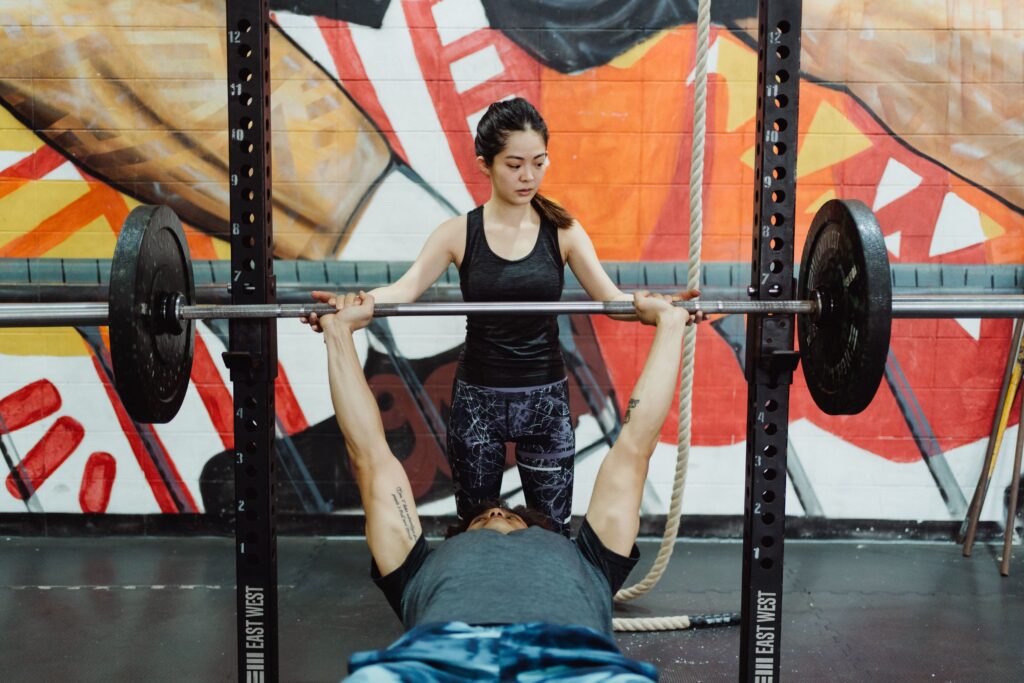
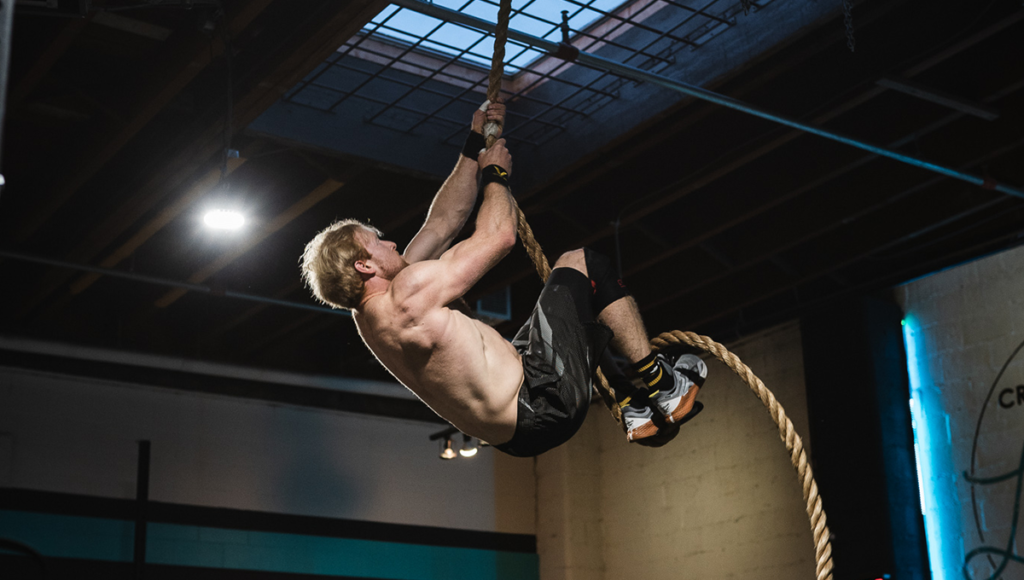
No matter what you did before, a CrossFit Workout will be something new. For you, your body and your mind. The intense mix of different, often technical and highly demanding exercises will push you past new limits and exhaust your body and mind. Soon you will have found out what you are able to do. But even more importantly: what you cannot.
Over time you will get better, learn new skills, have fun and change yourself for the better – both physically and mentally.


These workouts are suitable for ALL athletes. They are categorised as beginner WODs because of their accessibility, however that doesn’t mean they aren’t for more advanced athletes as well. As we all know, the simplest CrossFit workouts can often be the most deadly!
WORKOUTS
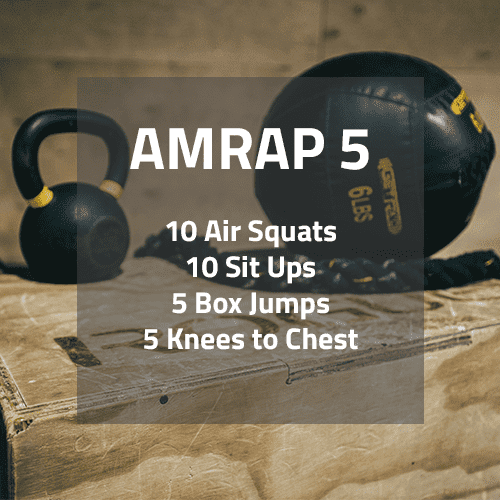
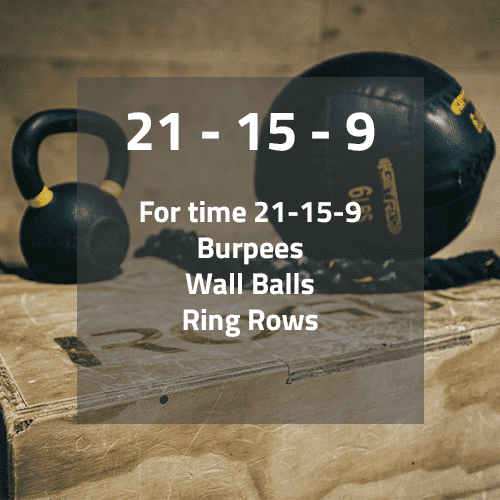
Mobility. Work on it. Every day. This is the physical foundation for everything that follows. You will not be able to go heavy, neither do things pain free if you are not able to to move through the full range of motion. Try Yoga classes, if your box does some, or use the mobility tips from your coach, he or she will know what you should do best.
Mobility
- A lack of Mobility is probably the primary determinant of injury susceptibility.
- Does something hurt when you do any barbell movement? Mobilize it!
- Unless you can front squat, jerk, and snatch without pain, you have something you need to work on every day because you have become immobilized by your daily habits.
- Also, fix your posture. Posture and mobility issues are directly related.
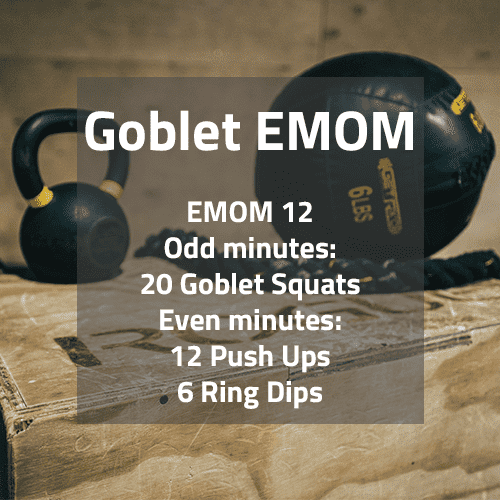
FUNDAMENTAL MOVEMENTS
These are the low-skill movements that you cannot live a normal life without. In this category are:
- Locomotion, or getting from one place to another (running, rowing, jumping, swimming, biking)
- Basic bodyweight movements that everyone should be able to control (pull-ups, push-ups, sit-ups, squats, dips)
- Basic lifts (deadlift, front & back squat, strict press, bench press, Russian kettlebell swing)
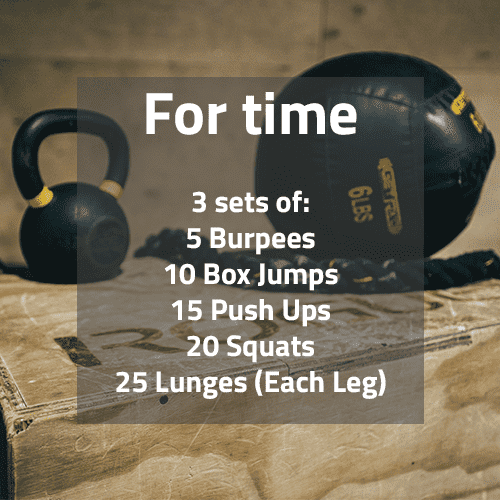
INTERMEDIATE MOVEMENTS
These are higher-skill, fairly quick to learn, and not that difficult to master with some practice.
This is where it goes into:
- Gymnastics (rope climb, L-sit, handstand, kipping)
- Olympic weightlifting (clean, push press, power snatch)
- Strongman (atlas stone/odd object lifting, loaded carries, tire flips, weighted throwing)
Everyone can learn these, but sometimes it takes awhile; the mobility and coordination requirements are greater than for the previous tier’s movements.
ADVANCED MOVEMENTS
This is the tricky stuff with a “wow” factor. That requires barbell gymnastics (full snatches and all variety of jerks) and bodyweight gymnastics (rings, single-leg squats, freestanding handstands). These expect unrestricted mobility, excellent balance, and in the case of the bodyweight movements, a superb strength-to-weight ratio.
If you can correctly execute these advanced movements you will develop and display elite athleticism. It’s frustrating at first, but the more you practice the more fun it becomes.
1. Cardiovascular/respiratory endurance – The ability of body systems to gather, process, and deliver oxygen.
2. Stamina – The ability of body systems to process, deliver, store, and utilize energy.
3. Strength – The ability of a muscular unit, or combination of muscular units, to apply force.
4. Flexibility – the ability to maximize the range of motion at a given joint.
5. Power – The ability of a muscular unit, or combination of muscular units, to apply maximum force in minimum time.
6. Speed – The ability to minimize the time cycle of a repeated movement.
7. Coordination – The ability to combine several distinct movement patterns into a singular distinct movement.
8. Agility – The ability to minimize transition time from one movement pattern to another
9. Balance – The ability to control the placement of the body’s center of gravity in relation to its support base.
10. Accuracy – The ability to control movement in a given direction or at a given intensity.