Your (Un)Welcome Comments on My Body

| Apr 26, 2021 / 8 min read
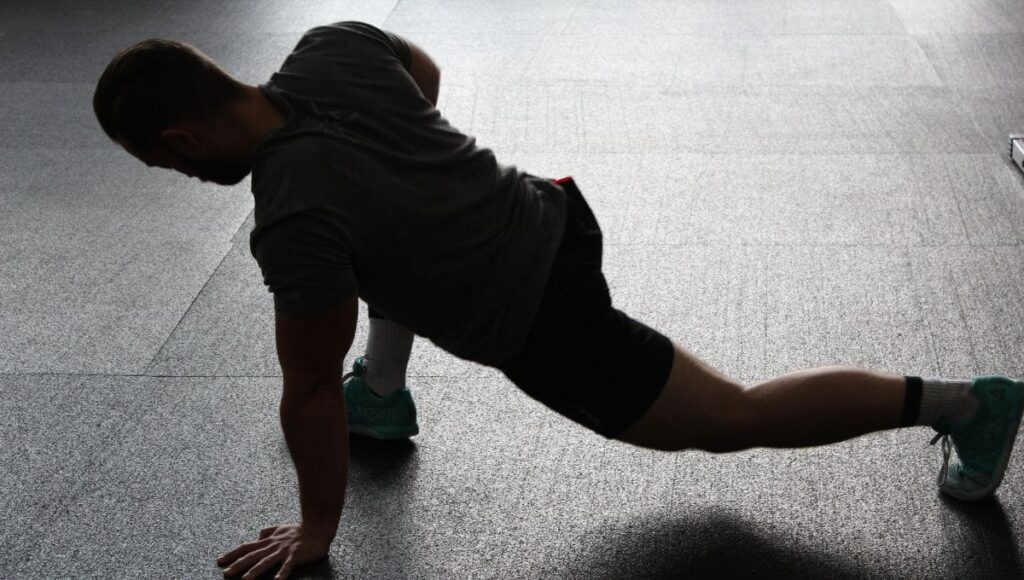
strong muscular woman

The first person to warn me against getting “bigger” was my mother. I can’t remember the exact words she used, but her comment fell somewhere between “big muscles aren’t a good look” and “muscular bodies are slightly gross.”

I don’t blame her; everyone has their own taste when it comes to beauty. I also know that, even subconsciously, her opinion was formed and reinforced by years living in a society that expects women to be “lean but not too toned,” to “appear feminine” in order to be loved.

Since then, I’ve received my fair share of similar comments from friends and strangers alike.

For what it’s worth, I don’t think of myself as particularly muscular, but that’s beside the point. I wonder why people seem so compelled to comment and worry about muscular female bodies? Why do people need to voice out their opinion about bodies in general?

And could we ever appreciate that, even when comments are meant in a positive way, they might not be welcomed?

You Look Like a Man

The vast majority of women in strength sports have received negative remarks about how their chosen sport might affect or is affecting their bodies.

A 2020 survey found that, despite the fact that 85% of women practising CrossFit or weight training have experienced increased levels in body confidence since they started training, 94% of all women surveyed had been told their preferred sport will make the “too bulky”, “too muscly” or “masculine.”

“Throughout history, women have largely been expected to fulfil two very important roles: wife and mother. From these two roles stemmed a cascade of other expectations: a woman should be pretty (in order to attract a man and have children), straight (in order to marry a man and have children), and docile (in order to keep a man and have children),” writes Haley Shapley in Strong Like Her, a book exploring the history of female strength.

Being strong did not only not contribute to these traits, but actively detracted from them.

Understanding this context is important; once you have a reason for why things are the way they are, you can begin to tackle them.

Muscular women are not yet the norm, so behaviours might arise from the novelty of it.

Women have come a long way when it comes to their participation and acceptance in strength training, but there is still a lot of work to be done.

Not long ago, CrossFit Games medallist Kara Saunders, one of the best female athletes in the history of the sport, wrote: “People always feel the need to tell me how they view my body,” with half the people commenting on how amazing she looks and the other half claiming she’s too muscular and not feminine.

“There is a small percentage of people that project their expectations and standards of themselves onto me, and it does get a bit old sometimes,” Kara told BOXROX. “But I’ve spent a lot of time thinking about it over the years and in the end I love myself and I’m so proud of what I have done, so other people’s different perception issues and struggles to keep an open mind are none of my business.”

“It definitely has not always been the way and that’s why I actually stand up for myself and others more now. I was pretty resilient, but I missed out on many years of appreciating who I am because I felt like something was wrong with me when someone would question my differences.

“I don’t want another single little girl to ever think that she can’t be badass just as she is.”

If you don’t have the confidence and inner strength to shut the comments off, the message that is reinforced in your head is that your physical appearance determines your self worth, it dictates how successful you are in society.

The underlying message is that women who are physically strong won’t succeed at life (specifically, finding a loving mate).

But why should the people who receive these comments bear the burden to suck up or brush away the negative remarks?

“I don’t like to make a big deal about it but I think it’s important to remind people to be kind and that the people they are saying things about are real humans,” Kara continued. 

The Power Within

Beauty, of course, lies on the eye of the beholder. While society might establish the basic standards, everyone has their taste and is allowed to find attractive whatever body type they like.

However, it’s important to remember that women work out for myriad reasons, all valid, and the vast majority of them don’t include ‘appealing to other people.’

Outer strength breeds inner confidence. Strength training can have many positive impacts on women’s life; from the obvious health benefits that come with exercise and increased autonomy during day-to-day tasks, to mental benefits such as an increased feeling of self-worth and improved body-image perceptions.

“When women shed the cultural norms surrounding their appearance and pursue physical goals, they develop an incredible toolkit that serves them in all arenas of their life, well beyond the field, court, or gym,” writes Shapley.

Studies have shown that girls who play sports are more likely to attend college, find a well-paying job, and work in male-dominated industries.

We should all encourage women to pursue their sport of choice (even if you might dislike the changes to their physique) because it can lead to a better society.

Why Positive Is Not Always Positive

I know someone who won’t even begin thinking about dating until they lose weight. In their head, there’s no way they can be loved unless they’re thinner.

After going through a really stressful time last year and falling back into unhealthy relationships with food, they did lose a couple of kilos. I know for a fact every “positive” comment they received about how great they looked reinforced the belief that they’re only valued when they’re thin, and unintentionally celebrated those unsustainable eating habits.

Compliments can be incredibly valuable; they reinforce our self-believes and make us feel good, accepted and loved. However, what’s meant in a positive way not always has positive effects.

Many of us have been raised with the notion that, if we have nothing positive to say, we shouldn’t say anything at all. But, while it is unrealistic to always receive praise (constructive criticism can help us grow), praise about a person’s appearance also comes with its price.

Remarks about how great someone looks might come from a place of recognising the work that went into getting there. However, they might also reinforce a belief that anything else is not great.

“So many people develop image issues because they receive so many complements when they lose weight and then no matter how good they feel at a heavier weight, they still feel less valuable because they lose the praise,” said Kara.

The reality of appearances is that they change throughout life.

When comments are about appearance, they can diminish a person’s value, whether that’s consciously or subconsciously. This doesn’t stop at weight loss but includes all comments about a person’s body; whether that the size of their muscles or your opinion about them.

Embracing Proactive Narratives

Negative comments, I believe, come from a place of fear, jealousy and powerlessness. Through a twisted sense of logic, devaluing someone else one can make that person feel better.

“From my experience, when people are genuinely happy with themselves they are less critical of others,” said Kara. “We often project those issues onto others and it’s really unfair. Do the self work and don’t make a comment or give an opinion unless someone asks you for it.”

All reasons for working out are valid, whether someone’s training for general physical and mental health or physical looks, and everyone should be free to pursue the sport they love without the fear of becoming “too much” of anything.

Physical activity, with all its physical and mental benefits, should be encouraged throughout society.

A person’s appearance is a very personal topic, and comments about it should not be normalised, whether they’re meant with good or bad intent. People shouldn’t be valued because of they way they look so, unless an opinion is asked for, there’s no need to comment on someone’s body.

Telling someone they “look great” after losing weight or building muscle might reaffirm personal ideas that anything else is “not great” and encourage unhealthy behaviours.

Instead, let’s thrive to highlight achievements and focus on abilities.

Lets condition ourselves to comment about people’s achievements, personalities or character trains.

It’s time we all questioned what society tells women about their bodies, rather than telling women what they should do about their bodies.

image sources

Tags:
body image body positivity female muscle

RECOMMENDED ARTICLES