To get bigger muscles you need to work hard, but which movements should you do once you hit the gym? Here are the only 7 exercises you need for mass.
There is a lot of information on the internet and almost infinite ways of working out your body. If you are new to this, discovering which exercises to do can be a time-consuming job. Well, not anymore.


Coach Alain Gonzalez, an author, personal trainer and YouTuber, narrowed down everything to just 7 exercises you need for mass. “80% of your gains will come from 7 basic compound movements,” he says.
If you already are familiar with gym life, this list can also help you remember the importance of these classic and necessary exercises. Do these, or some form of variation of them, to see your body get bigger.
Watch the 7 Exercises You Need For Mass
The 7 exercises you need for mass are:
- Stand with feet shoulder-width apart.
- Place the barbell across your upper back, gripping it with your hands.
- Keep your chest up, core engaged, and back straight.
- Lower your body by bending your hips and knees until your thighs are parallel to the ground or lower.
- Push through your heels to return to the starting position.
- Ensure a full range of motion and maintain proper form throughout.
The squat is hailed as the king of lower body exercises, engaging major muscle groups from glutes and quads to hamstrings and calves. To maximize leg growth, it is crucial to squat with a full range of motion. You can also do squats with a barbell, to increase tension on your muscles.
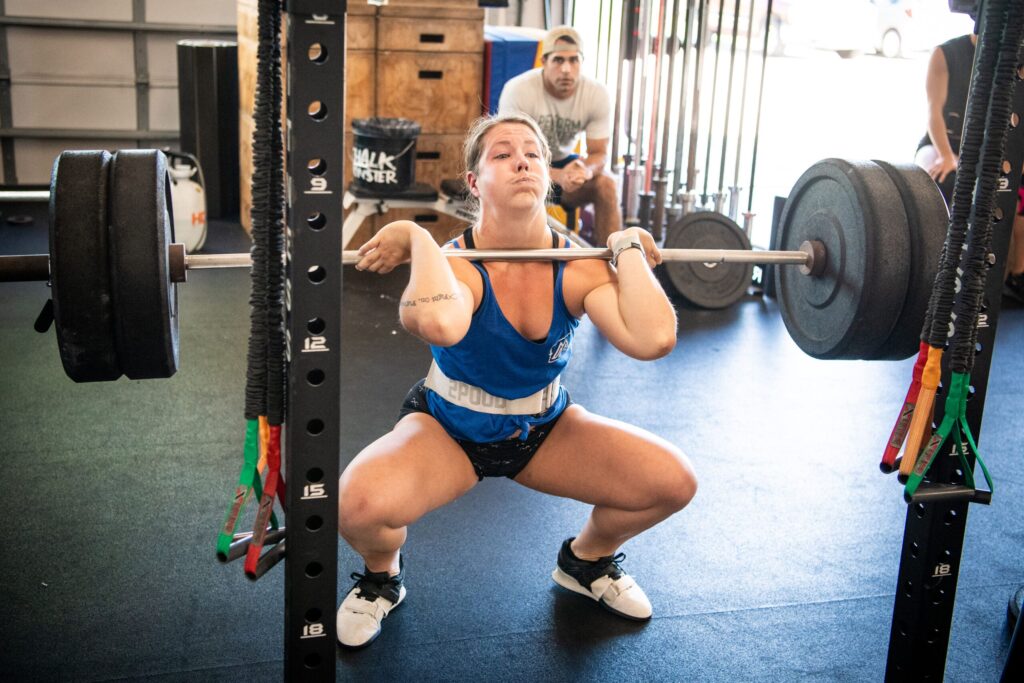
Research suggests that a full range of motion results in greater strength and muscle gains compared to partial ranges. Aim to incorporate squats at least twice a week, alternating between heavier and lighter days.
- Stand with feet hip-width apart, toes under the barbell.
- Bend at the hips and knees, keeping your back straight to grip the bar with both hands.
- Lift the barbell by straightening your hips and knees simultaneously.
- Keep the bar close to your body throughout the movement.
- Lower the bar with control back to the ground.
- Emphasize proper form to prevent injury, especially in the lower back.
The deadlift is a total body mass builder, targeting the posterior chain, including hamstrings, glutes, spinal erectors, lats, and traps. Deadlifting once a week within the 3 to 8 rep range is recommended to avoid excessive fatigue and reduce the risk of injury.
- Stand with feet shoulder-width apart, knees slightly bent.
- Grip the barbell with an overhand grip, hands slightly wider than shoulder-width.
- Hinge at the hips, maintaining a flat back, and lower the barbell to knee height.
- Pull the barbell towards your sternum, squeezing your back muscles.
- Lower the barbell back to the starting position with control.
- Experiment with grip width and hand positioning to find the most comfortable variation.
The barbell row targets the entire back, emphasizing the lats and traps. With variations available, the standard version is suggested for overall back mass. Incorporate barbell rows one to two times a week, focusing on the 6 to 10 rep range for optimal results.
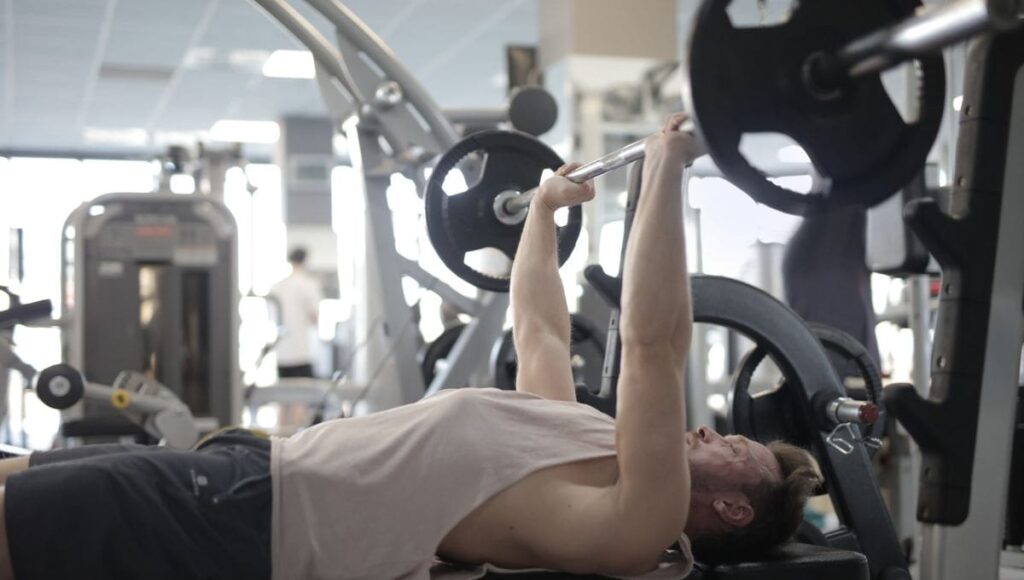
- Lie on a flat bench with your eyes under the bar.
- Grip the bar slightly wider than shoulder-width, keeping your wrists straight.
- Unrack the bar and lower it to your chest, keeping elbows at a 90-degree angle.
- Press the bar back up to the starting position, engaging your chest and triceps.
- Maintain a stable arch in your spine through scapular retraction and depression.
- Use your legs to provide additional power by driving them into the floor.
A strong correlation exists between chest size and bench press strength. The bench press is a vital exercise for activating pectoral fibers. Establishing a stable arch in the spine, utilizing scapular retraction and depression, and engaging the legs for support are crucial for effective bench pressing. Bench press one to three times a week across different rep ranges, including 3 to 12 reps.
- Stand with feet shoulder-width apart, gripping the barbell with an overhand grip.
- Lift the barbell from shoulder height to overhead, fully extending your arms.
- Keep your core tight and avoid arching your back excessively.
- Lower the barbell back to shoulder height with control.
- Experiment with seated and standing variations based on preference and comfort.
The overhead press is unparalleled for building massive shoulders, upper chest, triceps, and enhancing bench press strength. Performing overhead presses two times a week with variations and alternating between heavy and light days is recommended.
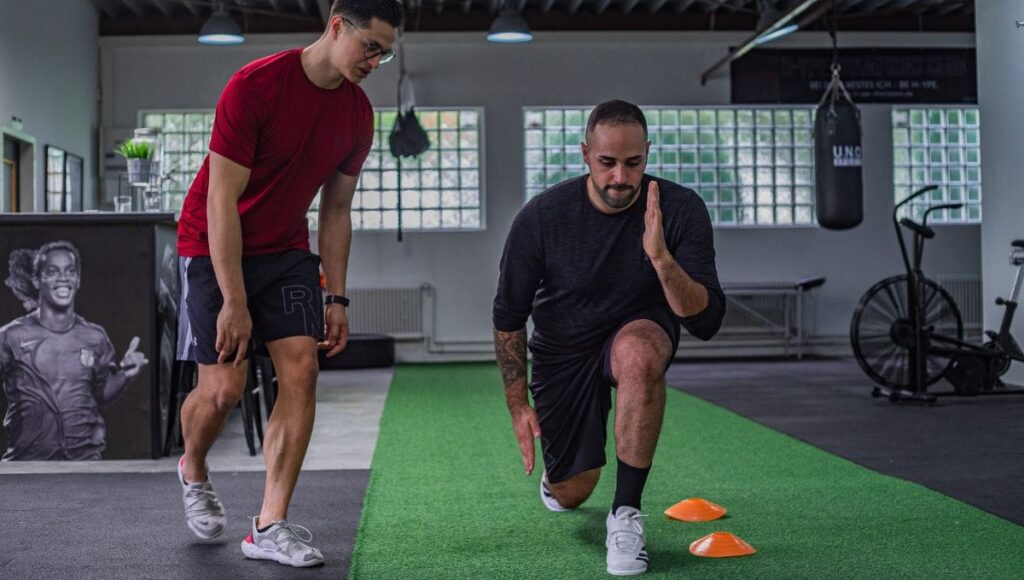
- Stand with feet together, step forward with one leg into a lunge position.
- Lower your body until both knees are bent at a 90-degree angle.
- Push off the front foot to return to the starting position.
- Repeat on the other leg, alternating between legs.
- Focus on maintaining balance and keeping a straight back throughout the movement.
Lunges target the body unilaterally, addressing muscle imbalances between legs. With the potential for higher quadriceps activation than squats, lunges contribute to well-rounded lower body development. Incorporate lunge or split squat variants one to two times a week in the 8 to 12 rep range.
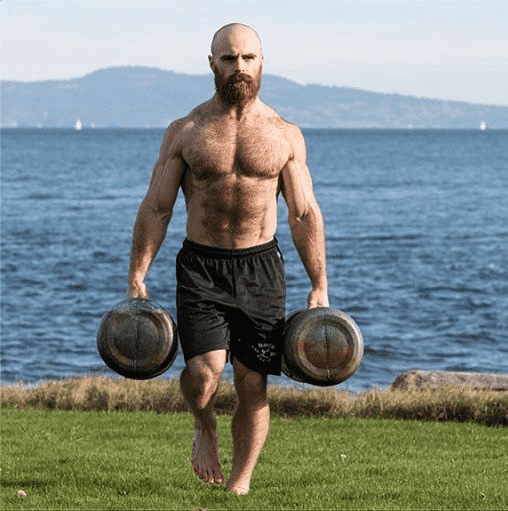
The farmer’s walk, often overlooked, improves grip strength, works forearms, traps, and core, while also addressing posture issues. Perform a carry once to twice a week for 25 to 50 yards, focusing on stability and controlled movements.
Coach Alain Gonzalez ends the video with 2 bonus exercises for biceps and mid delts. Barbell or dumbbell curl should be done if you are looking to increase even further your biceps, and lateral raises (preferably with a cable machine) will do the job for your mid delts.
Most of these exercises should be done at least twice a week, two sets, between 6 and 12 reps.
Benefits of Working Out Consistently
Engaging in regular exercise offers a multitude of physical, mental, and emotional benefits. Here are some of the key advantages of working out:
- Improved Cardiovascular Health:
- Regular exercise strengthens the heart, improving its efficiency in pumping blood.
- It lowers blood pressure and reduces the risk of cardiovascular diseases.
- Weight Management:
- Physical activity helps in weight control by burning calories and building lean muscle mass.
- It contributes to maintaining a healthy body weight and reducing the risk of obesity.
- Enhanced Muscle and Bone Health:
- Exercise supports the development of strong muscles and bones.
- Weight-bearing exercises, such as resistance training, help prevent osteoporosis and maintain bone density.
- Better Mental Health:
- Physical activity stimulates the release of endorphins, reducing stress and improving mood.
- It can alleviate symptoms of anxiety and depression, promoting overall mental well-being.
- Increased Flexibility and Balance:
- Regular stretching exercises improve flexibility and joint range of motion.
- Balance exercises contribute to better stability and reduce the risk of falls, especially in older adults.
- Boosted Immune System:
- Moderate exercise enhances the immune system, reducing the risk of illnesses and infections.
- It contributes to quicker recovery from illness or surgery.
- Enhanced Sleep Quality:
- Regular physical activity helps regulate sleep patterns and promotes deeper, more restful sleep.
- Improved sleep quality contributes to overall health and well-being.
- Increased Energy Levels:
- Exercise increases energy levels by enhancing circulation and oxygen delivery to tissues.
- It helps combat fatigue and promotes a more active lifestyle.
- Improved Cognitive Function:
- Regular physical activity is associated with better cognitive function and a reduced risk of cognitive decline.
- It enhances memory, attention, and overall brain health.
- Social Benefits:
- Group workouts or team sports provide opportunities for social interaction and a sense of community.
- Being part of a fitness community can offer motivation and support.
- Enhanced Self-Esteem and Confidence:
- Achieving fitness goals, whether big or small, contributes to increased self-esteem.
- Physical improvements and a sense of accomplishment boost confidence levels.
- Reduced Risk of Chronic Diseases:
- Regular exercise lowers the risk of chronic conditions such as type 2 diabetes, certain cancers, and metabolic syndrome.
- It contributes to overall longevity and a healthier lifestyle.
- Improved Posture:
- Strength training exercises help improve posture by targeting core muscles and supporting the spine.
- Proper posture contributes to better overall physical health.
- Stress Relief:
- Exercise acts as a natural stress reliever by reducing levels of stress hormones such as cortisol.
- Engaging in physical activity provides a healthy outlet for managing stress.
Incorporating regular exercise into your routine, tailored to your fitness level and preferences, can lead to a myriad of positive outcomes for both physical and mental well-being.
Check out more content from BOXROX:
Ultimate Guide on How to Get Shredded
Bro Split, Upper/Lower, Full Body Workout Compared
10 Exercises to Get a Top 1% Physique
The Best Training Technique to Build Muscle in Half the Time