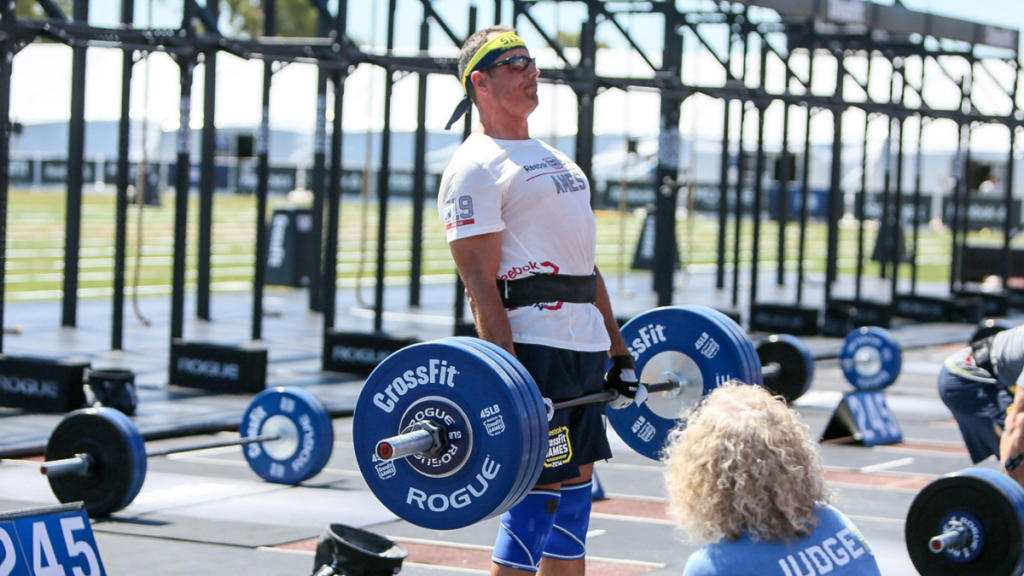
Use these gym hacks to speed up your hypertrophy and results.
What are the Advantages of Having More Muscle Mass?
Having more muscle mass can provide a range of advantages for the body and overall health. Here are some potential benefits:


Increased metabolic rate: Muscle mass requires more energy to maintain than fat, so having more muscle can help to increase your metabolism and burn more calories even while resting.
Improved insulin sensitivity: Muscle tissue plays a role in regulating blood sugar levels, so having more muscle mass can improve insulin sensitivity and reduce the risk of developing type 2 diabetes.
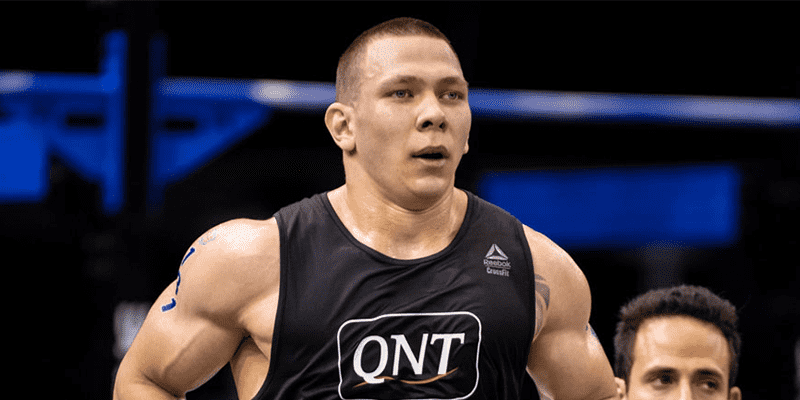
Better body composition: More muscle mass can lead to a more toned and defined physique, which can improve overall body composition and self-confidence.
Increased strength and endurance: Building more muscle can lead to increased strength and endurance, which can improve athletic performance and make everyday activities easier.
Improved bone health: Resistance training to build muscle can also help to improve bone density and reduce the risk of osteoporosis.
Reduced risk of injury: Stronger muscles can help to support joints and improve balance, reducing the risk of injury from falls or other accidents.
Improved cardiovascular health: Resistance training can help to lower blood pressure and improve heart health.
Overall, having more muscle mass can have a positive impact on many aspects of health and well-being.
Max Posternak is a fitness coach, entrepreneur, and the founder of the Gravity Transformation YouTube channel. He is known for his expertise in weight loss, body transformation, and nutrition.
Video – 8 Gym Hacks to Boost Muscle Growth
00:30 – #01 – Using Bands And Chains To improve Resistance Curves
03:08 – #02 – Train Later In The Afternoon to Early In The Evening
05:08 – #03 – Perform the ConcretricProtion of The Bench Press As Explosively As Possible
06:40 – #04 – Focusing on Your Priority Muscle Groups
07:57 – #05 – Consume Caffeine Before Your Morning Workout
09:02 – #06 – Implement Staggered Sets
10:46 – #07 – Avoiding Sexual Activity a Day Before a Leg Workout
11:32 – #08 – Using Knee Sleeves During Squats
Why are Bands and Chains Useful in Weightlifting?
Bands and chains are useful tools in weightlifting because they can provide accommodating resistance, which means that the resistance changes throughout the range of motion of an exercise. Here are some reasons why bands and chains are commonly used in weightlifting:
- Overcoming plateau: Using bands and chains can help to overcome plateaus in strength training. As the weight gets heavier, the resistance increases, making the exercise more challenging at the end of the range of motion, where the muscles are the strongest.
- Increased Power: By accommodating resistance, bands and chains help to develop power, which is the ability to generate force quickly. This is especially important for athletes, powerlifters, and weightlifters who need explosive strength to lift heavy weights or to perform explosive movements.
- Reduced Joint Stress: The use of bands and chains can help to reduce joint stress during exercises like squats, bench presses, and deadlifts. This is because the resistance is lighter at the bottom of the range of motion and heavier at the top, which reduces the stress on the joints at the bottom where they are most vulnerable.
- Improved Form: Bands and chains can help to improve lifting form and technique by forcing the lifter to control the weight throughout the entire range of motion.
- Versatile: Bands and chains can be used in a variety of exercises, from squats and deadlifts to bench presses and bicep curls, making them a versatile tool for strength training.
The use of bands and chains in weightlifting can help to increase strength, power, and muscle mass while also reducing joint stress and improving lifting technique.
Why is Training in the Afternoon or Evening Often Better for Weightlifting?
Training in the afternoon or evening is often better for weightlifting because the body tends to be more prepared for physical activity later in the day. Here are some reasons why:
Body Temperature: Body temperature is generally higher in the afternoon and evening, which can improve muscle function and increase flexibility. This can help to improve performance during weightlifting exercises and reduce the risk of injury.
Hormone Levels: Hormone levels, such as testosterone and cortisol, tend to be higher in the afternoon and evening. Testosterone is important for muscle growth and repair, while cortisol is a stress hormone that can help to increase energy levels and focus during a workout.
Food Intake: By the afternoon or evening, most people have eaten a few meals and have more energy available for physical activity. This can provide the necessary fuel to perform weightlifting exercises at a higher intensity and with better endurance.
Mental Alertness: Later in the day, people tend to be more mentally alert and focused. This can help to improve concentration and performance during weightlifting exercises.
Recovery: Training in the afternoon or evening can also help with recovery from earlier workouts in the day. This can allow the muscles to recover and repair, which can lead to better performance and results in the long term.
Training in the afternoon or evening can provide several advantages for weightlifting, including improved muscle function, hormone levels, energy levels, mental alertness, and recovery.
However, the best time to train ultimately depends on individual preferences and schedules, and it’s important to choose a time that works best for you and your lifestyle.
What are the Benefits of Knee Sleeves for Squatting?
Knee sleeves are a popular accessory among weightlifters, powerlifters, and CrossFitters, and they provide several benefits for squatting exercises, including:
Joint Support: Knee sleeves are designed to provide compression and support to the knee joint. This can help to reduce stress on the knee joint during squatting exercises, which can reduce the risk of injury and improve overall joint health.
Warmth and Compression: Knee sleeves provide warmth and compression to the knee joint, which can improve blood flow and help to reduce swelling and inflammation. This can help to reduce joint pain and stiffness, especially for those with knee arthritis or other knee conditions.
Increased Stability: Knee sleeves can also help to increase stability during squatting exercises, especially when lifting heavy weights. This can help to improve lifting technique and reduce the risk of injury.
Confidence: Knee sleeves can also provide a psychological benefit by giving lifters increased confidence and comfort during squatting exercises. This can lead to improved performance and better results in the long term.
Injury Prevention: Knee sleeves can help to prevent knee injuries, such as sprains, strains, and tendonitis, by providing additional support and reducing the risk of overextension or hyperextension of the knee joint.
Knee sleeves can provide several benefits for squatting exercises, including joint support, warmth and compression, increased stability, confidence, and injury prevention. However, it’s important to choose knee sleeves that fit properly and to use them in combination with proper lifting technique and other injury prevention strategies.
Learn More – Alternative Chest Exercises
Expand your training and fitness knowledge.
8 Excellent Core Workouts You Can Do At Home
15 Exercises Better Than Burpees For Fat Loss
Best Science-Based Diet for Fat Loss
22 Bodyweight Ab Exercises Ranked Worst to Best
5 Best Lazy Abs Exercises to Shrink Your Belly
Start Doing the Reverse Crunch – An Effective Ab Exercise to Get A Six-Pack
Beginner’s Guide to A Six-Pack – Eating and Training Tips
10 HIIT Exercises to Lose Belly Fat Faster