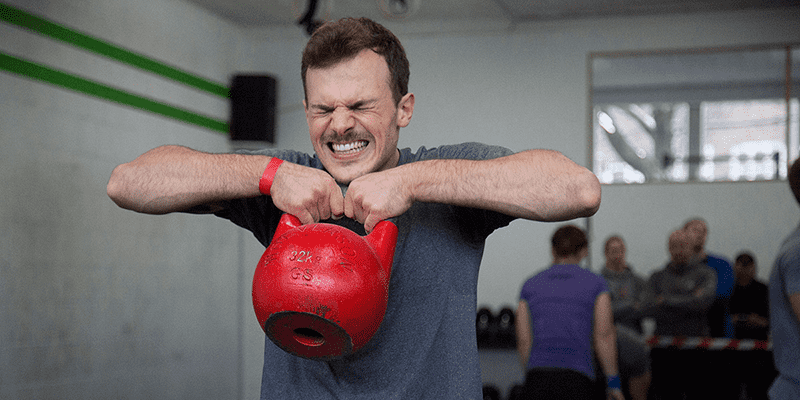
Is mouth breathing making you uglier? Find out more in the paragraphs that follow.
Before we begin digging into the aspects of mouth breathing and if that makes you ugly, we must acknowledge that attractiveness and being “ugly” or “pretty” is subjective. As one might say: “beauty is in the eye of the beholder.”


Uglier might mean one thing to you and another thing to someone else. The underlying fact here, and in the paragraphs below, is that mouth breathing will change how your face looks if done for an extended period of time through years.
The bulk of information below about whether mouth breathing can turn someone uglier was based on a conversation between Chris Williamson and Andrew Huberman.
Chris Williamson is the host of the “Modern Wisdom” podcast. The “Modern Wisdom” podcast covers a wide range of topics, including health, fitness, psychology, business, and personal development. Chris often interviews experts and thought leaders in these fields, providing insights and valuable information for his audience. He also has his own YouTube channel boosting close to 1.5 million subscribers.
Williamson shared a video in which he has a conversation with Andrew Huberman, Ph.D., a neuroscientist and tenured Professor in the Department of Neurobiology at the Stanford University School of Medicine
Related: Testing Andrew Huberman’s Protocols for Increasing Testosterone in 30 Days – Does it Work?
Check below all you need to know about the subject at end.

3 Muscles You Should Work More to Look Bigger and Attractive
Is Mouth Breathing Making You Uglier?
Although BOXROX is all about working out, nutrition tips and how to get fit and live longer and healthier, the following paragraphs will focus on a somewhat objective way of explaining how mouth breathing can change a person’s face.
Breathing is a hidden aspect of health and well-being that many people simply forget to research. However, when beginning the conversation, Huberman explains his arguments are based on a book by Sandra Kahn, Paul R. Ehrilch, and Robert M. Saposky titled Jaws: The Story of a Hidden Epidemic.
The book centres around a couple of core concepts:
- Mouth Breathing vs. Nasal Breathing: The book emphasizes a crucial distinction between mouth breathing and nasal breathing. Individuals, especially children, who habitually use mouth breathing over nasal breathing may experience significant changes in facial structure. Beyond aesthetics, it affects overall health by limiting oxygen intake, inducing a state of apnea, and impacting brain function.
- Chewing Hard Foods for Cranial-Facial Development: The act of chewing hard foods is highlighted as essential for proper cranial-facial development. The authors argue that the modern diet, often dominated by soft foods, contributes to dental issues and negatively influences facial aesthetics. Chewing tough foods, especially during childhood, is crucial for oral development, tooth health, and even correlates with cardiovascular and metabolic health.
- Orthodontia as a Consequence: The book challenges the conventional approach to orthodontia, suggesting that many interventions such as braces, headgear, and retainers are consequences of poor breathing habits and the consumption of soft foods. The argument is rooted in the idea that optimal cranial-facial development can be achieved through natural means, avoiding the need for extensive orthodontic interventions.
The authors elaborate on the mechanics of nasal breathing, highlighting its benefits beyond facial aesthetics. Nasal breathing enhances oxygen intake, promotes sinus health, and even contributes to a robust nasal microbiome, providing a natural defence against infections.
The sinuses, often misunderstood, are illuminated as plastic structures that can be influenced by deliberate nasal breathing. A well-balanced nasal microbiome becomes a powerful tool in capturing and neutralizing viruses, bacteria, and fungal infections, making nasal breathing a crucial aspect of respiratory health.
The book presents natural experiments showcasing the impact of lifestyle choices on facial development. It discusses images of twins raised differently, demonstrating how chewing tough foods can lead to more attractive facial features. Conversely, cases of children transitioning from nasal breathers to mouth breathers showcase visible changes, including a recessed chin and droopy eyes.
Related: How to Eat to Lose Belly Fat

Delving deeper into the profound revelations presented in “Jaws: A Hidden Epidemic,” we uncover a narrative that transcends the boundaries of conventional health literature. The exploration of mouth breathing as a hidden epidemic unveils an intricate web of connections between respiratory habits, facial aesthetics, and the holistic panorama of one’s well-being.
The crux of the book lies not in advocating for specific products or endorsing quick fixes, but rather in championing the power of intentional lifestyle changes. “Jaws” becomes a beacon guiding readers toward a profound understanding—that the journey to optimal cranial-facial development is not shrouded in complexity or reliant on external interventions. Instead, it unfolds through the simplicity of mindful habits and conscious choices.
- Interconnectedness of Breathing and Health: The narrative draws attention to the profound interconnectedness of breathing patterns with broader aspects of health. Beyond the oft-overlooked aesthetic implications, habitual mouth breathing is revealed as a potential contributor to systemic health issues. By weaving together the threads of oxygen intake, sinus health, and the nasal microbiome, the book underscores the importance of nasal breathing in maintaining overall well-being.
- A Natural and Effective Alternative: While modern society often gravitates toward technological solutions and quick fixes, “Jaws” takes a refreshing stance by advocating for natural and effective alternatives. The revelation that optimal cranial-facial development is within reach through mindful habits reshapes the narrative surrounding orthodontic interventions. The book presents a compelling argument: the path to transformative change lies not in elaborate products but in embracing innate practices aligned with the body’s natural rhythms.
- Practical Lifestyle Changes: The emphasis on practical lifestyle changes becomes a guiding principle for readers. The power of intentional nasal breathing, chewing hard foods, and maintaining a balanced diet emerges as tangible and actionable steps toward fostering cranial-facial health. By encouraging readers to integrate these habits into their daily lives, “Jaws” serves as a practical guide, offering tools that are readily accessible and applicable to individuals across diverse lifestyles.
- Empowerment Through Mindful Habits: Beyond the dissemination of information, the book becomes a source of empowerment. It empowers readers to take charge of their own health by making conscious choices aligned with the principles of optimal cranial-facial development. The simplicity of these habits—breathing through the nose, chewing intentionally, and embracing a balanced diet—becomes a source of empowerment, demystifying the often perplexing terrain of health and well-being.
How To Take the Fitness Age Challenge and Find Out How Old You Really Are
In conclusion, “Jaws: A Hidden Epidemic” not only sheds light on the subtle epidemic of mouth breathing but also invites readers into a transformative journey. It paints a canvas where the interconnectedness of breathing, facial aesthetics, and overall health becomes evident. By steering clear of product endorsements and focusing on practical lifestyle changes, the book emerges as a beacon of empowerment, illuminating a natural and effective alternative to extensive orthodontic interventions. As readers absorb these insights, they find themselves equipped with the tools to embrace mindful habits and embark on a path toward holistic well-being.
You can see the conversation between Huberman and Williamson about mouth breathing and its impact on a person’s facial structure in the video below.