Sit-ups have long been a go-to exercise for those looking to sculpt their abdominal muscles.
However, recent fitness trends and a deeper understanding of biomechanics have led experts to question whether sit-ups truly deserve their reputation as the ultimate ab workout.


Here are three compelling reasons why sit-ups might not be the best choice for building a strong and toned core.
Risk of Lower Back Strain
One of the primary concerns with traditional sit-ups is the strain they place on the lower back. The repetitive motion of flexing the spine can lead to overuse and discomfort, especially for individuals with pre-existing lower back issues.
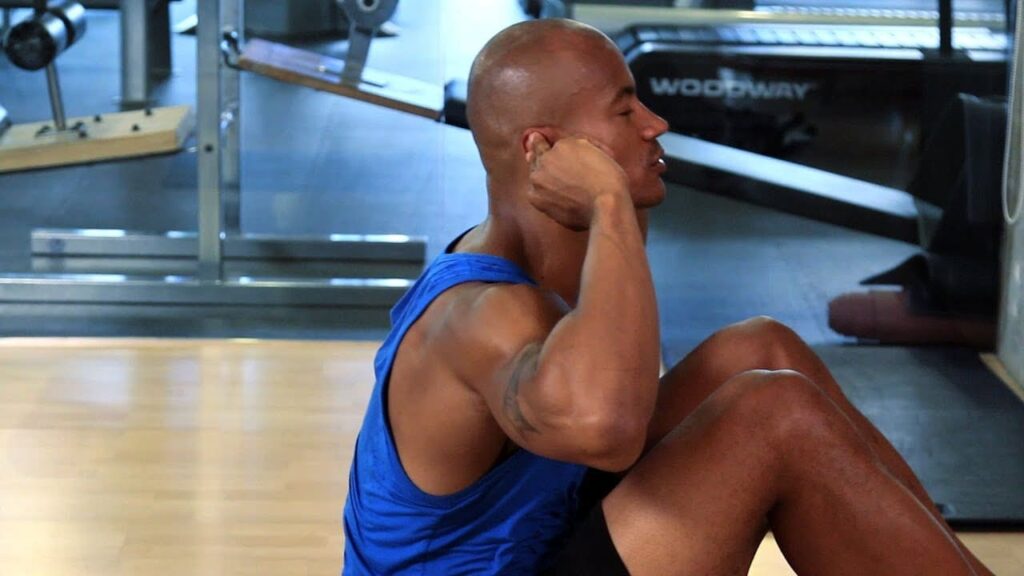
This strain may not only hinder your workout progress but could potentially lead to injuries over time.
Limited Muscle Activation
Sit-ups primarily target the rectus abdominis, the muscle responsible for the “six-pack” appearance. While this is beneficial, an effective ab workout should engage a broader range of muscles for overall core strength and stability.
Sit-ups, however, tend to neglect the deeper core muscles, such as the transverse abdominis and obliques, limiting the comprehensive development of the core.
Neck and Hip Flexor Strain
Another drawback of sit-ups is the strain they can place on the neck and hip flexors. Many individuals tend to use their neck muscles to pull themselves up during sit-ups, leading to unnecessary strain. Additionally, the repeated flexion of the hips can contribute to tight hip flexors, potentially causing discomfort and postural issues.
In light of these concerns, it’s essential to explore alternative exercises that not only target the abdominal muscles more effectively but also promote overall core strength and prevent potential injuries.

Let’s delve into three better alternatives: the Front Squat, Strict Toes to Bar, and Hollow Hold, each offering unique benefits for a well-rounded ab workout.
Front Squat: A Superior Alternative for Core Engagement and Stability
When it comes to building a strong and stable core, the front squat emerges as a powerhouse exercise that goes beyond targeting just the legs.
This compound movement not only works the quadriceps, hamstrings, and glutes but also demands significant engagement from the core muscles. Here’s why the front squat stands out as a superior alternative to traditional sit-ups for achieving a well-defined and robust midsection.
Core Activation Throughout
Unlike sit-ups, which primarily isolate the rectus abdominis, the front squat engages the entire core throughout the movement. The need to stabilize the barbell on the front of the shoulders forces the core muscles, including the transverse abdominis and obliques, to work synergistically to maintain an upright posture. This holistic activation promotes a well-rounded development of the core.
Functional Strength for Real-life Activities
Front squats mimic real-life movements, making them a functional exercise that translates into improved overall strength.
Whether you’re lifting groceries, picking up a child, or performing any other daily activity, the core stability developed through front squats contributes to better posture and reduced risk of injury in everyday tasks.
Reduced Strain on the Lower Back
Unlike sit-ups, which can strain the lower back, front squats distribute the load more evenly across the body.
The upright torso position in a front squat minimizes stress on the lumbar spine, making it a safer option for individuals with lower back concerns. This makes the front squat not only an effective ab exercise but also a more sustainable one in the long run.
Versatility and Scalability
Front squats can be easily adapted to different fitness levels. Whether you’re a beginner using body weight or an advanced lifter incorporating heavy barbells, the front squat can be scaled to match your strength and skill level.
This versatility makes it an accessible and effective option for individuals at various points in their fitness journey.
Incorporating front squats into your workout routine can not only enhance your core strength and stability but also add variety to your training regimen.
As we move away from traditional ab exercises like sit-ups, embracing functional movements like the front squat can contribute to a more well-rounded and resilient physique. Stay tuned as we explore more alternatives that challenge the status quo of abdominal workouts.
Strict Toes to Bar: Elevating Your Ab Workout with Precision and Control
In the pursuit of a chiseled midsection, it’s essential to explore exercises that not only target the abdominal muscles but also demand precision and control.
Enter the strict toes to bar, a dynamic and challenging movement that takes your ab workout to new heights. Let’s delve into why strict toes to bar is a superior alternative to traditional sit-ups, offering a unique blend of strength, flexibility, and core engagement.
Full Range of Motion for Abdominal Activation
Unlike sit-ups, which can sometimes involve momentum and incomplete range of motion, strict toes to bar demand a full and controlled movement.
The exercise requires lifting your legs until your toes touch the bar overhead, ensuring maximum activation of the entire abdominal region. This increased range of motion contributes to a more comprehensive and effective ab workout.
Emphasis on Scapular and Grip Strength
Strict toes to bar not only target the core but also place significant emphasis on scapular and grip strength.
The hanging position challenges your scapular muscles, contributing to improved shoulder stability. Additionally, maintaining a strong grip on the bar engages the forearm and hand muscles, promoting overall upper body strength and endurance.
Coordination and Body Awareness
Performing strict toes to bar requires a high level of coordination and body awareness. The controlled movement from a hanging position to toes reaching the bar demands not only strength but also precision. This heightened focus on form enhances neuromuscular control, contributing to improved overall athleticism and functional movement patterns.
Variability and Progressive Challenge
Strict toes to bar offer room for variability and progressive challenge. Beginners can start by working on hanging knee raises before progressing to the full toes to bar movement.
As your strength and flexibility improve, you can further challenge yourself by incorporating variations, such as L-sit toes to bar or windshield wipers. This scalability makes strict toes to bar suitable for individuals of various fitness levels.
By incorporating strict toes to bar into your ab workout routine, you elevate the challenge and effectiveness of your training. This exercise not only targets the core muscles but also enhances overall upper body strength and coordination.
As we move away from conventional ab exercises, strict toes to bar emerges as a dynamic and rewarding alternative, paving the way for a more comprehensive and functional core workout. Stay tuned as we explore another innovative alternative to sit-ups: the Hollow Hold.
Hollow Hold: The Ultimate Ab Exercise for Building Core Strength
When it comes to sculpting a strong and defined core, the hollow hold stands out as a powerhouse exercise that targets the entire abdominal region.
As we reevaluate traditional ab workouts, the hollow hold emerges as a superior alternative to sit-ups, offering unparalleled benefits for core strength, stability, and muscular endurance.
Let’s explore why the hollow hold deserves a prime spot in your ab workout routine.
Comprehensive Core Engagement
The hollow hold is a static exercise that requires maintaining a “hollow” position, lifting both the upper and lower body off the ground.
This position engages not only the rectus abdominis but also the deeper core muscles, including the transverse abdominis and obliques. The result is a comprehensive and well-rounded activation of the entire core, contributing to a sculpted and functional midsection.
Spinal Stability and Posture Improvement
Unlike sit-ups, which involve repetitive spinal flexion, the hollow hold promotes spinal stability. The isometric nature of the exercise challenges the core muscles to maintain a neutral spine, contributing to improved posture.
Strengthening the core in this way not only enhances aesthetics but also reduces the risk of lower back discomfort and injuries associated with poor posture.
Minimal Strain on the Neck and Lower Back
One common drawback of sit-ups is the strain they can place on the neck and lower back. The hollow hold, being a ground-based exercise, eliminates these concerns.
The focus on maintaining a lifted position without the need for repetitive spinal flexion minimizes stress on the neck and lower back, making it a safer alternative for individuals with pre-existing issues in these areas.
Adaptable for All Fitness Levels
The beauty of the hollow hold lies in its adaptability. Whether you’re a beginner or an advanced fitness enthusiast, the exercise can be modified to suit your current fitness level. Beginners can start with a tucked position and gradually progress to a full hollow hold as strength and endurance improve. This scalability makes it an inclusive option for individuals at various stages of their fitness journey.
Enhanced Muscular Endurance
Holding the hollow position challenges your core muscles to work isometrically, promoting muscular endurance. This endurance is crucial not only for aesthetic goals but also for overall functional fitness. Improved core endurance translates to better performance in various physical activities and reduces the risk of fatigue-related injuries.
As we shift our focus away from traditional sit-ups, the hollow hold emerges as a versatile and effective exercise for building core strength and stability. Incorporating this ultimate ab exercise into your routine can lead to a more sculpted midsection, improved posture, and enhanced overall functional fitness. Stay tuned as we continue to explore innovative alternatives for a well-rounded and powerful core workout.
Ditching the Traditional: Exploring Smarter Alternatives for Stronger Abs
In the ever-evolving landscape of fitness, it’s essential to question conventional wisdom and seek out exercises that not only challenge us but also promote optimal results.
When it comes to sculpting a stronger and more resilient core, it’s time to ditch the traditional sit-ups and explore smarter alternatives that offer superior benefits. Let’s delve into three innovative exercises that go beyond the norm, providing a fresh perspective on abdominal workouts.
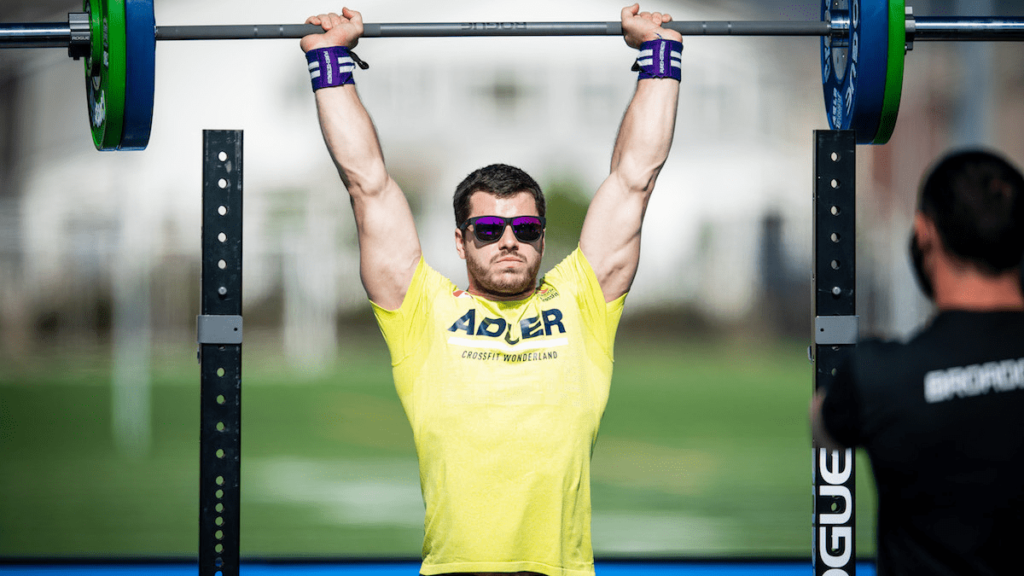
The front squat, typically associated with leg workouts, takes center stage as a core-centric exercise that surpasses the benefits of sit-ups. Unlike the isolated nature of sit-ups, the front squat demands total body engagement, especially from the core.
The need to stabilize the barbell on the front of the shoulders requires the activation of deep core muscles, providing a holistic approach to core strength. Additionally, the reduced strain on the lower back makes front squats a safer and more sustainable alternative for a robust midsection.
Moving away from the familiar sit-up motion, strict toes to bar introduce an element of precision and control to your ab workout.
This dynamic exercise, performed by lifting the legs until the toes touch the bar overhead, demands a full range of motion and engages the entire abdominal region. Beyond core activation, strict toes to bar emphasize scapular and grip strength, enhancing overall upper body functionality. The variability and scalability of this exercise make it accessible for individuals at different fitness levels, ensuring a challenging yet adaptable workout.
The hollow hold, an isometric exercise that requires maintaining a lifted position, emerges as the ultimate ab exercise for building core strength. This static movement engages both the superficial and deep core muscles, promoting comprehensive development.
Unlike sit-ups, the hollow hold minimizes strain on the neck and lower back, focusing on spinal stability and improved posture. Its adaptability for all fitness levels, coupled with the enhancement of muscular endurance, positions the hollow hold as a versatile and effective alternative in the quest for stronger abs.
By exploring these smarter alternatives, we move beyond the limitations of traditional sit-ups and embrace exercises that offer not only aesthetic benefits but also improved functionality and reduced risk of injury.
As the fitness landscape continues to evolve, incorporating innovative movements into your routine can lead to a more well-rounded and powerful core. Stay tuned as we continue to challenge the status quo and uncover additional alternatives for achieving the strongest abs of your life.
Check out more content from BOXROX:
How to Increase Chest Size and Strength
Best Way to Train the Chest for Hypertrophy (Muscle Mass)