These are the 3 best and worst chest exercises for muscle growth according to science.
Embarking on the intricate journey of sculpting a robust and well-defined chest demands not just enthusiasm but also a strategic understanding of the plethora of exercises available. In this realm of fitness intricacies, Jeremy Ethier emerges as a guiding force, a seasoned fitness trainer, and a distinguished Kinesiology graduate. As the co-founder of Built With Science, Jeremy brings not only a wealth of experience but also a dedicated following of over 6 million subscribers on his YouTube channel.


The realm of chest workouts can be overwhelming, with countless exercises promising varying degrees of effectiveness. For those navigating this maze without a clear starting point or a discerning eye, Jeremy Ethier serves as a beacon of expertise, offering not just exercises but a carefully curated selection of the best and worst for fostering chest muscle growth.
Jeremy’s background in Kinesiology adds a layer of scientific precision to his fitness recommendations. His commitment to delivering information with clarity, backed by thorough background research, establishes him as a trusted source in the ever-evolving world of fitness. In a landscape often cluttered with conflicting advice, Jeremy’s ability to distill complex concepts into comprehensible insights sets him apart.
As we embark on this exploration of chest exercises, Jeremy not only highlights exercises that could potentially hinder progress but goes a step further, providing superior alternatives. His mission is not merely to showcase exercises but to empower individuals with the knowledge to make informed choices tailored to their unique fitness journeys.
In a fitness culture inundated with trends and fads, Jeremy’s approach stands as a testament to the enduring principles of effective training. Through his meticulous evaluation of common chest exercises, he challenges conventional wisdom, inviting enthusiasts to reevaluate their routines and adopt innovative approaches for optimal results.
15 Muscle Building Mistakes You Could be Making
The journey towards chest muscle growth is not just a physical endeavor; it’s a mental and strategic one. With Jeremy Ethier as our guide, we are not just presented with exercises but with a roadmap, a scientific understanding, and a nuanced perspective that transforms our approach to chest workouts. In this exploration, we don’t merely witness exercises; we gain insights that transcend the immediate workout, contributing to a holistic understanding of fitness science.
As we delve into Jeremy Ethier’s insights on the 3 best and 3 worst exercises for forcing chest muscle growth, we are invited not only to observe but to participate actively in our fitness evolution. The video below becomes more than just a demonstration; it becomes a key to unlocking the secrets of chest development, unraveling the science behind each movement.
So, let’s embark on this journey with Jeremy Ethier, not just as spectators but as active participants in the pursuit of a stronger, more sculpted chest.
Upper Chest Exercises Ranked (BEST TO WORSE)
The 3 Best and Worst Chest Exercises for Muscle Growth
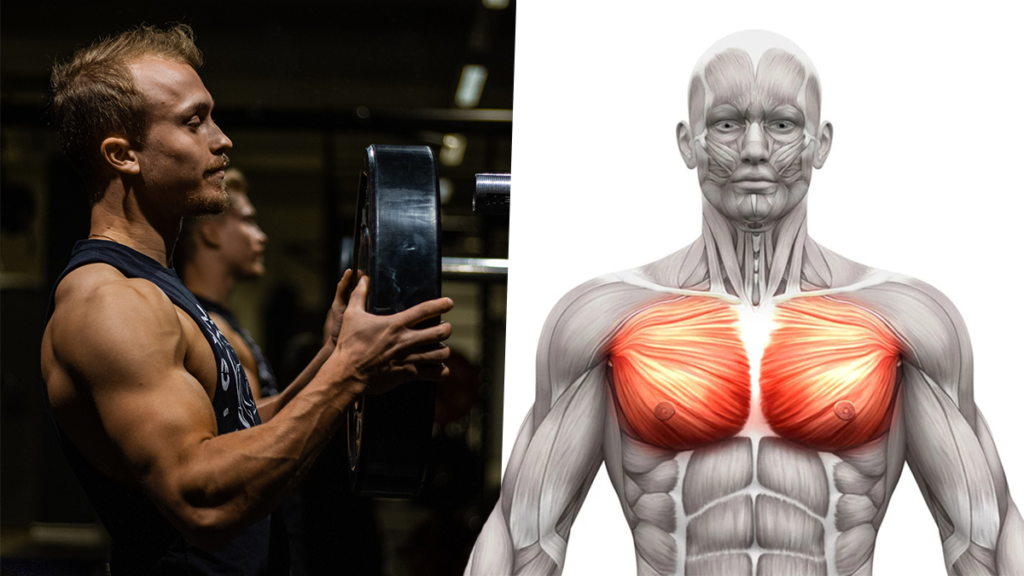
In his quest to enhance chest development, Jeremy systematically addresses three common chest exercises that might be hindering progress. The incline bench press, a seemingly ubiquitous choice, faces scrutiny for potential shortcomings related to bench and elbow angles. Contrary to conventional wisdom, an excessively high bench angle is not deemed crucial for effective upper chest targeting. This revelation prompts a re-evaluation of the incline bench press, challenging the status quo.
Enter the strategic alternative – the low incline dumbbell press at approximately 15 degrees. Jeremy advocates for this nuanced shift, often corresponding to the first or second notch on the bench. The choice of dumbbells over barbells proves pivotal, allowing for a maintained elbow angle of 45 degrees during pressing. This alignment with upper chest muscle fibers amplifies engagement, setting the stage for optimal chest growth. The flexibility of dumbbells also emerges as an advantage, empowering individuals to adjust wrist positions without subjecting joints to unnecessary strain.
Jeremy’s discerning eye then turns to the once-admired dumbbell fly, dissecting its efficacy with a scientific lens. While celebrated for isolating the chest in the bottom segment of the movement, its impact diminishes beyond that point. Undeterred by this limitation, Jeremy proposes a modification to sustain continuous tension on the chest throughout the entire range of motion. The conventional bench undergoes a transformative repositioning vertically, sandwiched between two cables set at chest height. This innovative setup facilitates a fly exercise that maintains consistent chest tension, with a nod to versatility by suggesting the use of resistance bands in the absence of cables.
8 Mistakes Everyone Does Trying to Get Shredded
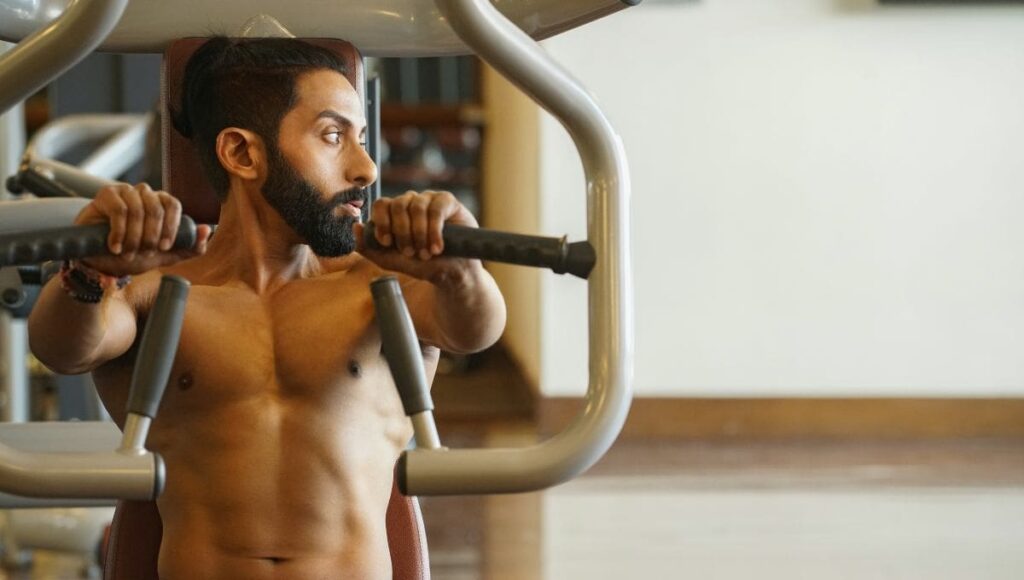
The “Instagram famous” pinch press, often hailed for its visual appeal, falls under Jeremy’s critical examination. While popular, it primarily induces isometric contraction in the chest, deemed less effective for muscle building. Front deltoids and triceps emerge as the primary beneficiaries, stealing the limelight. Jeremy introduces a game-changing alternative – the cross body press. Executed using a machine or cable, this exercise demands a 90-degree angle setup, enabling one-arm pushes across the body. The same effect can be achieved with a handle attachment on a cable or a resistance band. This modification not only retains the potent activation and squeeze of the chest but elevates it by ensuring the appropriate contraction for optimal growth.
For those intrigued and eager to delve deeper into Jeremy Ethier’s insights, the invitation is extended to watch the accompanying video. In this visual exploration, Jeremy elucidates the 3 best and 3 worst exercises, providing a holistic understanding of the nuanced science behind fostering chest muscle growth.
10 Diet Mistakes That Are Ruining Your Muscle Gains
Engaging in chest training brings about a myriad of advantages that extend beyond the confines of a single muscle group. Here are compelling reasons why incorporating chest exercises into your fitness routine can be a game-changer:
- Strengthening Chest Muscles: Key exercises like bench press, push-ups, and dumbbell flyes target and fortify your chest muscles. By doing so, you enhance your overall upper body strength, facilitating daily activities that involve pushing or pulling motions.
- Aesthetics: Beyond the functional benefits, cultivating a well-defined chest contributes to the aesthetics of your physique. A developed chest creates a sense of balance and proportion, elevating the overall visual appeal of your upper body.
- Improved Posture: A robust chest plays a pivotal role in posture improvement. It acts as a stabilizing force, pulling your shoulders back and aiding in the maintenance of an upright position. This not only fosters better alignment but also mitigates the effects of prolonged slouching.
- Increased Metabolism: The benefits extend to your metabolic rate. Chest exercises contribute to a metabolic boost, enhancing your body’s calorie-burning efficiency throughout the day. This can be particularly advantageous for those aiming to manage or lose weight.
- Enhanced Athletic Performance: The impact of chest training reverberates across various sports and physical activities that necessitate upper body strength. Whether you’re engaging in basketball, football, or rock climbing, a strong chest can significantly elevate your athletic performance, providing the power and stability needed for these endeavors.
In essence, training your chest transcends the singular focus on muscle development. It becomes a holistic investment in your overall fitness, encompassing strength, aesthetics, posture, metabolism, and athletic prowess. So, consider incorporating these chest exercises not just for the sculpted physique but for the multifaceted benefits they bring to your physical well-being.
How to Increase Chest Size and Strength
The optimal frequency for chest training hinges on various factors, including your fitness objectives, overall level of fitness, and the structure of your training regimen.
As a general guideline, it is advisable to engage in chest muscle training at least once a week to witness enhancements in both strength and muscle growth. Nevertheless, some individuals, particularly seasoned lifters with specific chest-targeting goals, may find benefit in more frequent training sessions, ranging from 2-3 times per week.
Crucially, it’s imperative to avoid training your chest muscles on consecutive days. Doing so poses the risk of overtraining, potentially leading to fatigue and an increased susceptibility to injury. Introducing adequate rest intervals between sessions is equally vital, granting your muscles the necessary time to recuperate and undergo the reparative processes essential for growth. Striking the right balance between training frequency and recovery is key to optimizing your chest workout routine and ensuring sustained progress.
Best Way to Train the Chest for Hypertrophy (Muscle Mass)