Achieving the perfect upper body physique requires a well-rounded and effective workout regimen, and when it comes to building strength and aesthetics, few tools are as versatile as the barbell.
Whether you’re a seasoned gym enthusiast or just embarking on your fitness journey, incorporating the right barbell exercises can make a significant difference in sculpting a powerful and visually appealing upper body.


In this article, we’ll explore the five best barbell exercises designed to target key muscle groups and help you achieve the upper body of your dreams.
From the foundational Bench Press to the intricacies of targeted bicep and tricep work, we’ll guide you through the essential movements, providing insights into form, benefits, and programming to maximize your results. Get ready to elevate your upper body training and take strides toward the physique you’ve always desired.
The Importance of Upper Body Strength:
Building a strong and well-defined upper body extends far beyond mere aesthetics; it plays a pivotal role in enhancing overall physical health, functional fitness, and daily performance.
The upper body encompasses various muscle groups, including the chest, shoulders, back, biceps, and triceps, each contributing to a range of movements crucial for daily activities and athletic pursuits. Here’s a closer look at why upper body strength is so vital:
Functional Independence:
A strong upper body is essential for performing daily tasks, such as lifting groceries, carrying children, and reaching for items on high shelves. It contributes to overall functional independence and makes daily activities more manageable.
Posture and Spinal Support:
Well-developed upper back muscles, including the trapezius and rhomboids, play a key role in maintaining proper posture. Strong upper body muscles help support the spine, reducing the risk of chronic back pain and promoting a healthy, upright posture.
Enhanced Athletic Performance:
Whether you’re an athlete or a fitness enthusiast, upper body strength is crucial for optimal athletic performance. Strong shoulders, chest, and back muscles contribute to improved agility, stability, and power, enhancing performance in various sports and physical activities.
Metabolism Boost:
Building muscle, including the upper body muscles, contributes to an increased metabolic rate. As muscle tissue requires more energy at rest than fat, maintaining and building upper body strength can aid in weight management and overall metabolic health.
Injury Prevention:
Strengthening the muscles surrounding joints in the upper body, such as the shoulders and elbows, can contribute to injury prevention. A balanced and well-conditioned upper body provides stability and support, reducing the risk of strains and injuries during physical activities.
Confidence and Aesthetics:
Beyond the physical benefits, a well-defined upper body can boost confidence and self-esteem. Achieving a sculpted and muscular upper body is a common fitness goal, and the results often translate to a positive self-image and increased confidence.
Incorporating exercises that target the upper body into your fitness routine is a holistic approach to overall health and fitness. The benefits extend beyond the gym, positively impacting various aspects of your daily life. As we delve into the best barbell exercises for the upper body, keep in mind the multifaceted advantages that come with developing strength in these crucial muscle groups.
Choosing the Right Barbell Exercises
Selecting the appropriate barbell exercises is a critical aspect of any well-rounded strength training program. The right combination of movements can effectively target key muscle groups in the upper body, promoting balanced development and overall functional strength. Here are some considerations to guide your selection of barbell exercises:
Individual Goals:
Begin by clarifying your fitness goals. Are you aiming for muscle hypertrophy, strength gains, or a combination of both? Different barbell exercises emphasize various aspects of fitness, so align your choices with your specific objectives.
Compound vs. Isolation Movements:
Barbell exercises can be broadly categorized into compound and isolation movements. Compound exercises involve multiple muscle groups and joints, making them efficient for overall strength development. Examples include the Bench Press and Barbell Rows. Isolation exercises, on the other hand, target specific muscles and can be beneficial for fine-tuning and targeting individual areas, such as Barbell Curls.
Balanced Muscle Engagement:
Strive for a well-balanced approach to muscle engagement. Ensure that your chosen barbell exercises address all major muscle groups in the upper body, including the chest, shoulders, back, and arms. This helps prevent muscle imbalances and promotes overall symmetry.
Skill Level and Experience:
Consider your skill level and experience with weightlifting. Beginners may benefit from starting with foundational movements like the Barbell Bench Press and Overhead Press before progressing to more complex exercises. As you gain experience, you can incorporate advanced movements to challenge your muscles further.
Equipment Availability:
Assess the equipment available to you. Some barbell exercises may require additional equipment, such as a power rack or a bench. Ensure that your workout space is equipped to support the exercises you plan to include in your routine.
Programming Variety:
Incorporate a variety of barbell exercises to keep your workouts engaging and to challenge your muscles in different ways. This not only prevents monotony but also ensures comprehensive muscle development over time.
Now that you understand the key factors to consider when choosing barbell exercises, let’s delve into the specifics of each exercise. The following sections will highlight the top five barbell exercises for building the perfect upper body, providing insights into their benefits, proper form, and how to integrate them into a well-structured workout routine. Whether you’re a beginner or a seasoned lifter, these exercises are designed to contribute to your journey toward a stronger, more sculpted upper body.
Bench Press: The King of Upper Body Exercises
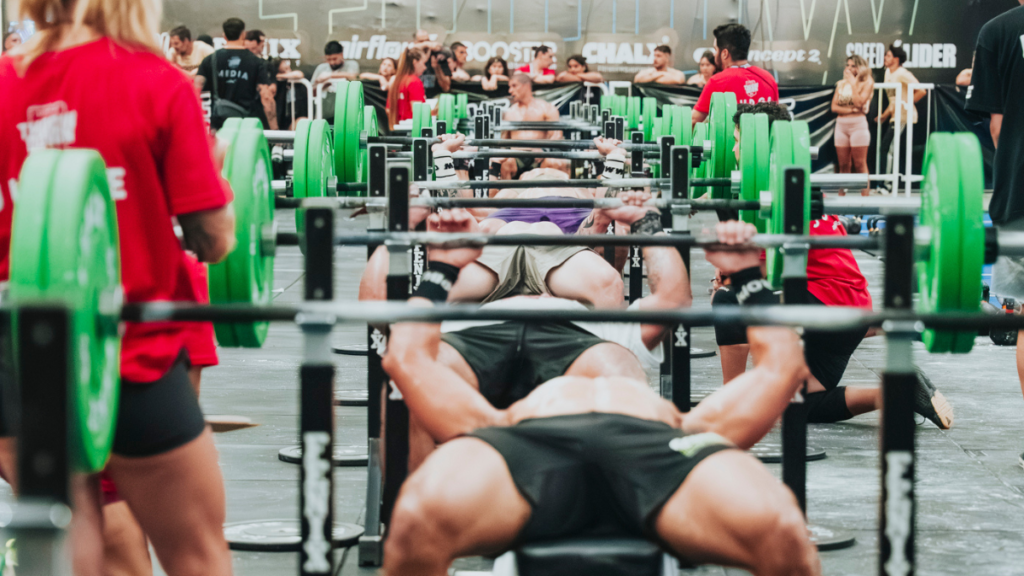
When it comes to building upper body strength and a well-defined chest, few exercises hold as much acclaim as the Bench Press.
Regarded as the cornerstone of upper body workouts, the Bench Press engages multiple muscle groups, making it an indispensable compound movement. Here’s a closer look at why the Bench Press is considered the king of upper body exercises:
Comprehensive Muscle Engagement:
The Bench Press primarily targets the pectoral muscles, emphasizing both the upper and lower chest. However, it also engages the anterior deltoids, triceps, and various stabilizing muscles in the shoulders and upper back. This comprehensive engagement makes it a go-to exercise for overall upper body development.
Strength and Power Building:
The nature of the Bench Press allows lifters to handle significant amounts of weight, making it an effective exercise for building both strength and power. Progressive overload, achieved by gradually increasing the weight lifted, is key to continuous gains in upper body strength.
Versatility:
The Bench Press is highly versatile, adaptable to various training goals. By adjusting grip width and bar path, lifters can emphasize different muscle groups. For example, a wider grip places more emphasis on the outer chest, while a narrower grip targets the triceps.
Bench Press Variations:
Variations of the Bench Press, such as the Incline Bench Press and Decline Bench Press, provide additional benefits. The Incline Bench Press targets the upper chest and shoulders, while the Decline Bench Press places greater emphasis on the lower chest.
Improved Bone Density:
Weight-bearing exercises like the Bench Press stimulate the bones, promoting increased bone density. This not only contributes to overall skeletal health but also reduces the risk of conditions like osteoporosis.
Proper Bench Press Form:
To maximize the effectiveness of the Bench Press and minimize the risk of injury, proper form is crucial. Start by lying flat on a bench with your feet planted firmly on the ground. Grip the barbell with hands slightly wider than shoulder-width apart. Lower the bar to your chest, keeping your elbows at a 90-degree angle, and then press the bar back up to the starting position.
Incorporating the Bench Press into Your Routine:
Depending on your training split, aim to include the Bench Press in your routine 1-3 times per week. Vary the intensity and volume to accommodate your goals, whether it’s strength, hypertrophy, or endurance.
The Bench Press remains a time-tested and highly effective exercise for anyone looking to build a robust upper body. As we explore additional barbell exercises in this series, keep in mind that incorporating the Bench Press into your routine lays a solid foundation for achieving the perfect-looking upper body.
Overhead Press: Sculpting Strong Shoulders
The Overhead Press, often referred to as the “shoulder press” or “strict press,” is a fundamental barbell exercise renowned for its ability to sculpt powerful shoulders and develop upper body strength.
Targeting the deltoid muscles, trapezius, and triceps, the Overhead Press is a key movement for achieving well-rounded shoulder development. Let’s delve into why this exercise is essential for sculpting strong shoulders:
Deltoid Emphasis:
The primary focus of the Overhead Press is on the deltoid muscles, which consist of the anterior, lateral, and posterior heads. This exercise contributes to balanced shoulder development, creating a well-defined and aesthetically pleasing appearance.
Functional Strength:
The Overhead Press mimics real-world movements that require pushing objects overhead. This functional aspect of the exercise translates to enhanced upper body strength applicable in daily activities and sports.
Core Engagement:
To stabilize the bar overhead, the core muscles must engage, promoting core strength and stability. This additional benefit makes the Overhead Press a compound movement that not only sculpts the shoulders but also strengthens the core.
Triceps Activation:
As you press the barbell overhead, the triceps play a significant role in extending the elbow joint. This activation of the triceps contributes to overall arm development, complementing the work done during other upper body exercises.
Improved Posture:
Strong and well-developed shoulders contribute to better posture. The Overhead Press targets the muscles responsible for scapular retraction, helping to counteract the forward slouching often associated with poor posture.
Proper Overhead Press Form:
Begin with the barbell racked at shoulder height. Grip the bar with hands slightly wider than shoulder-width apart. Press the bar overhead in a straight line, finishing with your arms fully extended. Ensure that your head moves slightly back to allow the bar to clear your face. Lower the bar under control to the starting position.
Incorporating the Overhead Press into Your Routine:
Include the Overhead Press in your upper body or push-focused workouts. Aim for 3-4 sets of 6-10 repetitions, adjusting the weight based on your strength and goals. Prioritize proper form and gradually increase the weight as you become more proficient.
As we explore the best barbell exercises for building the perfect upper body, the Overhead Press stands out as a key movement for sculpting strong and defined shoulders. Whether you’re aiming for aesthetics, functional strength, or overall shoulder health, incorporating this exercise into your routine is a strategic step toward achieving your fitness goals.
Barbell Rows: Building a V-Shaped Back
If you’re on a quest to achieve a powerful and aesthetically pleasing upper body, focusing on your back development is essential. Barbell Rows, particularly the Bent Over Barbell Row, emerge as a cornerstone exercise for sculpting a V-shaped back – a physique characteristic often associated with strength and athleticism.
Let’s explore why Barbell Rows are crucial for building a back that commands attention:
Emphasis on Back Thickness:
Barbell Rows target the muscles of the upper and mid-back, emphasizing the development of back thickness. This contributes to a broader and more robust appearance, especially when viewed from the rear.
Lat Engagement:
The primary muscle engaged during Barbell Rows is the latissimus dorsi, or “lats.” Strengthening and developing the lats create the illusion of a wider and more tapered waistline, enhancing the V-shaped silhouette.
Rhomboid and Trapezius Development:
In addition to the lats, Barbell Rows work the rhomboid and trapezius muscles, contributing to overall back development. A well-developed upper back adds depth and detail to the V-shape, creating a visually striking physique.
Compound Movement Benefits:
Barbell Rows are a compound movement, involving multiple joints and muscle groups. This makes them an efficient and time-effective choice for building strength and muscle mass in the upper back.
Improved Posture:
Strengthening the muscles of the upper back through Barbell Rows promotes better posture. The exercise helps counteract the forward-leaning posture associated with prolonged periods of sitting, contributing to a more upright and confident stance.
Proper Barbell Row Form:
Begin by standing with your feet shoulder-width apart and a slight bend in your knees. Bend at the hips to lean forward, keeping your back straight.
Grasp the barbell with a grip slightly wider than shoulder-width. Pull the barbell toward your lower chest, squeezing your shoulder blades together at the top of the movement. Lower the barbell back down under control.
Incorporating Barbell Rows into Your Routine:
Include Barbell Rows in your back-focused workouts. Aim for 3-4 sets of 8-12 repetitions, ensuring that the weight challenges you while maintaining proper form. Consider alternating between overhand and underhand grips to target different areas of the back.
As we explore the best barbell exercises for crafting the perfect upper body, Barbell Rows take center stage for those aspiring to build a V-shaped back. By incorporating this powerful compound movement into your training regimen, you’ll be on your way to achieving a back that not only enhances your physique but also reflects strength and symmetry.
Barbell Curl: Targeting Biceps for Aesthetics
When it comes to sculpting impressive arms, the Barbell Curl stands out as a quintessential exercise that specifically targets the biceps.
Renowned for its simplicity and effectiveness, this movement is a staple in any well-rounded upper body workout, contributing significantly to the aesthetic appeal of the arms.
Isolation of the Biceps:
The Barbell Curl isolates the biceps, emphasizing the contraction of the muscles during the curling motion. This isolation allows for focused development of the biceps brachii, the primary muscle responsible for elbow flexion.
Aesthetic Definition:
Well-developed biceps contribute to the overall aesthetics of the arms. The Barbell Curl targets both the short and long heads of the biceps, promoting balanced development and creating a visually pleasing, rounded appearance.
Progressive Overload:
Barbell Curls offer a straightforward way to implement progressive overload, a key principle for muscle growth. By gradually increasing the weight lifted over time, you stimulate continuous muscle adaptation and hypertrophy in the biceps.
Time Efficiency:
The simplicity of the Barbell Curl makes it a time-efficient exercise for targeting the biceps. Whether you’re a beginner or an experienced lifter, incorporating this exercise into your routine is a straightforward way to prioritize bicep development.
Versatility:
Barbell Curls can be easily modified to target different areas of the biceps. Adjusting grip width and hand positioning can shift the emphasis between the short and long heads of the biceps, providing versatility in your training.
Proper Barbell Curl Form:
Stand with your feet shoulder-width apart, gripping the barbell with hands slightly wider than shoulder-width. Keep your elbows close to your torso and curl the barbell towards your shoulders, focusing on a full range of motion. Lower the barbell back down under control, avoiding excessive swinging or body movement.
Incorporating Barbell Curls into Your Routine:
Include Barbell Curls in your arm-focused workouts. Aim for 3-4 sets of 8-12 repetitions, selecting a weight that allows you to maintain proper form while challenging the biceps. Consider incorporating variations, such as preacher curls or incline curls, to target the biceps from different angles.
As we explore the best barbell exercises for crafting the perfect upper body, the Barbell Curl takes center stage for those seeking to enhance the aesthetic appeal of their arms. By consistently incorporating this targeted bicep exercise into your training routine, you’ll be on your way to achieving arms that reflect strength, symmetry, and visual impact.
Skull Crushers: Triceps Definition and Strength
Skull Crushers, also known as lying triceps extensions, are a potent barbell exercise designed to target the triceps, the three-headed muscle located at the back of the upper arm. As a key player in arm extension, the triceps play a significant role in achieving both strength and definition in the arms. Let’s explore why Skull Crushers are pivotal for developing triceps that exhibit both power and sculpted detail:
Targeted Triceps Engagement:
Skull Crushers specifically target the triceps, isolating and engaging all three heads of the muscle. This focused engagement is crucial for achieving comprehensive triceps development, both in terms of size and definition.
Elongated Range of Motion:
The nature of the Skull Crusher movement involves extending the arms from a position above the head to a position near the forehead. This elongated range of motion allows for a full stretch of the triceps, promoting muscle activation throughout the entire muscle belly.
Emphasis on the Long Head:
Skull Crushers particularly emphasize the long head of the triceps, contributing to the development of the muscle’s mass and definition. A well-developed long head enhances the overall appearance of the triceps when viewed from various angles.
Strength Building:
Skull Crushers are a compound exercise that allows lifters to handle substantial weight. This makes them an effective choice for building both strength and endurance in the triceps, crucial for various upper body movements and athletic activities.
Definition for Aesthetics:
As the triceps comprise a significant portion of the upper arm, achieving definition in this muscle group is key for overall arm aesthetics. Skull Crushers, with their targeted triceps engagement, contribute to the sculpting of arms that exhibit both size and definition.
Proper Skull Crusher Form:
Lie on a flat bench with a barbell in hand, arms extended straight above your chest. Lower the barbell towards your forehead by bending at the elbows, keeping them in a fixed position. Ensure a controlled descent, then extend your arms back to the starting position, focusing on triceps contraction.
Incorporating Skull Crushers into Your Routine:
Include Skull Crushers in your arm-focused or triceps-specific workouts. Aim for 3-4 sets of 8-12 repetitions, choosing a weight that challenges your triceps while allowing for proper form. Ensure a gradual progression in weight to continue stimulating muscle growth and strength.
As we explore the best barbell exercises for crafting the perfect upper body, Skull Crushers emerge as a key movement for those seeking well-defined and strong triceps. By incorporating this exercise into your routine with consistency and proper form, you’ll be on the path to achieving arms that reflect both power and aesthetic appeal.
Programming and Progression Tips
Building the perfect upper body requires not only the inclusion of effective barbell exercises but also a well-thought-out approach to programming and progression.
Proper planning ensures that you maximize the benefits of your workouts, avoid plateaus, and continuously challenge your muscles for growth. Here are key programming and progression tips to guide your journey to a stronger, more sculpted upper body:
Establish Clear Goals:
Clearly define your fitness goals before designing your program. Whether you’re aiming for strength, hypertrophy, or a combination of both, having specific objectives will shape the structure of your workout routine.
Consistent Training Schedule:
Establish a consistent training schedule that aligns with your lifestyle. Consistency is key to seeing results, and having a set routine makes it easier to adhere to your fitness regimen.
Exercise Selection:
Choose a variety of barbell exercises that target different muscle groups in the upper body. Incorporate compound movements like the Bench Press, Overhead Press, Barbell Rows, Barbell Curls, and Skull Crushers for comprehensive development.
Progressive Overload:
Implement the principle of progressive overload to stimulate muscle growth. Gradually increase the weight you lift over time, challenging your muscles to adapt and grow. This can be achieved by adding more weight to the bar, increasing repetitions, or improving your form.
Periodization:
Incorporate periodization into your training plan. Periodization involves varying the intensity and volume of your workouts over specified periods. This approach helps prevent overtraining, reduces the risk of injury, and keeps your body responsive to the training stimulus.
Balanced Training Split:
Design a balanced training split that allows for adequate recovery. For example, you might have separate days for upper body and lower body workouts or follow a push-pull split. This prevents overworking specific muscle groups and promotes overall balance.
Listen to Your Body:
Pay attention to your body’s signals and adjust your training accordingly. If you experience fatigue, soreness, or signs of overtraining, consider incorporating rest days or lighter sessions to allow for recovery.
Warm-Up and Mobility:
Prioritize a thorough warm-up and mobility routine before each workout. Properly warming up increases blood flow to the muscles, enhances flexibility, and reduces the risk of injury.
Track Your Progress:
Keep a detailed record of your workouts, including weights lifted, sets, and repetitions. Tracking your progress allows you to identify areas for improvement, celebrate achievements, and make informed adjustments to your program.
Recovery Strategies:
Prioritize recovery strategies such as adequate sleep, hydration, and nutrition. These factors play a crucial role in muscle repair, overall recovery, and sustained progress.
By incorporating these programming and progression tips into your upper body training regimen, you’ll create a structured and effective plan for achieving your fitness goals. Remember that individual responses to training can vary, so be adaptable and make adjustments based on your unique needs and progress. Consistency, dedication, and a well-planned approach are key elements in crafting the perfect upper body.
Conclusion: Crafting Your Ideal Upper Body
Embarking on the journey to craft your ideal upper body is a commitment to strength, aesthetics, and overall well-being.
The combination of effective barbell exercises, thoughtful programming, and a dedication to progression lays the foundation for achieving the sculpted physique you desire. As you conclude this exploration of the best barbell exercises and key strategies for upper body development, consider the following takeaways:
Diversity in Barbell Exercises:
The selection of barbell exercises plays a pivotal role in shaping a well-rounded upper body. Incorporating movements like the Bench Press, Overhead Press, Barbell Rows, Barbell Curls, and Skull Crushers ensures that you target various muscle groups, fostering balanced development.
Why You’re Always Tired and How to Fix It
The Ultimate Mobility Test That You Can Do Anywhere
Targeted Muscle Engagement:
Each barbell exercise discussed in this series hones in on specific muscle groups, contributing to the overall aesthetics and functionality of your upper body. From the chest and shoulders to the back and arms, the combination of these exercises addresses the diverse anatomy of the upper body.
Programming for Success:
Establishing a well-structured training program is crucial for sustained progress. Clear goals, consistent scheduling, and a balanced training split set the stage for effective workouts that promote growth, strength, and definition.
Progressive Overload and Periodization:
The principles of progressive overload and periodization form the backbone of intelligent training. Gradually challenging your muscles with increased weight and varying the intensity over time ensures continuous adaptation and prevents stagnation.
Holistic Approach to Fitness:
Crafting your ideal upper body goes beyond lifting weights. Prioritize warm-ups, mobility exercises, recovery strategies, and a holistic lifestyle that supports your fitness goals. Adequate sleep, proper nutrition, and hydration are fundamental elements of overall well-being.
Adaptability and Listening to Your Body:
Fitness is a dynamic journey, and adaptability is key. Listen to your body’s signals, be receptive to its needs, and adjust your training accordingly. Rest and recovery are integral components of sustained progress.
Best Exercises to Live Longer and Healthier
In concluding this exploration, remember that crafting your ideal upper body is a personal and ongoing process.
Celebrate the victories, learn from challenges, and stay committed to the journey. Whether your goal is strength, aesthetics, or a harmonious blend of both, the dedication you invest in your upper body training will manifest in the physique you sculpt.
Keep pushing your limits, stay consistent, and revel in the transformation of your upper body into a testament of your dedication and resilience. Your ideal upper body is within reach, waiting to be crafted with each rep, set, and workout.