Learn the truth about deep squats in the paragraphs below.
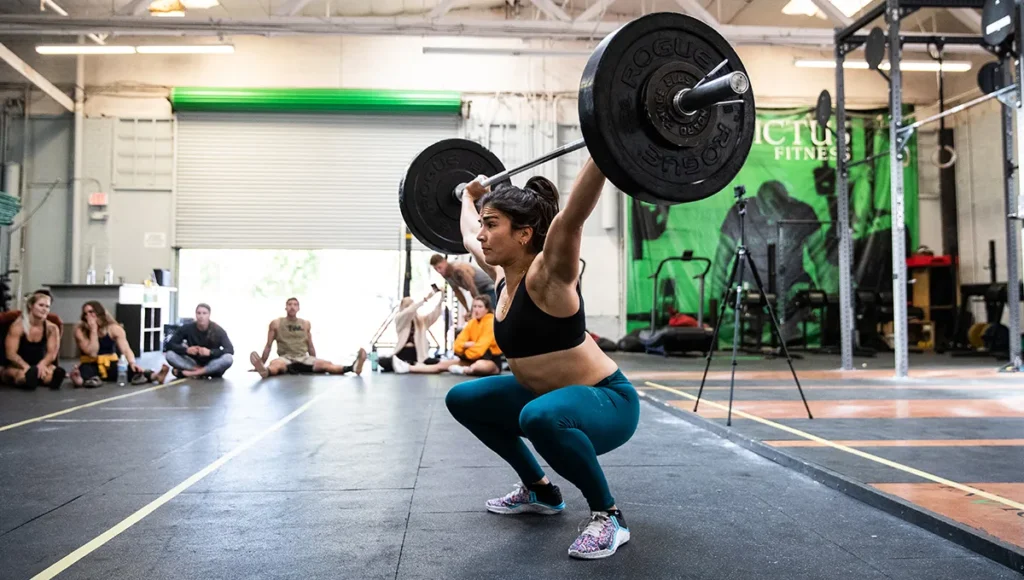
A deep squat is a compound exercise that involves bending at the hips and knees to lower the body towards the ground, achieving a position where the thighs are parallel or below parallel to the floor. This movement engages multiple muscle groups, including the quadriceps, hamstrings, glutes, and lower back, making it an effective full-body exercise. The deep squat requires a greater range of motion compared to a standard squat, challenging flexibility and mobility in the hips, knees, and ankles.


To perform a deep squat, one begins by standing with feet shoulder-width apart and gradually lowering the body by pushing the hips back and bending the knees. The goal is to maintain a neutral spine and keep the heels grounded as the body descends. Achieving proper form in a deep squat is essential to maximize its benefits and prevent injury. As the exercise involves a greater depth, it places additional emphasis on the muscles around the knee joint, contributing to strength development and overall lower body stability.
Deep squats are commonly incorporated into strength training and fitness routines for their ability to target a wide range of muscle groups and promote functional movement patterns. The exercise not only enhances lower body strength but also plays a role in improving posture, mobility, and overall athletic performance.
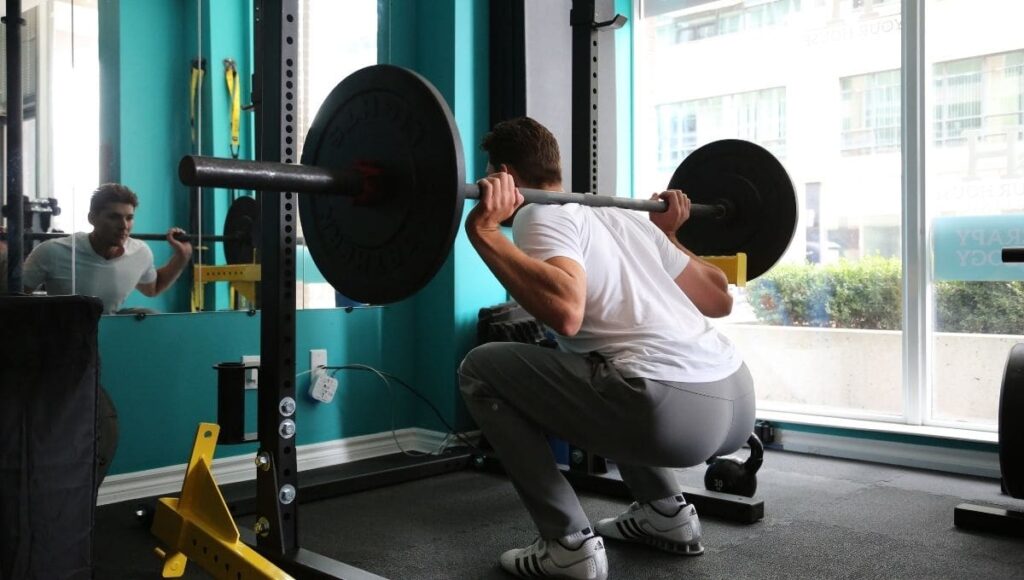
Some individuals perceive deep squats as problematic or unsafe due to concerns related to joint stress and injury risk. The increased range of motion in a deep squat may put additional stress on the knee and hip joints, particularly if performed with improper form or if the individual has pre-existing joint issues. The fear of potential injuries, such as strains or tears, can lead some to avoid or discourage deep squats in their fitness routines.
Additionally, certain fitness professionals or educators may advise against deep squats based on outdated beliefs. Traditional teachings often emphasized a limited range of motion in squats to prioritize joint safety. However, emerging research and coaching techniques, as demonstrated by experts like Ben Patrick, debunk these myths, highlighting the importance of controlled progressions and proper coaching to make deep squats a safe and effective exercise for many individuals.
Ben Patrick, known as the Knees Over Toes Guy, became an internet sensation with his approach to training. He founded the “Athletic Truth Group,” a gym and online training where he shares his expertise. You can also catch his videos on YouTube where he gathered more than 1 million subscribers.
Read More: Is Knees Over Toes Guy Legit? A Look Into the Mechanics of Ben Patrick’s Training Philosophy
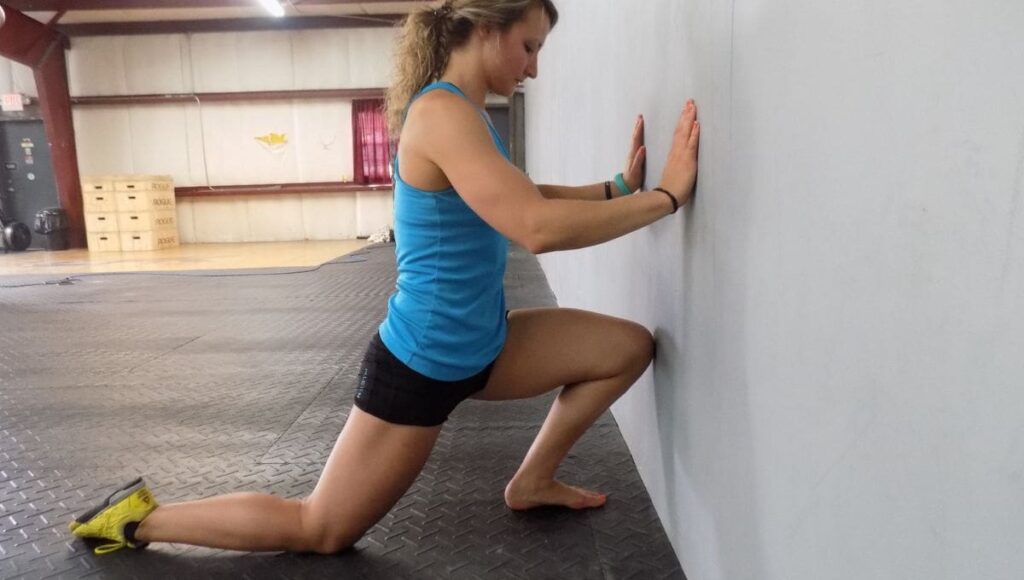
Deep squats have long faced scepticism, with concerns about increased injury risks to passive tissues. Contrary to common beliefs, recent insights, coaching from Ben Patrick, and progressive loading reveal that deep squats can be an effective exercise for strengthening the legs and protecting the lower body, contributing to the prevention of knee degradation.
The perception of deep squats as problematic may stem from a lack of awareness about the benefits of well-executed, controlled deep squatting and a failure to differentiate between improper form and the correct implementation of this exercise.
This article delves into the misconceptions surrounding deep squats and explores how controlled, pain-free deep squats, with proper coaching and loading, can be a game-changer for leg strength and knee health, as advocated by Ben Patrick.
The Truth about Deep Squats
Ben Patrick talked about his personal journey of initially hating deep squats due to pain from chronic conditions and stiffness resulting from past surgeries in a recent video. Overcoming these challenges involved starting at embarrassingly low levels of deep squats and gradually building up. Ben Patrick emphasizes the significance of controlled progressions and introduces key elements that proved instrumental in this transformation.
- Wooden Slant: A simple wooden slant emerged as a game-changer in developing knee strength under Ben Patrick’s guidance. The article explores how incorporating a wooden slant into the deep squat routine can positively impact the knees and contribute to a pain-free experience.
- Resisted Backward Walking: Resisted backward walking, as recommended by Ben Patrick, is highlighted as another effective technique for enhancing muscle strength below the knee. The article delves into how this unconventional approach can play a role in overall leg development and joint health, according to Ben Patrick’s coaching methods.
- Flossing: While not deemed necessary for everyone, Ben Patrick discusses how flossing has consistently made breakthroughs for super struggling cases. The concept of flossing is introduced as a potential aid in overcoming challenges related to deep squats, making leg days a source of joy and accomplishment under Ben Patrick’s coaching.
Ben Patrick’s simple but precise progressions is advocated as a means to guide individuals through their unique journeys towards mastering deep squats. So if you have knee issues, joint pain when squatting and believe you won’t be able to squat deeper any longer, perhaps you should check out more article from BOXROX about that instance such as these:
How to Start Improving Bad Knees Right Now
How to Bulletproof Your Knees with 1 Exercise

In conclusion, the journey of debunking the deep squat myth with Ben Patrick unveils a transformative approach to leg strength and knee health. As Ben Patrick shared his personal experience of initially despising deep squats due to chronic conditions and post-surgery stiffness, the narrative shifted towards a narrative of controlled progressions and the power of personalized coaching.
Ben Patrick’s emphasis on the effectiveness of deep squats, when approached with proper coaching, underscores the potential for this exercise to strengthen the legs and protect the lower body, contributing to the prevention of knee degradation. The incorporation of a wooden slant, resisted backward walking, and even flossing as recommended by Ben Patrick provides a comprehensive perspective on holistic leg training.
Acknowledging the potential opposition one might face in the gym, the conclusion encourages readers to exercise understanding and patience. The recognition that individuals discouraging deep squatting may be influenced by outdated beliefs ingrained in educational systems, as explained by Ben Patrick, further reinforces the need to focus on personal truths and experiences.
Ultimately, the path to enjoying leg days and achieving optimal fitness lies in challenging misconceptions surrounding deep squats. Ben Patrick’s guidance becomes instrumental in navigating through negativity, emerging stronger, and more resilient. The conclusion encourages individuals to embrace a journey tailored to their unique needs, appreciating the power of personalized progress as they debunk the deep squat myth with Ben Patrick’s insights. In doing so, individuals can not only transform their physical well-being but also cultivate a sense of accomplishment and strength in their fitness endeavours.
Watch the video below for more information and explanation from Ben Patrick himself.
Read More: Effective Knee-Strengthening Routine to Bulletproof Your Joints