If you want to focus on training your rear delts properly, you don’t need a plethora of exercises. Below are the only 2 exercises you need for stronger and bigger rear delts, according to a respected fitness coach.
When it comes to training smaller muscle groups like the rear delts, quality often trumps quantity. In fact, you can effectively stimulate growth in just two exercises, provided one of them isn’t the commonly relied upon but suboptimal reverse fly. Let’s delve into why the reverse fly falls short and explore the two key exercises that can help you achieve maximum rear delt activation and growth.


And we turn to Jeff Cavaliere’s expertise to understand what are the only 2 exercises you need for stronger and bigger rear delts.
Jeff Cavaliere is a fitness trainer, physical therapist, and the creator of the popular fitness YouTube channel called ATHLEAN-X. He is known for his expertise in strength training, conditioning, and sports medicine. Jeff Cavaliere served as the Head Physical Therapist and Assistant Strength Coach for the New York Mets in Major League Baseball from 2006 to 2009.
Read More: Build Massive Muscle Gains with The Perfect Pull Workout
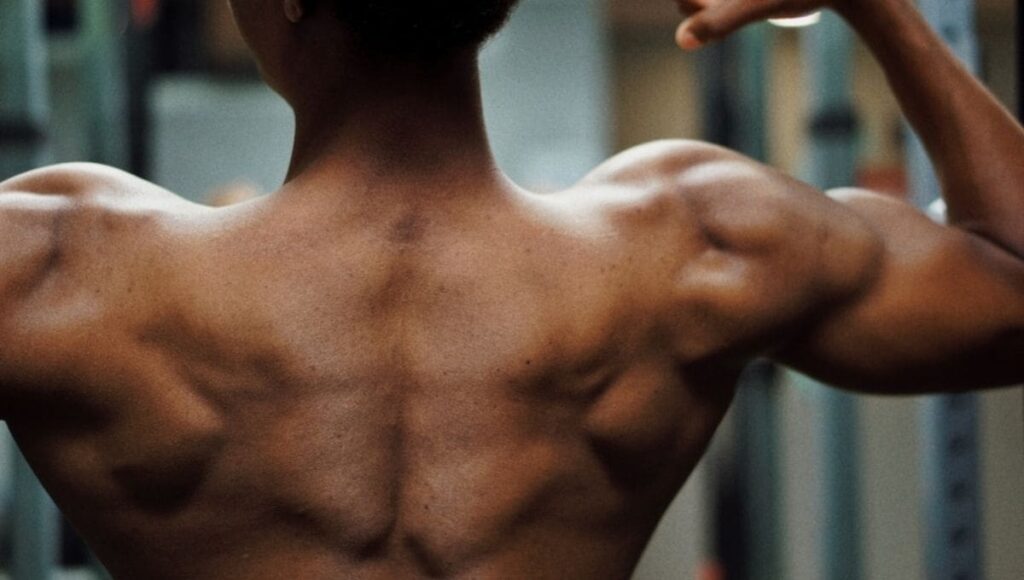
The Only 2 Exercises You Need for Stronger and Bigger Rear Delts
1. Rear Delt Row: Sitting for Success
Firstly, let’s discard the term “reverse fly” and instead embrace the rear delt row. Seated with dumbbells in hand, eliminate the cheating momentum by staying seated. Unlike the traditional reverse fly, this exercise focuses on achieving three crucial functions of the rear delts: horizontal abduction, extension, and external rotation.
Execution Tips:
- Focus on moving the elbows back behind the body, emulating a rowing motion.
- Avoid the common mistake of flying the weights behind you; instead, concentrate on extending the shoulder for optimal rear delt activation.
- Drop the elbows during the exercise to introduce external shoulder rotation, resembling a “W” position with thumbs pointing back at the top of each rep.
By mastering the rear delt row, you ensure that you engage all three essential functions, providing a comprehensive stimulus for optimal growth.
2. High Pull with a Wide Grip: A Heavy-Duty Rear Delt Builder
For the second powerhouse exercise, we turn to the high pull with a straight bar and wide grip. This exercise is unique in its ability to apply a substantial stimulus to the rear delts, often neglected in traditional routines.
Execution Tips:
- Opt for a wide grip on a straight bar and maintain elbows slightly below the wrists.
- Pull the bar up high, emphasizing driving the elbows back as far as possible.
- Focus on both extension and horizontal abduction at the shoulder to target the rear delts effectively.
This exercise allows you to load up the rear delts with a heavier stimulus, contributing to significant growth when performed correctly.
Training Frequency and Additional Considerations
To optimize rear delt development, consider incorporating these exercises on both shoulder and back training days. This approach increases training frequency, especially beneficial for the rear delts, which can handle more frequent stimulation.
While facepulls are a valuable exercise, they are better suited as a corrective exercise rather than a primary rear delt builder. The two highlighted exercises provide a more direct and effective pathway to maximize rear delt growth.
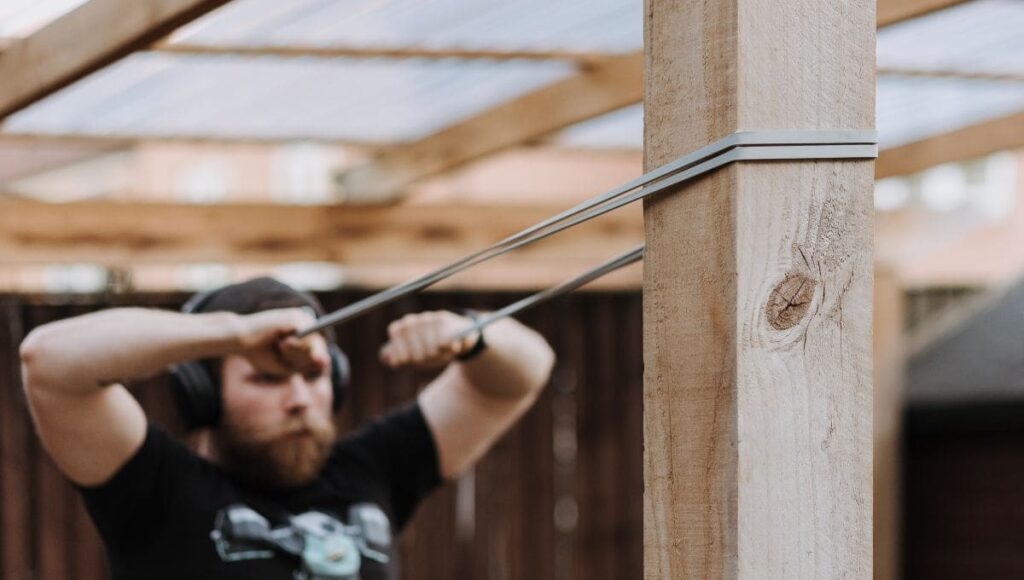
5 Best Tips and Exercises to Recover from Shoulder Pain
In conclusion, by prioritizing the rear delt row and the high pull with a wide grip, you can streamline your training regimen while ensuring comprehensive stimulation of the rear delts. These two exercises offer a targeted and efficient approach to maximizing rear delt growth, addressing the limitations of the traditional reverse fly.
Embracing these movements not only simplifies your workout routine but also provides a more focused and intentional strategy for developing well-defined rear delts. The rear delt row hones in on the crucial functions of horizontal abduction, extension, and external rotation, fostering a holistic approach to muscle activation. Meanwhile, the high pull with a wide grip introduces a heavy-duty stimulus, allowing you to challenge and promote growth in the rear delts with a load they don’t often encounter.
By incorporating these exercises into your training routine, you not only enhance the aesthetics of your physique but also promote functional strength and shoulder stability. Furthermore, the versatility of training frequency, whether on shoulder or back days, enables you to tailor your workout schedule to your preferences while maintaining consistency in rear delt stimulation.
Say goodbye to guesswork and hello to a targeted, results-driven approach for your rear delts. As you commit to mastering these two key exercises, you’ll find yourself on the path to achieving a well-rounded and sculpted shoulder profile. So, bid farewell to inefficient exercises, embrace this streamlined strategy, and welcome the gains that come with a focused and purposeful rear delt training routine.
Watch the video below for a more visual display of the information explained by Jeff Cavaliere himself.
3 Quick Tips for Bigger Rear Delts
Perfect 3 Exercise Shoulder Workout for Stronger Rear Delts
Training the rear delts is crucial for several reasons, and developing strength in this muscle group provides various advantages for both aesthetic and functional aspects of your physique. Here are some compelling reasons to prioritize rear delt training:
- Balanced Shoulder Development:
- The shoulders consist of three main deltoid muscles: anterior (front), lateral (side), and posterior (rear). Training all three ensures balanced development, preventing muscle imbalances that could lead to poor posture and increased risk of injury.
- Improved Posture:
- Strong rear delts contribute to better posture by supporting the retraction and stabilization of the shoulder blades. This helps counteract the forward-leaning posture often induced by excessive chest and anterior shoulder training.
- Injury Prevention:
- Well-developed rear delts play a crucial role in shoulder stability. Strengthening these muscles can help prevent common shoulder injuries, such as impingement or rotator cuff issues, by providing support and balance to the shoulder joint.
- Enhanced Shoulder Functionality:
- The rear delts contribute to various shoulder movements, including horizontal abduction, extension, and external rotation. A strong rear deltoid enhances overall shoulder functionality, leading to improved athletic performance and daily activities.
- Aesthetic Benefits:
- Well-defined rear delts contribute to a more sculpted and balanced physique. Developing this muscle group adds a three-dimensional aspect to your shoulders, creating a visually appealing and proportionate upper body.
- Functional Strength:
- Strong rear delts are essential for activities that involve pulling or lifting objects. Whether in daily life or during resistance training, having robust rear delts enhances your ability to perform pulling movements effectively.
- Stability in Overhead Movements:
- Activities that involve reaching overhead, such as lifting objects or participating in sports like volleyball or basketball, benefit from strong rear delts. These muscles provide stability and control during such movements.
- Overall Shoulder Health:
- Training the rear delts contributes to the overall health of your shoulders. A balanced and well-conditioned shoulder complex is less prone to overuse injuries and can withstand a variety of physical demands.
In essence, incorporating rear delt training into your workout routine is not just about aesthetics but also about ensuring functional strength, injury prevention, and overall shoulder health. By addressing the often-neglected rear delts, you create a foundation for a well-rounded and resilient upper body.
Why Your Delts are Not Growing (One FIX)
How Long Should You Wait to Train a Muscle Again?