Check out 5 mistakes everyone makes when bench pressing. Learn them through and through and correct yourself to get the gains you deserve from this awesome chest exercise.
The process of lying horizontally and lifting the barbell demands more than meets the eye. So, how can you ensure proper execution of the bench press to optimize muscle growth? Let’s get to Israetel’s tips for maximum muscle growth.


The bench press is one of the best exercises a person can do to develop their chest. In fact, we have said it here, more than once, it is THE best chest exercise. But, that is only true if you know how to perform the exercise correctly. And trust us, there are many ways you can disrupt your training with this movement.
The foundation of the insights for this article rests on a video presentation by Jeremy Ethier, a distinguished kinesiologist and fitness trainer who stands as a co-founder of Built With Science. With a staggering 6 million subscribers on his YouTube channel, Ethier has built a reputation for providing lucid information firmly grounded in robust scientific research.
So let’s dive into the 5 mistakes everyone makes when bench pressing so that you don’t do them next time you are training your chest.
7 Rare Upper Chest Exercises for Incredible Muscle Gains (Look Good Get Strong)
5 Mistakes Everyone Makes When Bench Pressing
Do you experience shoulder pain during bench presses? Are your shoulders and arms doing more work than your chest? It’s time to address these issues and maximize the effectiveness of your bench press. In this article, we’ll delve into five common mistakes that most people make and provide practical solutions to help you bench with proper form and activate your chest like never before.
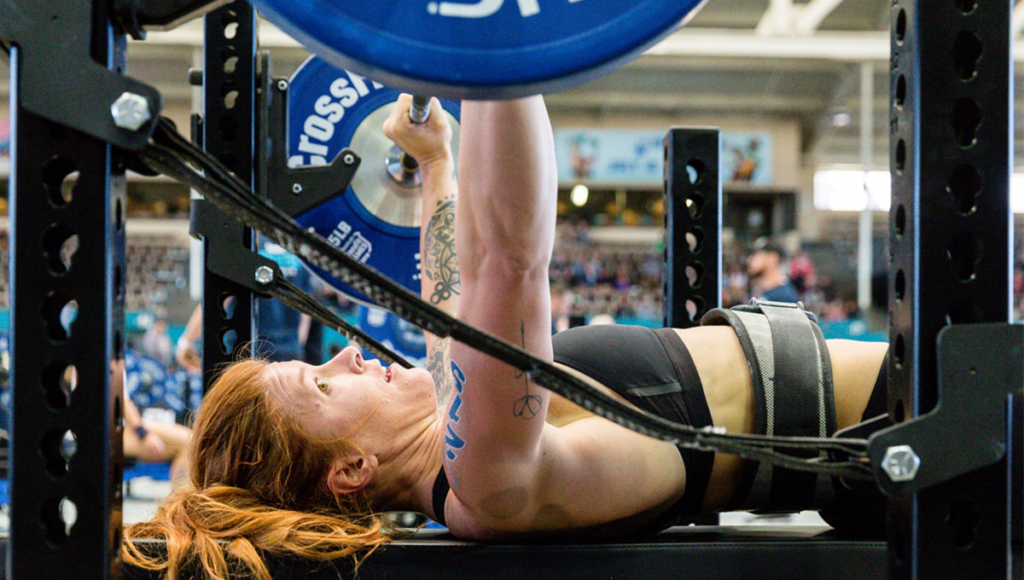
- Elbow Angle: The first mistake revolves around your elbow angle. Many people use too wide of an elbow angle, making it challenging to bring the bar down to the chest. This can strain the shoulders. Instead, focus on a tucked elbow angle, aligning with the direction of most chest fibers. Experiment with angles around 60° and find what works best for you by observing your bar path.
- Grip Width: Choosing the right grip is crucial for maximizing chest activation. A 2022 study showed that the same grip width led to different muscle activation in individuals. Rest the bar on your lower chest, and adjust your grip width until your forearms are straight up and down. This ensures optimal chest involvement and minimizes triceps engagement.
- Chest Caving In: Avoid letting your chest cave in on the way up. If your shoulders are relatively stronger than your chest, you may inadvertently let your chest cave, leading to increased front delt activation. Focus on maintaining a proud chest, using back muscles to pull the bar down, and squeezing your biceps together on the way up for proper chest activation.
- Setup Stability: Improve your setup stability to enhance strength and reduce the risk of injury. Mimic powerlifters by tensing your back, core, and lower body before lifting. Create tension in your entire body, similar to an unopened and full can, to transfer energy effectively during the lift.
- Machine vs. Free Weights: Contrary to popular belief, a 2023 meta-analysis found no significant differences in muscle growth between free weights like the bench press and machines like the Smith machine. If you struggle with the bench press despite addressing the previous fixes, consider alternative exercises like chest machines or dumbbells. Listen to your body, and if the bench press doesn’t suit you, explore other options.
9 BEST Exercises for an Attractive Lower Chest
Achieving mastery in the bench press is a journey that demands meticulous attention to detail and an unwavering commitment to maintaining proper form throughout your lifting sessions. Each element of your bench press, from the subtle nuances of your elbow angles to the strategic choice of grip width, plays a pivotal role in determining the effectiveness of your workout and the overall health of your shoulders.
Addressing the elbow angles and grip width is paramount in optimizing your bench press performance. A wide elbow angle, a common mistake, not only limits your range of motion but also strains the shoulders unnecessarily. Opting for a tucked elbow angle, aligned with the chest fibers, not only enables a deeper range of motion but also enhances chest activation. This subtle adjustment can significantly impact the overall effectiveness of your bench press.
Similarly, grip width is a highly individual preference. By customizing your grip based on your body mechanics—resting the bar on your lower chest and aligning your forearms vertically—you maximize chest involvement while minimizing triceps engagement. This personalized approach establishes a profound connection between your body and the exercise, unlocking the full potential of your chest muscles.
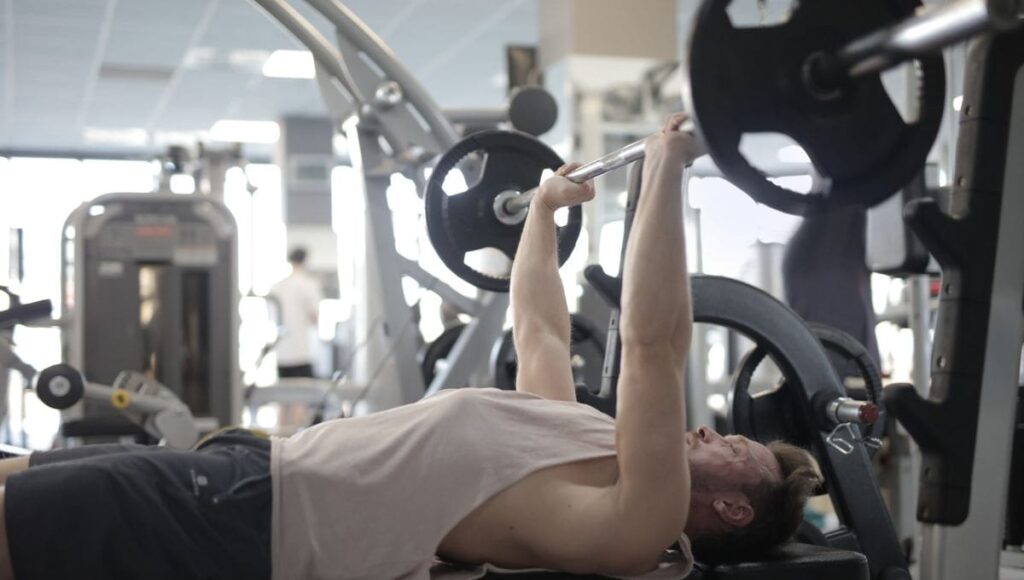
Furthermore, ensuring chest activation and setup stability are pivotal for a successful bench press. Preventing your chest from caving in on the way up redirects the focus to the intended muscle group, fostering a controlled and intentional lift. Embracing a proud chest, engaging back muscles to pull the bar down, and squeezing biceps together on the ascent contribute not only to enhanced chest activation but also to overall lift quality.
Establishing setup stability is akin to the meticulousness of powerlifters, involving a disciplined approach to tensing the back, core, and lower body. This full-body tension, reminiscent of an unopened and full can, facilitates seamless energy transfer and increased power during the lift. Finally, the option of alternative exercises, as revealed in a 2023 meta-analysis, challenges the notion that free weights are inherently superior to machines. Exploring alternatives like chest machines or dumbbells can be beneficial if the bench press poses persistent challenges, emphasizing the importance of finding exercises that suit your body for optimal results.
How to Increase Chest Size and Strength
In conclusion, prioritizing proper form is non-negotiable for a safe and effective workout. By delving into the intricacies of elbow angles, grip width, chest activation, setup stability, and exploring alternatives, you not only enhance your bench press experience but also pave the way for consistent progress, reduced injury risks, and, most importantly, better chest activation. Mastery comes with a commitment to continuous improvement and an appreciation for the nuances that make each lift unique.
Watch the video below from Jeremy Ethier for the visual cues and how to avoid these 5 mistakes everyone makes when bench pressing.
Best Way to Train the Chest for Hypertrophy (Muscle Mass)
In general, it is recommended that you train your chest muscles at least once per week to see improvements in strength and muscle growth. However, some individuals may benefit from training their chest more frequently, such as 2-3 times per week, especially if they are more experienced lifters and are looking to target specific areas of the chest.
It’s important to note that you shouldn’t train your chest muscles on consecutive days as this can lead to overtraining and increase the risk of injury. Additionally, it’s important to allow your muscles to rest and recover between workouts, so that they have time to repair and grow.
Some benefits of strengthening your bench presses are:
- Increased upper body strength: Bench presses are a compound exercise that work multiple muscle groups at once. By performing this exercise regularly, you can increase your upper body strength and improve your overall fitness.
- Improved muscle size and definition: Bench presses can help to increase muscle size and definition in the chest, shoulders, and triceps, which can enhance your physical appearance.
- Increased bone density: Weight-bearing exercises like bench presses can help to increase bone density and reduce the risk of osteoporosis.
- Improved posture: Bench presses can help to strengthen the muscles of the upper back, which can improve your posture and reduce the risk of back pain.
- Increased calorie burn: Compound exercises like bench presses can help you burn more calories than isolation exercises, which can be beneficial if you’re trying to lose weight.
- Improved sports performance: Bench presses can help to increase upper body strength and power, which can improve your performance in sports that require upper body strength, such as football, basketball, and volleyball.