Are we able to control how our body burns fat? Is there something we can do to change how it all works out in the end? Find out in the paragraphs below.
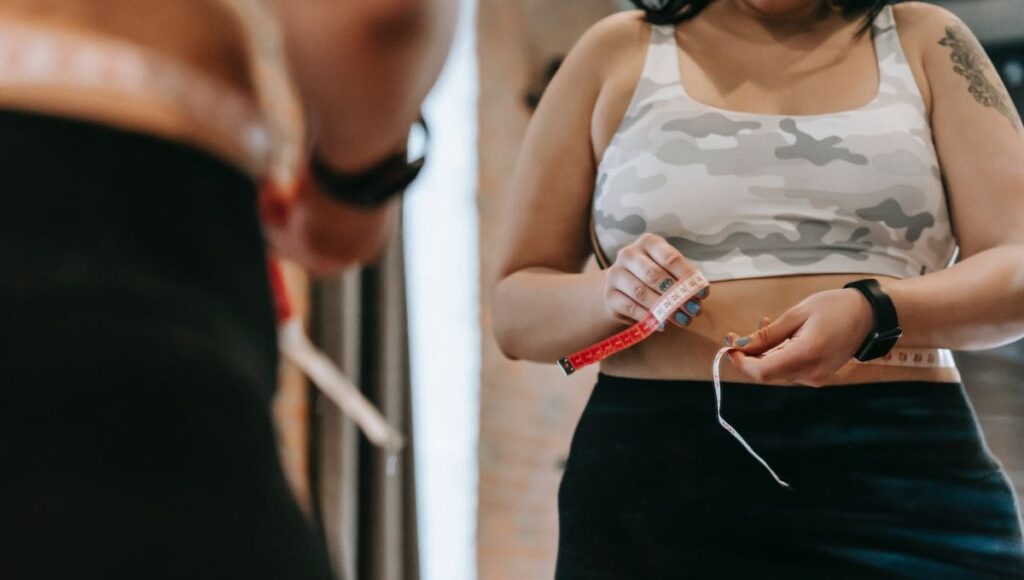
In the pursuit of a healthier and more aesthetically pleasing physique, the contemplation of shedding excess body fat becomes a common thread in the fabric of our lives. Whether it’s the desire to uncover the sculpted lines of the rectus abdominis or to witness the definition of deltoid muscles, the journey from a layer of fat, measured in inches or centimetres, to a leaner form is a shared aspiration. However, this endeavour goes beyond mere aesthetics; it delves into the intricate workings of the human body and the science behind the process of burning fat.


The fascination with losing fat often centres around subcutaneous fat, the adipose tissue directly beneath the skin. Picture it as a layer that can be both protective and, at times, a hindrance to revealing the underlying muscles. This fat, spanning inches in thickness, covers areas like the abdomen and shoulders, impacting the visibility of muscles we might yearn to showcase. Yet, in our pursuit of a well-defined physique, it’s imperative not to overlook the importance of visceral fat—the fat that surrounds internal organs.
This article aims to unravel the complexities of fat loss, separating myths from facts, and examining the science behind the body’s mechanism for shedding unwanted adipose tissue. From the intricacies of lipolysis to the role of exercise in stimulating fat loss, we will embark on a journey of understanding the physiological processes that contribute to a leaner, healthier body.
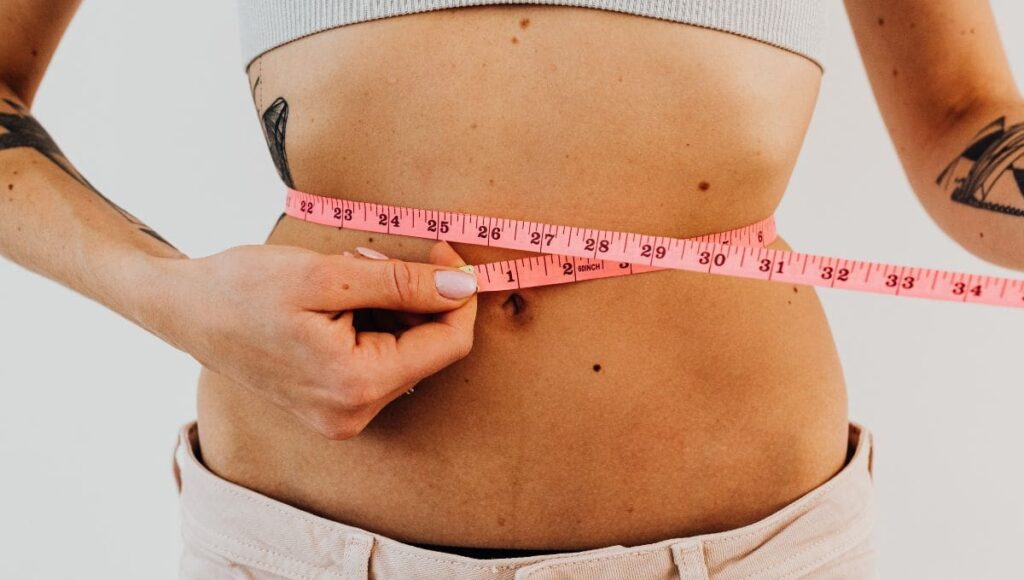
So, let’s delve into the science, debunk some myths, and demystify the journey from inches of fat to a sculpted and lean physique. It’s not just about appearances; it’s about understanding what truly happens when our bodies burn fat.
The information below was first shared by Jonathan Bennion, the co-founder, director of education and anatomist of the Institute of Human Anatomy. Besides being an education campus at Utah University, the YouTube channel has a massive following of more than 4 million subscribers.
See below how he explains if we can control how our body burns fat and what we can do about that.
Best Science-Based Diet for Fat Loss
Can We Control How Our Body Burns Fat?
Understanding Subcutaneous and Visceral Fat:
When people talk about losing fat, they often refer to subcutaneous fat, located directly below the skin. This fat can be inches thick and covers muscles, such as the rectus abdominis or deltoids, affecting aesthetics. However, it’s crucial to acknowledge visceral fat, surrounding internal organs, which has links to health conditions like metabolic syndrome and cardiovascular issues.
The Fat Burning Process:
To understand fat loss, we need to explore the process of lipolysis, where fat gets pulled from adipose cells and circulates for energy. Exercise is a prime example, as it stimulates the release of chemicals like epinephrine and cortisol, activating hormone-sensitive lipase. This enzyme breaks down triglycerides into fatty acids, which are then transported via proteins like albumin to working muscles.
5 Underrated Habits to Lower Body Fat Percentage
The Journey of Fatty Acids:
Once in the bloodstream, fatty acids travel to muscles, such as the quadriceps, where they enter mitochondria to produce ATP aerobically. While fats yield more ATP per molecule than glucose, logistics and time constraints make carbohydrates a more immediate energy source during exercise.
The Role of Exercise in Fat Loss:
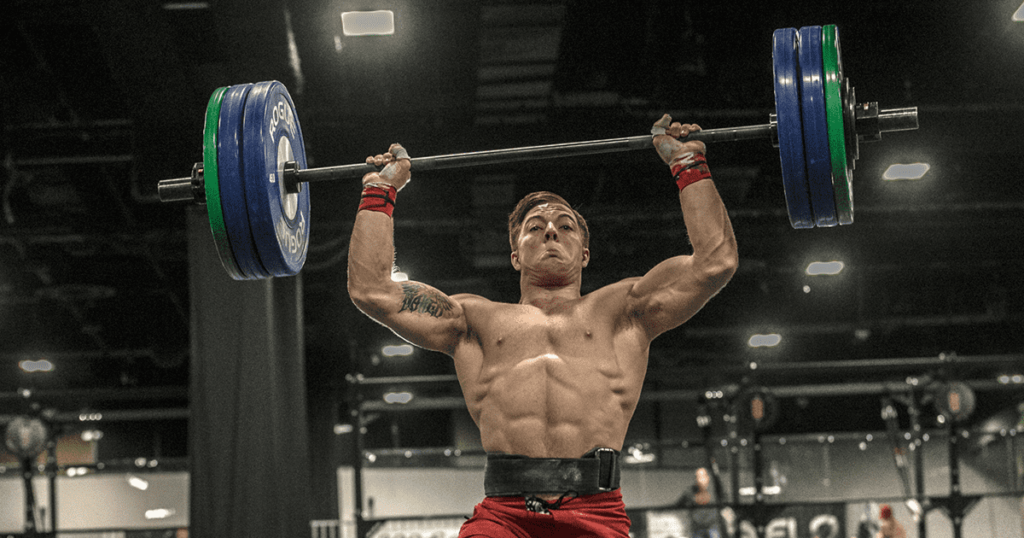
Addressing the question of whether exercise can selectively burn fat from specific areas, the article dispels the notion. While muscle hypertrophy can enhance visibility, there’s no evidence supporting targeted fat loss through specific exercises. Consistent overall fat loss is the key to revealing muscles.
How Long Will It Take To See Your Six-Pack?
Is There a Best Type of Exercise for Fat Loss?
The article explores the concept of a “fat-burning zone” in exercise intensity. While there is a zone where a higher proportion of fat is burned, total caloric expenditure is essential. Different athletes demonstrate varied muscular development, emphasizing that there’s no one-size-fits-all approach to fat loss. The diversity of exercise choices allows individuals to find activities they enjoy, increasing adherence to fitness routines.
So, it doesn’t matter if running at full speed up a hill is the best way to burn fat if you do not enjoy that task. Walking burns significantly less calories, but if you can do it consistently because you enjoy it, in the end, walking will be the best type of exercise for fat loss.
How to Combine HIIT and LISS to Lose Fat Faster
The same can be said for someone who enjoys playing football, but not walking. Or doing burpees instead of swimming. The best exercise to burn fat is the one you can do more often than not – provided you don’t get injured.
Understanding the science behind fat loss involves recognizing the complexities of lipolysis, the role of exercise, and the absence of a universal approach. By focusing on overall caloric expenditure and finding enjoyable exercise routines, individuals can increase their chances of successful and sustainable fat loss.
Watch the video below if you want a better explanation of how we can control how our body burns fat, with demonstration and explanation from Jonathan Bennion himself.
The Literal Most Effective Exercise for Reducing Visceral Belly Fat
10 Great Habits to Get Shredded and Burn Belly Fat Fast
Maintaining a healthy body fat percentage can have several benefits for your overall health and well-being. Here are some potential benefits of having a low body fat percentage:
- Reduced risk of chronic diseases: Research suggests that having a low body fat percentage may help reduce the risk of chronic diseases such as heart disease, diabetes, and certain types of cancer.
- Improved cardiovascular health: Lower body fat can be associated with improved cardiovascular health, including lower blood pressure and cholesterol levels.
- Improved physical performance: Having a lower body fat percentage can improve athletic performance by increasing strength, speed, and endurance.
- Reduced strain on joints: Carrying excess body fat can put additional strain on joints, leading to joint pain and increased risk of injury. Maintaining a lower body fat percentage can reduce this strain and protect joint health.
- Improved self-esteem and body image: For some individuals, maintaining a low body fat percentage can improve self-esteem and body image, leading to better mental health and well-being.
It’s important to note that there can be negative consequences to having a body fat percentage that is too low, such as hormonal imbalances, decreased immune function, and decreased bone density. It’s important to aim for a healthy body fat percentage rather than trying to achieve an extremely low percentage. Consult with a healthcare professional to determine what a healthy body fat percentage is for you.
How to Lose Weight Fast and Transform Your Body
How to Speed Up Weight Loss – 10 Things You Can Do Now to Accomplish That
The Only 5 Exercises You Need to Look Super Jacked
Does Fasted Cardio Burn More Fat?
To burn fat, you need to create a calorie deficit by burning more calories than you consume. Here are some strategies that can help you burn fat:
- Exercise regularly: Cardiovascular exercise, such as running, cycling, or swimming, can help you burn calories and increase your metabolism. Aim for at least 30 minutes of moderate-intensity exercise most days of the week.
- Add strength training: Building muscle can help you burn more calories at rest, as muscle tissue requires more energy to maintain than fat tissue. Incorporate strength training exercises, such as weight lifting or bodyweight exercises, into your routine.
- Increase physical activity: Look for ways to increase your overall physical activity throughout the day, such as taking the stairs instead of the elevator, parking farther away from your destination, or taking a walk during your lunch break.
- Eat a balanced, low-calorie diet: Focus on whole, unprocessed foods like fruits, vegetables, lean proteins, and whole grains. Avoid sugary, high-fat, and processed foods.
- Drink plenty of water: Staying hydrated can help you feel fuller and prevent overeating.
- Get enough sleep: Lack of sleep can disrupt hormones that regulate appetite and metabolism, leading to weight gain. Aim for 7-8 hours of sleep per night.
Remember that sustainable fat loss takes time and effort. Focus on making healthy lifestyle changes that you can stick to long-term rather than quick-fix solutions.
5 Excellent Exercises to Promote Fat Loss
How to Use Protein Powder for Fat Loss