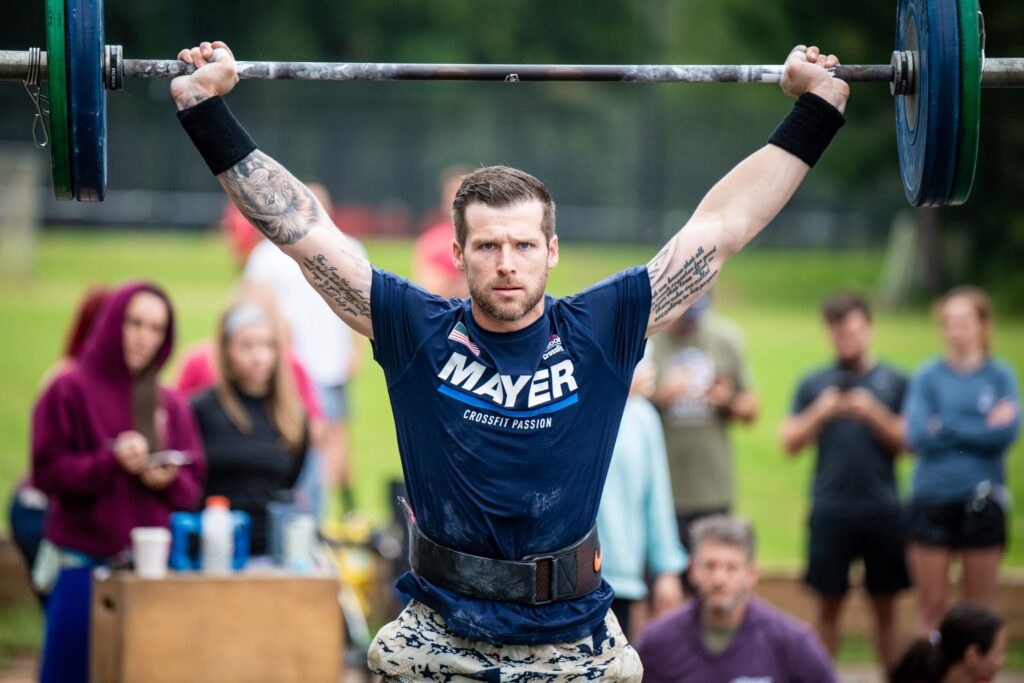
These are the top 3 shoulder exercises if you want to achieve a 3D delts kind of look, appear bigger and more muscular than you actually are.
In the relentless pursuit of a sculpted and well-defined physique, the shoulders play a pivotal role in creating a visually striking upper body. The coveted 3D deltoid look, characterized by well-developed front, side, and rear heads, has become a hallmark of a dedicated fitness journey. In this comprehensive guide, we delve into the intricacies of shoulder training, unveiling the top three exercises for each deltoid head.


Shoulders, often referred to as the “caps” of the upper body, hold the power to transform an ordinary physique into a chiselled work of art. Beyond mere aesthetics, well-developed deltoids contribute to overall upper body strength, stability, and functional fitness. As we embark on this journey through the realm of shoulder exercises, we’ll not only uncover the science behind the sculpting process but also gain practical insights that can elevate our training routines to new heights.
And there is not one person, but two respected guys who decided to share their top 3 shoulder exercises for 3D delts: Jeff Nippard and Mike Israetel.
Jeff Nippard is a natural professional bodybuilder and fitness coach who shares tips and training programs on his YouTube channel.
Dr Mike Israetel, PhD in Sport Physiology and co-founder of Renaissance Periodization, is a well-respected professor in the bodybuilding community. He doesn’t only talk about workouts and fitness tips, he often dives deep into health and nutrition.
As we dissect each head of the deltoids, Israetel’s insights will guide us toward understanding the nuances of effective training, dispelling common myths, and providing valuable tips to optimize our workouts.

When you combine these two fitness experts, the level of knowledge and scientific research that comes with it is immense.
So you should definitely take into consideration what they talk about. And if you want to grow your shoulders, you couldn’t go wrong with adding these exercises into your training routine.
Join us as we demystify the art of shoulder training, combining the wisdom of scientific research with the hands-on experience of fitness enthusiasts. Together, let’s unlock the secrets to achieving those sought-after 3D delts and sculpt a physique that commands attention and admiration.
Try This Full Shoulder Workout (Perfect for Post-Injury)
Top 3 Shoulder Exercises for 3D Delts
Front Delts:
The front delts often get more attention than necessary, considering their involvement in chest workouts. A German study from the 1990s even highlights that bodybuilders tend to overemphasize front delt training. Dr. Mike stresses the importance of focusing more on side delt training (70-90% of delt training) for a visually impressive shoulder structure.
For the front delts, a machine shoulder press takes the top spot for Nippard, offering stability and a full range of motion. Go for 6-10 reps.
The EZ-bar front raise is Dr. Mike’s pick for the front delts as a great isolation exercise. Emphasizing a large range of motion and the benefits of isolation, he recommends higher reps (10-20 range) with an explosive positive and a controlled negative.
6 Amazing Bodyweight Shoulder Exercises
Side Delts:
While front delts contribute to shoulder aesthetics, it’s the side delts that play a pivotal role in achieving that 3D look. Dr Mike’s suggest an exercise called the Super-ROM lateral raise. A lateral raise with an extended range of motion. Go for 10-20 reps with a focus on controlled negatives.
Nippard’s pick for the side delts is the cross-body cable Y-raise. This exercise provides a unique stretch and engages the side delts’ distinct compartments. The emphasis is on controlled movements and maximizing the stretch to ensure even fibre activation.
Rear Delts:
Completing the trio for 3D delts is the posterior head, where the rear delts take centre stage. Dr. Mike’s top pick is the super ROM reverse cable fly, emphasizing extended range of motion, you’re your elbows out, hand position switches from set to set, and peak contractions for effective rear delt activation.
Nippard’s pick for the rear delts is the reverse pec deck. Dr. Mike provided a game-changing cue: reach forward as far as possible to maximise the stretch and target the rear delts effectively. “You’re not pulling, you’re arching out to try to paint brush as far of a distance as you possibly can,” Israetel says. So reach forward in the machine with your arms and sweep out as much as you can as you bring your arms behind your body.
The controlled negative, especially during the last portion of the movement, is crucial for optimal muscle growth.

Achieving 3D delts requires a strategic approach to shoulder training. By incorporating these top exercises for each delt head, backed by scientific insights from Dr. Mike Israetel, you can sculpt well-defined shoulders that stand out. Remember, quality and control trump quantity, so focus on form and deliberate movements to unlock the full potential of your shoulder workouts.
To fully understand how to perform each exercise and the cues and tricks to make them more effective, you can watch the video below with Jeff Nippard and Mike Israetel.
Fun training everyone!
The Most Effective Shoulder Workout (100 REPS TOTAL)
Training your shoulders is crucial for several reasons, encompassing both aesthetic and functional aspects. Here are some key reasons why shoulder training holds significant importance:
- Aesthetics and Symmetry: Well-developed shoulders contribute significantly to the overall aesthetics of the upper body. Broad, rounded shoulders create the illusion of a narrower waist, enhancing the coveted V-taper physique. Symmetrical and proportionate shoulders also play a crucial role in creating a balanced and visually appealing physique.
- Functional Strength: Strong shoulders are essential for various everyday activities and functional movements. Whether you’re lifting objects, reaching overhead, or performing pushing and pulling motions, shoulder strength and stability are paramount. A well-trained shoulder complex contributes to overall upper body strength and functional fitness.
- Injury Prevention: Strengthening the muscles surrounding the shoulder joints can help prevent injuries. The shoulders are vulnerable to strains, impingements, and rotator cuff injuries, especially with repetitive movements or poor posture. A comprehensive shoulder training routine can enhance joint stability, reduce the risk of injuries, and improve overall shoulder health.
- Posture Improvement: Weak or imbalanced shoulders can contribute to poor posture. Strengthening the muscles of the upper back and shoulders helps maintain proper alignment, reducing the likelihood of slouching or rounded shoulders. Improved posture not only enhances your appearance but also minimizes the risk of developing musculoskeletal issues.
- Enhanced Sports Performance: Many sports activities require strong and stable shoulders. Whether you’re involved in weightlifting, swimming, tennis, or any other sport, a well-conditioned shoulder complex can improve performance and reduce the risk of sports-related injuries.
- Joint Health and Flexibility: Shoulder exercises promote joint health by increasing blood flow, nutrient delivery, and flexibility. Incorporating a variety of shoulder movements into your routine can help maintain the range of motion in the shoulder joints, preventing stiffness and promoting overall joint health.
- Confidence Boost: Achieving well-defined and sculpted shoulders can have a positive impact on your self-esteem and confidence. Feeling physically strong and capable can translate into improved mental well-being and a more positive self-image.
In essence, shoulder training is not just about building impressive deltoids; it’s a fundamental component of a holistic fitness regimen that contributes to overall health, strength, and a confident self-perception. Whether you’re a fitness enthusiast, an athlete, or someone focused on general well-being, dedicating time to shoulder training can yield a wide array of physical and mental benefits.