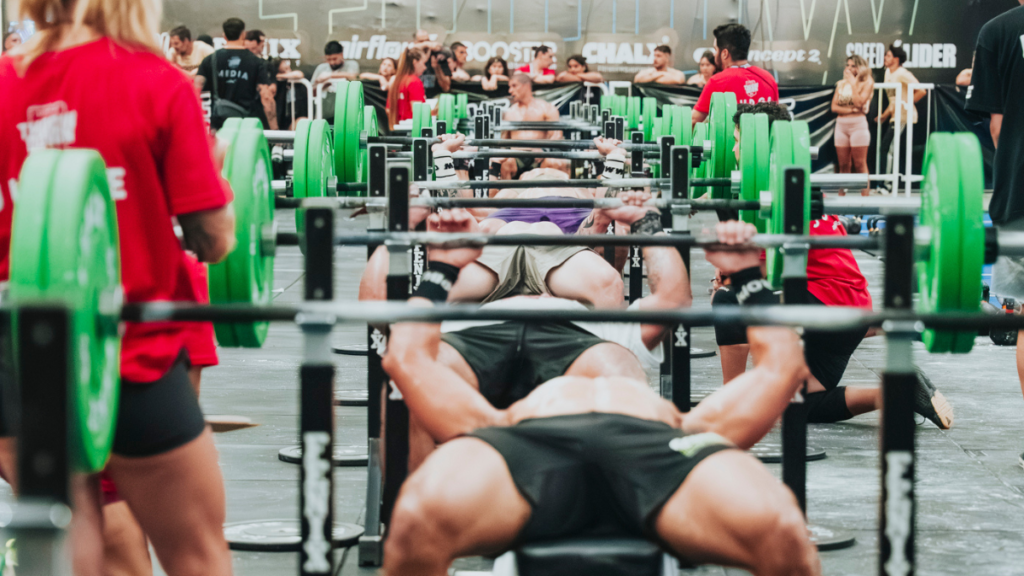
Check out 5 daily habits to speed up muscle growth and help you achieve the fitness you want.
Embarking on the journey of muscle building requires more than just hitting the gym and lifting weights. It demands a strategic approach, unwavering dedication, and the cultivation of habits that seamlessly integrate with your fitness goals. In the realm of building muscle, the adage “Rome wasn’t built in a day” holds true. Progress is incremental, and the key to sustained success lies in the establishment of habits that eventually become ingrained in your daily routine.


Many individuals falter in their muscle-building endeavors not due to lack of effort, but rather a failure to let foundational habits take root. It’s common for enthusiasts to plunge headfirst into an ambitious regimen, attempting to do too much too soon. The result? Overwhelm, frustration, and often, abandonment of the pursuit altogether. The path to continuous muscle building is paved with habits that evolve into second nature, requiring less conscious effort over time.
In this article, we will delve into the significance of habit formation in the context of muscle building. By understanding the necessity of allowing each habit to firmly take hold, we can address one of the primary reasons many individuals fall short of their muscle-building goals. Forget the clichés about habit formation; we’ll provide practical insights into how habits can be individually tailored and seamlessly integrated into your lifestyle. The ultimate goal is to cultivate habits that propel you toward your desired physique, making muscle building not just a goal but a sustainable lifestyle.

This list of 5 daily habits to speed up muscle growth was first shared by coach Alain Gonzalez, an author, personal trainer and YouTuber with over 800K subscribers. He often uploads videos of fitness workouts, tips, training tricks and more, all related to making the most out of your time when working out.
Now, let’s explore the five indispensable muscle-building habits that, once established, can transform your fitness journey into a seamless, continuous progression. From keeping a detailed workout log to prioritizing mobility, each habit contributes to a holistic approach to muscle building, ensuring that gains become an inevitable part of your fitness narrative.
New Study Suggests You Don’t Need a Big Caloric Surplus to Build Muscle
5 Daily Habits to Speed Up Muscle Growth
Here are Gonzalez 5 daily habits to speed up muscle growth:
- Keep a Workout Log: The foundation of successful muscle building is keeping a detailed workout log. This habit not only provides clarity on your progress, fatigue levels, and consistency but also helps you identify areas for improvement. Tracking exercises, sets, reps, workout duration, and any discomfort or injuries will guide your training. By beating your logbook and aiming for continuous improvement, you ensure a structured and effective workout routine.
- Track Macros: Macro tracking isn’t just for weight loss; it’s an essential habit for lean bulking. Precise control over your food intake helps prevent under-eating or overeating, ensuring you stay in a slight calorie surplus for muscle growth. Consistently meeting protein requirements is crucial for muscle repair and growth. Tracking macros allows you to fine-tune your nutrition, making the lean bulking process more effective.
- Track Your Body Weight: Daily tracking of body weight, coupled with a focus on weekly averages, is a vital habit for assessing the effectiveness of your muscle-building efforts. Understand that day-to-day fluctuations are normal due to factors like water weight. By focusing on the weekly trend and aiming for a slow, steady weight gain of around two percent per week, you can ensure muscle growth without accumulating excess fat.
- Mastering Technique: Perfecting lifting technique is a habit that directly impacts muscle growth and reduces the risk of injury. Understanding muscle anatomy, the function of each muscle group, and biomechanics enhances your ability to target specific muscles during exercises. Taking the time to master lifting form ensures that every rep effectively targets the intended muscle group, contributing to balanced muscle development.
- Mobility: Lifting weights can lead to stiffness if not counteracted with dedicated stretching and mobility work. Building muscle shouldn’t compromise your flexibility. Focusing on mobility drills and stretching helps improve range of motion, addressing common issues such as shoulder mobility for overhead presses or hip and ankle mobility for squats. Incorporating mobility work into your routine ensures that you maintain flexibility and can perform exercises with proper form.
12 Must-Have Exercises In Your Training Program
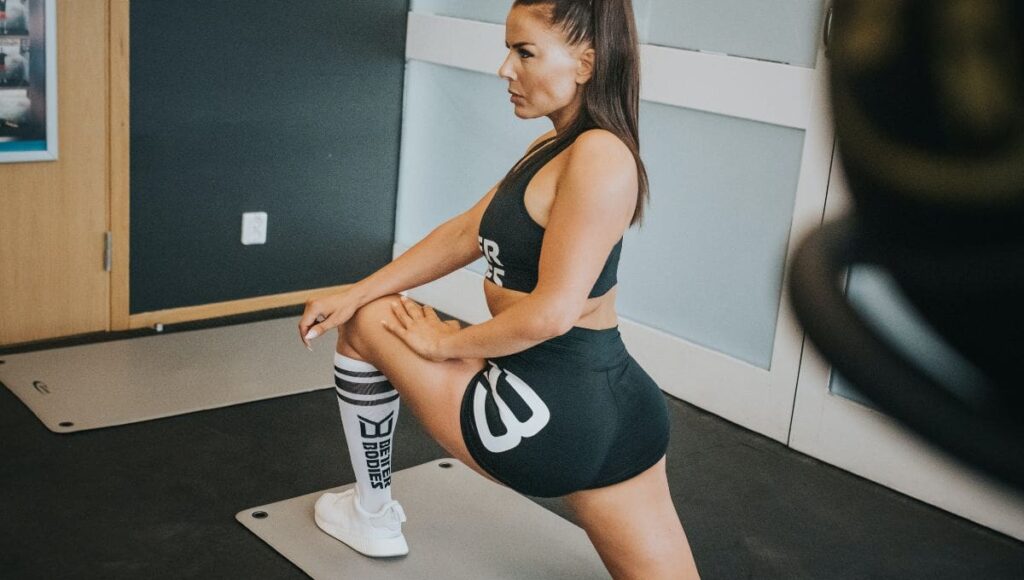
Picture these habits as the architectural blueprint for your fitness journey. The workout log becomes the detailed plan, guiding you through each session with purpose. Tracking macros serves as the meticulous measurement of materials, ensuring your body receives the necessary nutrients for growth. Monitoring body weight becomes the ongoing inspection, ensuring the construction progresses at the right pace. Mastering technique is the craftsmanship, ensuring that each movement is precise and effective. Lastly, prioritizing mobility is the foundation, providing the flexibility necessary for sustained progress.
In cultivating these habits, you are not merely going through the motions; you are crafting a lifestyle that inherently leads to continuous gains. Allow each habit to become second nature, integrating seamlessly into your daily routine until progress becomes an automatic part of your fitness narrative. It’s a gradual process, but one that promises not just physical transformation but a sustainable, lifelong commitment to your well-being.
As you master these muscle-building habits, envision your gains continuing on autopilot. The journey may have started with lifting weights, but it has evolved into a comprehensive approach to health and fitness. With these habits firmly established, you are not just building muscle; you are sculpting a resilient, disciplined, and determined version of yourself—one that thrives on the consistency of purposeful habits. So, let these habits be the compass that guides you, ensuring that your muscle-building journey is not just a phase but a continuous and rewarding lifestyle.
Watch the video below to see Gonzalez himself explain these daily habits that will accelerate your body’s ability to build muscle.
Top Training Programs to Gain Size and Mass
The Best Training Technique to Build Muscle in Half the Time
Building muscle requires a combination of consistent training, proper nutrition, and recovery. Here are the basics one must follow to effectively build muscle:
- Resistance Training:
- Engage in regular resistance training exercises. This includes weight lifting, bodyweight exercises, or resistance band workouts.
- Focus on compound exercises that target multiple muscle groups, such as squats, deadlifts, bench presses, and overhead presses.
- Progressive Overload:
- Gradually increase the intensity of your workouts over time. This can involve lifting heavier weights, increasing the number of sets and reps, or reducing rest periods between sets.
- Consistency:
- Consistency is key. Stick to a regular workout schedule, and make exercise a habit in your daily or weekly routine.
- Balanced Nutrition:
- Consume a well-balanced diet with an emphasis on protein. Protein is essential for muscle repair and growth.
- Ensure an adequate intake of carbohydrates and healthy fats to provide energy for workouts and support overall health.
- Caloric Surplus:
- To build muscle, you need to be in a caloric surplus, meaning you consume more calories than your body expends. This provides the extra energy needed for muscle growth.
- Protein Intake:
- Consume an adequate amount of protein, roughly 1.6 to 2.2 grams per kilogram of body weight. Protein is crucial for muscle protein synthesis.
- Hydration:
- Stay well-hydrated. Water is essential for various physiological functions, including muscle recovery and nutrient transport.
- Adequate Rest and Recovery:
- Allow your muscles to recover by getting enough sleep (7-9 hours per night).
- Incorporate rest days into your workout routine to prevent overtraining and reduce the risk of injury.
- Quality Sleep:
- Quality sleep is crucial for muscle recovery and overall health. Aim for consistent and restful sleep each night.
- Limit Stress:
- Chronic stress can hinder muscle growth. Practice stress-reducing techniques such as meditation, deep breathing, or yoga.
- Varied Workout Routine:
- Periodically change your workout routine to prevent plateaus and keep your muscles challenged. This could involve altering exercises, sets, reps, or intensity.
- Form and Technique:
- Focus on proper form and technique during exercises to target the intended muscle groups effectively and reduce the risk of injury.
- Supplementation (Optional):
- Consider supplements like protein powder, creatine, and branched-chain amino acids (BCAAs) to support muscle growth. However, always consult with a healthcare professional before adding supplements to your regimen.
- Track Progress:
- Keep a workout log to track your progress. This helps you identify areas for improvement and ensures a systematic approach to muscle building.
By combining these basics—consistent resistance training, balanced nutrition, proper recovery, and lifestyle factors—you create a comprehensive approach to building muscle effectively and sustainably. Remember that individual responses may vary, so it’s essential to tailor these basics to your specific needs and goals.
4 Early Signs You’re Not Building Muscle

15 Muscle Building Mistakes You Could be Making
Building muscle is important for a variety of reasons, extending beyond just aesthetics or a desire for a more muscular physique. Here are some key reasons why building muscle is beneficial:
- Metabolism Boost: Muscle tissue burns more calories at rest than fat tissue. As you build muscle, your resting metabolic rate increases, aiding in weight management and making it easier to maintain a healthy body weight.
- Improved Body Composition: Increasing muscle mass while reducing body fat leads to a more favorable body composition. This not only enhances physical appearance but also contributes to overall health.
- Enhanced Strength and Functionality: Building muscle improves overall strength, making daily activities and tasks easier to perform. Increased strength also reduces the risk of injuries and promotes better functional movement.
- Bone Health: Resistance training, a key component of muscle building, has been shown to positively impact bone density. This is especially important for preventing conditions like osteoporosis as you age.
- Metabolic Health: Muscle plays a crucial role in regulating blood sugar levels. Improved insulin sensitivity, a result of muscle development, can lower the risk of type 2 diabetes and other metabolic disorders.
- Heart Health: Regular strength training has been associated with improved cardiovascular health. It helps lower blood pressure, reduce cholesterol levels, and enhance overall heart function.
- Joint Support: Strengthening the muscles around joints provides added support and stability. This is particularly beneficial for individuals with conditions like arthritis or joint issues.
- Increased Energy Levels: Regular exercise, including muscle-building activities, has been linked to increased energy levels and reduced feelings of fatigue. It enhances overall endurance and stamina.
- Mental Health Benefits: Exercise, including resistance training for muscle building, has been shown to have positive effects on mental health. It can help alleviate stress, anxiety, and depression while promoting a sense of well-being.
- Longevity: Maintaining muscle mass is associated with increased longevity. It contributes to overall health and resilience, reducing the risk of chronic diseases that can impact lifespan.
- Functional Independence in Aging: Building and maintaining muscle becomes increasingly important as we age. It helps preserve mobility, independence, and quality of life in later years.
In summary, building muscle goes beyond cosmetic reasons—it is a fundamental aspect of overall health and well-being. Whether you’re aiming for improved metabolism, enhanced strength, or long-term health benefits, incorporating muscle-building activities into your routine is a holistic approach to promoting a healthier and more resilient body.
The Only 5 Exercises You Need to Look Super Jacked
How to Make the Biggest Visual Change To Your Body Quickly
5 Methods of Progressive Overload to Force Muscle Growth5 Steps to Build a Perfect Male Physique