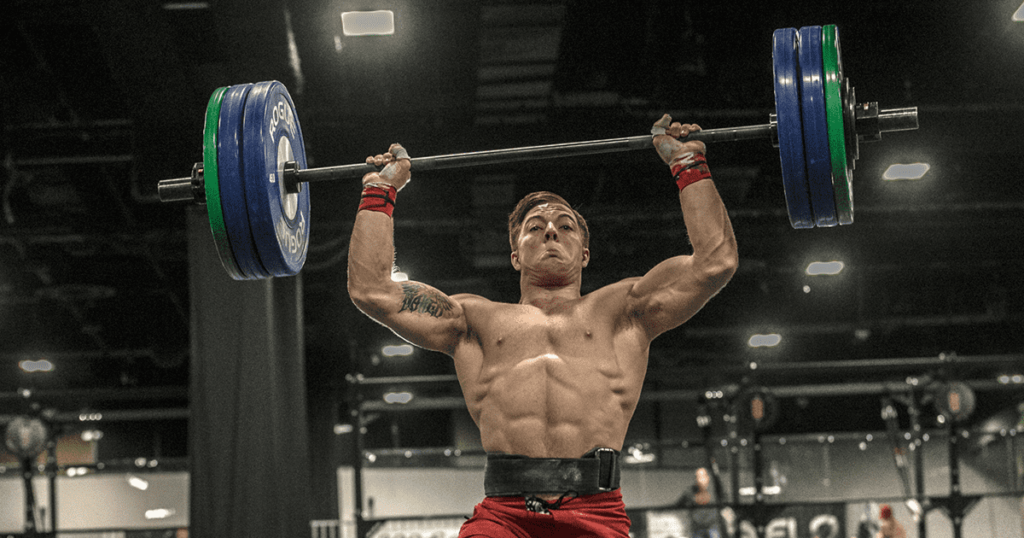
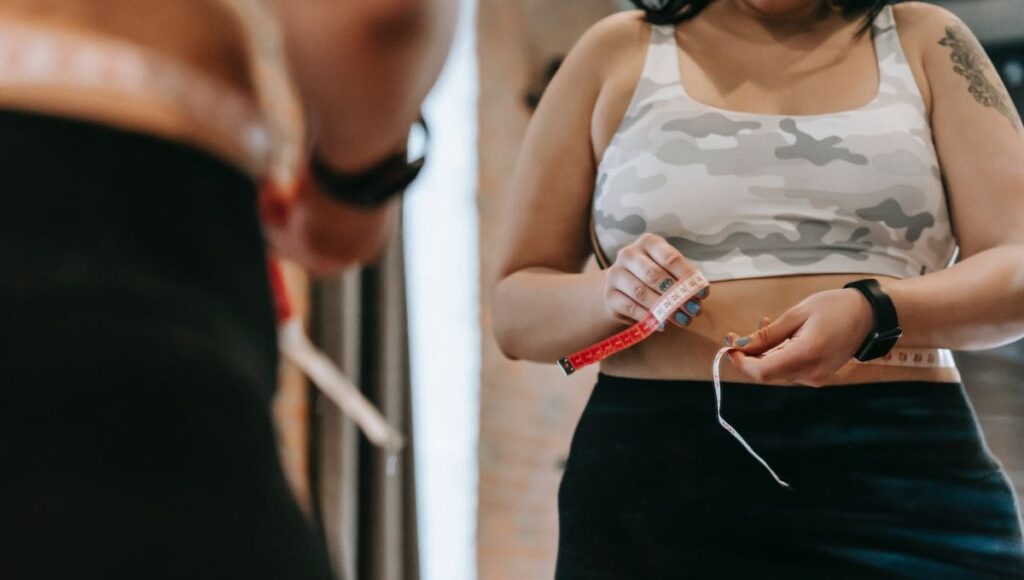
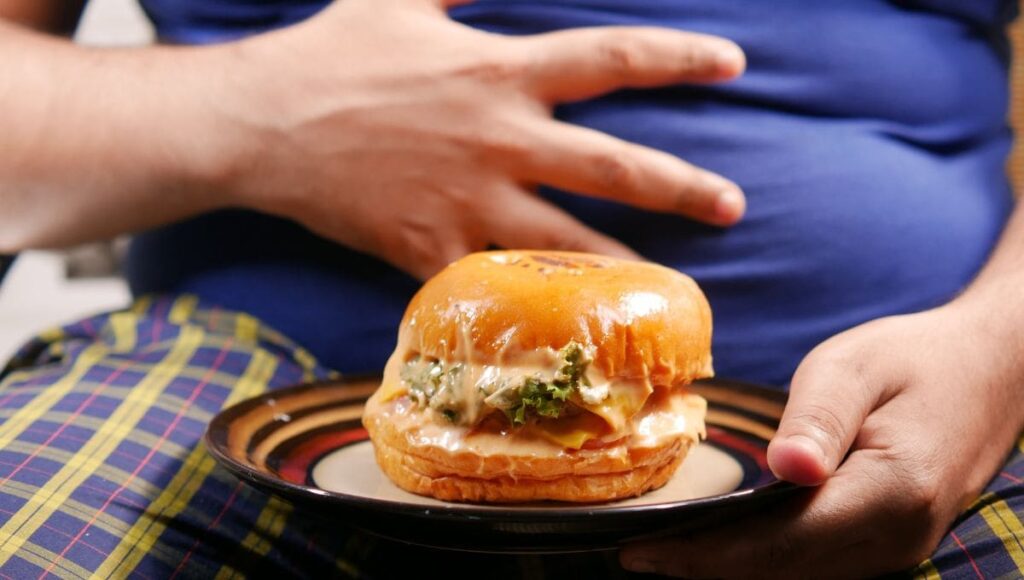
New year, another chance to get your fitness goals in order. If you’ve set a goal to get lean this year, you’re not alone. However, the harsh reality is that more than 80% of individuals attempting this feat end up failing. But if you follow these 3 simple steps to actually get lean in 2024, you could improve your odds of finally getting fit the way you always wanted.
The foundation of the insights for this article rests on a video presentation by Jeremy Ethier, a distinguished kinesiologist and fitness trainer who stands as a co-founder of Built With Science. With a staggering 6 million subscribers on his YouTube channel, Ethier has built a reputation for providing lucid information firmly grounded in robust scientific research.


According to Ethier, there are three simple science-backed steps that, when followed diligently, can help you beat the odds and achieve a leaner physique. In this in-depth article, we’ll explore these steps, starting with the crucial aspect of your diet.
3 Simple Steps to Actually Get Lean in 2024
Step 1: Mastering Your Diet
The foundation of your journey to leanness lies in your diet. Creating a realistic timeline is the first step, understanding that the process might take longer than expected. A key factor is to accurately assess your current body state, and realistic expectations are essential for long-term success.
1.1 Calorie Deficit: Your diet’s primary role is to drive results by forcing your body to use fat for energy. Achieving this requires maintaining a calorie deficit, where you consume fewer calories than your body needs. To determine the right deficit for you, a calculator can be used. However, fixing your food environment is equally crucial. Eliminate trigger foods, strategically place snacks out of reach, and pay attention to your surroundings when eating.

How to Shed Fat, Get Lean and Stay Lean Using Science-Based Tips
1.2 Protein Intake: Protein plays a pivotal role in fat loss by protecting muscle mass during a calorie deficit. Aim for approximately 0.8 grams of protein per pound of body weight per day. Include high-quality protein sources in your meals to meet this target and support your muscle retention.
1.3 Nutrient-Rich Foods: Apart from protein, focus on nutrient-dense foods that keep you full and support your fat loss journey. Foods like potatoes, oats, whole grains, lean proteins, apples, and oranges are excellent choices. Strive for a balanced approach, with 80% of your diet comprising these nutritious options, and the remaining 20% allowing for treats and more processed foods.
1.4 Calorie Tracking: Even with a healthy diet, it’s easy to consume too many calories. To ensure you stay on track, consider tracking your calorie intake for at least a week. This awareness will help you make necessary adjustments and maintain a successful diet.
Step 2: Effective Exercise Strategies
To enhance your fat loss efforts, incorporating effective exercise is crucial. A recent meta-analysis identified a calorie deficit combined with weightlifting as the most effective fat loss protocol. Lift weights three to five times a week to preserve muscle mass and stimulate fat burning.
2.1 Consistent Physical Activity: Avoid becoming sedentary during your journey to leanness. Track your daily steps and aim for at least 7,000 steps per day. Consistent physical activity is essential for overall health and supports your fat loss goals.
The Perfect Workout for Weight Loss

The Phenomenal Benefits of Walking 10,000 Steps Every Day
Step 3: Consistency Hacks for Long-Term Success
While the journey to a lean physique can be challenging, three consistency hacks can significantly improve your chances of success.
3.1 The Power of 60%: Rather than aiming for perfection, strive to meet your goals at least 60% of the time. This approach allows for flexibility while still making progress. Once this becomes manageable, you can gradually aim for higher consistency.
3.2 Incorporate Diet Breaks: Similar to taking breaks on a road trip, incorporating diet breaks every 8 to 12 weeks can prevent burnout. Increase your calorie intake slightly during these breaks to recharge both mentally and physically.
3.3 Patience with Belly Fat: Belly fat is often the last to go, and many people quit before reaching this stage. Trust the process and be patient. Celebrate progress in other areas of your body, and remember that true transformation takes time.
The Science Behind Workout Frequency

Getting lean is a challenging yet achievable goal. By following these three science-backed steps—mastering your diet, incorporating effective exercises, and adopting consistency hacks—you can significantly improve your odds of success. Remember, patience and perseverance are key on this journey to a leaner and healthier you.
Watch the video below from Ethier in which he explains with more details the 3 simple steps to actually get lean in 2024 and that you should be following.
8 Mistakes Everyone Does Trying to Get Shredded
How to Set SMART Goals for 2024 (and Actually Achieve Them)
Learn More
Losing weight and getting lean can be a challenging endeavor for many individuals. This is due to a combination of biological, psychological, and environmental factors that work against achieving and maintaining a healthy weight.
Biological Factors
Our bodies are naturally programmed to conserve energy and store fat. This is a survival mechanism that ensures we have resources to draw on when food is scarce. As a result, our metabolism, the process of converting food into energy, slows down when we consume fewer calories. This makes it more difficult to burn off excess fat.
Hormonal fluctuations can also play a role in weight management. Hormones like leptin, which signals satiety, and ghrelin, which stimulates hunger, can become imbalanced during weight loss, leading to increased cravings and appetite.
Psychological Factors
Emotional eating, the tendency to overeat in response to stress, anxiety, or boredom, can significantly hinder weight loss efforts. Additionally, ingrained habits and lifestyle choices, such as late-night snacking or an inactive lifestyle, can make it difficult to break away from unhealthy patterns.
Environmental Factors
The food environment we live in often promotes unhealthy eating habits. The abundance of processed foods, sugary drinks, and tempting options in restaurants and grocery stores can make it challenging to make healthy choices. Moreover, social pressures and the influence of peers can also contribute to making it harder to adopt a healthy lifestyle.
In summary, losing weight and getting lean is not a simple matter of calories in versus calories out. It’s a complex process that requires addressing biological, psychological, and environmental factors. By understanding these challenges, individuals can develop strategies to overcome them and achieve their weight loss goals.
10 Diet Mistakes That Are Ruining Your Muscle Gains

Ultimate Guide on How to Get Shredded
Maintaining a lean and fit physique offers a multitude of benefits that extend far beyond aesthetics. These benefits encompass both physical and mental well-being, contributing to an overall improved quality of life.
Physical Benefits
- Improved Metabolic Health: A lean body typically has a higher metabolic rate, which means it burns calories more efficiently. This can lead to greater weight loss and maintenance, reduced risk of obesity, and improved insulin sensitivity, which is crucial for regulating blood sugar levels and preventing type 2 diabetes.
- Reduced Risk of Chronic Diseases: Maintaining a healthy weight and body composition can significantly lower the risk of developing various chronic diseases, including heart disease, stroke, type 2 diabetes, certain types of cancer, and metabolic syndrome.
- Enhanced Physical Performance: Lean individuals typically have a better power-to-weight ratio, which allows them to perform physical activities more efficiently. This can translate into improved athletic performance, increased energy levels, and reduced fatigue.
- Joint Health and Mobility: Extra body fat puts excessive pressure on joints, increasing the risk of injuries and joint pain. Maintaining a lean physique can help reduce joint stress and improve overall joint health and mobility.
- Stronger Bones: Muscle mass plays a crucial role in bone health. Lean individuals tend to have more muscle mass, which helps to increase bone density and reduce the risk of osteoporosis and fractures.
Mental Benefits
- Increased Self-Esteem and Confidence: Achieving and maintaining a lean physique can boost self-esteem and confidence, leading to a more positive self-image and improved overall mental well-being.
- Reduced Stress and Anxiety: Physical activity has been shown to effectively reduce stress and anxiety levels. Regular exercise can help alleviate stress hormones and promote a sense of calm and relaxation.
- Improved Cognitive Function: Studies have linked regular exercise and a healthy body weight to enhanced cognitive function, including improved memory, focus, and concentration.
- Better Sleep Quality: Physical activity can promote better sleep quality, which is essential for overall physical and mental health.
- Reduced Depression Symptoms: Exercise has been shown to be an effective treatment for depression and anxiety. Regular physical activity can help improve mood, reduce symptoms of depression, and enhance overall mental well-being.
In conclusion, maintaining a lean and fit physique offers a multitude of benefits that extend beyond aesthetics, contributing to a healthier, happier, and more fulfilling life. By adopting healthy lifestyle habits, including a balanced diet and regular exercise, individuals can reap these significant rewards and experience a positive impact on both their physical and mental health.