Should you lift hard and heavy to build the most muscle? Is this always the best approach, or is there some nuance around it? That is what we are here to discuss.
No pain, no gain. You, me, and everyone in the world has heard about this – even people who barely use English in their daily lives use this expression. In short, it means you need to go hard while training to see improvements in your fitness and physique.


However, what “hard and heavy” really means. In this article, we’ll delve into the concept of hardcore training, exploring its benefits, downsides, and whether it’s a suitable approach for everyone.
Dr Mike Israetel, PhD in Sport Physiology and co-founder of Renaissance Periodization, is a well-respected professor in the bodybuilding community. He doesn’t only talk about workouts and fitness tips, he often dives deep into health and nutrition.
We borrow from Israetel’s experience, expertise and knowledge to discover what hard and heavy actually means, and if this is the answer to growing the most muscle possible when hitting the gym.
10 Diet Mistakes That Are Ruining Your Muscle Gains
Defining “Hard and Heavy”
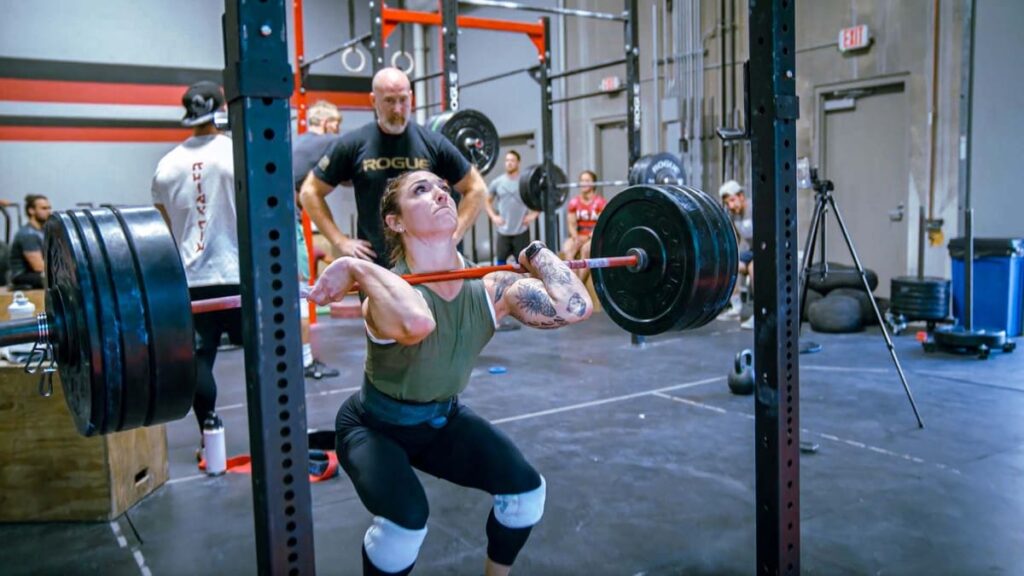
The term “hard and heavy” is associated with a training style popularized by legends like Ronnie Coleman and Branch Warren. It involves performing sets of 5 to 10 reps with heavy weights, pushing the limits of the body’s capacity. It’s the kind of training where the leg press might be discarded in favor of hardcore squats to failure, and dropping the bar after a set is accompanied by a triumphant flex and a declaration of dominance.
Is Lifting Hard and Heavy the Best Approach for Muscle Growth?
Benefits of Hardcore Training
- Fun Factor: One undeniable advantage of hardcore training is its entertainment value. The sheer joy of listening to gangster rap, pushing heavy weights, and embracing a no-nonsense attitude can make workouts exhilarating.
- High Raw Stimulus Magnitude: Hardcore training provides an intense stimulus for muscle growth. When observing bodybuilders like Branch Warren, the visible intensity and shaking during rows suggest a thorough stimulation of muscle fibers, leaving no room for doubt.
- Psychological Catharsis: Engaging in hardcore training can serve as a psychological outlet. The ego energy that comes with early intermediate training years can find expression in this challenging and high-intensity style, offering a therapeutic release.
- Reinforcement of Effort: Hardcore training acts as an insurance policy against the perception of not giving it your all. It ensures that, at the very least, the commitment and effort put into the workout are unquestionable.

How to Force Muscle Growth – 5 Best Methods You Should Try
Downsides of Hardcore Training
While the benefits are enticing, the downsides of hardcore training cannot be ignored:
- Increased Injury Risk: Pushing the limits with heavy weights increases the likelihood of injuries. The risk of muscle strains, joint issues, and overuse injuries becomes more significant when pursuing hardcore training.
- Higher Fatigue Accumulation: The use of excessive weight, sometimes involving muscles not directly targeted, can lead to unnecessary fatigue accumulation. This may hinder recovery and overall progress.
- Variable Effectiveness: Hardcore training may not be universally effective for all muscle groups. While it might work well for back and legs, its impact on smaller muscles like biceps or side delts is questionable.
The Only 5 Exercises You Need to Look Super Jacked
A Better Way to Approach Hardcore Training
If you’re drawn to the allure of hardcore training, it’s crucial to find a balanced approach. Dr. Mike recommends this style for individuals in the early intermediate phase, where basic techniques are established, and gains are still progressing.
- Evaluate Stimulus to Fatigue Ratio: Assess how much pump and tension you feel in the target muscles compared to other areas. Experiment with variations to find the best stimulus to fatigue ratio.
- Transition Slowly: As you grow stronger and more experienced, transition slowly towards a more nuanced training style. Emphasize quality over quantity, focusing on each rep’s execution rather than simply burning through sets.
- Gradual Technique Refinement: Refine your technique gradually as you fall in love with the results and the process of training. Remember that as you transition, the aim is to maintain a high stimulus to fatigue ratio.
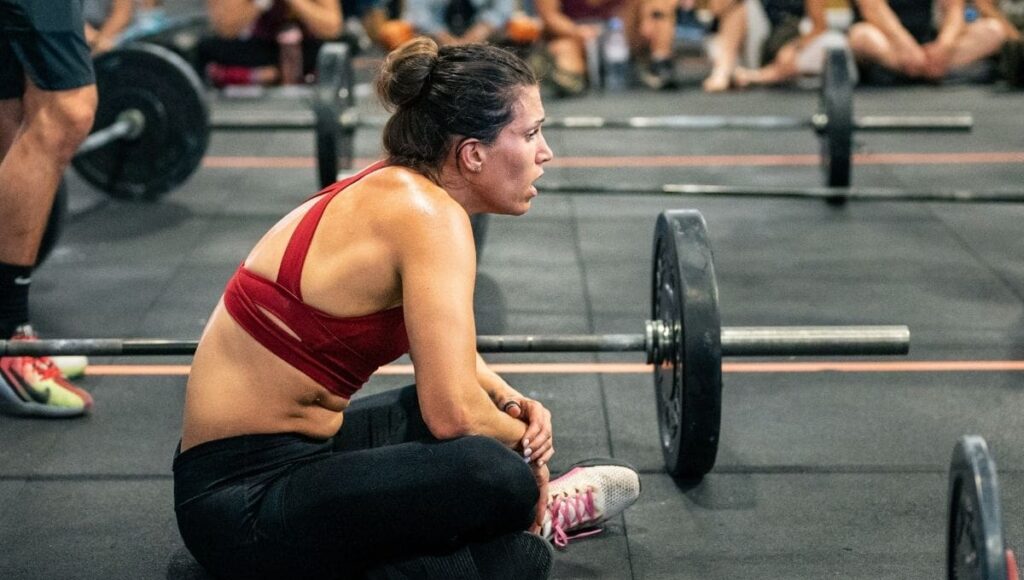
In the journey of fitness, hardcore training serves as a phase that can be both fun and beneficial. As you progress, it’s essential to balance the intensity with a more nuanced approach, focusing on quality and sustainability.
While going hard and heavy has its merits, a thoughtful transition to refined techniques ensures long-term success in your fitness journey. So, go out there, have fun, but always stay safe and avoid anything stupid.
To understand better if lifting hard and heavy is the best approach for muscle growth, you may also choose to listen it from Mike Israetel’s mouth himself in the video below. And as usual, he does it with simplicity and humour that defined his coaching history.
Why You Cannot Outrun a Bad Diet
However, there is one thing that Dr Mike did not specify in his video regarding building the most muscle, although we know he has expressed this view before. Israetel did not mention the nutrition part of building muscle, which is extremely important.
Building muscle requires more than just lifting heavy weights in the gym; it necessitates a holistic approach that includes a proper diet. Here are several reasons why a balanced and nutrient-rich diet is essential for effective muscle building:
- Energy for Workouts:
- A proper diet provides the necessary energy for intense workouts. Carbohydrates, fats, and proteins from your diet serve as fuel, ensuring you have the stamina and endurance to perform resistance training exercises that stimulate muscle growth.
- Protein Synthesis:
- Proteins are the building blocks of muscles. Consuming an adequate amount of protein is crucial for protein synthesis, the process by which the body repairs and rebuilds muscle tissues damaged during workouts. Protein-rich foods like lean meats, eggs, dairy, and plant-based sources are essential for muscle recovery and growth.
- Nutrient Supply:
- Muscles require a variety of nutrients, including vitamins and minerals, to function optimally. A well-rounded diet ensures that your body has a sufficient supply of essential nutrients that contribute to overall health and support muscle-building processes.
- Hormonal Balance:
- Proper nutrition plays a role in maintaining hormonal balance. Hormones like testosterone, insulin, and growth hormone influence muscle growth. Nutrient-dense foods help regulate these hormones, creating an environment conducive to muscle development.
- Recovery and Repair:
- Intense workouts create micro-tears in muscle fibers that need to be repaired for muscle growth to occur. Nutrients like protein, carbohydrates, and antioxidants aid in the recovery and repair process, reducing muscle soreness and promoting faster recuperation between workouts.
- Optimal Body Composition:
- Achieving a favorable body composition, with an appropriate balance of muscle mass and body fat, is crucial for aesthetics and functional strength. A proper diet, combined with effective training, helps in achieving and maintaining the desired body composition.
- Preventing Muscle Breakdown:
- During periods of calorie deficit or intense training, the body may enter a catabolic state where it breaks down muscle tissue for energy. Consuming an adequate amount of calories, particularly from protein sources, helps prevent muscle breakdown and supports muscle preservation.
- Hydration for Performance:
- Staying adequately hydrated is often overlooked but is vital for optimal muscle function. Water is essential for nutrient transport, temperature regulation, and overall performance during workouts.
In conclusion, a proper diet is a cornerstone of successful muscle building. It provides the necessary energy, nutrients, and support for the intricate processes involved in muscle growth, recovery, and maintenance. To maximize your efforts in the gym, combining a well-structured workout routine with a balanced and nutrient-rich diet is key to achieving your muscle-building goals.
Most Important Factors to Build Muscle Beyond Protein Consumption