Is it leg day already? But you don’t need to put on big plates on the barbell to make sure you get the good pump. Find out how to build bigger legs with smaller weights in the paragraphs below.
The information you will see in this article was based on a video shared by Dr Mike Israetel. He has a PhD in Sport Physiology, is the co-founder of Renaissance Periodization, and is a well-respected professor in the bodybuilding community. He doesn’t only talk about workouts and fitness tips, he often dives deep into health and nutrition.


Welcome to a leg day extravaganza with Dr. Mike and Jared Feather, joined by the incredible Ali Cheetany. In this in-depth article, we’ll take you through the gruelling yet highly effective hamstring and quad-focused workout that promises to leave you in a state of leg day doom.
Meet the Players:
- Dr. Mike: The knowledgeable and enthusiastic leader of the pack, Dr. Mike sets the tone for the intense workout session.
- Jared Feather: Sporting an impressive Mohawk, Jared Feather is introduced as an IFBB Pro, ready to tackle the challenges of the upcoming leg day.
- Ali Cheetany: A competitive bodybuilder proudly representing Lebanon, Ali Cheetany is set to honor the legacy of legendary Lebanese bodybuilding champions, including Mr. Olympia winners.
This is how you can build bigger legs with smaller weights. Check it out.
Related: 16 Quad Exercises Ranked Worst to Best
How to Build Bigger Legs with Smaller Weights
For a shorter rundown of the exercises, head to the bottom of the page.
Hamstring Focused Madness:
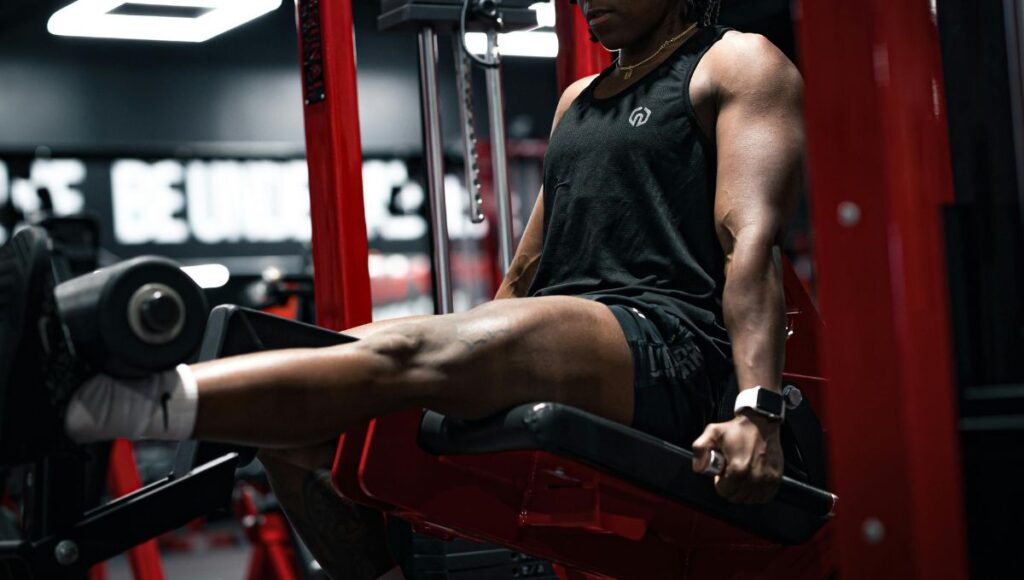
The workout kicks off with a dedicated focus on the hamstrings. Dr. Mike and his team demonstrate the seated hamstring curl machine, emphasizing the importance of stability and minimal movement for maximum muscle engagement.
Ali Cheetany takes center stage, executing sets of 10 to 20 reps with Myo-rep matching. The intense approach to failure with short rest breaks between mini-sets aims to provide a massive growth stimulus to the hamstrings.
Dumbbell Stiff-Legged Deadlifts:
A unique addition to the routine, the team incorporates dumbbell stiff-legged deadlifts. Dr. Mike emphasizes the importance of arching the lower back to pre-stretch the hamstrings, creating a menu of load pain and depth for maximum effectiveness.
Quads Enter the Scene:
Transitioning to quad-focused exercises, the team tackles the legendary linear leg press hack squat machine. Ali Cheetany showcases incredible strength and control, enduring slow eccentrics for a substantial growth stimulus.
Squats: The Ultimate Quad Challenge:
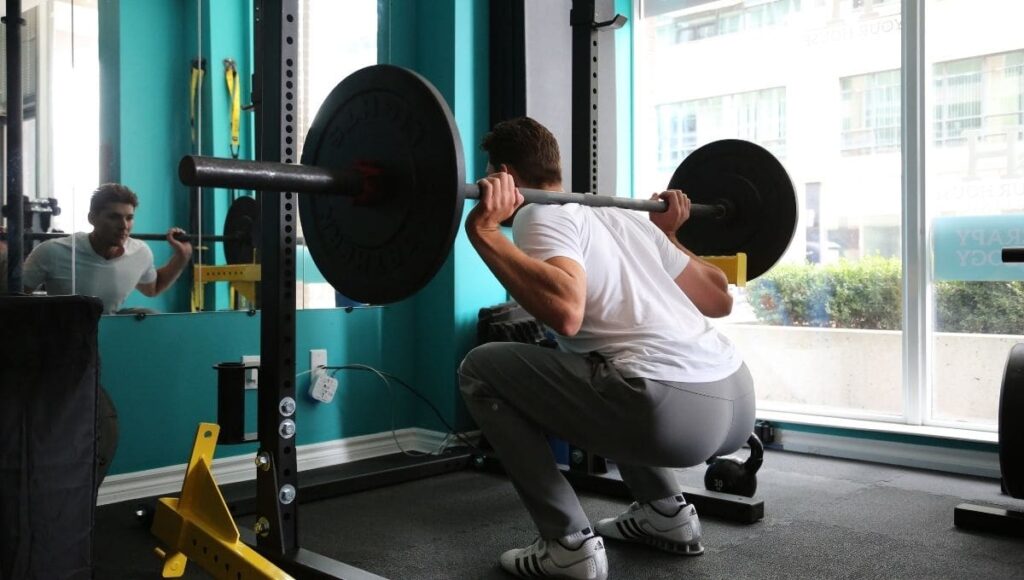
With quads already fatigued, Ali Cheetany faces the squat rack. Dr. Mike explains the strategic reduction in load to avoid excessive axial fatigue. Ali performs two sets, first with 185 pounds and then with 135 pounds, showcasing remarkable strength and control.
300 Squats Every Day for 30 Days – What Happens to your Body?
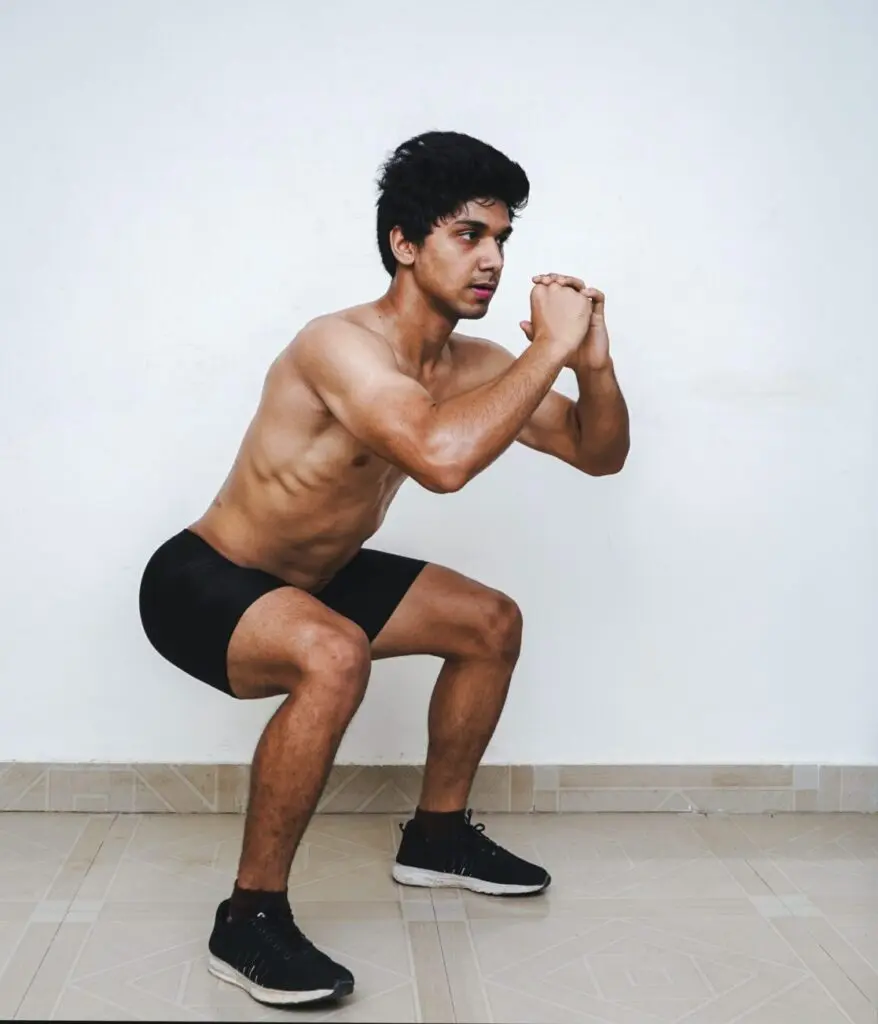
RP Patented Drop Set:
The workout concludes with an RP patented drop set involving bodyweight squats. Ali pushes through the fatigue, demonstrating the perfect intersection of hard training and technical precision.
In nutshell, here are the exercises Ali had to perform and that should be the answer to how to build bigger legs with smaller weights:
If you don’t know what are myo-reps, click here.
Hamstring Focused Section:
- Seated Hamstring Curls:
- Sets: 3
- Reps: 10 to 20 (Myo-rep matching)
- Method: Myo-rep matching, with short rest breaks between mini-sets.
- Dumbbell Stiff-Legged Deadlifts:
- Sets: 2
- Reps: 7 to 15
- Focus: Arching the lower back, slow eccentric movements.
Quad Focused Section:
- Horizontal Hack Squat Machine:
- Sets: 3
- Reps: 10 to 20
- Focus: Slow eccentrics, maximizing the growth stimulus.
- Barbell Paused Squats:
- Set 1:
- Weight: 185 pounds
- Reps: 10 to 12
- Set 2:
- Weight: 135 pounds
- Reps: 10 to 12
- Set 1:
RP Patented Drop Set:
- Bodyweight Squats:
- Set 1:
- Reps: to failure
- Focus: RP patented drop set to failure, slow descend.
- Set 1:
Note:
- The workout emphasizes intensity, slow and controlled movements, and proximity to failure for optimal muscle growth stimulus.
In this epic leg day journey, Dr. Mike, Jared Feather, and Ali Cheetany prove that a combination of intense training, scientific methodology, and impeccable technique can lead to extraordinary muscle growth. Follow their lead, embrace the pain, and witness the transformation of your lower body. Leg day has never been this intense, and the results speak for themselves.
You can watch it all unfold in the video below. See how Jared Feather explains beforehand why each exercise is great to build bigger legs, even though the weights are relatively low. Mike Israetel also explains how to perform each exercise and puts in a lot of good energy and coaching to get Ali to perform each rep with perfect range of motion and technique.
5 Tips to Grow Bigger Quads Quickly
How to Choose the Right Exercise for You?
11 Essential Exercises for Faster Muscle Gains
Strong legs play a pivotal role in maintaining overall physical health and functionality. Firstly, they provide a solid foundation for daily activities, enhancing stability and balance. Whether walking, climbing stairs, or simply standing, having strong legs reduces the risk of falls and injuries, particularly as we age. This foundation is crucial for maintaining an active and independent lifestyle.
Secondly, strong legs contribute significantly to athletic performance. In sports and recreational activities, power generated from the lower body is often a determining factor for success. Whether it’s sprinting, jumping, or agility movements, well-developed leg muscles enhance performance and reduce the risk of sports-related injuries. Athletes across various disciplines prioritize leg strength as a fundamental component of their training regimen.
Lastly, strong legs positively impact metabolism and overall body composition. The lower body muscles, particularly the large muscle groups like the quadriceps and hamstrings, require substantial energy to function. Regular leg training contributes to increased calorie expenditure, aiding in weight management and promoting a leaner physique. Additionally, a balanced leg workout routine can stimulate the release of growth hormone and improve insulin sensitivity, supporting overall metabolic health. Strong legs, therefore, go beyond aesthetics, playing a vital role in promoting functional movement, athletic prowess, and metabolic well-being.
Try this Incredible Squat Hack that Will Skyrocket your Strength Gains

How to Bulletproof Your Knees with 1 Exercise
However, there is one thing that Dr Mike did not specify in his video regarding building the most muscle, although we know he has expressed this view before. Israetel did not mention the nutrition part of building muscle, which is extremely important.
Building muscle requires more than just lifting heavy weights in the gym; it necessitates a holistic approach that includes a proper diet. Here are several reasons why a balanced and nutrient-rich diet is essential for effective muscle building:
- Energy for Workouts:
- A proper diet provides the necessary energy for intense workouts. Carbohydrates, fats, and proteins from your diet serve as fuel, ensuring you have the stamina and endurance to perform resistance training exercises that stimulate muscle growth.
- Protein Synthesis:
- Proteins are the building blocks of muscles. Consuming an adequate amount of protein is crucial for protein synthesis, the process by which the body repairs and rebuilds muscle tissues damaged during workouts. Protein-rich foods like lean meats, eggs, dairy, and plant-based sources are essential for muscle recovery and growth.
- Nutrient Supply:
- Muscles require a variety of nutrients, including vitamins and minerals, to function optimally. A well-rounded diet ensures that your body has a sufficient supply of essential nutrients that contribute to overall health and support muscle-building processes.
- Hormonal Balance:
- Proper nutrition plays a role in maintaining hormonal balance. Hormones like testosterone, insulin, and growth hormone influence muscle growth. Nutrient-dense foods help regulate these hormones, creating an environment conducive to muscle development.
- Recovery and Repair:
- Intense workouts create micro-tears in muscle fibers that need to be repaired for muscle growth to occur. Nutrients like protein, carbohydrates, and antioxidants aid in the recovery and repair process, reducing muscle soreness and promoting faster recuperation between workouts.
- Optimal Body Composition:
- Achieving a favorable body composition, with an appropriate balance of muscle mass and body fat, is crucial for aesthetics and functional strength. A proper diet, combined with effective training, helps in achieving and maintaining the desired body composition.
- Preventing Muscle Breakdown:
- During periods of calorie deficit or intense training, the body may enter a catabolic state where it breaks down muscle tissue for energy. Consuming an adequate amount of calories, particularly from protein sources, helps prevent muscle breakdown and supports muscle preservation.
- Hydration for Performance:
- Staying adequately hydrated is often overlooked but is vital for optimal muscle function. Water is essential for nutrient transport, temperature regulation, and overall performance during workouts.
In conclusion, a proper diet is a cornerstone of successful muscle building. It provides the necessary energy, nutrients, and support for the intricate processes involved in muscle growth, recovery, and maintenance. To maximize your efforts in the gym, combining a well-structured workout routine with a balanced and nutrient-rich diet is key to achieving your muscle-building goals.
Most Important Factors to Build Muscle Beyond Protein Consumption
10 Terrible Things To Do Before A Workout