Building a sculpted and powerful chest is a fitness goal that resonates with many individuals, whether they are seasoned gym enthusiasts or beginners embarking on their fitness journey.
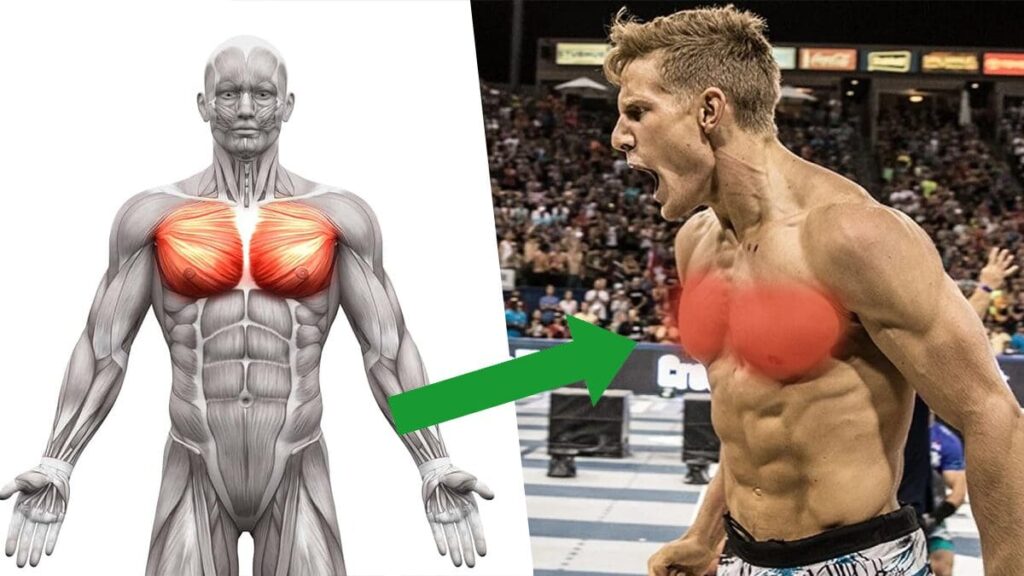
A well-developed chest not only contributes to a symmetrical and aesthetically pleasing physique but also plays a crucial role in overall strength and functional fitness.


In this article, we will explore the 5 best exercises that can help you achieve substantial chest muscle mass and carve out those enviable pecs. These exercises have been carefully selected based on their effectiveness in targeting different areas of the chest, promoting muscle growth, and enhancing overall chest aesthetics.
Before diving into the specifics of each exercise, it’s important to understand the significance of chest muscle mass in the realm of fitness. A strong and well-defined chest not only adds to your physical appearance but also contributes to functional strength, supporting various upper body movements and improving overall athletic performance.

Whether you’re aiming to build a chest that turns heads at the beach or looking to enhance your strength and athleticism, the exercises discussed in this article are designed to cater to a wide range of fitness goals. So, let’s delve into the world of chest workouts and discover the key exercises that will help you sculpt an impressive chest physique.
Importance of Chest Muscle Mass
The chest, or pectoralis major muscle, is a prominent and visually striking part of the upper body. Beyond its aesthetic appeal, chest muscle mass plays a crucial role in overall strength, posture, and functional movement. Understanding the importance of developing a strong and well-defined chest can provide motivation and insight into the benefits that extend beyond the superficial.
Aesthetic Appeal:
A developed chest is often considered a hallmark of a well-rounded and muscular physique. Whether you’re aiming for a chiseled look or simply want to enhance your overall appearance, a sculpted chest contributes significantly to a visually balanced and impressive physique.
Functional Strength:
The chest muscles are integral to various upper body movements, including pushing, lifting, and carrying. A strong chest enhances functional strength, enabling you to perform everyday activities with greater ease. Whether it’s lifting heavy objects, pushing a door open, or engaging in sports, a powerful chest is a foundation for many essential movements.
Posture Improvement:
Chest muscles play a role in maintaining good posture. Strengthening the chest helps counteract the forward-pulling effects of daily activities that involve hunching over, such as working on a computer or driving. A well-developed chest contributes to a balanced and upright posture, reducing the risk of musculoskeletal imbalances and associated discomfort.
Boosted Metabolism:
Engaging large muscle groups, such as the chest, in resistance training can contribute to an increased metabolic rate. As you build and maintain muscle mass, your body becomes more efficient at burning calories, which can be beneficial for weight management and overall metabolic health.
Athletic Performance:
Whether you’re an athlete or someone who enjoys recreational activities, a strong chest is vital for optimal performance. Chest muscles are frequently utilized in sports that involve pushing, throwing, or lifting, making their development crucial for athletes across various disciplines.
Confidence and Mental Well-Being:
Achieving progress in chest muscle development can have a positive impact on self-esteem and confidence. The physical changes that come with a well-defined chest can boost one’s body image, leading to improved mental well-being and a more positive outlook on fitness and life.

Understanding the multifaceted importance of chest muscle mass provides a compelling reason to incorporate targeted chest workouts into your fitness routine. Whether your goals are centered around aesthetics, strength, or overall well-being, building a robust chest can contribute significantly to your journey towards a healthier and more confident you.
Understanding the Anatomy of the Chest
Before embarking on a journey to build an impressive chest, it’s crucial to have a foundational understanding of the anatomy of the chest muscles.
The chest, scientifically referred to as the pectoralis major, is a large and fan-shaped muscle that spans across the upper chest and connects to the humerus bone of the upper arm. This complex muscle group can be further divided into distinct regions, each playing a unique role in various movements and exercises.
Pectoralis Major:
The pectoralis major is the primary muscle of the chest and is often categorized into two main parts: the clavicular head (upper chest) and the sternal head (lower chest). The clavicular head is responsible for movements like shoulder flexion, while the sternal head is more involved in shoulder adduction.
Serratus Anterior:
Positioned on the side of the chest, the serratus anterior is a set of finger-like muscles that plays a crucial role in stabilizing the shoulder blades. Strengthening the serratus anterior not only contributes to a well-defined chest but also enhances overall shoulder function and stability.
Subclavius:
A smaller muscle located beneath the clavicle, the subclavius assists in stabilizing the clavicle and shoulder joint during certain movements. While it’s not as prominent as the pectoralis major, its role in shoulder stability should not be overlooked.
Intercostal Muscles:
Found between the ribs, the intercostal muscles facilitate the expansion and contraction of the chest cavity during breathing. While not directly responsible for the visible aspects of chest development, a strong set of intercostal muscles contributes to overall chest function and respiratory health.
Understanding the specific muscles that make up the chest allows for a more targeted and effective approach to chest workouts. By incorporating exercises that engage each region of the chest, individuals can promote balanced muscle development and achieve a well-proportioned and aesthetically pleasing chest.
Additionally, recognizing the interconnectedness of the chest muscles with other muscle groups, such as the shoulders and back, emphasizes the importance of a holistic approach to training. By addressing the entire chest anatomy, individuals can optimize their workouts, minimize imbalances, and foster comprehensive strength and functionality in the upper body.
In the subsequent sections, we will explore exercises that target different aspects of the chest anatomy, ensuring a well-rounded and effective approach to building chest muscle mass.
Key Considerations Before Starting Chest Workouts
Embarking on a chest workout regimen requires careful consideration and planning to ensure not only optimal results but also safety and long-term well-being. Before diving into the intensity of chest exercises, it’s essential to take stock of several key factors that can influence the effectiveness of your workouts and contribute to a successful fitness journey.

Health and Fitness Assessment:
Before initiating any new exercise program, it’s prudent to assess your current health and fitness status. If you have pre-existing medical conditions or concerns, consulting with a healthcare professional or fitness expert is paramount. A comprehensive assessment can identify any potential limitations or modifications needed to tailor the workouts to your specific needs.
Warm-Up Routine:
Warming up is a crucial step in preparing your body for the demands of chest workouts. Engaging in light cardiovascular activity, such as brisk walking or jumping jacks, increases blood flow to the muscles, raises body temperature, and enhances joint flexibility. Dynamic stretches targeting the chest, shoulders, and arms can further prime your muscles for the upcoming workout.
Proper Form and Technique:
Correct form is fundamental to the effectiveness and safety of any exercise, and chest workouts are no exception. Before adding weight or intensity, focus on mastering the proper form for each exercise. This not only maximizes muscle engagement but also minimizes the risk of injuries. Consider seeking guidance from a fitness professional to ensure your technique is on point.
Progression and Gradual Intensity Increase:
Progression is a key principle in any successful workout program. Start with a weight and intensity level that challenges you without compromising form. As your strength improves, gradually increase the weight or resistance. Sudden jumps in intensity can lead to overtraining or injury, so a progressive approach is crucial for sustained growth.
Rest and Recovery:
Adequate rest and recovery are often underestimated but are vital components of a successful chest workout routine. Muscles need time to repair and grow stronger. Ensure you schedule rest days between intense chest workouts, allowing your muscles to recover and reducing the risk of overuse injuries.
Balanced Workout Routine:
While focusing on chest development, it’s essential to maintain a balanced workout routine that addresses other muscle groups. Neglecting opposing muscle groups, such as the back, can lead to imbalances and potential injury. Incorporate exercises that target different areas of the body for overall strength and symmetry.
Nutrition and Hydration:
Proper nutrition is the fuel that powers your workouts and supports muscle growth. Ensure you have a well-balanced diet that includes an adequate amount of protein to promote muscle repair and growth. Stay hydrated before, during, and after your workouts to optimize performance and aid recovery.
By carefully considering these factors before starting your chest workouts, you set the foundation for a safe, effective, and sustainable fitness journey. Whether you’re a beginner or an experienced lifter, prioritizing these key elements contributes to overall success in building chest muscle mass and achieving your fitness goals.
Bench Press: The King of Chest Exercises
When it comes to chest workouts, one exercise stands out as the undisputed king – the bench press. Renowned for its effectiveness in targeting the pectoralis major, anterior deltoids, and triceps, the bench press has earned its reputation as a staple in strength training and bodybuilding. In this section, we’ll delve into the nuances of the bench press, its variations, and the reasons behind its status as the go-to exercise for chest muscle development.
Fundamental Mechanics:
The bench press is a compound movement that primarily engages the chest muscles, with secondary involvement from the shoulders and triceps. The exercise is performed lying on a flat bench, holding a barbell with an overhand grip. The lifter lowers the bar to the chest and then pushes it back up to the starting position, effectively targeting the muscles of the upper body.
Targeting Different Muscle Regions:
One of the key advantages of the bench press lies in its ability to comprehensively target different regions of the chest. The standard grip emphasizes the middle and lower portions of the chest, while a wider grip places greater emphasis on the outer chest and upper pectorals. This versatility makes the bench press a versatile tool for achieving overall chest development.
Strength and Power Builder:
The bench press is unparalleled in its capacity to build raw strength and power. As a compound movement, it engages multiple muscle groups simultaneously, allowing lifters to handle heavier weights compared to isolation exercises. The neurological adaptations and muscle fiber recruitment stimulated by the bench press contribute significantly to overall upper body strength.
Variations for Targeted Development:
While the traditional flat bench press is a cornerstone exercise, there are variations that allow for targeted muscle development. Incline bench press shifts the focus to the upper chest, providing a well-rounded aesthetic. Decline bench press, on the other hand, emphasizes the lower chest. By incorporating these variations into your routine, you can address specific areas of the chest and achieve a balanced development.
Incorporating Proper Form:
Ensuring proper form is paramount when performing the bench press. This not only maximizes the effectiveness of the exercise but also minimizes the risk of injury. Key considerations include maintaining a stable grip, lowering the bar under control, and ensuring a full range of motion. If you’re new to the bench press, seeking guidance from a fitness professional can help you master the proper form.
Progressive Overload and Adaptation:
The principle of progressive overload is central to the effectiveness of the bench press. As your strength improves, gradually increase the weight to continue challenging your muscles. This constant progression stimulates muscle adaptation and growth, contributing to the development of a powerful and well-defined chest.
Incorporating the bench press into your chest workout routine can serve as the cornerstone for achieving a robust and visually appealing upper body. Whether your fitness goals revolve around strength, aesthetics, or overall functional fitness, the bench press remains an indispensable tool in the pursuit of a powerful and well-developed chest.
Dumbbell Flyes: Sculpting a Well-Defined Chest
While the bench press reigns as the king of chest exercises, dumbbell flyes claim their own throne as an essential and effective movement for sculpting a well-defined chest.
Dumbbell flyes are renowned for isolating the chest muscles, providing a unique range of motion that enhances muscle engagement and contributes to a more sculpted and aesthetically pleasing chest. In this section, we’ll explore the intricacies of dumbbell flyes, their benefits, and how they can play a crucial role in your chest workout routine.
Isolation of the Chest Muscles:
Unlike compound movements such as the bench press, dumbbell flyes specifically target the chest muscles without significant involvement from other muscle groups. By isolating the pectoralis major, flyes allow for a deep stretch and contraction, contributing to muscle development and definition.
Enhanced Range of Motion:
Dumbbell flyes offer a broader range of motion compared to many other chest exercises. This extended range allows for a deeper stretch at the bottom of the movement, activating muscle fibers across a wider spectrum. The controlled, deliberate motion of flyes helps stimulate muscle growth and enhance chest aesthetics.
Prevention of Joint Stress:
The nature of dumbbell flyes, particularly when performed on a flat or incline bench, reduces stress on the shoulder joints. This makes flyes an excellent choice for individuals who may experience discomfort or limitations with other pressing movements. The ability to fine-tune the angle of the bench allows for customization based on individual comfort and biomechanics.
Targeting the Sternal Fibers:
Dumbbell flyes emphasize the sternal fibers of the pectoralis major, contributing to a well-rounded chest development. This focus on the inner chest helps create definition and separation, enhancing the aesthetic appeal of the entire chest area.
Variations for Versatility:
Dumbbell flyes offer versatility through various exercise variations. Incline dumbbell flyes shift emphasis to the upper chest, while decline flyes target the lower chest. Additionally, performing flyes on a flat bench allows for balanced development across the entire chest. Incorporating these variations into your routine ensures a comprehensive approach to chest sculpting.
Mind-Muscle Connection:
Performing dumbbell flyes requires a heightened awareness of the mind-muscle connection. Focusing on the contraction and stretch of the chest muscles throughout the movement enhances the effectiveness of the exercise. By honing in on the targeted muscle group, individuals can maximize the benefits of dumbbell flyes for chest development.
Progressive Overload and Adaptation:
Similar to other chest exercises, progressive overload is essential for continued growth with dumbbell flyes. As your strength increases, gradually increase the weight while maintaining control and proper form. This progressive approach ensures ongoing stimulation of the chest muscles, leading to adaptation and growth over time.
Incorporating dumbbell flyes into your chest workout routine provides a valuable complement to compound movements like the bench press. The isolation, enhanced range of motion, and versatility of dumbbell flyes make them a powerful tool in sculpting a well-defined chest and achieving a balanced and aesthetic upper body physique.
Push-Ups: A Versatile and Effective Chest Builder
Amidst the array of gym equipment and elaborate exercises, the humble push-up stands as a timeless and highly effective chest-building exercise.
Often overlooked in favor of more complex movements, push-ups remain a staple in fitness routines due to their versatility, accessibility, and ability to effectively target the chest muscles. In this section, we’ll explore the benefits of push-ups for chest development and how this simple yet powerful exercise can play a crucial role in your fitness journey.
Fundamental Chest Engagement:
Push-ups are a fundamental bodyweight exercise that engages the chest muscles, particularly the pectoralis major. The movement requires the chest to contract and extend, promoting muscle activation and development. Push-ups serve as an excellent starting point for beginners and a valuable addition to the routines of seasoned fitness enthusiasts.
Accessibility and Convenience:
One of the standout advantages of push-ups is their accessibility. No special equipment is required, making push-ups a convenient exercise that can be performed virtually anywhere. Whether at home, outdoors, or in a gym setting, push-ups offer an uncomplicated yet highly effective means of targeting the chest.
Versatility in Variations:
Push-ups come with a plethora of variations, allowing individuals to tailor the exercise to their fitness level and goals. Wide-grip push-ups emphasize the outer chest, while close-grip or diamond push-ups target the triceps and inner chest. Incline and decline push-ups provide options for adjusting the difficulty and altering the angle of muscle engagement.
Core and Stabilizer Engagement:
Beyond chest development, push-ups engage the core and various stabilizer muscles. The plank-like position during a push-up demands stability throughout the body. This holistic engagement not only enhances overall strength but also contributes to improved posture and functional fitness.
Scalability for All Fitness Levels:
The versatility of push-ups makes them scalable for individuals of all fitness levels. Beginners can start with modified or knee push-ups, gradually progressing to standard push-ups and advanced variations as strength improves. This adaptability ensures that push-ups remain a relevant and challenging exercise throughout one’s fitness journey.
Time-Efficient Full-Body Workout:
Push-ups offer a time-efficient solution for those with busy schedules. In a single exercise, push-ups target the chest, shoulders, triceps, and core. The compound nature of the movement makes push-ups an effective full-body workout that can be integrated seamlessly into a comprehensive training routine.
Enhanced Shoulder Health:
Unlike some chest exercises that may place stress on the shoulder joints, push-ups promote shoulder health when performed with proper form. The natural movement of push-ups allows for a fluid range of motion, reducing the risk of joint strain and supporting long-term shoulder well-being.
Frequent Practice for Consistent Gains:
Another notable advantage of push-ups is the ability to perform them frequently without the need for extended recovery periods. The consistent engagement of chest muscles through regular push-ups can contribute to steady gains in strength and muscle definition over time.
Incorporating push-ups into your chest workout routine offers a versatile and effective approach to chest building. Whether used as a standalone exercise or in combination with other chest workouts, push-ups provide a well-rounded solution for individuals seeking a simple yet powerful means of developing a strong, defined chest.
Incline Press: Targeting Upper Chest Muscles
The incline press, a variation of the traditional bench press, emerges as a focused and effective exercise for targeting the often-neglected upper chest muscles.
Characterized by an inclined bench set at an angle, the incline press places greater emphasis on the clavicular head of the pectoralis major, contributing to a well-rounded and sculpted chest.
In this section, we’ll explore the mechanics of the incline press, its benefits, and how it can be instrumental in achieving a balanced and aesthetically pleasing chest.
Unique Angle for Upper Chest Engagement:
The primary distinction of the incline press lies in the upward angle of the bench. This subtle adjustment effectively shifts the focus to the upper chest muscles, specifically the clavicular head of the pectoralis major. Targeting this region contributes to a fuller and more defined upper chest.
Comprehensive Chest Development:
While the flat bench press engages the entire pectoralis major, the incline press hones in on the upper fibers. This targeted approach allows individuals to achieve a more comprehensive chest development, fostering a balanced and aesthetically pleasing physique.
Emphasis on Shoulder Involvement:
In addition to isolating the upper chest, the incline press also involves the anterior deltoids (front shoulders). This dual engagement further contributes to the sculpting of the upper chest region while enhancing shoulder strength and stability.
Reduced Stress on the Shoulder Joints:
The inclined position of the bench can be advantageous for those who may experience discomfort or strain in the shoulder joints during flat bench presses. The incline press minimizes stress on the shoulders, providing a viable alternative for individuals seeking to prioritize upper chest development without compromising joint health.
Dumbbell and Barbell Variations:
The incline press can be performed with both dumbbells and barbells, offering versatility in training. Dumbbells allow for a greater range of motion and may provide a more natural movement pattern, while barbells allow for heavier loads. Both variations are effective in targeting the upper chest, and individuals can choose based on personal preference and comfort.
Improved Aesthetics and Definition:
Incorporating incline presses into your chest workout routine contributes to improved aesthetics and definition in the upper chest area. A well-defined upper chest enhances the overall contour of the chest muscles, creating a visually appealing and balanced physique.
Progressive Overload for Growth:
As with any effective strength training exercise, progressive overload is crucial for continued muscle growth. Gradually increasing the weight and intensity of incline presses challenges the upper chest muscles, prompting adaptation and development over time.
Inclusion in a Well-Balanced Routine:
While the incline press is exceptional for targeting the upper chest, it is most effective when integrated into a well-balanced chest workout routine. Combining incline presses with exercises that target different regions of the chest ensures comprehensive development and avoids potential imbalances.
Incorporating the incline press into your chest workout routine is a strategic approach to achieving a well-defined and balanced chest. By specifically targeting the upper chest muscles, this exercise complements other chest workouts, contributing to a sculpted and aesthetically pleasing chest that enhances both strength and appearance.
Cable Crossovers: Enhancing Chest Definition
Cable crossovers stand out as a dynamic and effective exercise in the realm of chest workouts, offering a unique range of motion and constant tension on the chest muscles.
This exercise, performed using cable machines, is renowned for its ability to enhance chest definition by isolating and sculpting the muscles from various angles.
In this section, we will delve into the mechanics of cable crossovers, their benefits, and how they can be instrumental in refining the definition of your chest.
Constant Tension on the Chest:
One of the distinct advantages of cable crossovers is the continuous tension they place on the chest muscles throughout the entire range of motion. Unlike some free weight exercises where tension fluctuates, the cables maintain resistance from start to finish, creating a more intense and targeted workout for the chest.
Versatility in Angles and Grips:
Cable crossover machines typically come equipped with adjustable pulleys and a variety of attachments, allowing for a wide range of angles and grip options.
This versatility enables individuals to target different areas of the chest, including the upper, middle, and lower regions, contributing to overall chest development and definition.
Isolation of Chest Muscles:
Cable crossovers are specifically designed to isolate the chest muscles. By utilizing a cable machine, individuals can minimize the involvement of other muscle groups, ensuring that the chest bears the primary load throughout the exercise. This isolation is instrumental in sculpting and defining the chest.
Improved Range of Motion:
The cable crossover’s design allows for a greater range of motion compared to some traditional chest exercises. The ability to bring the arms across the midline of the body enhances the stretch and contraction of the chest muscles, promoting muscle activation and growth.
Increased Time Under Tension:
Time under tension is a key factor in muscle hypertrophy, and cable crossovers excel in providing prolonged tension on the chest muscles. The controlled and deliberate movement, coupled with the constant resistance of the cables, contributes to an extended duration of muscle engagement, fostering optimal conditions for muscle growth.
Targeting the Inner Chest:
The crossing motion of the cables in front of the body is particularly effective in targeting the inner chest. This emphasis contributes to improved definition and separation between the pectoralis major muscles, enhancing the aesthetic appeal of the chest.
Focus on Mind-Muscle Connection:
Performing cable crossovers requires a heightened awareness of the mind-muscle connection. Concentrating on the contraction of the chest muscles during each repetition maximizes the effectiveness of the exercise, promoting not only strength but also improved muscle definition.
Suitable for All Fitness Levels:
Cable crossovers are suitable for individuals of various fitness levels. Beginners can start with lighter resistance and gradually increase it as they build strength. Advanced lifters can utilize heavier weights to challenge their chest muscles and promote further growth.
Incorporating cable crossovers into your chest workout routine can be a game-changer in the pursuit of enhanced chest definition. Whether used as a primary chest exercise or as a supplementary movement, cable crossovers offer a versatile and effective means of sculpting a well-defined and aesthetically pleasing chest.
Tips for Optimizing Chest Workouts
Achieving an impressive and well-defined chest requires more than just performing exercises; it involves strategic planning, proper technique, and a comprehensive approach to training.
Whether you’re a seasoned lifter or a beginner, optimizing your chest workouts can make a significant difference in your results. Here are some valuable tips to enhance the effectiveness of your chest workouts:
Warm-Up Adequately:
Prioritize a thorough warm-up before diving into your chest workout. Engage in light cardiovascular activity to increase blood flow and raise your heart rate. Dynamic stretches targeting the chest, shoulders, and arms will prepare your muscles for the upcoming intensity, reducing the risk of injury.

Prioritize Compound Movements:
Compound exercises, such as the bench press, should form the foundation of your chest workouts. These movements engage multiple muscle groups simultaneously, promoting overall chest development and stimulating muscle growth effectively.
Focus on Proper Form:
Proper form is paramount for the effectiveness and safety of chest exercises. Maintain a stable grip, control the weight throughout the range of motion, and avoid excessive arching of the back during exercises like the bench press. If you’re unsure about your form, consider seeking guidance from a fitness professional.
Mind-Muscle Connection:
Cultivate a strong mind-muscle connection during your chest workouts. Concentrate on feeling the contraction and stretch of your chest muscles with each repetition. This heightened awareness enhances muscle engagement and promotes better results.
Include a Variety of Exercises:
Incorporate a variety of chest exercises into your routine to target different regions of the chest. While compound movements like the bench press are fundamental, integrating isolation exercises such as flyes and cable crossovers ensures a well-rounded approach to chest development.
Adjust Rep and Set Ranges:
Periodically adjust your rep and set ranges to prevent plateaus and promote continued muscle growth. Incorporate phases of higher rep ranges for endurance and lower rep ranges for strength. This variation challenges your muscles and keeps your workouts dynamic.
Progressive Overload:
Embrace the principle of progressive overload by gradually increasing the weight or resistance you lift. This constant progression stimulates muscle adaptation, ensuring that your chest muscles continue to grow and develop over time.
Prioritize Recovery:
Adequate rest and recovery are crucial for optimal muscle growth. Schedule rest days between intense chest workouts to allow your muscles to repair and adapt. Incorporate proper nutrition and prioritize quality sleep to support overall recovery.
Hydration Matters:
Stay hydrated before, during, and after your chest workouts. Proper hydration is essential for optimal muscle function, energy levels, and recovery. Dehydration can compromise your performance and hinder your ability to push through challenging exercises.
Listen to Your Body:
Pay attention to your body’s signals. If you experience pain beyond normal muscle fatigue, consider adjusting your technique or seeking professional advice. Pushing through pain can lead to injuries that may impede your progress in the long run.
By incorporating these tips into your chest workout routine, you can optimize your training efforts, reduce the risk of injury, and foster consistent and sustainable muscle growth. Tailor these guidelines to your fitness level and goals, and remember that patience and consistency are key elements in achieving a powerful and well-defined chest.
Incorporating Progressive Overload for Muscle Growth
Progressive overload is a fundamental principle in the realm of strength training and muscle development.
It involves gradually increasing the stress placed on the muscles over time, challenging them to adapt and grow in response to increased resistance or intensity. For those aspiring to build muscle effectively, understanding and implementing progressive overload is key.
In this section, we will explore the concept of progressive overload and provide practical insights on how to incorporate it into your training for optimal muscle growth.
Understanding Progressive Overload:
Progressive overload is based on the premise that in order for muscles to grow, they must be subjected to increasing levels of resistance or stress. As your body adapts to a particular workload, it becomes necessary to progressively increase the demands on your muscles to stimulate further growth.

Adjusting Resistance:
One of the most straightforward ways to apply progressive overload is by increasing the resistance you lift. This could involve adding more weight to your exercises, whether you’re using free weights, machines, or resistance bands. Gradually and consistently challenging your muscles with heavier loads is fundamental to continuous growth.
Manipulating Repetition Ranges:
Altering your repetition ranges is another effective strategy for progressive overload. For instance, if you’ve been consistently performing higher reps, consider incorporating phases of lower rep ranges with heavier weights. This variation challenges your muscles in different ways, promoting strength and size gains.
Increasing Sets or Volume:
Progressive overload can also be achieved by increasing the total volume of your workout. This can be accomplished by adding more sets for a particular exercise or incorporating additional exercises for the targeted muscle group. However, it’s essential to strike a balance and avoid overtraining.
Enhancing Training Frequency:
Increasing the frequency of your workouts for a specific muscle group is another way to progressively overload. Instead of working a muscle once a week, consider splitting your training volume across multiple sessions. This approach ensures that your muscles are consistently exposed to stimulus, promoting adaptation and growth.
Utilizing Advanced Training Techniques:
Incorporating advanced training techniques, such as drop sets, supersets, or rest-pause sets, can introduce novel challenges to your muscles. These techniques can be effective tools for breaking through plateaus and providing a different form of overload.
Monitoring and Recording Progress:
Keep a detailed record of your workouts, including the weight lifted, sets, reps, and any variations in your routine. Regularly assess your progress to ensure that you are consistently pushing your limits. This tracking not only helps you gauge your success but also provides valuable insights for future planning.
Allowing for Adequate Recovery:
While progressive overload is crucial for muscle growth, adequate recovery is equally important. Muscles need time to repair and grow stronger. Ensure you schedule rest days between intense workouts, prioritize quality sleep, and consider incorporating active recovery techniques.
Periodizing Your Training:
Consider implementing a periodization approach to your training. This involves organizing your workout program into distinct phases, each with specific goals and intensity levels. Periodization helps prevent burnout, minimizes the risk of overtraining, and optimizes the effectiveness of progressive overload.
Listening to Your Body:
Pay attention to your body’s signals and adjust your training accordingly. If you consistently experience fatigue, lack of motivation, or persistent soreness, it may be an indication that your body needs a deload or recovery phase.
Incorporating progressive overload into your muscle-building journey is a dynamic and ongoing process.
By consistently challenging your muscles and strategically manipulating training variables, you create an environment conducive to adaptation and growth. Tailor these principles to your individual fitness level and goals, and remember that the key to sustained progress is a thoughtful and progressive approach to your training regimen.
Importance of Proper Nutrition and Rest for Muscle Growth
Achieving significant muscle growth is a multifaceted process that extends beyond intense workouts. Two crucial elements that play an instrumental role in the effectiveness of your training are proper nutrition and adequate rest.
In this section, we will explore the importance of these factors and how they contribute to optimizing muscle growth and overall fitness.
Fueling Muscle Growth with Nutrition:
Protein Intake:
Protein is the cornerstone of muscle development. It provides the essential building blocks (amino acids) needed for muscle repair and growth. Ensuring an adequate protein intake, especially in the post-workout period, supports the recovery process and facilitates the synthesis of new muscle tissue.

Carbohydrates for Energy:
Carbohydrates serve as the primary energy source for your body, fueling intense workouts and replenishing glycogen stores. Consuming complex carbohydrates before training provides sustained energy, while post-workout carbohydrates aid in recovery and restore glycogen levels.
Healthy Fats:
While often overlooked, healthy fats are essential for hormone production, including testosterone, which plays a role in muscle growth. Incorporate sources of omega-3 fatty acids and monounsaturated fats into your diet for overall health and hormonal balance.
Nutrient Timing:
Proper timing of nutrient intake is critical. Consuming a balanced meal or snack with a combination of protein and carbohydrates within the post-exercise window helps maximize muscle protein synthesis, supporting the recovery process.
The Role of Rest in Muscle Recovery:
Sleep Quality:
Quality sleep is integral to muscle recovery and growth. During deep sleep, the body releases growth hormone, which plays a key role in repairing and rebuilding tissues. Aim for 7-9 hours of uninterrupted sleep per night to optimize recovery.
Rest Days:
Incorporating rest days into your training routine is essential. Muscles need time to repair and grow stronger. Overtraining can lead to fatigue, increased risk of injury, and hindered progress. Schedule regular rest days and listen to your body’s signals for adequate recovery.
Active Recovery:
While rest days are crucial, incorporating active recovery activities, such as light jogging, yoga, or swimming, can enhance blood flow, alleviate muscle soreness, and contribute to overall flexibility and mobility.
Hydration and Nutrient Absorption:
Water for Hydration:
Proper hydration is often underestimated but is vital for optimal muscle function and overall health. Water facilitates nutrient transport, aids in digestion, and supports various physiological processes. Aim to stay adequately hydrated throughout the day.
Electrolyte Balance:
Electrolytes, such as sodium, potassium, and magnesium, play a crucial role in muscle contraction, nerve function, and fluid balance. Ensuring an adequate intake of electrolytes helps prevent dehydration and supports optimal muscle function.
Stress Management:
Chronic stress can lead to elevated cortisol levels, which may have catabolic effects on muscle tissue. Incorporate stress-reducing practices such as meditation, deep breathing exercises, or hobbies to manage stress levels and support muscle growth.
Individualized Nutrition and Recovery Plans:
Listen to Your Body:
Each individual responds differently to training and recovery strategies. Pay attention to how your body reacts to certain foods, sleep patterns, and workout intensities. Adjust your nutrition and recovery plans based on your unique needs and responses.
In conclusion, proper nutrition and rest are indispensable pillars of effective muscle growth. Balancing macronutrients, prioritizing quality sleep, and implementing smart recovery practices are essential components of a holistic approach to fitness. By nurturing your body with the right nutrients and allowing it adequate time to recover, you set the stage for optimal muscle development, improved performance, and long-term well-being.
Conclusion: Achieving a Powerful and Aesthetic Chest
Building a powerful and aesthetic chest requires a thoughtful and comprehensive approach that extends beyond the gym.
By combining strategic training principles with proper nutrition and rest, individuals can sculpt a well-defined chest that not only showcases strength but also enhances overall physique aesthetics. In this guide, we explored various exercises, training techniques, and lifestyle factors that contribute to an impressive chest.
Let’s recap the key takeaways:
Diverse Exercise Selection:
Incorporating a variety of exercises into your chest workouts is essential for balanced muscle development. Compound movements like the bench press form the foundation, while isolation exercises such as dumbbell flyes and cable crossovers target specific regions, contributing to a well-rounded chest.
Progressive Overload for Growth:
Embracing the principle of progressive overload ensures that your chest muscles are continually challenged, promoting adaptation and growth. Gradually increasing resistance, manipulating rep ranges, and incorporating advanced techniques contribute to sustained progress.
Targeting Upper Chest with Incline Press:
The incline press is a valuable tool for emphasizing the upper chest muscles. Its unique angle provides a focused workout for the clavicular head of the pectoralis major, contributing to a sculpted and balanced chest.
Incorporating Cable Crossovers for Definition:
Cable crossovers offer a dynamic and effective means of enhancing chest definition. The constant tension and versatility of cable machines allow for targeted isolation, contributing to improved separation and aesthetics in the chest muscles.
Importance of Nutrition and Rest:
Proper nutrition is the fuel that powers muscle growth, with a focus on adequate protein, carbohydrates, and healthy fats. Pairing this with sufficient rest, quality sleep, and stress management supports optimal recovery and ensures the body has the resources it needs for muscle repair and growth.
New Year New You: How to Choose the Perfect Protein Powder for Your Fitness Goals
Progressive Overload for Muscle Growth:
Progressive overload is a dynamic and ongoing process that involves systematically challenging your muscles. Adjusting resistance, manipulating rep ranges, and incorporating various techniques contribute to sustained muscle growth and overall strength.
Individualized Approach:
Recognizing that each individual’s body responds differently to training and recovery strategies is crucial. Tailoring your approach based on personal responses and needs ensures a more effective and sustainable fitness journey.
2 Shoulder Exercises to Substitute Traditional Lateral Raises
In conclusion, achieving a powerful and aesthetic chest is a journey that requires dedication, consistency, and a holistic approach to fitness.
By integrating the principles discussed in this guide into your training routine and lifestyle, you can sculpt a chest that not only reflects strength and power but also contributes to a balanced and visually appealing physique. Remember, patience and persistence are key on the path to realizing your chest development goals.