Below you will find out how to train in your 30s for more strength gains – and probably what you doing right now is not optimal for that.
In the hustle and bustle of life, finding time to stay fit and strong becomes increasingly challenging, especially as responsibilities pile up and personal time dwindles. However, adopting a minimalist approach to strength training can be the key to maintaining and even enhancing your fitness levels as you navigate through your 30s and 40s.


Aging brings about inevitable changes in our bodies, including reduced muscle mass, slower metabolism, and a tendency to gain weight more easily. While these changes may seem daunting, they don’t have to hinder our ability to maintain fitness and strength. In fact, a minimalist approach to exercise can be particularly effective during these years, maximizing results with minimal time and effort.

In this article, we’ll explore effective methods that prioritize efficiency without compromising on results. But the information from this article was not thought out by one of our own at BOXROX, but rather by Joshua Hash. He is a movement coach who co-founded Strength Side alongside his brother Trevor Hash. They spent years in fitness from personal training to corrective exercise, to hand balancing. Strength Side’s YouTube Channel has over 1 million subscribers where videos are posted about different movement patterns and exercises to improve your athleticism and life-changing habits.
Let’s see what he had to say about how to train in your 30s for better strength.
How To Train In Your 30s for Better Strength
Minimalist fitness is characterized by its focus on simplicity and efficiency. It eschews complex routines and excessive equipment, instead emphasizing fundamental exercises that work multiple muscle groups simultaneously. This approach allows for shorter workouts without compromising effectiveness, making it ideal for time-crunched individuals.
The Building Blocks of Minimalist Fitness
The cornerstone of minimalist fitness is the ‘push-pull-squat’ trifecta, consisting of exercises that target the pushing muscles (chest, shoulders, and triceps), pulling muscles (back and biceps), and leg muscles (quadriceps, hamstrings, and glutes) respectively. These compound exercises engage multiple muscle groups simultaneously, providing a more efficient and time-saving workout than isolated exercises.
Supersets: Synergistic Strength and Efficiency
Supersets, the pairing of exercises that target opposing muscle groups, further enhance the efficiency of minimalist fitness workouts. By performing exercises in rapid succession, without rest between them, you maximize muscle engagement and minimize rest time. This approach effectively doubles the number of exercises you can complete in a given time frame.
Superset Example:
- Push-ups (Intensity: High)
- Rest (1-2 minutes)
- Pull-ups (Intensity: Moderate)
- Rest (2-5 minutes)
- Repeat
Read Also: Supersets for Building Muscle (12 Included)
Progressive Overload: The Key to Continuous Progress
Progressive overload is the driving force behind long-term fitness gains. It involves gradually increasing the intensity of your workouts, typically by adding weight, repetitions, or sets. This constant stimulation forces your muscles to adapt and grow stronger.
Incorporating Hinge Movements for Functional Strength
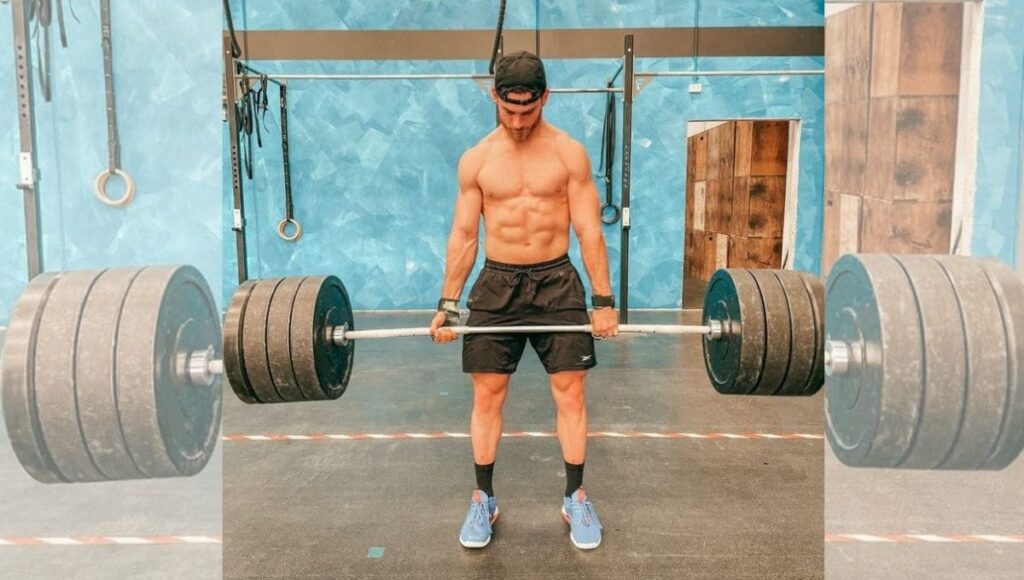
Hinge movements, such as deadlifts and Romanian deadlifts, engage the hamstrings, glutes, and core, promoting functional strength and stability. These exercises are particularly beneficial for maintaining proper posture and reducing the risk of injuries.
Form over Quantity: Quality Over Quantity
While quantity may seem appealing in achieving fitness goals, it’s crucial to prioritize proper form over excessive repetitions. Maintaining proper form ensures that you engage the target muscles effectively and reduce the risk of injuries.
The Only 3 Six-Pack Core Exercises You Need to Improve Your Looks
Honoring Your Body’s Signals
Listening to your body’s signals is paramount for sustainable fitness. Allow adequate rest and recovery time between workouts to allow your body to repair and adapt. Recognize signs of fatigue and take rest days to prevent overtraining, which can impair muscle growth and recovery.
Optimizing Minimalist Fitness with Additional Strategies
- Home Gym Setup: Investing in basic equipment like resistance bands, dumbbells, and a kettlebell allows for convenient home workouts, reducing the need for gym memberships and travel time.
How To Build a Budget Home Gym for Cheap
- Dynamic Warm-ups: Starting your workouts with dynamic stretches and movements prepares your muscles and joints for exercise, reducing the risk of injuries.
- Nutritional Excellence: Fuel your body with nutrient-rich foods, emphasizing protein to support muscle growth and repair.
- Hydration: The Power of Water: Drinking plenty of water throughout the day maintains optimal performance, reduces fatigue, and aids in muscle recovery.
- Professional Guidance: Seeking personalized advice from a certified personal trainer or physical therapist can help you establish safe and effective exercise programs tailored to your specific needs and limitations.

Research Explains How to Build Muscle Whilst Losing Fat
In short, these are the key principles of a minimalist fitness approach
- Focus on the Basics:
Push-Pull-Squat: These compound exercises work multiple muscle groups simultaneously, providing efficient time-to-strength gains.
Supersets: Combining exercises that target opposing muscle groups allows you to maximize time and effort.
Progressive Overload: Gradually increasing the intensity of your workouts is essential for continued progress.
- Choose Exercise Variations:
Pull-ups and Chin-ups: These exercises target the back and arms, promoting both strength and aesthetics.
Squat Variations: Options like kettlebell squats, Bulgarian split squats, andATGsplit squats cater to different levels of fitness and mobility.
Push-Up Variations: Weighted push-ups, barbell or dumbbell presses, and overhead presses offer diverse ways to strengthen the shoulders and chest.
- Prioritize Form over Quantity:
Full Range of Motion: Moving through the full range of motion optimizes muscle engagement and overall fitness.
Controlled Tempo: Slow and controlled movements enhance muscle activation and reduce the risk of injury.
Progressive Difficulty: Gradually increase the challenge of the exercises to maintain intensity and progress.
- Incorporate Hinge Movements:
Deadlifts: This compound exercise strengthens the hamstrings, glutes, and back, promoting functional strength and posture.
Romanian Deadlifts: This variation focuses on the posterior chain, enhancing athletic performance and stability.
Single-Leg Deadlifts: These exercises target the core and balance while developing unilateral strength.
- Listen to Your Body:
Rest and Recovery: Allow adequate rest between workouts to allow your body to repair and adapt.
Avoid Overtraining: Recognizing signs of fatigue and taking rest days are crucial for long-term progress.
Gradually Increase Intensity: Don’t rush into demanding workouts; start slowly and gradually increase the challenge.
Minimizing your fitness routine doesn’t mean sacrificing results. By focusing on the essentials, incorporating supersets, progressively overloading your muscles, and prioritizing proper form, you can achieve significant gains in strength and fitness. Even short, focused workouts, performed regularly, will lead to remarkable results.
In your 30s and 40s, the goal shifts from aspiring to be an elite athlete to maintaining strength and a decent physique. Adopting a minimalist approach with the Push-Pull-Squat framework, progressive overload, and efficient supersets allows you to achieve fitness goals while accommodating a busy lifestyle. Remember, the key is consistency, gradual progression, and building a home setup for convenient and barrier-free training.
Embrace minimalism, prioritize quality over quantity, and listen to your body’s signals to maintain strength and vitality in your 30s, 40s, and beyond. For more information from Josh Has himself and how to train in your 30s, simply click the video below.
4 Best Joint-Strength Exercises for Long-Term Gains