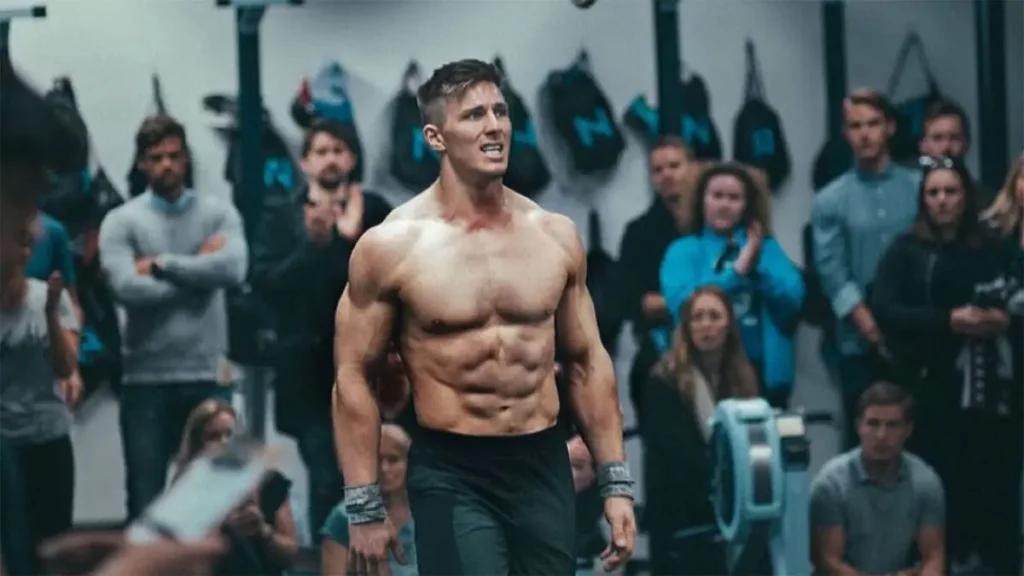
Check out this exercise scientist reviewing the worst 90s fitness products.
The 1990s stand as an iconic period in the realm of fitness, marked by a surge of infomercials showcasing innovative workout gadgets that promised miraculous transformations. As we embark on a retrospective journey into this golden era, we peel back the layers of the ’90s fitness industry to reveal the absurdities and questionable claims that captivated an entire generation of health-conscious consumers.


In an age dominated by neon spandex, big hair, and charismatic fitness gurus, the era birthed an array of fitness equipment that, at first glance, seemed like the answer to achieving the perfect physique. From Suzanne Summers’ Thigh Master to the rhythmic vibrations of the Vibro Shape, each product claimed to be a revolutionary solution for a fitter and healthier lifestyle.
Our exploration takes us beyond the flashy infomercials and into the heart of these ’90s fitness phenomena. We dissect the promises, scrutinize the mechanisms, and unveil the truth behind the marketing hype. Were these products genuine game-changers or just elaborate scams preying on the fitness aspirations of an unsuspecting audience? According to this exercise scientist, not even close.
And who would that exercise scientist be? It could only be the one and only. Dr Mike Israetel, PhD in Sport Physiology and co-founder of Renaissance Periodization, is a well-respected professor in the bodybuilding community. He doesn’t only talk about workouts and fitness tips, he often dives deep into health and nutrition.

Join us as we unravel the mysteries surrounding each piece of equipment, exposing the flaws, exaggerations, and sometimes outright absurdities that characterized this era. From questionable claims of spot reduction to the innovative yet ineffective designs, we aim to provide a comprehensive analysis of why these ’90s fitness trends fell short of delivering the promised results.
As we delve into the specifics of each product, it becomes evident that the ’90s fitness landscape was not just a playground for legitimate fitness advancements but also a breeding ground for outlandish claims and overhyped gadgets. In an age where catchy slogans and charismatic pitches held sway, separating fact from fiction becomes crucial for those seeking genuine fitness progress.
So, fasten your neon headbands, lace up your high-top sneakers, and join us on a journey back in time as we unmask the ’90s fitness equipment scams, revealing the quirks and shortcomings that once dominated the workout routines of an entire generation.
5 Basic Home Gym Equipment You Should Purchase
Exercise Scientist Reviews the WORST 90s Fitness Products
Below are 7 fitness products that were famous in the 90s that Mike Israetel simply destroys when reviewing them.
1. Thigh Master: The Not-So-Secret to Shapely Thighs
One iconic product from the era was the Thigh Master, endorsed by fitness guru Suzanne Somers. The Thigh Master promised to strengthen and tone thighs with just a few squeezes. However, our analysis reveals that the Thigh Master’s design and resistance levels made it an inefficient tool for hypertrophying the adductor muscles. Moreover, the idea of spot reduction and targeted fat burning was debunked, rendering the promise of shapely thighs questionable at best.

2. 6-Second Abs
The evolution of quick-fix solutions led to the introduction of 6-Second Abs. With its concentric-only movement, the product claimed to offer efficient abdominal workouts. However, our scrutiny exposed its limitations, as the machine neglected the essential eccentric phase and lacked a clear progression model. The product’s effectiveness appeared dubious, prompting skepticism about its advertised benefits.
10 Easy Science-Based Steps to Get Perfect Abs
3. Vibro Shape
Enter Vibro Shape, a device that claimed to tone, slim, and tighten muscles with vibrational technology. Our investigation raised concerns about the physiological basis for such claims, with skepticism about how vibrations could enhance blood flow and muscle activity. The device seemed more like a power-draining gimmick than a legitimate fitness tool.
How to Increase Testosterone Naturally
4. Body Blade
Marketed as an oscillating device designed to contract muscles rapidly, the Body Blade claimed to penetrate deep into the core, targeting even the smallest multifidus muscles in the spine. However, our scrutiny reveals a blend of technical jargon and unsubstantiated claims. While it is true that the multifidus muscles play a role in spinal stability, the leap from there to the advertised benefits seemed more like a stretch than a scientifically sound premise.
The Body Blade, despite its alluring promises, failed to provide a clear path for progressively overloading muscles or demonstrating a genuine application in achieving fitness goals. The vibrating contraption joined the ranks of ’90s fitness fads that, in retrospect, raised more eyebrows than dumbbells.
5. Jawzrsize
Jawzrsize emerged as an unconventional approach to facial fitness, advocating multiple daily sessions of jaw exercises. While the charismatic pitch was entertaining, the practicality of inserting the device into daily routines raised concerns. The potential for unhygienic usage and the dubious claim of achieving jaw hypertrophy through constant repetitions left us questioning its efficacy.
6. Neckline Slimmer
Neckline Slimmer promised to redefine facial features through resistance exercises for the neck and chin. Despite bold claims of eliminating double chins, the scientific underpinning was lacking. Spot reduction was again debunked, leaving us skeptical about the device’s ability to deliver tangible results.
7. Shake Weight
The Shake Weight made headlines with its unconventional design and promise of a six-minute upper body workout. Israetel analysis highlighted its lack of concentrated resistance and questioned the rationale behind the shaking mechanism. While the workout routine appeared comical, its effectiveness was questionable.
Barbell Bench Press vs Dumbbell Bench Press – Which is Better?
As our journey through the ’90s fitness equipment scams draws to a close, we find ourselves amidst a landscape dotted with absurd promises, quirky gadgets, and the echoes of over-the-top infomercial pitches. While the era undoubtedly contributed to the nostalgia of neon-clad workouts, it also serves as a cautionary tale about the importance of discernment in the pursuit of fitness goals.
The ’90s, marked by its bold fashion choices and lively workout videos, showcased a marketplace flooded with products promising quick fixes and instant transformations. However, our in-depth analysis reveals that many of these fitness gadgets were more theatrical than practical, offering little more than fleeting moments of entertainment rather than tangible results.
8 Gym Machines You Should Stop Using
One recurring theme was the notion of spot reduction—promising to sculpt specific areas of the body through targeted exercises. Scientifically debunked, this concept crumbled under scrutiny, leaving behind a trail of disappointed consumers who had hoped for localized miracles. The promise of effortless toning and shaping, often accompanied by catchy jingles and enthusiastic endorsers, turned out to be more fiction than fitness reality.
As we reflect on the era, it’s crucial to acknowledge the evolution of fitness knowledge and the advancements made in exercise science. The ’90s served as a transitional phase, marked by a surge in popularity but lacking the evidence-based practices that define today’s fitness landscape. While the neon-infused workouts might have faded away, the lessons learned remain relevant.
In the contemporary fitness world, consumers are armed with a wealth of knowledge, scientific research, and access to genuine experts. The emphasis has shifted from gimmicks to proven methods, from fleeting trends to sustainable lifestyle changes. The ’90s, with its shake weights and vibrating contraptions, now stands as a reminder to approach fitness trends with a critical eye and an understanding of the principles that underpin effective training.
Ultimately, the allure of the ’90s fitness follies lies not in their efficacy but in the memories they evoke. As we bid farewell to the neon glow of that era, let’s carry forward the lessons learned: prioritize evidence-based practices, steer clear of quick fixes, and embrace a holistic approach to health and fitness. In doing so, we pave the way for a future where genuine progress takes precedence over flashy promises, ensuring a more informed and empowered fitness journey for all.
To see all of these fitness products in action, simply tap the play button below to watch Mike Israetel destroying each and every single one of these fitness gear that were once a “revolutionary” back in the 90s.