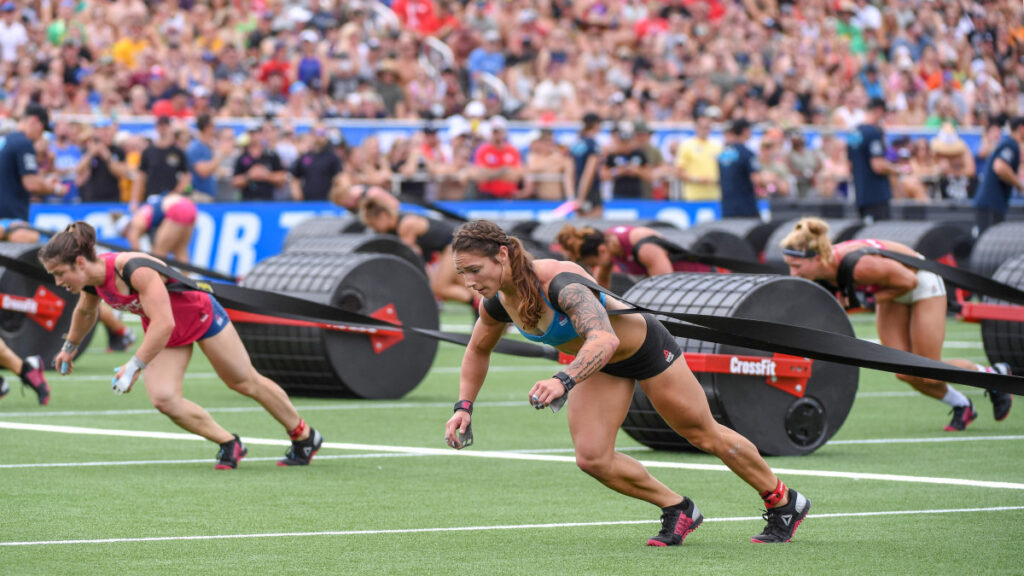
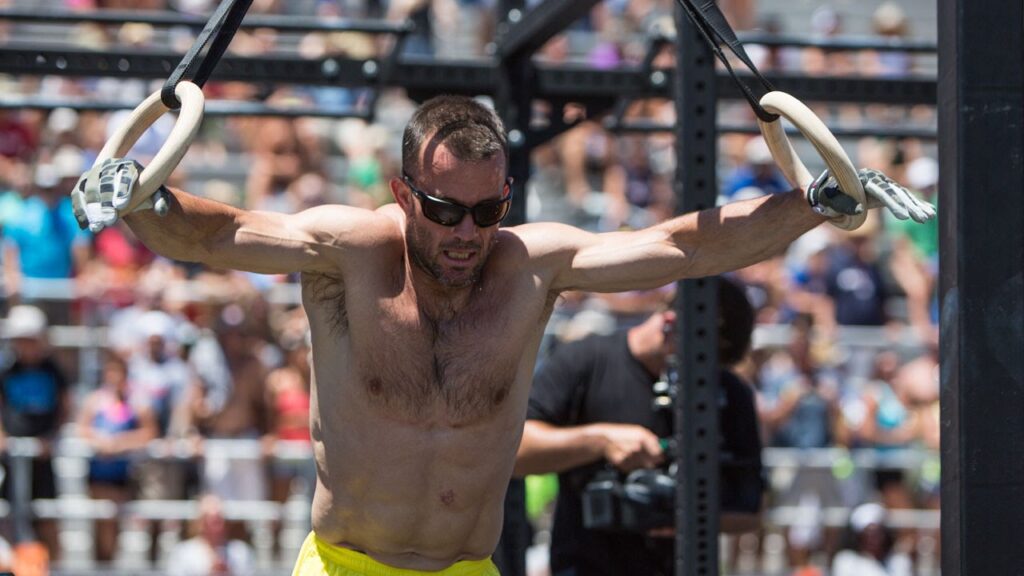
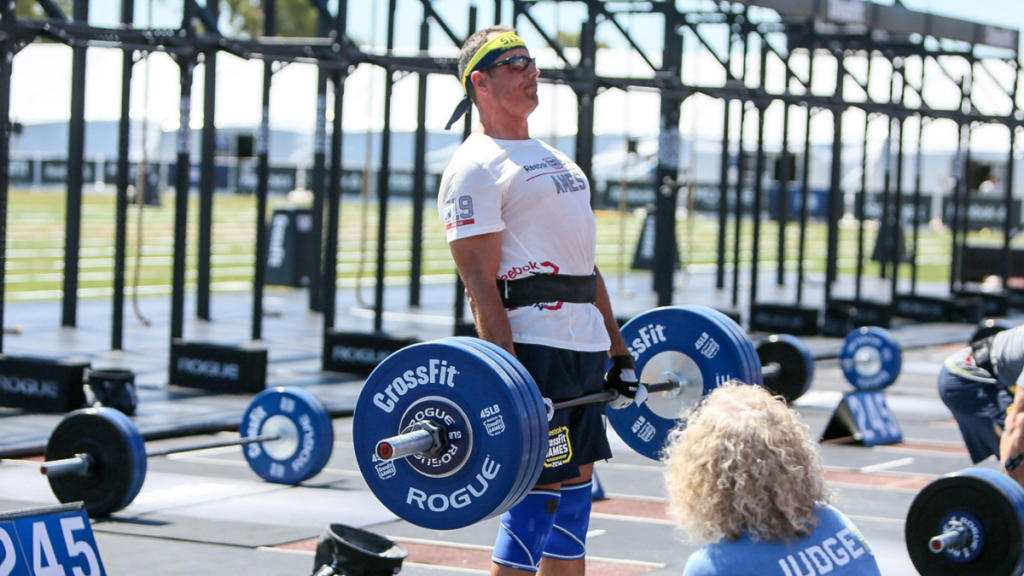
To facilitate muscle growth, the key is to consistently subject your muscles to challenges beyond their accustomed levels, a principle known as progressive overload.

While this concept may seem straightforward, many individuals fail to incorporate it into their training routines. Despite experiencing a satisfying pump and sweat during workouts, they often miss the opportunity to effectively signal muscle growth over time.


Understanding the significance of progressive overload in hypertrophy requires insight into how muscles grow. Post-workout, muscles don’t immediately strengthen; it’s only after a few days of proper recovery that they adapt to the inflicted damage.
To ensure consistent gains, your workouts must be strategically designed to induce muscle growth in each session. In this discussion, we’ll explore five types of progressive overload crucial for optimal results.
1. Increased Weight
Elevating the amount of weight lifted is a commonly employed progressive overload method. For instance, if you can currently bench press 100lbs for 8 reps, you might aim to lift 110lbs for 8 reps the following week.
However, relying solely on continuous weight increments may lead to unrealistic expectations, as illustrated in the bench press example.
2. Additional Reps
Incorporating more reps is an effective way to apply progressive overload. Staying consistent with weight but increasing the number of reps, even up to 30, can yield similar growth.
This approach is advantageous for those with limited equipment or facing physical constraints preventing the addition of more weight. However, for individuals with access to greater weights, the consideration of double progression is recommended.
3. Varied Sets
Manipulating the number of sets performed is another method to stimulate hypertrophy. While research suggests that performing at least 10 sets per muscle group per week significantly enhances gains compared to 5 sets, there’s a point of diminishing returns beyond the 20-30 set range.

A gradual volume increase of 10-20% per week is a prudent guideline.
4. Slowed Repetitions
Slowing down the pace of repetitions increases the time tension is applied to the muscle, fostering additional growth.
This is particularly effective for exercises involving smaller muscle groups or bodyweight exercises where adding weight may be challenging. However, caution should be exercised to avoid excessively slow reps, which can impede muscle growth.
5. Improved Form
Enhancing exercise form by prioritizing control, minimizing momentum, and activating target muscles contributes to progression. Improved form, even with unchanged variables, leads to muscle growth by emphasizing the engagement of target muscles.
Determining the most effective method among these five depends on individual factors such as experience, equipment availability, and specific plateaus.
Experimenting with each method is the best way to discern what works optimally for individual fitness goals.
How Does Protein Help Muscle Growth?
Protein plays a crucial role in muscle growth, and its consumption is essential for individuals engaged in resistance training or any form of exercise aimed at building and repairing muscles. Here are the key ways in which protein facilitates muscle growth:
Muscle Protein Synthesis (MPS)
Protein provides the necessary amino acids, which are the building blocks of proteins. These amino acids stimulate muscle protein synthesis, the process through which new muscle proteins are formed. MPS is a fundamental mechanism driving muscle growth and repair.
Repair and Recovery
Intense physical activity, especially resistance training, causes micro-tears in muscle fibers. Protein consumption aids in the repair and recovery of these damaged muscle tissues. This repair process is essential for muscle growth, as muscles adapt and become stronger during the recovery phase.
Amino Acid Availability
Amino acids, the components of proteins, are classified into essential and non-essential. Essential amino acids cannot be produced by the body and must be obtained through diet. Protein-rich foods supply these essential amino acids, ensuring the body has an adequate supply for muscle protein synthesis and repair.
Nitrogen Balance
Muscle growth requires a positive nitrogen balance, where the intake of nitrogen (primarily from amino acids) exceeds the amount excreted. Proteins are unique among macronutrients in that they contain nitrogen. Maintaining a positive nitrogen balance is indicative of an anabolic, or muscle-building, state.
Hormonal Regulation
Protein consumption influences the release of anabolic hormones, such as insulin and growth hormone, which play key roles in muscle growth. Amino acids from protein-rich sources stimulate insulin release, promoting nutrient uptake by muscle cells. Growth hormone is also released during periods of protein intake, contributing to muscle repair and growth.
Satiety and Weight Management
Protein-rich foods tend to be more satiating than carbohydrates or fats. Consuming an adequate amount of protein can help control appetite, which may indirectly support muscle growth by maintaining a proper nutritional environment and facilitating weight management.
Preventing Muscle Breakdown
In addition to promoting muscle growth, protein helps prevent muscle breakdown or catabolism. During periods of caloric restriction or intense training, the body may use amino acids from proteins as an energy source. Consuming sufficient protein can help offset muscle protein breakdown.
Timing and Distribution
Proper timing of protein intake, especially around the time of workouts, can enhance muscle protein synthesis. Distributing protein intake evenly across meals ensures a steady supply of amino acids for muscle repair and growth throughout the day.
In summary, protein is vital for muscle growth as it provides the necessary building blocks, promotes muscle protein synthesis, supports recovery, and influences hormonal responses. Individuals aiming to maximize muscle growth should ensure an adequate intake of high-quality protein sources as part of their overall nutrition plan.
Video
In his excellent video, Jeremy Ethier explains all of the concepts that have been talked about in this article.
What Foods are High in Protein?
Various foods are rich in protein, providing the essential amino acids necessary for muscle growth and overall health. Here is a list of foods that are high in protein:
Meat
- Chicken breast
- Turkey
- Lean beef
- Pork
Fish
- Salmon
- Tuna
- Cod
- Halibut
Seafood
- Shrimp
- Crab
- Lobster
- Mussels
Eggs and Dairy
- Eggs
- Greek yogurt
- Cottage cheese
- Milk
Plant-Based Proteins
- Lentils
- Chickpeas
- Black beans
- Quinoa
Tofu and Tempeh
- Tofu
- Tempeh
Nuts and Seeds
- Almonds
- Peanuts
- Chia seeds
- Sunflower seeds
Cheese
- Cheddar
- Mozzarella
- Swiss
- Parmesan
Poultry
- Duck
- Quail
- Pheasant
Lean Cuts of Meat
- Lean ground beef
- Lean ground turkey
- Lean pork chops
Protein-Rich Grains
- Quinoa
- Farro
- Barley
- Bulgur
Plant-Based Alternatives
- Plant-based burgers
- Plant-based sausages
- Plant-based chicken substitutes
Protein Supplements
- Whey protein powder
- Casein protein powder
- Plant-based protein powder (pea protein, hemp protein, rice protein)
Edamame
- Edamame beans
Jerky
- Beef jerky
- Turkey jerky
When planning a high-protein diet, it’s essential to incorporate a variety of protein sources to ensure a well-rounded intake of amino acids.
The choice of protein sources can also be influenced by dietary preferences, such as vegetarian or vegan options.
Additionally, it’s important to consider the overall nutritional content of foods, including fats, carbohydrates, vitamins, and minerals, to maintain a balanced and healthy diet.
Learn More
5 Reasons Why Walking for 30 Minutes Every Day will Help You Live a Longer Life
13 Easy to Cook Meals for Burning Your Visceral Fat Quicker (GET LEAN FAST)
8 Reasons Why Meal Prepping is Your Golden Ticket to a Flatter Stomach in 2024
Perfect 5 Minutes Posture Routine
How to Hack Muscle Growth in 2024
How to Get Stronger and Better Looking Glutes
The Perfect Biceps Workout for Muscle Mass and Great Looking Arms