Mastering proper bench press form transforms the bench into the undisputed champion of upper body exercises.
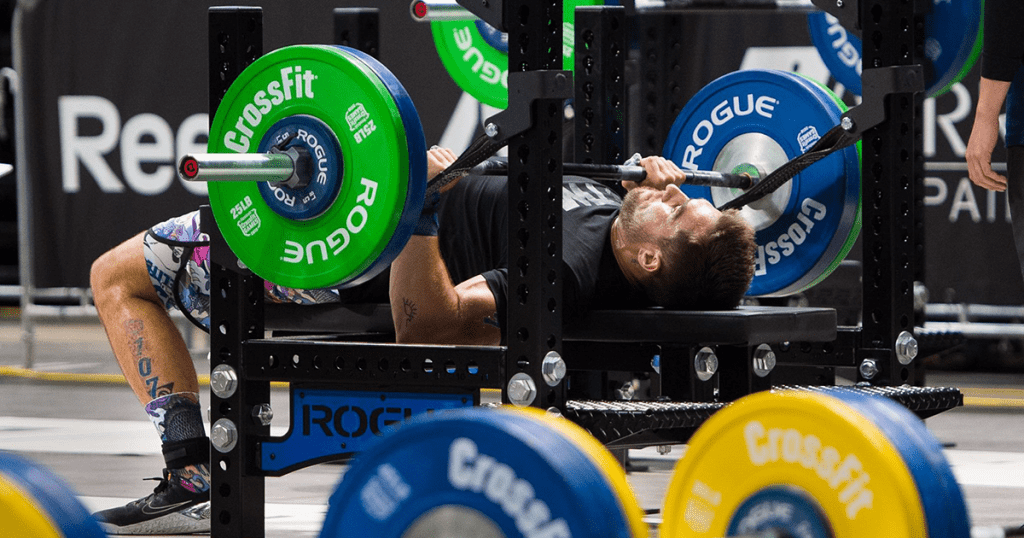
Jeremy Ethier explains his excellent strategy.


A precise technique not only ensures substantial gains in your chest, shoulders, and arms but also safeguards against potential shoulder and elbow injuries that could jeopardize your ability to perform barbell bench presses in the future. Fortunately, attaining flawless bench form is a straightforward process. Discover how to optimize your bench press for chest growth in just five steps.
Step 1
The pivotal initial step in perfecting your bench press form is the setup (Step 1). Lie on the bench with arms extended straight in front of you, and pull your elbows back to form a 90-degree angle.
Bring your elbows inward until they align with your nipples to determine your ideal grip width on the bar. Position your body for a smooth unracking, ensuring your eyes align directly under the barbell. For a secure grip, keep your thumb around the bar as you walk your feet back under your knees, firmly planting them on the ground.
Step 2
Step 2 focuses on creating whole-body tension before unracking the bar. Activate key muscles by pushing your feet into the ground with your quads and driving your knees out using your glutes. Engage your lats by pulling your armpits down toward your hips, imagining resistance as if a band were pulling the bar back. Form an arch in your upper back, extend your chest, straighten your wrists, take a deep breath, and brace your core.
Step 3
Moving to Step 3, maintaining tension is crucial during the unracking process. Keep your arch and tightness intact as you push the bar up off the rack. Use your lats to guide the bar to the starting position above your shoulders, and re-engage your lats by visualizing bending the bar in half.
Step 4
Step 4 delves into the descent phase. Correcting common errors, focus on a slightly forward bar path as you bring it down toward your lower chest, around nipple level. To optimize chest activation and minimize shoulder discomfort, maintain a 45 to 70-degree angle for your elbows. Aim to touch your chest with the bar, adjusting your grip if needed to align elbows directly under wrists.
Step 5
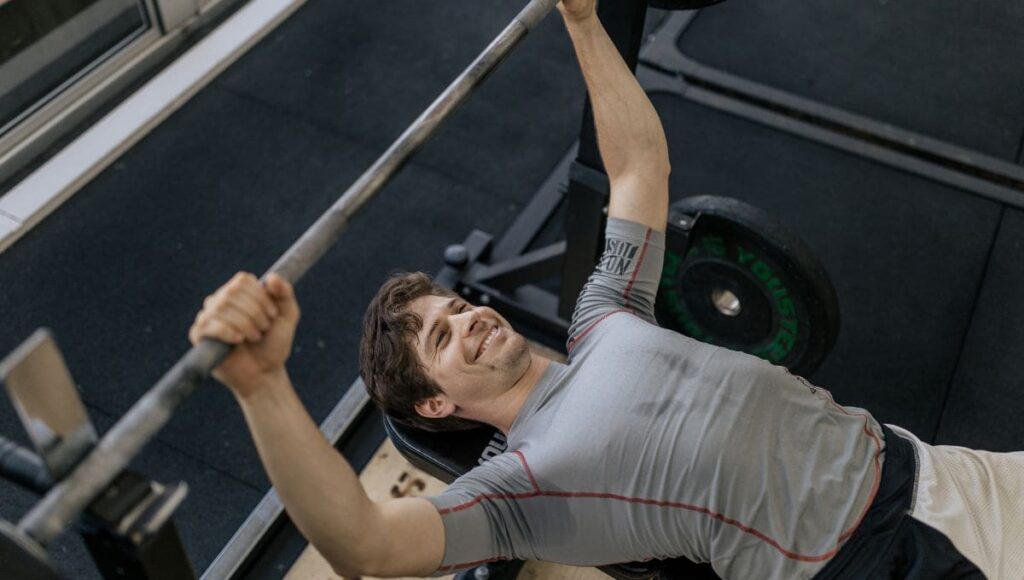
In Step 5, the ascent, avoid bouncing the bar off your chest. Enhance chest engagement by pausing briefly before using your quads to push against the ground, driving the bar up. Maintain tension, follow a slight arc as the bar ascends, and keep your chest up. Squeeze your biceps into your armpits as your arms fully extend over your shoulders. Exhale, brace, and control the weight back down for another repetition.
Congratulations! You’ve now mastered the art of bench pressing for optimal chest growth.
Video
What Muscles Does the Bench Press Develop?
The bench press is a compound exercise that primarily targets the muscles in the upper body, particularly the chest, shoulders, and triceps. Additionally, it engages various stabilizing muscles to support the movement. Here’s a breakdown of the key muscles that the bench press works:
Pectoralis Major (Chest):
The bench press is renowned for its effectiveness in targeting the pectoralis major, the large chest muscle. It works both the sternal and clavicular heads of the pectoralis major, contributing to overall chest development.
Deltoids (Shoulders):
The anterior (front) part of the deltoid muscles in the shoulders is heavily involved in the bench press. As you press the barbell up, the front part of the shoulder works to lift and stabilize the weight.
Triceps Brachii (Triceps):
The triceps brachii, located on the back of the upper arm, play a significant role in extending the elbow during the upward phase of the bench press. They are essential for completing the lockout at the top of the movement.
Serratus Anterior:
The serratus anterior, located on the sides of the chest, assists in stabilizing the shoulder blades. It is engaged during the bench press to maintain proper scapular movement and shoulder stability.
Latissimus Dorsi (Lats):
The lats, which are large muscles in the back, are engaged to a certain extent during the bench press. They play a role in stabilizing the shoulders and assisting in the lowering phase of the movement.
Rhomboids and Trapezius:
The rhomboids and trapezius muscles in the upper back contribute to scapular retraction and stability during the bench press. They help maintain proper shoulder position and prevent excessive forward movement.
Biceps Brachii (Biceps):
While the biceps are not the primary muscles worked in the bench press, they are still involved in providing stability and support, especially during the lowering phase of the movement.
Forearm Muscles:
The muscles in the forearms are engaged to grip and control the barbell during the bench press.
Core Muscles:
The core muscles, including the rectus abdominis and obliques, play a role in stabilizing the torso during the bench press. A stable core is essential for maintaining proper form and preventing excessive arching or overarching of the lower back.
It’s important to note that the degree of involvement of these muscles can vary based on factors such as grip width, hand positioning, and the specific variation of the bench press (e.g., flat bench, incline bench, decline bench). The bench press, when performed with proper form, can be a highly effective compound exercise for overall upper body strength and muscle development.
What are the Benefits of the Bench Press?
The bench press is a widely recognized and popular strength training exercise that offers numerous benefits for individuals seeking to improve their upper body strength and overall fitness. Here are some of the key benefits of the bench press:
Chest Development:
The bench press is renowned for its effectiveness in targeting the pectoralis major, leading to improved chest development. Regular bench press training can contribute to a more defined and muscular chest.
Shoulder Strength:
The anterior (front) deltoids are heavily engaged during the bench press, helping to enhance shoulder strength and development. This exercise provides a compound movement for the shoulders.

Triceps Activation:
The triceps brachii muscles on the back of the arms play a significant role in extending the elbows during the upward phase of the bench press. This contributes to triceps strength and development.
Upper Body Power:
The bench press is a compound movement that allows for the exertion of significant upper body power. It is often used in strength training programs to build overall upper body strength.
Stabilization Muscles:
The bench press engages various stabilizing muscles, including the serratus anterior, rhomboids, trapezius, and core muscles. This helps improve overall stability and contributes to better posture.
Functional Strength:
The strength gained through bench press training has practical applications in daily activities that involve pushing or lifting objects. Improved functional strength can enhance overall physical capability.
Muscle Coordination:
Performing the bench press requires coordination between different muscle groups and proper movement patterns. This can enhance overall muscle coordination and motor skills.
Bone Density:
Weight-bearing exercises, such as the bench press, contribute to increased bone density. This is important for maintaining bone health and reducing the risk of osteoporosis.
Time Efficiency:
The bench press is a compound exercise that targets multiple muscle groups simultaneously. This efficiency makes it a time-effective choice for those looking to work on multiple muscle groups in a single exercise.
Versatility:
The bench press can be adapted to different variations, including flat bench, incline bench, and decline bench presses. These variations allow individuals to target different areas of the chest and shoulders.
Hormonal Response:
Compound exercises like the bench press can stimulate the release of growth hormone and testosterone, contributing to muscle growth and overall fitness improvements.
Mental Focus:
Performing the bench press with proper form requires concentration and mental focus. This mental engagement can be beneficial for overall cognitive well-being.
It’s important to note that, like any exercise, the bench press should be performed with proper form and technique to minimize the risk of injury. Individuals with existing shoulder or chest issues should consult with a fitness professional or healthcare provider before incorporating the bench press into their workout routine.
Learn More
5 Reasons Why Walking for 30 Minutes Every Day will Help You Live a Longer Life
13 Easy to Cook Meals for Burning Your Visceral Fat Quicker (GET LEAN FAST)
8 Reasons Why Meal Prepping is Your Golden Ticket to a Flatter Stomach in 2024
Perfect 5 Minutes Posture Routine
How to Hack Muscle Growth in 2024
How to Get Stronger and Better Looking Glutes
The Perfect Biceps Workout for Muscle Mass and Great Looking Arms