Check out the best and worst back exercises ranked in a tiered list from S (super) to F (fail).
Achieving a well-defined and powerful back is a common fitness goal. However, not all back exercises are equally effective for muscle growth.


In this exhaustive guide, we’ll explore and rank 20 popular back movements on a tier list, ranging from S for super to F for fail. The evaluation criteria include the ability to provide a substantial stretch with high tension, a comfortable and pain-free experience, and a straightforward progression for continuous improvement.
But it wasn’t BOXROX who came up with this list on its own. The information you are about to read is based on a video shared by fitness expert Jeff Nippard. Jeff Nippard is a natural professional bodybuilder and fitness coach who shares tips and training programs on his YouTube channel.
Riding on the wave of his vast knowledge, let’s dig deeper into some of the most common back exercises and rank them accordingly.
Read More: How To Build Back Strength and Muscle Without The Deadlift (1 Simple Exercise)
Best and Worst Back Exercises Ranked
Nippard explains in detail every exercise mentioned. Here is a rundown of some of the movements he picked to rank in his list of best and worst back exercises ranked. At the end of the page, you can see a simpler list of exercises ranked by tier from S to F.
F Tier: Renegade Rows
Renegade rows, attempting to combine a plank and a dumbbell row, fall short due to inadequate stability, hindering the desired back muscle engagement. Placing them in the F tier emphasizes their limited efficacy as dedicated back builders.
Nippard also categorises other similar movements in the F tier such as the dumbbell row +curl, the dumbbell row + press, and the dumbbell row + kickback.
C Tier: Deadlifts and Rack Pulls
Despite deadlifts being a powerhouse for overall strength, they earn a C tier for back hypertrophy due to minimal lat and mid-back engagement. Rack pulls, a truncated version, find themselves in F tier due to potential equipment damage and discomfort.
A Tier: Wide Grip Pull-Ups and Chin-Ups
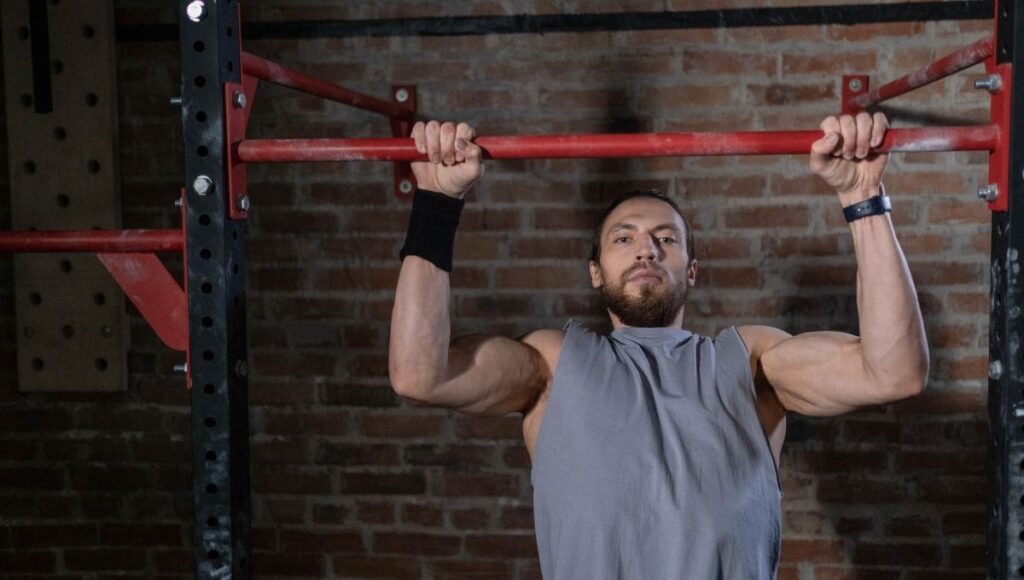
Wide grip pull-ups, offering high tension and a deep stretch, secure an A tier placement. Chin-ups, with a palms-up grip, slightly shift tension to the biceps, earning a solid A tier for overall upper body development.
12 Best Pull-Up Variations for Muscle Growth
S Tier: Cable Rows, Chest Supported Rows, Wide Grip Lat Pulldowns, Neutral Grip Pull-Ups, Half Kneeling One Arm Lat Pulldowns
- Cable Rows: The wide grip variation excels in providing a deep stretch and even tension, earning an S tier.
- Chest Supported Rows: Whether with a machine or dumbbells, these stable rows secure an S tier for focused back tension.
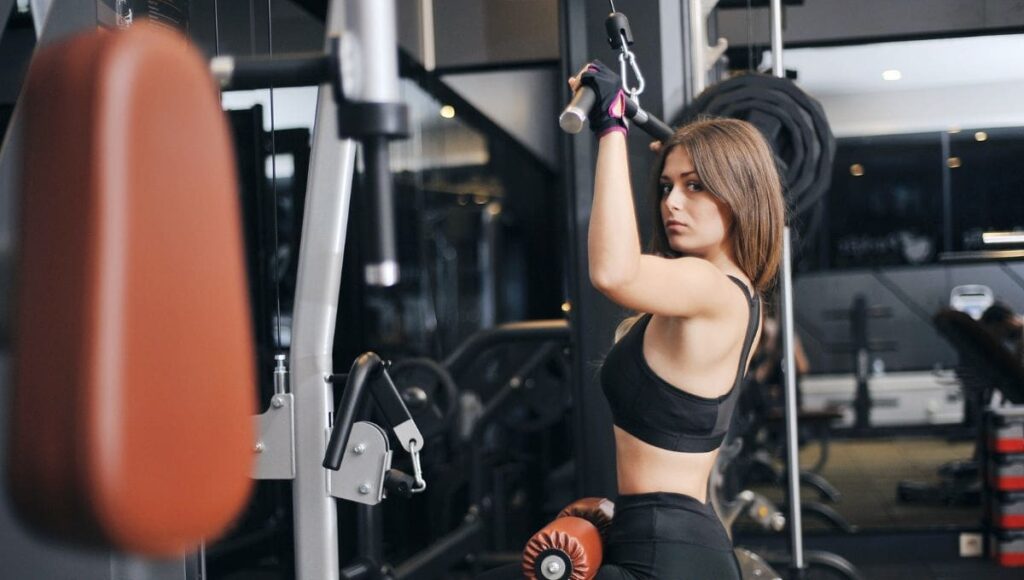
- Wide Grip Lat Pulldowns: Offering a combination of stretch, tension, and ease of overload, they rightfully claim an S tier position.
- Neutral Grip Pull-Ups: Similar to wide grip pull-ups with added lat emphasis, earning them a well-deserved S tier.
- Half Kneeling One Arm Lat Pulldowns: Despite slightly less stability, these still secure an S tier for their effectiveness in preventing muscle asymmetries.
B Tier: Barbell Rows, Yates Rows, Dumbbell Croc Rows, Freestanding T-Bar Rows
- Barbell Rows: While effective, they distribute tension to stabilizing muscles, earning them a B tier.
- Yates Rows: A variation with a more upright posture, they fall into the B tier due to reduced lat stretch.
- Dumbbell Croc Rows: Despite looser form, they find a place in B tier for controlled momentum.
- Freestanding T-Bar Rows: Epic in appearance, but the balance issue places them in B tier.
Most Scientific Way To Train Your Back

A Tier: Deficit Pendlay Rows and One Arm Dumbbell Rows
- Deficit Pendlay Rows: Standing on a plate for deeper negatives, they earn an A tier for enhanced lat stretch.
- One Arm Dumbbell Rows: Despite concerns, they offer a significant stretch and feel stable, securing an A tier.
Seated Face Pulls (B Tier) and Lying Face Pulls (A Tier)
- Seated Face Pulls: Unstable in the conventional way, they find a place in B tier but are elevated when done seated.
- Lying Face Pulls: Modified for stability, they earn an A tier for minimizing balancing requirements.
C Tier: Inverted Rows and Dumbbell LP Pullovers
- Inverted Rows: While offering a good stretch, awkwardness and limited progression place them in C tier.
- Dumbbell LP Pullovers: Limited tension at the top end and tricep takeover result in a C tier placement.
A Tier: Cross Body Lat Pulldowns and Rope Face Pulls (Modified Variations)
- Cross Body Lat Pulldowns: Despite initial awkwardness, they secure an A tier for their superior lat stretch.
- Rope Face Pulls (Modified Variations): Adjusting for stability elevates these to A tier, providing midback engagement.
A Tier: Cable Lat Pullovers
Cable Lat Pullovers: Offering a significant stretch, these find a place in A tier for deep lat engagement.
Read More: How to Train Back Width vs Thickness
If you want to see simply a list with the exercises tiered by how good, or bad, they are, here is a quick rundown.
S Tier:
- Cable Rows (Wide Grip)
- Chest Supported Rows
- Wide Grip Lat Pulldowns
- Neutral Grip Pull-Ups
- Half Kneeling One Arm Lat Pulldowns
- Meadows Row
- Cable row
A Tier:
- Wide Grip Pull-Ups
- Neutral grip pull-ups
- Deficit Pendlay Rows
- One-Arm Dumbbell Rows
- Kroc Rows
- Cross Body Lat Pulldowns
- Rope Face Pulls (Modified Variations)
- Cable Lat Pullovers
- Seated/Lying Face Pulls
- Dumbbell Lat pullover
B Tier:
- Barbell Rows
- Chin-Ups
- Dumbbell Croc Rows
- Freestanding T-Bar Rows
- Standard Face Pulls
- Pendlay Row
C Tier:
- Deadlifts
- Rack Pulls
- Inverted Rows
- Dumbbell LP Pullovers
- Yates Row
F Tier:
- Renegade Rows
- Dumbbell Row +Curl
- Dumbbell Row + Press
- Dumbbell Row + Kickback
- Above-the-knee Rack Pull
The 8 Best Exercises for a Wider Back

Is that all? Not really. According to Nippard, if he had to choose one among them as the “best of the best” it would be the chest-supported row. Here’s the breakdown of why:
- Big Stretch with High Tension:
- Chest Supported Rows provide a substantial stretch on your lats and midback, ensuring a comprehensive range of motion that activates the targeted muscles effectively.
- Feels Good:
- The chest support ensures stability, allowing you to focus the tension directly on your back without the need for excessive stabilization from other muscle groups. This results in a comfortable and pain-free experience, contributing to a good mind-muscle connection.
- Simple Progression:
- The exercise allows for straightforward progression. Whether using a chest-supported row machine or opting for dumbbell variations, it’s easy to increase the weight or reps over time, ensuring continuous improvement.
- Variety of Effective Ways to Perform:
- The Chest Supported Row offers versatility. Whether you choose a machine or dumbbell variation, or even opt for a single-arm approach, there are numerous effective ways to perform this exercise.
- Effective for Both Lats and Midback:
- Chest Supported Rows excel in engaging both the lats and midback, providing a well-rounded and efficient workout for the entire back.
- Prevents Asymmetries:
- By focusing on each side individually, Chest Supported Rows help prevent muscle asymmetries, promoting balanced muscle development.
And the worst of the worst for back hypertrophy, in Nippard’s opinion, would be the renegade row due to its lack of stability and not enough tension on the muscle.
This comprehensive ranking provides a nuanced understanding of the strengths and weaknesses of various back exercises. Incorporating a mix of S, A, and B tier movements into your routine ensures a holistic approach to building a strong and sculpted back. Remember, individual preferences may vary, so tailor your workout based on personal comfort and effectiveness. Consistency, proper form, and progressive overload will ultimately unlock the full potential of these exercises for optimal back muscle growth.
To fully understand how to perform each exercise and why they are ranked the way they are, watch Nippard’s video below.