Check out the 5 steps you should follow to get a ripped back.
In the pursuit of a sculpted physique, where attention to every muscle group is crucial, the focus often lands on achieving the coveted six-pack abs. However, a ripped back can, in many ways, surpass the allure of perfect abs.


Not only does a well-developed back contribute to a striking physique, but it also holds the key to enhancing posture, preventing lower back injuries, and elevating overall athletic performance. The beauty of building a strong and attractive back lies in its universality—unlike certain areas influenced by genetic factors, everyone has the potential to carve out an impressive set of back muscles.
The information you are going to read below is heavily based on a video shared by Max Posternak. Max Posternak is the founder of Gravity Transformation, a website focused on giving tips and training guidance for people looking to improve their fitness and lose weight. His YouTube channel has almost 6 million subscribers.
This guide from Posternak aims to illuminate the path to a ripped back, emphasizing that it’s within reach for anyone willing to invest the time and effort. In today’s discussion, we will delve into practical strategies and exercises designed to expedite the development and toning of crucial back muscles, with a primary focus on the latissimus dorsi (lats), rhomboids, and trapezius.

By the end, you’ll be equipped with the knowledge to make your back muscles pop every time you unveil them, providing the perfect complement to those sought-after six-pack abs.
Let’s explore the multifaceted approach to achieving a ripped back, combining targeted exercises, strategic nutritional practices, and a commitment to a well-rounded fitness routine.
5 Steps to Get a Ripped Back
To add thickness and size to your upper, middle, and lower back, prioritize lifting heavy weights for major back exercises. While exercises like low rows, reverse flies, and skydivers have their merits, nothing beats the effectiveness of heavy deadlifts. Specifically, Romanian deadlifts engage the hamstrings and back muscles, promoting significant back development. Form is crucial, and lifting heavy is key; aim for 8 to 10 reps per set.
Read Also: 3 Easy Tips for a Bigger Back
Key Exercises for Back Development:
- Pull-Ups:
Beneficial for lats and creating a wider back appearance. Start with assisted methods and progress to unassisted and weighted pull-ups.
- Bent Over Barbell Rows:
Focus on heavy lifting and vary the angle (90° for upper back, 60° for midback) to target different areas of your back.
- One-Arm Dumbbell Row:
Develop unilateral back strength and stabilizer muscles. Pull to the belly button for overall back development or chest for upper back emphasis.
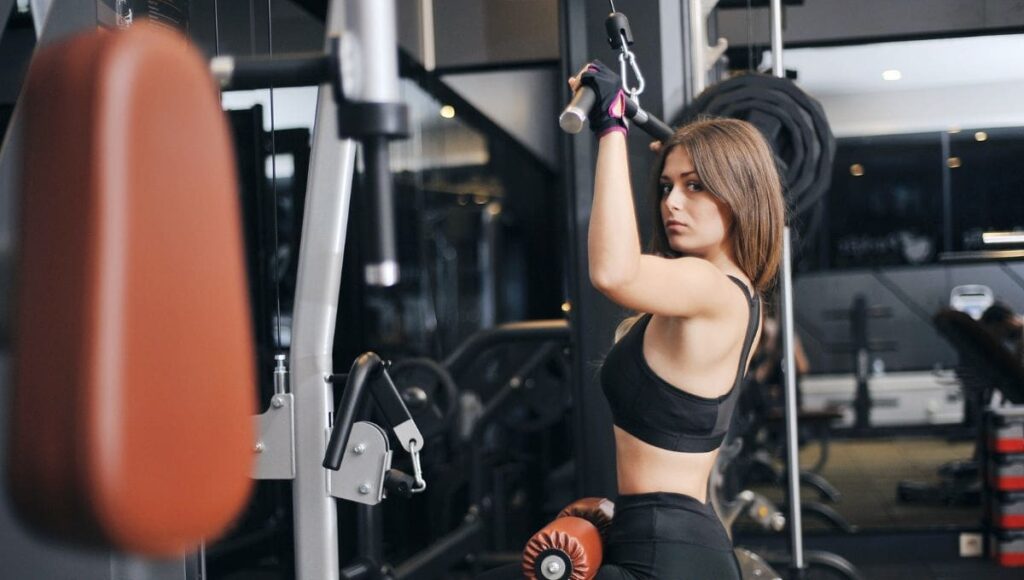
- Lat Pulldown:
Specifically targets the lats. Pull the bar down to the upper chest, avoiding overextension with the rotator cuffs.
How to Get Bigger Lats With 2 Simple Exercises Without the Lat Pulldown
The Importance of Deadlifts:
Deadlifts are paramount for back development, allowing you to lift the heaviest loads. They strengthen the erector spinae and contribute to the overall appearance of your lower back. Master the hip-hinging movement to avoid lower back strain and focus on isometrically loading your back.
Nutritional Strategies for a Ripped Back
Caloric Surplus for Muscle Building: Begin with a calorie surplus to provide raw fuel for muscle building. Lift heavy during this phase to maximize muscle growth.
Caloric Deficit for Fat Loss: Transition to a calorie deficit for 4 to 6 weeks to reduce body fat. Maintain strength during this period and focus on lifting the same weights.
Intermittent Fasting for Fat Burning: Consider intermittent fasting to simplify fat burning. Skip breakfast and maintain an eating window of 8 hours or less. Prioritize protein intake and track calories initially.
Whole, Natural Foods: Opt for whole, natural, single-ingredient foods to support fat loss. Include high-protein sources like salmon, chicken, tofu, and eggs. Balance fat and carbohydrate intake.

The 8 Best Exercises for a Wider Back
Cycle of Building and Cutting:
Repeat the cycle of building muscle and cutting body fat until you achieve your desired back definition. Switch in exercises like low rows and selectorized back machines as needed. Focus on minimal equipment exercises like deadlifts, rows, and pull-ups for optimal results.
Developing a ripped back involves a combination of targeted exercises and a strategic nutritional approach. By incorporating heavy lifting, deadlifts, and a well-balanced diet with intermittent fasting, you can achieve a sculpted and defined back that complements your overall physique. Consistency, proper form, and a commitment to both muscle building and fat loss cycles will bring you closer to the impressive results you desire.
For a more detailed explanation from Max Posternak himself about the 5 steps to get a ripped back, simply click the video below.
Most Scientific Way To Train Your Back
A strong back is of paramount importance for various reasons, extending beyond mere aesthetics. Here are several compelling reasons why developing and maintaining a strong back should be a central focus in any fitness regimen:
- Posture Improvement:
- A strong back plays a pivotal role in maintaining proper posture. Well-developed muscles in the back, such as the erector spinae, help support the spine and prevent slouching or rounding of the shoulders. This not only contributes to a more confident and assertive appearance but also minimizes the risk of chronic back pain associated with poor posture.
- Injury Prevention:
- Strong back muscles act as a natural stabilizer for the spine, reducing the risk of injuries, especially in the lower back. By providing support and strength to the spine’s structures, a well-conditioned back helps guard against strains, sprains, and other injuries that may result from daily activities or intense physical exercise.
- Enhanced Athletic Performance:
- Nearly every athletic movement involves the engagement of back muscles. Whether running, jumping, lifting, or throwing, a strong back contributes to overall athletic prowess. It provides the foundation for effective and efficient movement, enabling individuals to perform better in various sports and physical activities.
- Functional Strength:
- The muscles in the back are involved in numerous daily movements, from lifting objects to reaching overhead. Developing strength in the back enhances overall functional fitness, making everyday tasks more manageable and reducing the likelihood of strains or injuries during routine activities.
- Balanced Physique:
- Aesthetically, a strong back contributes to a well-balanced physique. While many individuals focus on chest and abdominal muscles, neglecting the back can lead to muscular imbalances. A balanced physique not only looks more symmetrical but also ensures that all muscle groups are working harmoniously to support the body’s structural integrity.
- Improved Breathing and Lung Capacity:
- The intercostal muscles between the ribs and the diaphragm are essential for breathing. A strong back supports these respiratory muscles, facilitating optimal lung expansion and contraction. This can result in improved breathing efficiency, especially during activities that require increased oxygen intake.
- Enhanced Core Stability:
- The back is intricately connected to the core muscles, forming a comprehensive musculoskeletal system. A strong back, when complemented by a well-developed core, contributes to overall stability and balance. This synergy is crucial for various physical activities and exercises, promoting better overall fitness.
- Reduced Back Pain:
- Chronic back pain is a prevalent issue, often exacerbated by weak or underdeveloped back muscles. Strengthening the back can alleviate or prevent back pain by promoting proper spinal alignment, reducing pressure on the vertebral discs, and improving overall spinal health.
In conclusion, cultivating a strong back is not merely about achieving an attractive physique; it is a holistic approach to enhancing overall health, functionality, and resilience against potential injuries. Whether in daily activities or athletic pursuits, a robust back serves as a foundation for optimal physical performance and well-being.