Did you know you are training quads wrong? Possibly, yes. Find out all you need to know to unlock the power of your training in the paragraphs below.
In the realm of fitness and bodybuilding, the quadriceps have long been simplified as a set of four muscles working in unison. However, recent revelations in sports science challenge this conventional wisdom, unveiling a more intricate reality. Contrary to popular belief, the quadriceps encompass seven distinct muscles, each with its own characteristics, functions, and growth patterns. Beyond this revelation, the phenomenon of regional hypertrophy adds another layer of complexity to quad muscle development.


While many individuals might assume that all muscles grow uniformly, the science of regional hypertrophy, also known as non-uniform hypertrophy, suggests otherwise. The quadriceps, like other muscle groups, exhibit unique growth rates across different regions. In this comprehensive exploration, we’ll unravel the intricacies of quad muscle growth, focusing particularly on the inner quad muscles.
Traditionally considered a single entity, the inner quads are far from homogeneous. The vastus medialis, a prominent component, is subdivided into vastus medialis longus (VML) and vastus medialis obliquus (VMO), each demanding specialized attention. Moreover, the prevailing belief that all muscles grow uniformly is dispelled by the concept of regional hypertrophy. This concept highlights the fact that different regions of a muscle may undergo varying degrees of growth, both in size and strength.
Understanding these nuances is pivotal, as regional hypertrophy in the quadriceps translates into divergent growth rates in the upper, middle, and lower regions of the muscle. Consequently, a tailored and strategic approach to training becomes imperative to achieve a harmonious development of the inner quad muscles.
The information you are about to see will help you develop this part of your lower body thanks to the information brought by Dr. Gains.
His real name is Michael Kamalu, a medical student at Mayo Clinic who specialises in sports medicine, fitness, personal training and injury prevention. Currently, his YouTube channel has more than 150K subscribers where he posts tips on training programs, workouts and fitness science.
Embarking on this journey of understanding regional hypertrophy in the quads is crucial for athletes, fitness enthusiasts, and bodybuilders alike. The conventional wisdom of a simple four-muscle quad system is replaced with a more nuanced perspective. As we delve into the intricacies of targeting specific regions within the inner quads, this article aims to equip readers with the knowledge needed to tailor their training regimen for comprehensive quad muscle development. Stay tuned as we navigate the science and techniques behind unlocking the full potential of your quadriceps.
How to Build Explosive Power for Weightlifting and Functional Fitness
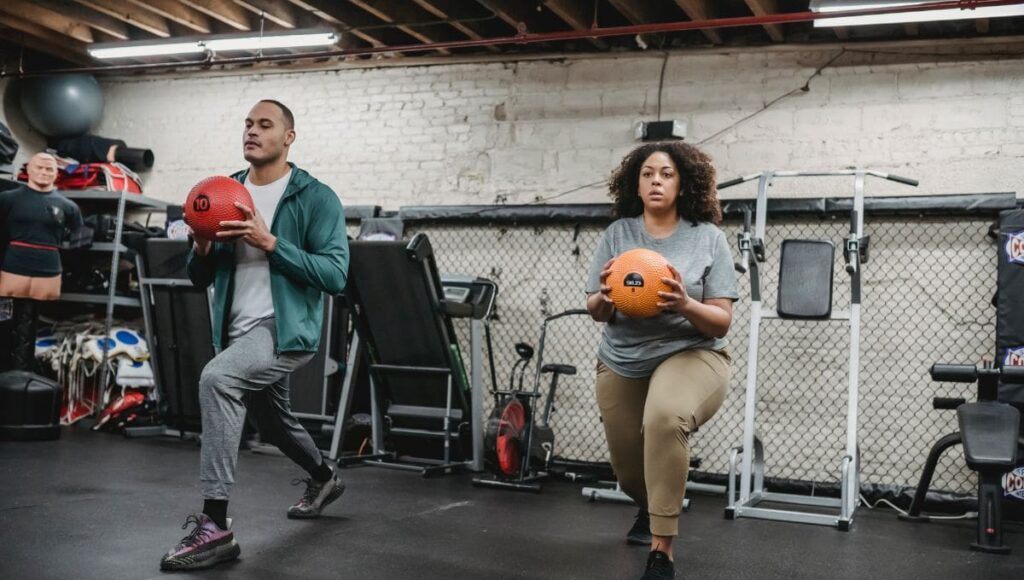
You’re Training Quads Wrong
The vastus medialis, a key component of the inner quads, is divided into two parts: vastus medialis longus (VML) and vastus medialis obliquus (VMO). These muscles have unique roles and structures, requiring specific training approaches.
- Targeting the VMO:
- Activate during the last 15° of knee extension.
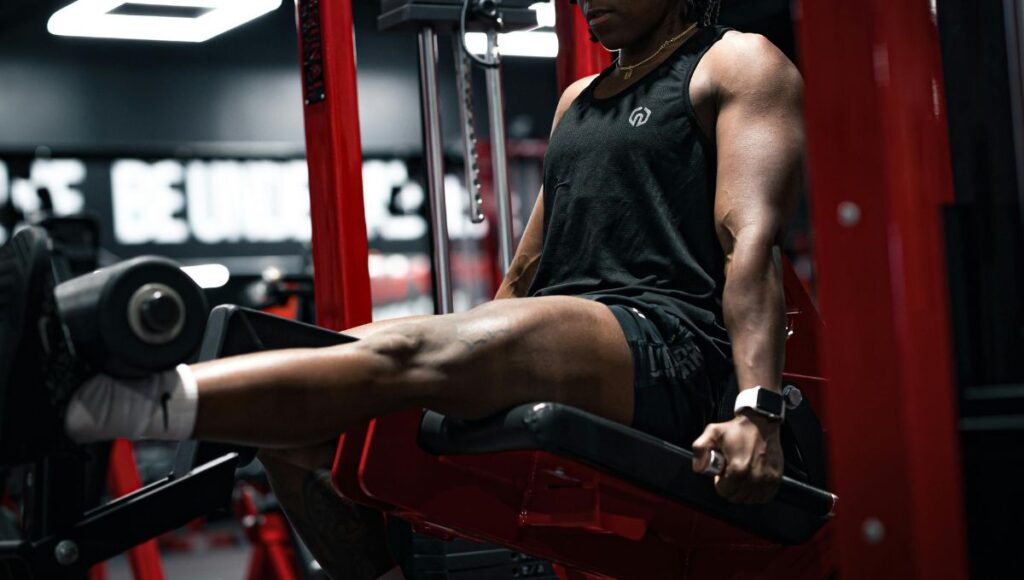
- Perform short arc quad exercises or use a leg extension machine.
- Emphasize quick contractions and concentric phases.
- Incorporate external leg rotation to enhance VMO activation.
- Use tactile stimulation or KT Tape for proprioceptive feedback.
- Utilize closed kinetic chain exercises like step-ups or reverse sled drags.
- Experiment with ankle dorsiflexion for increased VMO activation.
- Targeting the Lower VMO:
- Combine knee extension with hip adduction, emphasizing medial tilt.
- Squeeze a ball between your knees during shallow squats.
- Utilize stability ball squats or cable machine exercises.
- Lever and Fulcrum Principle:
- Strap your ankle to a cable, emphasizing medial knee tilt stabilization.
- Use BFR cuffs for added resistance without heavy weights.
- Unique VMO Activation:
- Perform a specific leg curl variation to target the VMO at full flexion.
- Internal leg rotation enhances lower VMO fiber engagement.
Vastus Medialis Longus (VML): Building the Bulk of the Inner Quads
- Knee Extension with External Rotation:
- Activate the VML by externally rotating the hip and lower leg during knee extensions.
- Overload the eccentric phase with one-legged extensions for VML development.
- Slow Contractions and Partial Range of Motion:
- VML is type one slow-twitch fiber dominant; perform slower contractions.
- Utilize partial range of motion knee extensions for optimal VML activation.
- Compound Movements and Isolation Exercises:
- Compound exercises like back squats preferentially target the upper VML region.
- Isolation exercises like leg extensions work the lower VML more effectively.
Regional Training Factors for VML Growth:
- Knee Angle and Muscle Fiber Length:
- Longer muscle fiber lengths target the lower VML region.
- Shorter muscle fiber lengths work the upper VML region.
- Ecentric Contractions:
- Preferentially build the lower VML region.
- Closed Kinetic Chain Exercises:
- Cy squat and similar exercises engage the upper VML region.
- BFR Cuffs:
- Enhance hypertrophy of all quad regions, with increased growth in upper and middle regions.
- Equipment and Set Patterns:
- Different equipment and set patterns affect regional growth.
- Drop sets may increase upper region growth in the VML.
- Regional Myofascial Release:
- Use pre-workout myofascial release to enhance region-specific growth.
9 Exercises Better than Squats to Maximise Glute Growth
In the ever-evolving landscape of fitness and bodybuilding, the conventional wisdom surrounding quad muscle development is being reshaped by scientific advancements. The revelation that the quadriceps consist of seven muscles challenges the simplicity of the traditional four-muscle narrative, ushering in a new era of understanding. Furthermore, the concept of regional hypertrophy shatters the myth that muscles uniformly grow, introducing a dynamic element that demands a more nuanced and targeted approach to training.
In the ever-evolving pursuit of excellence, let this exploration serve as a guide, encouraging individuals to embrace the science, experiment with techniques, and tailor their approach to sculpting quads that not only meet but exceed their expectations. The intricacies of quad muscle growth are vast, and with each revelation, we inch closer to a more enlightened and effective approach to fitness.
For a full explanation in deeper details about how you are training your quads wrong, simply watch the video below.
Good Leg Workouts at Home for Stronger Quads, Hamstrings and Glutes
The Ultimate Kettlebell Leg Workout to Build Muscle and Endurance
Having strong quadriceps, the large muscle group located at the front of your thighs, is crucial for various reasons that extend beyond mere aesthetics. Strong quads play a pivotal role in supporting overall lower body function and contribute to your overall physical well-being. Here are several reasons highlighting the importance of having strong quadriceps:
- Mobility and Range of Motion: Strong quads contribute to better joint flexibility and range of motion, enabling you to perform daily activities with ease. This is particularly essential for movements like walking, climbing stairs, and bending down.
- Posture and Stability: The quadriceps are integral to maintaining proper posture and stability. A well-developed set of quads helps stabilize the knee joint, preventing issues such as knee pain or instability. This is especially important in activities that involve weight-bearing, such as standing or lifting.
- Injury Prevention: Strong quads can act as a protective mechanism against injuries, especially in the lower body. Adequate strength in the quadriceps helps absorb shock during physical activities, reducing the risk of injuries to the knees and surrounding structures.
- Athletic Performance: Whether you’re an athlete or someone engaged in recreational sports, strong quads are essential for optimal performance. They play a key role in movements like running, jumping, and squatting, contributing to improved agility, speed, and power.
- Functional Fitness: Everyday activities, from getting out of a chair to lifting groceries, heavily rely on the strength of your quadriceps. Building and maintaining strong quads enhance your ability to carry out these activities efficiently and with reduced strain.
- Joint Health: Well-developed quadriceps provide stability to the knee joint, promoting joint health and reducing the risk of conditions like osteoarthritis. A balanced strength in the quads helps distribute forces evenly across the joint during movement.
- Metabolic Benefits: Engaging large muscle groups, such as the quadriceps, in strength training exercises can boost your metabolism. This can be beneficial for weight management and overall metabolic health.
- Rehabilitation: Strong quads are vital during the rehabilitation process after certain injuries, particularly those affecting the knee. Physical therapists often include quad-strengthening exercises in rehabilitation programs to restore function and prevent future issues.
- Balance and Fall Prevention: The quadriceps play a role in maintaining balance, which is crucial for preventing falls, especially as you age. Strengthening these muscles can contribute to better balance and coordination.
- Improved Overall Fitness: Strong quads contribute to a well-rounded fitness profile. Whether your fitness goals include weightlifting, cardio exercises, or a combination of both, having strong quads enhances your overall fitness capacity.
In conclusion, strong quads are fundamental for various aspects of physical health and performance. Incorporating targeted quad exercises into your fitness routine and maintaining their strength contributes to a more resilient, mobile, and functional body.