Protein is a cornerstone in the realm of weight loss, serving as a vital component for achieving and maintaining a healthy body. Its role extends beyond mere sustenance, acting as the backbone for muscle repair, growth, and overall metabolic function.

Here I have chosen 10 of my favourite high protein eco foods that I enjoy in my nutrition.


In the journey towards shedding excess pounds, embracing a diet rich in protein proves instrumental. It not only aids in the preservation of lean muscle mass but also fosters a sense of fullness, crucial for curbing cravings and controlling calorie intake.
Intriguingly, amidst the vast array of protein sources lie “unusual” treasures—foods that, while lesser-known, harbor potent protein content capable of bolstering weight loss efforts. These unconventional options deviate from the traditional choices like chicken or fish, offering a diverse palette of flavors and textures to tantalize the taste buds.
They represent a novel approach to protein intake, introducing variety and innovation to the weight loss journey.
Throughout this exploration, we’ll unveil 10 such unusual high-protein foods, each poised to play a pivotal role in slimming down your waistline. From ancient grains to superfood algae, these culinary gems promise not only to satiate hunger but also to propel you towards your weight loss goals with gusto.
Join us as we embark on a gastronomic adventure, uncovering the hidden treasures that lie within these remarkable high-protein foods.
How does Protein Help Someone Lose Fat?
Protein plays several crucial roles in facilitating fat loss and promoting overall weight management:
Increased Satiety: Protein has a higher satiety value compared to carbohydrates and fats, meaning it helps you feel fuller for longer periods after eating. This satiating effect can lead to reduced overall calorie intake, as it may prevent overeating and snacking between meals.
Preservation of Lean Muscle Mass: When you’re on a calorie-restricted diet for fat loss, there’s a risk of losing both fat and muscle mass. Adequate protein intake helps mitigate muscle loss by providing the building blocks necessary for muscle repair and growth. By preserving lean muscle mass, your body’s metabolic rate remains higher, allowing you to burn more calories, even at rest.

Increased Thermic Effect of Food (TEF): Protein has a higher thermic effect compared to carbohydrates and fats, meaning it requires more energy (calories) for your body to digest, absorb, and metabolize it. This increase in metabolic activity after consuming protein contributes to a greater overall calorie expenditure, supporting fat loss efforts.
Regulation of Appetite Hormones: Protein consumption influences the secretion of hormones involved in appetite regulation, such as ghrelin and peptide YY. Ghrelin stimulates hunger, while peptide YY signals feelings of fullness. Consuming adequate protein helps balance these hormones, leading to reduced feelings of hunger and increased feelings of satiety, which can aid in controlling calorie intake.
Maintenance of Metabolic Rate: During periods of calorie restriction for fat loss, the body may adapt by slowing down its metabolic rate to conserve energy. Adequate protein intake helps mitigate this slowdown by preserving lean muscle mass and supporting metabolic function. This means you’ll burn more calories at rest, making it easier to create and sustain a calorie deficit for fat loss.
Enhanced Fat Oxidation: Some research suggests that higher protein intake may enhance the body’s ability to oxidize (burn) fat for energy. This is beneficial for fat loss, as it allows the body to utilize stored fat more efficiently, especially during periods of calorie restriction.
By incorporating protein-rich foods into your diet and ensuring adequate protein intake, you can harness these mechanisms to support fat loss while preserving lean muscle mass and promoting overall health and well-being.
1. Seitan: The Meatless Meat
Seitan, often referred to as “wheat meat,” is a versatile meat substitute made from wheat gluten. Unlike tofu or tempeh, which are soy-based, seitan is derived from wheat protein and has a dense, chewy texture reminiscent of meat.

To create seitan, wheat flour is rinsed to remove starch, leaving behind the gluten protein. This protein-rich substance is then seasoned, cooked, and transformed into a variety of meat-like forms, making it a popular choice for vegetarians and vegans seeking meat alternatives.
Despite its humble origins, seitan boasts an impressive protein content, making it a valuable addition to any weight loss diet. With protein comprising approximately 25 grams per 3-ounce serving, seitan offers a substantial protein punch without the added fat and cholesterol often found in animal-based proteins.
This high protein content not only promotes feelings of fullness and satiety but also aids in muscle repair and growth, essential components of successful weight loss efforts. Additionally, seitan is low in carbohydrates, making it a suitable option for those following low-carb or ketogenic diets.
Incorporating seitan into meals is both simple and satisfying. Its meat-like texture and neutral flavor make it a versatile ingredient that can be used in a variety of dishes.
For a quick and easy meal, try sautéing sliced seitan with vegetables and your favorite seasonings for a hearty stir-fry. Alternatively, grill or bake seitan strips and use them as a protein-rich topping for salads, sandwiches, or grain bowls.
Seitan can also be simmered in soups, stews, or chili to add depth and substance to plant-based dishes. With its adaptability and nutritional benefits, seitan proves to be a valuable ally in the quest for weight loss and overall health.
2. Tempeh: The Fermented Protein Powerhouse
Tempeh is a nutrient-dense, fermented soybean product that originates from Indonesia. Traditionally made by fermenting cooked soybeans with a specific type of mold called Rhizopus oligosporus, tempeh has a firm texture and a slightly nutty flavor.
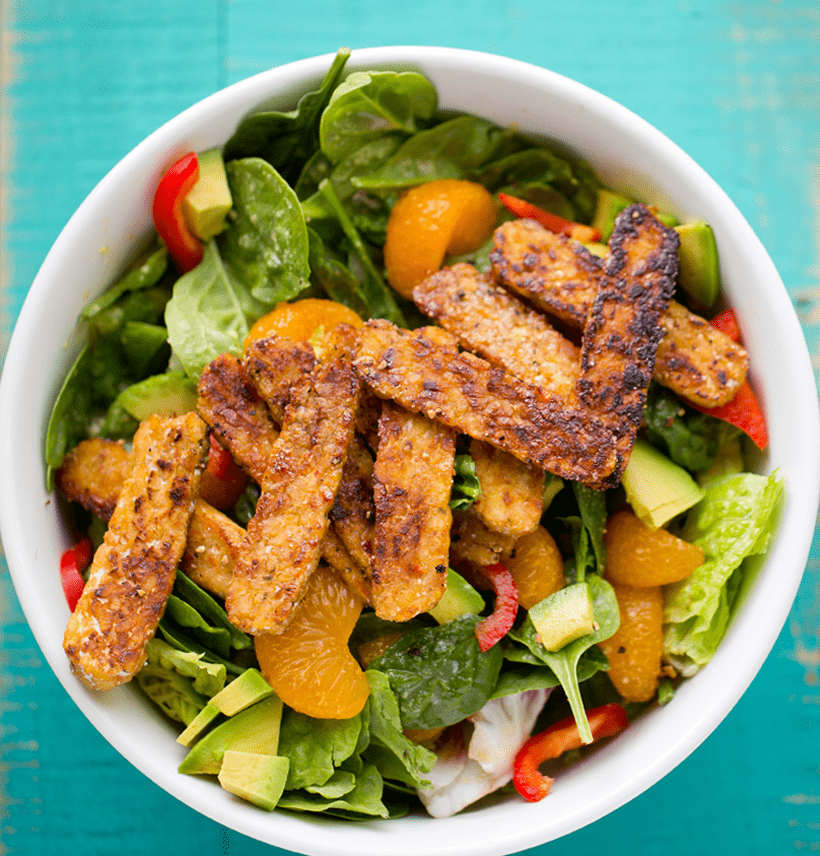
Unlike tofu, which is made from soybean curds, tempeh retains the whole soybean, providing a rich source of protein, fiber, and various nutrients.
Tempeh boasts an impressive nutritional profile, making it a standout protein source for individuals seeking to enhance their weight loss journey.
With approximately 20 grams of protein per 3-ounce serving, tempeh offers a substantial amount of this macronutrient to support muscle maintenance and repair. Additionally, tempeh is rich in fiber, providing around 7 grams per serving, which aids in promoting feelings of fullness and supporting digestive health. Furthermore, tempeh contains essential vitamins and minerals, including iron, calcium, and magnesium, contributing to overall well-being and vitality.
Incorporating tempeh into recipes for weight loss is both convenient and delicious. Its versatile nature allows for a wide range of culinary applications, from simple stir-fries to elaborate entrees. For a quick and nutritious meal, try marinating sliced tempeh in your favorite sauce or seasoning blend, then grilling or pan-searing until golden brown.
Serve alongside roasted vegetables and whole grains for a balanced and satisfying plate. Tempeh can also be crumbled and used as a plant-based protein alternative in dishes like tacos, chili, and pasta sauces. Its hearty texture and robust flavor make it an ideal ingredient for adding depth and complexity to vegetarian and vegan meals.
With its abundance of protein and nutrient-rich profile, tempeh stands as a versatile and nourishing option for those embarking on a weight loss journey.
3. Spirulina: The Superfood Algae
Spirulina stands out as a nutrient-dense algae renowned for its exceptional nutritional profile. This blue-green microalgae thrives in warm, alkaline waters and has been consumed for centuries due to its remarkable health benefits. Spirulina is packed with essential nutrients, including vitamins, minerals, antioxidants, and protein, making it a potent superfood for overall well-being.
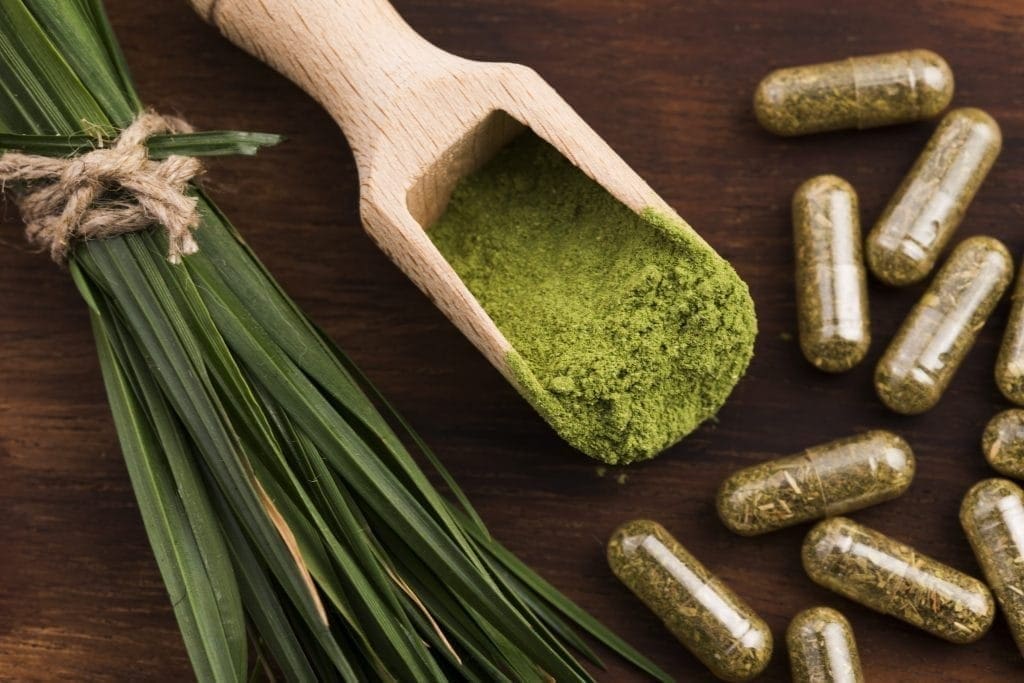
Despite its diminutive size, spirulina boasts an impressive protein content, making it a valuable addition to any weight loss regimen. With protein comprising approximately 60-70% of its dry weight, spirulina offers a concentrated source of plant-based protein to support muscle repair, growth, and satiety.
Additionally, spirulina is low in calories and carbohydrates, making it an ideal choice for those aiming to manage their calorie intake while boosting their nutrient intake.
Incorporating spirulina into your diet is simple and convenient, thanks to its versatile nature and mild flavor profile. One popular way to enjoy spirulina is by adding it to smoothies for a nutritional boost. Simply blend a teaspoon or two of spirulina powder with your favorite fruits, leafy greens, and a liquid base like almond milk or coconut water for a vibrant and nutrient-rich smoothie.
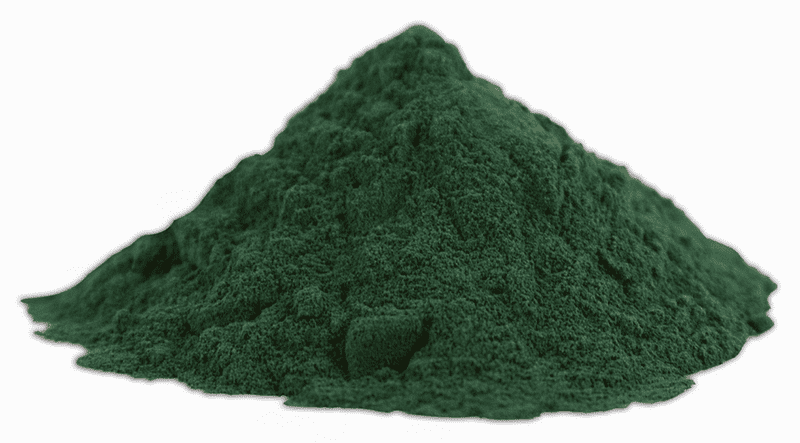
Spirulina can also be sprinkled over salads or mixed into salad dressings for added protein and a pop of color.
Additionally, you can incorporate spirulina into homemade energy balls, granola bars, or savory snacks for a nutritious on-the-go option. With its plethora of health benefits and versatility, spirulina proves to be a valuable ally in the pursuit of weight loss and overall vitality.
4. Edamame: The Immature Soybean Snack
Edamame, often enjoyed as a delicious appetizer in Japanese cuisine, are young soybeans harvested before they fully mature. These vibrant green pods are prized for their tender texture and naturally sweet flavor, making them a popular and nutritious snack option.
Edamame is not only a delightful treat but also a powerhouse of nutrients, offering a wide array of health benefits.
Edamame packs a nutritional punch, boasting an impressive profile of vitamins, minerals, fiber, and protein. As a protein source, edamame shines brightly, providing approximately 17 grams of protein per one-cup serving. This makes it an excellent choice for individuals seeking to increase their protein intake, particularly for those following vegetarian or plant-based diets. Furthermore, edamame is rich in essential amino acids, which are crucial for muscle repair, growth, and overall metabolic function.
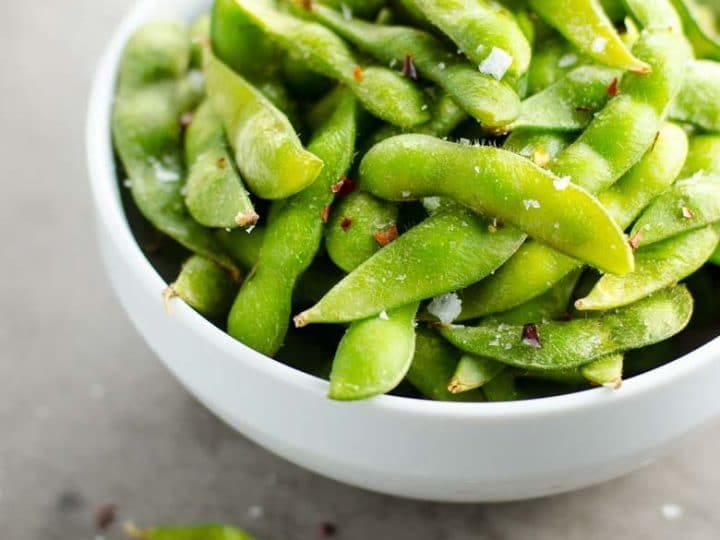
Additionally, edamame is low in calories and carbohydrates, making it a satisfying and nutrient-dense snack option for weight loss.
Incorporating edamame into snacks and meals for weight loss is both simple and versatile. As a snack, edamame can be enjoyed straight from the pod, lightly steamed or boiled and seasoned with a sprinkle of sea salt or a drizzle of soy sauce for added flavor.
Alternatively, edamame can be shelled and added to salads, soups, or grain bowls for a protein-rich boost. For a satisfying and protein-packed meal, try incorporating edamame into stir-fries, pasta dishes, or veggie-packed omelets. Its delicate flavor and hearty texture make it a delightful addition to a wide range of dishes, adding both nutrition and culinary flair to your weight loss journey.
5. Hemp Seeds: Tiny but Mighty
Hemp seeds may be small in size, but they pack a powerful nutritional punch. Derived from the hemp plant, these tiny seeds are prized for their dense nutrient profile and versatility in culinary applications.
With a mild, nutty flavor and a wealth of health benefits, hemp seeds have gained popularity as a superfood in recent years.
One of the standout features of hemp seeds is their high protein content, making them an excellent addition to any weight loss diet. With approximately 10 grams of protein per 3-tablespoon serving, hemp seeds provide a substantial source of plant-based protein to support muscle maintenance and satiety.

Additionally, hemp seeds contain all nine essential amino acids, making them a complete protein source—an essential factor for those following vegetarian or vegan diets. Beyond protein, hemp seeds are rich in healthy fats, particularly omega-3 and omega-6 fatty acids, which have been linked to improved heart health and reduced inflammation.
Furthermore, hemp seeds are low in carbohydrates and high in fiber, promoting feelings of fullness and aiding in digestion, both of which are beneficial for weight loss.
Incorporating hemp seeds into recipes and snacks is effortless and enjoyable. Sprinkle hemp seeds over salads, yogurt, or oatmeal for a protein-rich topping that adds crunch and texture. Blend hemp seeds into smoothies or shakes for an extra protein boost, or stir them into pancake or muffin batter for added nutrition.
For a savory twist, toss hemp seeds into soups, stews, or stir-fries for a subtle nutty flavor and added protein. Additionally, hemp seeds can be ground into hemp seed flour and used in baking recipes to create protein-rich bread, cookies, or energy bars.
With their versatility and nutrient density, hemp seeds offer endless possibilities for enhancing both the flavor and nutritional value of your meals and snacks, making them a valuable ally in your weight loss journey.
6. Quinoa: The Ancient Grain Superfood
Quinoa, revered as an ancient grain, has enjoyed a resurgence in popularity due to its exceptional versatility and impressive nutritional profile. Originating from South America, quinoa has been cultivated for thousands of years and revered by indigenous cultures for its abundance of health benefits. Unlike traditional grains, quinoa is actually a seed, making it a gluten-free and nutrient-dense option for individuals seeking to enhance their diet with wholesome, plant-based ingredients.
What sets quinoa apart is its remarkable nutritional composition, including its status as a complete protein source.
Unlike most plant-based foods, which are typically lacking in one or more essential amino acids, quinoa contains all nine essential amino acids in balanced proportions. This makes quinoa a valuable protein source for vegetarians, vegans, and anyone looking to diversify their protein intake.
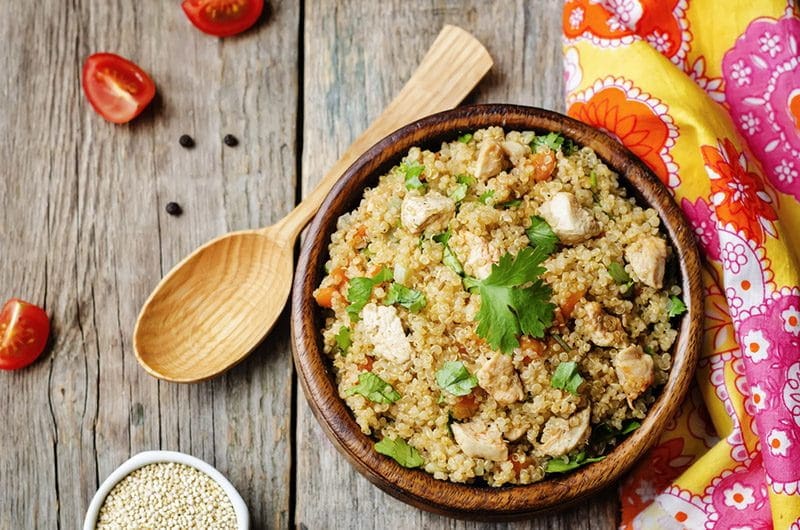
Additionally, quinoa is rich in fiber, vitamins, and minerals, including iron, magnesium, and zinc, contributing to overall health and well-being.
Furthermore, quinoa is low on the glycemic index, meaning it has a minimal impact on blood sugar levels, making it a suitable option for those aiming to manage their blood sugar and support weight loss efforts.
Incorporating quinoa into meals for weight loss is both simple and satisfying. Its versatility allows for a wide range of culinary applications, from breakfast to dinner and everything in between. For a nutritious and filling breakfast, try swapping out oats for cooked quinoa and topping it with fresh fruit, nuts, and a drizzle of honey or maple syrup.
For a hearty lunch or dinner option, use quinoa as a base for grain bowls, salads, or stuffed bell peppers, combining it with an assortment of vegetables, lean proteins, and flavorful dressings. Quinoa can also be incorporated into soups, stews, or casseroles to add texture and substance to plant-based dishes.
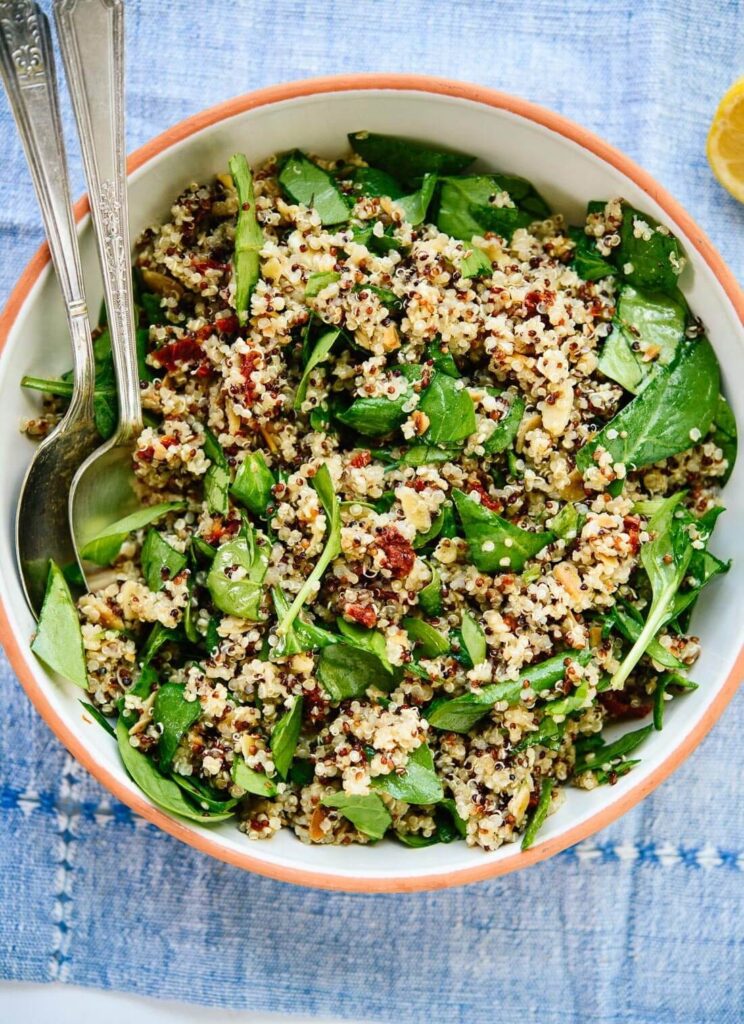
With its adaptability and wealth of nutrients, quinoa proves to be an invaluable ingredient in any weight loss meal plan, offering both flavor and nourishment to support your health and wellness goals.
7. Nutritional Yeast: The Cheesy Flavor Booster
Nutritional yeast is a unique product derived from deactivated yeast, typically strains of Saccharomyces cerevisiae.
Unlike active yeast used in baking, nutritional yeast undergoes a heating and drying process that renders it inactive, resulting in a flaky or powdered form. This process preserves its nutritional content while enhancing its savory, cheese-like flavor profile. Nutritional yeast is commonly used as a seasoning or condiment in vegan and vegetarian dishes to add depth, umami, and a hint of cheesiness to recipes.
Despite its unassuming appearance, nutritional yeast boasts a notable protein content, making it a valuable addition to weight loss diets. With approximately 2 grams of protein per tablespoon, nutritional yeast offers a convenient and versatile source of plant-based protein to support muscle repair, growth, and satiety.

Additionally, nutritional yeast is low in calories and fat, making it an ideal option for those seeking to manage their calorie intake while boosting their nutrient profile.
Furthermore, nutritional yeast is a rich source of B vitamins, including B12, which are essential for energy production, metabolism, and overall well-being. Incorporating nutritional yeast into meals can enhance flavor while providing a nutritional boost to support weight loss goals.
Using nutritional yeast as a cheese substitute in recipes is simple and satisfying. Its cheesy flavor and crumbly texture make it an excellent stand-in for traditional dairy-based cheese in a variety of dishes. Sprinkle nutritional yeast over popcorn, roasted vegetables, or pasta dishes for a savory, umami-rich flavor.
Use nutritional yeast to make a dairy-free “cheese” sauce by blending it with ingredients like cashews, almond milk, and spices for a creamy and indulgent topping for nachos, macaroni and cheese, or baked potatoes.
Nutritional yeast can also be incorporated into homemade vegan cheese spreads, dips, or dressings to add depth and complexity to plant-based dishes. With its versatility and nutritional benefits, nutritional yeast offers a flavorful and satisfying alternative to traditional cheese, making it a valuable ingredient for those looking to reduce their calorie intake and support their weight loss journey.
8. Buckwheat: The Gluten-Free Grain Alternative
Buckwheat is a gluten-free grain alternative that has been cherished for centuries for its nutritional value and versatility in culinary applications. Despite its name, buckwheat is not a type of wheat but rather a seed-like grain derived from the flowering plant Fagopyrum esculentum.
Originating from Central Asia, buckwheat has gained popularity worldwide due to its hearty texture, nutty flavor, and impressive array of health benefits. Unlike traditional grains like wheat, barley, or rye, buckwheat is naturally gluten-free, making it an excellent option for individuals with celiac disease or gluten sensitivities.

Buckwheat boasts an impressive nutritional profile, offering a wealth of health benefits to support weight loss and overall well-being. One notable feature of buckwheat is its high protein content, making it a valuable addition to any weight loss diet. With approximately 6 grams of protein per one-cup serving of cooked buckwheat, it provides a substantial source of plant-based protein to support muscle maintenance, repair, and satiety.
Additionally, buckwheat is rich in fiber, providing approximately 5 grams per serving, which aids in promoting feelings of fullness and supporting digestive health. Furthermore, buckwheat is a good source of essential vitamins and minerals, including manganese, magnesium, and copper, which play key roles in metabolism, energy production, and overall health.
Incorporating buckwheat into meals for weight loss is both simple and satisfying, thanks to its versatility and mild, nutty flavor. One popular way to enjoy buckwheat is by cooking it as a nutritious alternative to rice or pasta. Simply boil or steam buckwheat groats until tender, then use them as a base for grain bowls, stir-fries, or pilafs.
Buckwheat flour can also be used to make gluten-free pancakes, waffles, or baked goods, providing a nutritious and satisfying option for breakfast or snacks. Additionally, buckwheat can be ground into flour and used as a thickening agent in soups, stews, or sauces, adding texture and flavor to savory dishes.
With its myriad of culinary possibilities and nutritional benefits, buckwheat stands as a versatile and nourishing grain alternative that supports weight loss and promotes overall health and vitality.
9. Pumpkin Seeds: The Nutrient-Rich Snack
Pumpkin seeds, also known as pepitas, are a popular and nutritious snack option celebrated for their abundance of health benefits.
These small, flat seeds are found within the flesh of pumpkins and have been consumed for centuries for their delicious flavor and impressive nutritional profile. Pumpkin seeds can be enjoyed raw or roasted and seasoned with various herbs and spices, making them a versatile and satisfying snack for any occasion.
Despite their modest size, pumpkin seeds boast a remarkable protein content, making them a valuable addition to weight loss diets. With approximately 7 grams of protein per one-ounce serving, pumpkin seeds offer a concentrated source of plant-based protein to support muscle maintenance, repair, and satiety.
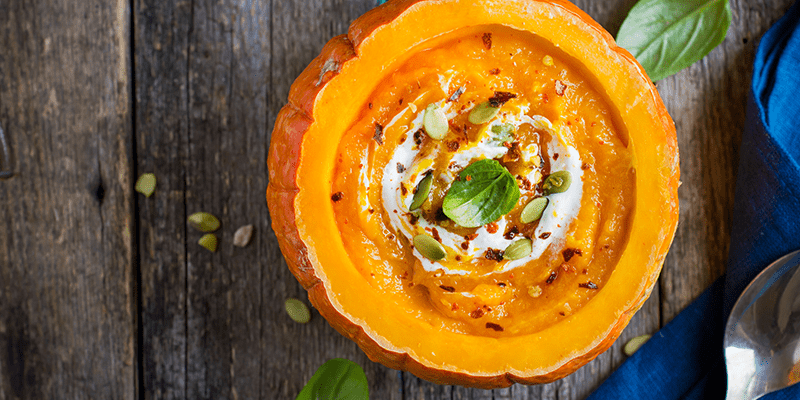
Additionally, pumpkin seeds are rich in healthy fats, particularly omega-3 and omega-6 fatty acids, which have been linked to improved heart health and reduced inflammation. Furthermore, pumpkin seeds are low in carbohydrates and high in fiber, promoting feelings of fullness and aiding in digestion, both of which are beneficial for weight loss.
Pumpkin seeds are also a good source of essential vitamins and minerals, including iron, magnesium, and zinc, contributing to overall health and well-being.
Incorporating pumpkin seeds into snacks and meals is both simple and enjoyable, thanks to their versatility and delicious flavor. As a snack, enjoy pumpkin seeds straight from the bag or roasted and seasoned with your favorite spices, such as garlic powder, cayenne pepper, or smoked paprika, for a savory and satisfying treat.
Add pumpkin seeds to homemade trail mix or granola for a crunchy and nutritious boost of protein and fiber. Pumpkin seeds can also be sprinkled over salads, soups, or yogurt for added texture and flavor. Furthermore, pumpkin seeds can be ground into a creamy and flavorful pumpkin seed butter or used as a topping for oatmeal, smoothie bowls, or baked goods.
With their myriad of culinary possibilities and nutritional benefits, pumpkin seeds stand as a nutrient-rich snack option that supports weight loss and promotes overall health and vitality.
10. Cricket Flour: The Sustainable Protein Source
Cricket flour emerges as a groundbreaking alternative protein source, poised to revolutionize the way we approach sustainable nutrition.
Derived from ground crickets, this innovative flour offers a renewable and eco-friendly solution to the growing demand for protein-rich foods. While the notion of consuming insects may initially evoke hesitation, cricket flour has garnered attention for its impressive nutritional profile and minimal environmental impact.
As a rich source of protein, vitamins, and minerals, cricket flour presents a compelling option for individuals seeking to enhance their diets with sustainable and nutrient-dense ingredients.
Cricket flour stands out for its exceptional nutritional benefits, particularly its high protein content. With approximately 60-70% protein by weight, cricket flour offers a concentrated source of essential amino acids necessary for muscle repair, growth, and overall metabolic function.
Additionally, cricket flour contains a wealth of micronutrients, including iron, calcium, and B vitamins, which play vital roles in energy production, immune function, and bone health.

Furthermore, cricket flour is low in carbohydrates and fat, making it an ideal option for those aiming to manage their calorie intake while maximizing their protein consumption. Beyond its nutritional value, cricket flour boasts a low environmental footprint, requiring significantly fewer resources to produce compared to traditional livestock farming, making it a sustainable choice for conscientious consumers.
Incorporating cricket flour into recipes for weight loss is both innovative and rewarding, offering a novel approach to protein supplementation.
Cricket flour can be seamlessly integrated into a variety of dishes, from baked goods to savory snacks, providing a protein-rich boost to support satiety and muscle maintenance. Substitute a portion of traditional flour with cricket flour in recipes for pancakes, muffins, or bread to increase their protein content while adding a subtle nutty flavor.
Blend cricket flour into smoothies or protein shakes for an extra protein punch, or incorporate it into homemade energy bars or granola for a convenient and nutritious snack option. Additionally, cricket flour can be used as a coating for baked or roasted vegetables, tofu, or meats to enhance their protein content and add a crispy texture.
With its versatility and nutritional benefits, cricket flour offers a sustainable and flavorful way to support weight loss goals while contributing to a healthier and more environmentally conscious lifestyle.
Conclusion
Throughout this article, we’ve explored 10 unusual high-protein foods that can serve as valuable allies in your weight loss journey. These foods include:
- Seitan: The Meatless Meat
- Tempeh: The Fermented Protein Powerhouse
- Spirulina: The Superfood Algae
- Edamame: The Immature Soybean Snack
- Hemp Seeds: Tiny but Mighty
- Quinoa: The Ancient Grain Superfood
- Nutritional Yeast: The Cheesy Flavor Booster
- Buckwheat: The Gluten-Free Grain Alternative
- Pumpkin Seeds: The Nutrient-Rich Snack
- Cricket Flour: The Sustainable Protein Source
By incorporating these unusual high-protein foods into your diet, you can reap a multitude of benefits that support your weight loss efforts. These foods offer:
- High protein content to support muscle repair, growth, and satiety.
- Essential vitamins, minerals, and antioxidants for overall health and vitality.
- Fiber to promote feelings of fullness and aid in digestion.
- Versatility in culinary applications, allowing for endless creativity in meal preparation.
- Sustainable and eco-friendly options that minimize environmental impact.
As you embark on your weight loss journey, I encourage you to embrace experimentation with these unusual high-protein foods.
Whether you’re looking to diversify your diet, boost your protein intake, or explore sustainable nutrition options, incorporating these foods can help you achieve your goals and attain a slimmer, healthier belly.
Embrace the versatility and nutritional richness of these foods as you discover new flavors and culinary delights on your path to a fitter, happier you. Remember, small changes can yield significant results, so don’t hesitate to incorporate these high-protein wonders into your meals and snacks for a more satisfying and successful weight loss journey.
Learn More
Unbelievably Effective Science-Backed Arm Exercises You’ve Never Seen Before
The Diet that Will Transform Your Body in 100 Days
What Happens to Your Body When You Try the Anti-Ageing Diet for 90 Days?
The Ozempic Problem – The Literal Easiest Way to Lose Fat
Try This Effective 200 Reps Workout for Your Biceps
Title: “Protein Intake and Lean Body Mass Preservation during Energy Intake Restriction in Overweight Older Adults”
Authors: Campbell WW, Trappe TA, Jozsi AC, Kruskall LJ, Wolfe RR, Evans WJ.
Published in: International Journal of Obesity and Related Metabolic Disorders (2001)
Summary: This study examines the impact of protein intake on lean body mass preservation during energy intake restriction in overweight older adults. It provides insights into the importance of adequate protein intake for maintaining muscle mass during weight loss.
Title: “Protein Requirements and Muscle Mass/strength Changes during Intensive Training in Novice Bodybuilders”
Authors: Lemon PW, Tarnopolsky MA, MacDougall JD, Atkinson SA.
Published in: Journal of Applied Physiology (1992)
Summary: This study investigates the protein requirements and muscle mass/strength changes during intensive training in novice bodybuilders. It sheds light on the relationship between protein intake and muscle development in individuals engaged in resistance training.
Title: “Protein, Weight Management, and Satiety”
Authors: Paddon-Jones D, Westman E, Mattes RD, Wolfe RR, Astrup A, Westerterp-Plantenga M.
Published in: American Journal of Clinical Nutrition (2008)
Summary: This review article examines the role of protein in weight management and satiety. It discusses how protein intake influences feelings of fullness and can aid in weight loss and weight maintenance.
Title: “Higher Protein Intake Preserves Lean Mass and Satiety with Weight Loss in Pre-obese and Obese Women”
Authors: Layman DK, Evans E, Baum JI, Seyler J, Erickson DJ, Boileau RA.
Published in: Obesity (Silver Spring) (2005)
Summary: This study evaluates the effects of higher protein intake on lean mass preservation and satiety during weight loss in pre-obese and obese women. It highlights the benefits of a higher protein diet for improving body composition and managing hunger during calorie restriction.
Title: “The Role of Protein in Weight Loss and Maintenance”
Authors: Westerterp-Plantenga MS, Nieuwenhuizen A, Tomé D, Soenen S, Westerterp KR.
Published in: The British Journal of Nutrition (2008)
Summary: This review article explores the role of protein in weight loss and weight maintenance. It discusses the mechanisms by which protein influences energy expenditure, satiety, and body composition, providing insights into its importance for successful weight management strategies.