


Find out what is the smarter way to muscle-up.
Achieving a muscle-up is a coveted milestone in the fitness world for several compelling reasons. Firstly, the muscle-up is a demonstration of impressive strength and athleticism, requiring a combination of pulling power and pushing strength. It signifies a level of mastery over one’s body weight and showcases a well-rounded fitness capability.


As a compound movement that seamlessly integrates a pull-up and dip into a single fluid motion, the muscle-up demands not only physical strength but also coordination and control, making it a symbol of overall fitness proficiency.
Moreover, the muscle-up holds a unique appeal as it represents a challenging progression beyond basic bodyweight exercises like pull-ups and dips. Individuals who strive for a muscle-up often seek the satisfaction of conquering a difficult skill and pushing their physical limits.
The accomplishment brings a sense of empowerment, reinforcing the idea that with consistent training and dedication, one can overcome challenging fitness goals. In essence, the muscle-up serves as both a tangible marker of strength and a rewarding testament to the dedication and hard work invested in achieving a higher level of athleticism.
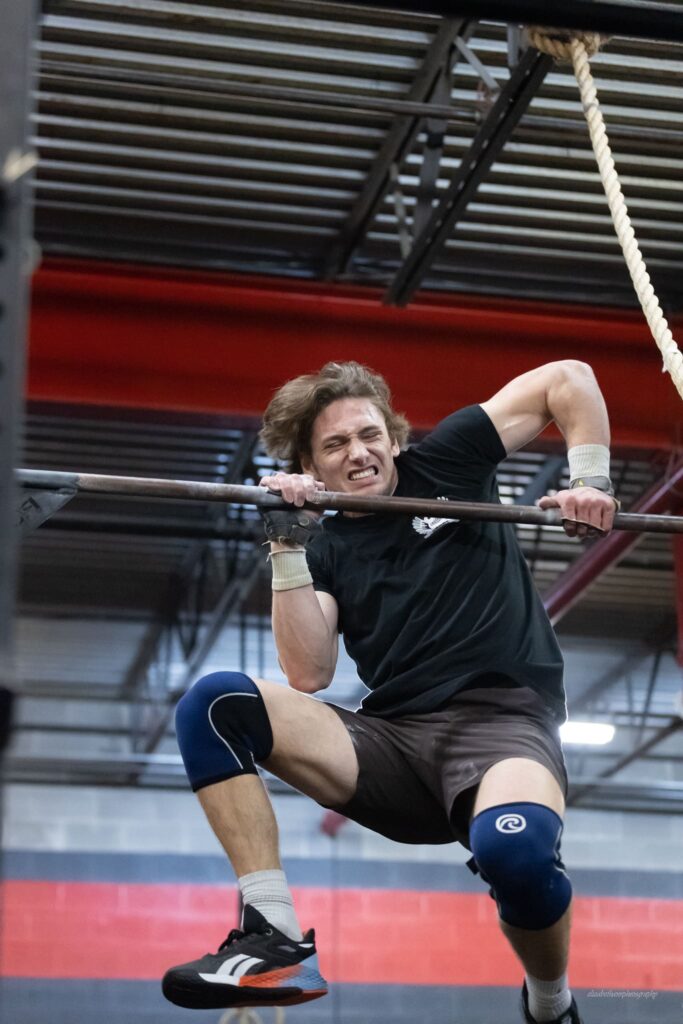
So there is no shock to know you have clicked on this article to improve your muscle-up or get the first one, right? So what is the smarter way to muscle-up? What does that even mean? That is what Daniel Vadnal decided to talk about, and demonstrate as well.
Daniel Vadnal is an international calisthenic expert with decades of experience. In his YouTube channel titled FitnessFAQs, he talks mostly about bodyweight exercises, but also bodybuilding, and usually he has experts in the fitness industry to talk about anything and everything.
Let’s get deeper into the smarter way to muscle-up in his opinion.
Read Also: How to Get Muscle-Ups Before the 2024 CrossFit Open
The Smarter Way to Muscle-Up
The muscle-up, a combination of a pull-up and dip, is a calisthenics exercise that demands both pulling power and basic pushing strength. It is the equivalent of the clean and jerk in weightlifting, requiring a seamless transition between the two movements. In this article, we’ll delve into the techniques and exercises that can help you master the bar muscle-up.
Bar Muscle-Up Technique:
Swinging Motion: Jump towards the bar, allowing your body to swing back and forth slightly. Time the pull-up so that you move like a pendulum, arcing up and over the bar.
Kipping Technique: As a beginner, it’s acceptable to use some kip to understand the technique and timing. However, with practice and improved pull-up power, gradually reduce the kipping motion, as excessive chicken-winging indicates weakness.
Body Positioning: Maintain tight abs and legs, and keep your shoulders in scapular depression for maximum power. Treating muscle-ups as a full-body exercise yields the best results.
Bar Grip Options:
Wide Grip: Allows for a more vertical pull but requires increased shoulder mobility.
Close Grip: Places more strain on the wrists but enables a quicker transition with the triceps.
Moderate Grip: Generally works well for most individuals, finding a balance between the two extremes.

The Number 1 Muscle-Up Tip that Nobody Talks About
Banded Muscle-Ups:
Banded muscle-ups are often criticized, but they serve as a valuable training tool for beginners. While there is a strength curve mismatch with pull-ups, bands aid in refining motor control and technique. They allow beginners to improve their muscle-up skills in a low-intensity manner, contributing to a comprehensive training program.
Explosive Pull-Ups:
Emphasizing explosive pull-ups is crucial for muscle-up mastery. Focus on low-rep sets with ample rest between to enhance power. Quality over quantity is essential to develop the necessary acceleration for a successful muscle-up.
Half Muscle-Ups:
Targeting the most challenging aspects of the muscle-up, such as the transition, can be achieved through half muscle-ups. This variation serves as an excellent exercise on pull days, particularly if bar dips are already mastered.
5 Ways to Perfect Your Muscle Up Technique
Bonus Exercises:
Front Lever Pulls: Enhance power at the start of muscle-ups by stressing straight arm scapular strength with hollow body positioning.
Weighted Pull-Ups: Use weighted calisthenics to improve force production. Sets of three to six reps are ideal for building strength.
Negatives: Practice muscle-ups from the top down to strengthen the transition and build overall muscle-up strength.

Mastering the muscle-up requires dedication to fundamental exercises, progressive training, and targeted techniques. Whether you are a beginner or looking to refine your skills, incorporating these exercises and techniques into your routine will undoubtedly unlock the world of calisthenics and open doors to new possibilities on the bar and rings.
For a more detailed explanation on the smart way to muscle-up, you can simply watch the video below. In it, Daniel Vadnal gets more into the nitty-gritty of techniques, progressions and exercises to master before venturing into the muscle-up.
20 Muscle Ups Workouts for Dedicated CrossFit Athletes (Full Progressions Included)
3 Strict Muscle-Up Drills You Should Try
Should You Do Muscle-Ups Every Day?
No, it is not advisable to do muscle-ups every day. Performing muscle-ups daily can lead to overtraining, increased risk of injury, and insufficient recovery time for your muscles. Muscles need time to repair and grow stronger, and consistently stressing them without adequate recovery can hinder progress and potentially lead to overuse injuries.
A more effective approach is to incorporate muscle-ups into a well-balanced workout routine that includes rest days. Allow your muscles to recover by alternating muscle-up sessions with other exercises targeting different muscle groups. Listen to your body, pay attention to signs of fatigue, and ensure you have proper warm-ups and cooldowns in your routine. Consulting with a fitness professional or healthcare provider can help you design a safe and effective workout plan based on your individual fitness level and goals.
8 Ring Muscle Up Alternative Exercises for Everyone that can’t Muscle-Up Yet
Muscle-ups are a compound exercise that targets multiple muscle groups, engaging both upper body and core muscles. The primary muscles worked during a muscle-up include:
Latissimus Dorsi (Lats): These large muscles in the back are heavily involved in the pulling phase of the muscle-up, aiding in the ascent.
Biceps Brachii: The biceps are activated during the pulling phase as you lift your body towards the bar.
Rhomboids and Trapezius: These muscles between the shoulder blades and along the upper spine contribute to shoulder retraction and stability.
Deltoids: Both the anterior (front), lateral (side), and posterior (rear) deltoids are engaged, especially during the transition phase.
Pectoralis Major (Pecs): The chest muscles play a role, particularly in the transition from the pull-up to the dip phase.
Triceps Brachii: The triceps are heavily involved during the dip phase as you push your body over the bar.
Abdominals (Core): Core muscles are activated to stabilize the body during the entire muscle-up movement.
Forearms and Grip Muscles: Maintaining a strong grip is essential, engaging the muscles in the forearms and hands.
It’s important to note that while muscle-ups primarily target these muscle groups, achieving a successful muscle-up also requires coordination and skill in transitioning between the pull-up and dip phases.


