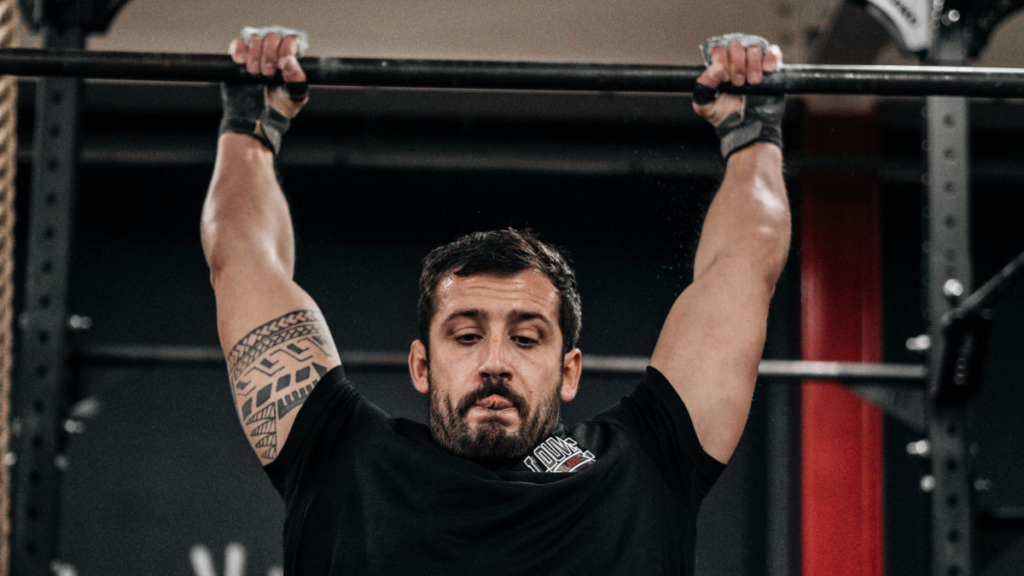
Chest muscle growth, often referred to as pectoral development, holds significant importance in the realm of fitness and bodybuilding. The chest muscles, comprising primarily the pectoralis major and minor, are not only aesthetically pleasing when well-developed but also crucial for functional movement and upper body strength.
In fitness, a strong and well-defined chest is often associated with overall physical prowess and athleticism. From performing everyday tasks to excelling in sports activities, a robust chest contributes to better functional movement patterns and overall performance.


Moreover, in the realm of bodybuilding, a well-developed chest is a hallmark of an impressive physique. Chest muscles are one of the focal points of physique competitions, contributing to the overall symmetry, balance, and aesthetic appeal of the physique.

In this article, we’ll delve into five essential tips designed to help individuals maximize their chest muscle growth. Whether you’re a novice looking to kickstart your chest development journey or an experienced lifter seeking to break through plateaus, these tips are tailored to cater to a wide range of fitness levels and goals.
From prioritizing specific exercises to implementing progressive overload techniques, each tip is carefully curated to provide actionable insights that will propel your chest muscle growth to new heights. So, without further ado, let’s dive into the strategies that will help you achieve a chest that commands attention and admiration.
Tip 1: Prioritize Compound Exercises
Compound exercises, such as bench presses, push-ups, and dips, are fundamental movements in any chest-focused workout routine. These exercises involve multiple joints and muscle groups, making them incredibly effective for stimulating chest muscle growth.
When you perform compound exercises, you’re not only targeting the primary muscle group (in this case, the chest muscles) but also engaging secondary muscle groups, including the shoulders, triceps, and even the core. This multi-joint activation leads to greater overall muscle recruitment and, consequently, more significant muscle growth.
How Compound Exercises Engage Multiple Muscle Groups
One of the key advantages of compound exercises is their ability to engage multiple muscle groups simultaneously. For example, during a bench press, not only are your chest muscles contracting to push the weight, but your shoulders and triceps are also actively involved in the movement.
This engagement of multiple muscle groups not only leads to greater muscle activation but also allows you to lift heavier weights, which is essential for stimulating muscle growth. By incorporating compound exercises into your chest workout routine, you can ensure that you’re maximizing the efficiency of your workouts and targeting multiple muscle groups with each exercise.
Tips on Proper Form and Technique to Maximize Results
To reap the full benefits of compound exercises and maximize chest muscle growth, it’s essential to focus on proper form and technique. Here are some tips to help you do just that:
Maintain proper alignment: Ensure that your body is in a stable and aligned position throughout the exercise. Keep your back flat, shoulders retracted, and core engaged to prevent injury and maximize muscle activation.
Control the movement: Avoid using momentum to lift the weight and instead focus on controlled, deliberate movements. This not only increases the effectiveness of the exercise but also reduces the risk of injury.
Mind-muscle connection: Concentrate on feeling the muscles working throughout the entire range of motion. Visualize your chest muscles contracting and squeezing with each repetition to optimize muscle recruitment.
Adjust equipment as needed: Make adjustments to the equipment, such as bench height or grip width, to ensure that you’re targeting the chest muscles effectively and minimizing strain on other joints.
By following these tips and prioritizing compound exercises in your chest workout routine, you can accelerate muscle growth and achieve the well-developed chest you desire.
Tip 2: Incorporate Variation in Workouts
Muscle confusion, also known as “muscle adaptation,” is a principle used in fitness training to prevent plateaus and stimulate continuous muscle growth.
The idea behind muscle confusion is to keep the muscles guessing by varying the stimuli they receive during workouts. This prevents the body from adapting to a specific routine, which can lead to stagnation in muscle growth.
When you incorporate variation into your chest workouts, you introduce new challenges and stimuli to the muscles, forcing them to adapt and grow in response. This constant variation keeps your workouts fresh and exciting while ensuring that your muscles continue to be challenged, leading to more significant gains in muscle size and strength over time.
Different Variations of Chest Exercises
To effectively incorporate variation into your chest workouts, it’s essential to include a diverse range of exercises that target different parts of the chest. Some popular variations include:
Incline Bench Press: This variation targets the upper chest muscles (pectoralis major clavicular head) more intensely compared to the standard flat bench press.
By adjusting the bench to an incline position, you shift the emphasis to the upper portion of the chest, helping to create a well-rounded and balanced chest development.
Decline Bench Press: Conversely, the decline bench press places more emphasis on the lower chest muscles (pectoralis major sternal head). By lowering the bench to a decline position, you increase the range of motion and engagement of the lower chest fibers, contributing to overall chest development.
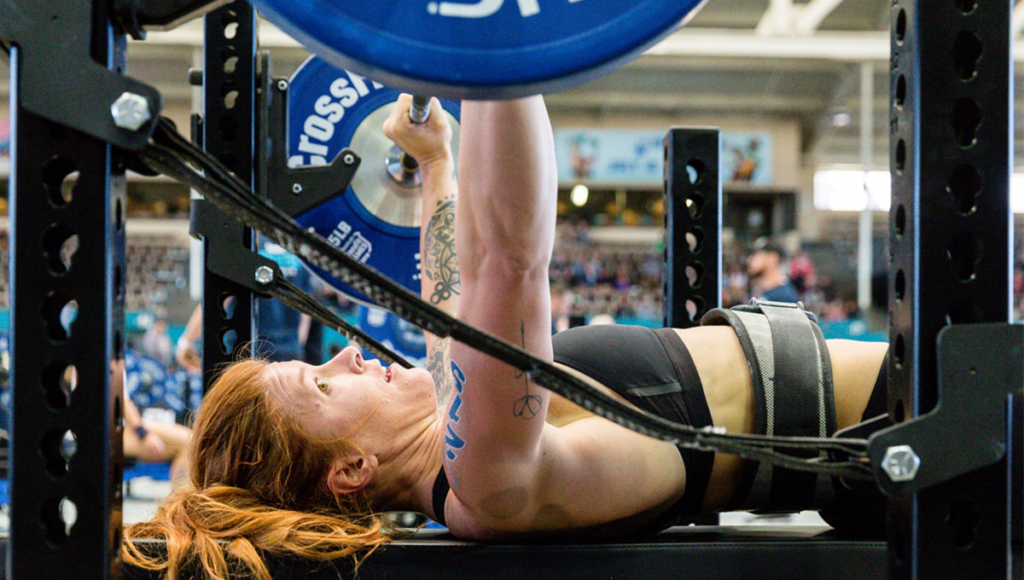
Dumbbell Flyes: Unlike pressing movements, flye exercises isolate the chest muscles, allowing for a deep stretch and contraction. Variations such as incline or decline dumbbell flyes can further target specific areas of the chest while providing variety to your routine.
Incorporating these variations into your chest workouts ensures that you’re targeting all areas of the chest effectively, promoting balanced muscle development and overall growth.
How to Incorporate Variation Effectively into Workout Routines
To incorporate variation effectively into your workout routines, consider the following tips:
- Rotate exercises regularly: Change up your chest exercises every few weeks to prevent adaptation and keep your muscles guessing.
- Mix up rep ranges and intensity: Alternate between different rep ranges (e.g., low reps with heavy weights and higher reps with lighter weights) to stimulate muscle growth from various angles.
- Utilize different equipment: Incorporate a mix of barbells, dumbbells, resistance bands, and machines to target the chest muscles from different angles and challenge them in unique ways.
By incorporating these tips into your chest workouts, you can ensure continuous progress and maximize muscle growth over time.
Tip 3: Focus on Progressive Overload
Progressive overload is a fundamental principle in strength training and muscle building. It involves continually increasing the demands placed on the muscles over time to force them to adapt and grow stronger. This principle is essential for stimulating muscle growth because muscles only grow in response to stress and stimulus beyond what they are accustomed to.
By progressively overloading the muscles with increasingly challenging weights, repetitions, or sets, you create a continuous stimulus for growth. This constant progression ensures that your muscles are always pushed to their limits and are forced to adapt and grow stronger in response.
Techniques
There are several ways to implement progressive overload in your chest workouts:
Increasing Weight: Gradually increasing the amount of weight you lift is one of the most straightforward ways to apply progressive overload. As your strength improves, aim to lift heavier weights while maintaining proper form to continually challenge your muscles.
Adding Repetitions: Another method is to increase the number of repetitions you perform for each exercise. As you become more proficient with a particular weight, aim to complete additional repetitions within your sets to provide an added stimulus for muscle growth.
Adding Sets: Increasing the number of sets you perform for each exercise can also help to progressively overload the muscles. By adding an extra set or two to your workouts, you extend the total time under tension for the muscles, promoting greater muscle growth.
By incorporating these techniques into your chest workouts, you can ensure that you’re constantly challenging your muscles and providing the stimulus they need to grow stronger and larger over time.
Tips on How to Implement Progressive Overload Safely and Effectively
To implement progressive overload safely and effectively, consider the following tips:
- Gradual Progression: Progressively increase the intensity of your workouts gradually to avoid overtraining or injury. Aim for small, incremental improvements over time rather than making drastic jumps in weight or volume.
- Focus on Form: Maintain proper form and technique throughout your workouts to ensure that you’re effectively targeting the muscles and minimizing the risk of injury. Sacrificing form for heavier weights can lead to injury and hinder progress.
- Listen to Your Body: Pay attention to how your body responds to increased training intensity and volume. If you experience excessive fatigue, soreness, or joint pain, it may be a sign that you need to dial back the intensity or take a deload week to allow for recovery.
By following these tips and principles, you can effectively implement progressive overload into your chest workouts and maximize muscle growth safely and efficiently.
Tip 4: Ensure Proper Nutrition and Recovery
Nutrition plays a crucial role in supporting muscle growth, and protein intake is of particular importance. Proteins are the building blocks of muscle tissue, and consuming an adequate amount of protein is essential for muscle repair, growth, and maintenance.
When you engage in intense chest workouts, you create micro-tears in the muscle fibers, and protein consumption provides the amino acids necessary to repair and rebuild these damaged fibers, leading to muscle growth.
To support muscle growth, aim to consume a sufficient amount of protein from high-quality sources such as lean meats, poultry, fish, eggs, dairy products, legumes, and plant-based protein sources like tofu and tempeh.
Additionally, timing your protein intake around your workouts, such as consuming a protein-rich meal or shake before or after your chest workouts, can further enhance muscle protein synthesis and recovery.
The Importance of Adequate Rest and Recovery for Muscle Repair and Growth
While challenging your muscles with intense workouts is essential for stimulating muscle growth, it’s equally important to prioritize rest and recovery.
Muscle growth occurs during periods of rest, not during the actual workout. When you train your chest muscles, you create microscopic damage to the muscle fibers, and it’s during rest that these fibers repair and grow stronger.
Inadequate rest and recovery can hinder muscle repair and growth, leading to stagnation or even regression in muscle development. Overtraining, or not allowing enough time for recovery between workouts, can also increase the risk of injury and burnout.
To optimize chest muscle growth, ensure that you’re getting an adequate amount of sleep each night (ideally 7-9 hours for most adults) and incorporating rest days into your workout routine. Additionally, consider incorporating active recovery techniques such as foam rolling, stretching, and low-intensity cardio to promote blood flow and muscle recovery.
Tips on Nutrition Strategies and Recovery Techniques to Optimize Chest Muscle Growth
To optimize chest muscle growth through nutrition and recovery, consider the following tips:
- Consume a balanced diet rich in protein, carbohydrates, and healthy fats to provide the necessary nutrients for muscle repair and growth.
- Aim to eat a protein-rich meal or snack containing carbohydrates within 30 minutes to an hour before or after your chest workouts to support muscle protein synthesis and recovery.
- Stay hydrated by drinking an adequate amount of water throughout the day, as dehydration can impair muscle function and recovery.
- Prioritize quality sleep by establishing a consistent sleep schedule and creating a conducive sleep environment.
- Incorporate active recovery techniques such as foam rolling, stretching, and yoga to alleviate muscle soreness and promote recovery between workouts.
By implementing these nutrition strategies and recovery techniques into your routine, you can optimize chest muscle growth and achieve your fitness goals more effectively.
Tip 5: Listen to Your Body and Adjust Accordingly
One of the most crucial aspects of any fitness journey is learning to listen to your body.
Your body communicates with you through various signals, such as fatigue, soreness, and discomfort, which can provide valuable insights into your physical condition. Ignoring these signals or pushing through pain can increase the risk of injury and lead to overtraining, ultimately hindering your progress and enjoyment of exercise.
By paying attention to your body’s signals and responding accordingly, you can prevent injuries, optimize performance, and ensure long-term sustainability in your fitness endeavors. Whether it’s adjusting your workout intensity, modifying exercises to accommodate limitations, or taking rest days when needed, listening to your body is essential for maintaining overall health and well-being.
Need for Flexibility in Workout Routines
Flexibility is key when it comes to workout routines. While consistency is important for progress, it’s equally crucial to recognize that your body’s needs and capabilities can change over time. What worked for you in the past may not necessarily be effective or appropriate for your current fitness level, goals, or circumstances.
By remaining open-minded and adaptable, you can tailor your workout routines to suit your individual needs and preferences. This may involve experimenting with different exercises, training modalities, or workout schedules to find what works best for you. Additionally, be receptive to feedback from your body and adjust your workouts accordingly to address any imbalances, weaknesses, or areas of concern.
How to Recognize Signs of Overtraining and When to Modify Workouts Accordingly
Overtraining occurs when the body is subjected to more stress and workload than it can effectively recover from, leading to a decline in performance, increased fatigue, and heightened risk of injury. Recognizing the signs of overtraining is essential for avoiding burnout and maintaining progress in your fitness journey.
Some common signs of overtraining include:
- Persistent fatigue or lack of energy
- Decreased performance or strength
- Increased muscle soreness or joint pain
- Insomnia or disrupted sleep patterns
- Elevated resting heart rate
- Mood swings or irritability
If you experience any of these symptoms, it’s essential to listen to your body and modify your workouts accordingly. This may involve taking additional rest days, reducing training volume or intensity, or incorporating more recovery-focused activities such as yoga or meditation into your routine.
By prioritizing your body’s signals and adjusting your workouts accordingly, you can maintain a balanced approach to fitness that promotes long-term health, performance, and enjoyment.
Remember that fitness is a journey, and it’s essential to find a sustainable approach that works for you and supports your overall well-being.
Conclusion
Throughout this article, we’ve explored five essential tips to help you maximize your chest muscle growth:
- Prioritize Compound Exercises: Engage multiple muscle groups with exercises like bench presses, push-ups, and dips to maximize muscle activation and growth.
- Incorporate Variation in Workouts: Target different parts of the chest with variations such as incline and decline bench presses to keep your muscles guessing and stimulate continuous growth.
- Focus on Progressive Overload: Continually challenge your muscles by increasing weight, reps, or sets over time to promote muscle adaptation and growth.
- Ensure Proper Nutrition and Recovery: Support muscle growth with adequate protein intake and prioritize rest and recovery to facilitate muscle repair and growth.
- Listen to Your Body and Adjust Accordingly: Pay attention to your body’s signals, avoid overtraining, and modify your workouts as needed to prevent injury and optimize progress.
Incorporating these tips into your chest workout routine can make a significant difference in your muscle growth journey. Whether you’re a beginner or an experienced lifter, implementing these strategies can help you break through plateaus, build a stronger and more defined chest, and achieve your fitness goals more efficiently.
Remember that consistency is key, and results don’t happen overnight. Stay committed to your workout routine, remain patient, and trust the process. By consistently applying these tips and pushing yourself to new heights, you’ll see progress and improvements in your chest muscle growth over time.
In the pursuit of muscle growth, consistency and dedication are paramount. Building a well-developed chest takes time, effort, and perseverance. Stay focused on your goals, stay disciplined with your training and nutrition, and don’t be discouraged by setbacks or challenges along the way.
Remember that progress is not always linear, and there will be ups and downs on your fitness journey. Embrace the process, celebrate your successes, and learn from your setbacks. With consistency, dedication, and the application of these tips, you’ll be well on your way to exploding your chest muscle growth and achieving the physique you desire.
So, go forth with determination, implement these tips into your workout routine, and watch your chest muscles grow stronger and more defined with each passing day. Your journey to chest muscle growth starts now.
Learn More
Unbelievably Effective Science-Backed Arm Exercises You’ve Never Seen Before
The Diet that Will Transform Your Body in 100 Days
What Happens to Your Body When You Try the Anti-Ageing Diet for 90 Days?