Developing a well-defined and muscular chest is a common fitness goal for many individuals. The pectoral muscles, commonly referred to as the pecs, play a crucial role in chest development and upper body strength.
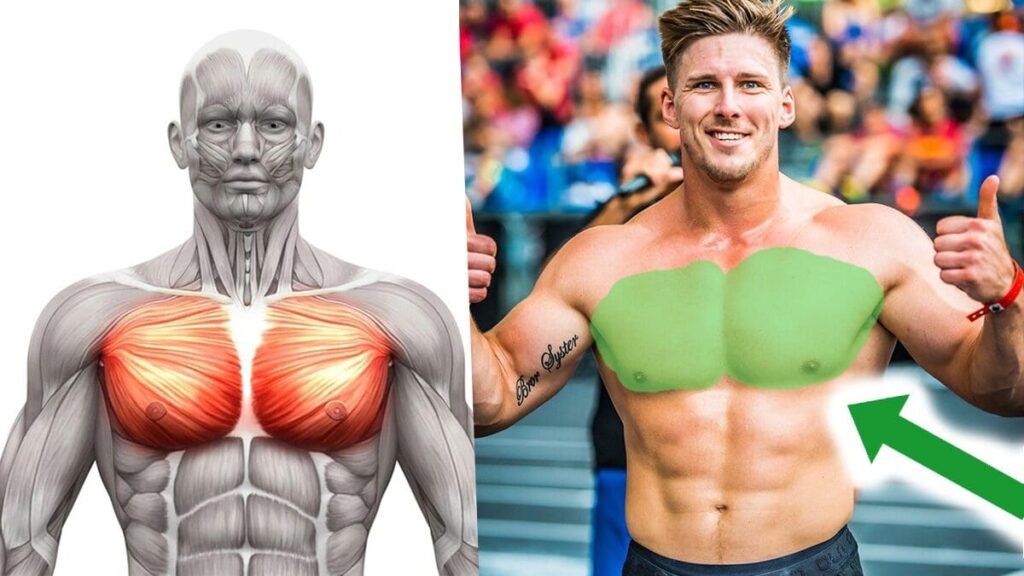
Strengthening the pecs not only enhances the aesthetic appeal of the chest but also contributes to overall upper body strength, stability, and functional movement. Effective pec exercises help target and engage the pectoral muscles, leading to improved muscle definition, strength, and symmetry.


Dumbbells are versatile and accessible pieces of equipment widely used in strength training and bodybuilding. When it comes to chest workouts, dumbbells offer several advantages over other forms of resistance, such as barbells or machines.
One key advantage is the freedom of movement provided by dumbbells, allowing for a greater range of motion and engagement of stabilizing muscles. Additionally, dumbbell exercises enable unilateral training, helping address muscle imbalances and ensuring symmetrical development.
Whether you’re a beginner or an experienced lifter, incorporating dumbbell exercises into your chest workout routine can lead to significant gains in strength, size, and definition.
In this article, we’ll explore three of the best dumbbell exercises specifically tailored to target the pectoral muscles for a better-looking chest quickly.
Each exercise will be thoroughly explained, including proper form, muscle groups targeted, and variations for different fitness levels.
By incorporating these exercises into your workout routine, you can effectively stimulate muscle growth, enhance chest definition, and achieve your desired fitness goals. Let’s dive into the top three dumbbell pec exercises to transform your chest and elevate your physique.
Benefits of Dumbbell Pec Exercises
When it comes to sculpting a powerful and well-defined chest, dumbbells emerge as a favored choice among fitness enthusiasts. Here are three key advantages of incorporating dumbbells into your pec workouts:
Increased Range of Motion:
Dumbbell exercises allow for a greater range of motion compared to other resistance training equipment like barbells or machines.
With dumbbells, you have the freedom to move your arms independently, facilitating a deeper stretch and contraction of the pectoral muscles. This extended range of motion not only enhances muscle activation but also promotes flexibility and joint health. By maximizing the stretch and contraction during each repetition, you can effectively stimulate muscle growth and achieve greater gains in chest development.
Improved Muscle Balance:
One of the major benefits of dumbbell exercises is their ability to promote muscle balance and symmetry. Unlike barbell exercises that require both arms to lift a single weight, dumbbell exercises allow each arm to work independently.
This unilateral training helps identify and correct muscle imbalances between the left and right sides of the body. By addressing these imbalances, you can reduce the risk of injury, enhance functional strength, and achieve a more aesthetically pleasing chest profile. Additionally, improved muscle balance translates to better overall athletic performance and movement efficiency in daily activities.
Versatility in Exercise Selection:
Dumbbells offer unparalleled versatility in exercise selection, allowing you to target the pectoral muscles from various angles and planes of motion. From classic compound movements to isolation exercises, the range of dumbbell exercises available for chest workouts is vast and diverse.

Whether you prefer traditional exercises like dumbbell bench press and flyes or more advanced variations like incline or decline presses, there’s a dumbbell exercise suitable for every fitness level and training goal. This versatility enables you to customize your chest workout routine according to your preferences, specific muscle needs, and desired outcomes, ensuring continuous progression and adaptation over time.
Incorporating dumbbell pec exercises into your workout regimen not only amplifies the effectiveness of your chest workouts but also enhances overall muscular development, strength, and functional performance. With their unique benefits and versatility, dumbbells serve as indispensable tools for sculpting a stronger, more aesthetically pleasing chest physique.
Exercise 1: Dumbbell Bench Press
The dumbbell bench press is a classic compound exercise that primarily targets the pectoral muscles while also engaging the shoulders and triceps.
This exercise simulates the movement pattern of the barbell bench press but offers greater freedom of movement and muscle activation due to the use of dumbbells. By lying on a flat bench and pressing the dumbbells upward, you effectively work the chest muscles through a full range of motion, promoting muscle growth and strength development.
Guide for Proper Form and Execution
- Setup: Lie flat on a bench with your feet planted firmly on the ground. Hold a dumbbell in each hand with an overhand grip, palms facing forward, and position the dumbbells directly above your chest.
- Lowering Phase: Inhale as you slowly lower the dumbbells towards your chest, keeping your elbows at a 45-degree angle to your body. Maintain control throughout the descent, ensuring a gentle stretch in the chest muscles.
- Pressing Phase: Exhale and push the dumbbells back up to the starting position, extending your arms fully without locking out the elbows. Focus on squeezing your chest muscles at the top of the movement.
- Repeat: Perform the desired number of repetitions with smooth and controlled movements, maintaining proper form throughout the set.
Explanation of Muscle Groups Targeted
The dumbbell bench press primarily targets the pectoralis major, the large chest muscle responsible for horizontal adduction of the shoulder joint.
Additionally, the anterior deltoids (front shoulders) and triceps brachii (back of the arms) act as synergistic muscles, assisting in the movement and stabilization of the exercise.
Variations and Modifications for Different Fitness Levels:
- Flat Bench Press: Perform the exercise on a flat bench to target the middle portion of the chest.
- Incline Bench Press: Adjust the bench to a 30-45 degree angle to target the upper chest fibers.
- Decline Bench Press: Adjust the bench to a downward angle to target the lower chest fibers.
- Alternating Dumbbell Bench Press: Press one dumbbell at a time while keeping the other arm stabilized, which can help address muscle imbalances.
- Dumbbell Floor Press: Perform the exercise lying on the floor to limit range of motion and reduce strain on the shoulders, suitable for individuals with shoulder issues or limited mobility.
Choose the variation that best suits your fitness level, goals, and any specific needs or limitations you may have. Adjust the weight accordingly to ensure proper form and execution throughout the exercise.
Exercise 2: Dumbbell Flyes
Dumbbell flyes are isolation exercises that specifically target the pectoral muscles. This exercise involves a controlled, sweeping motion of the arms, mimicking the action of hugging a tree.
By stretching and contracting the chest muscles through a wide range of motion, dumbbell flyes effectively isolate and stimulate muscle fibers, promoting chest development and definition.
Guide for Proper Form and Execution:
- Setup: Lie on a flat bench with a dumbbell in each hand, palms facing inward. Extend your arms directly above your chest, slightly bending your elbows.
- Lowering Phase: Inhale deeply as you slowly lower the dumbbells out to the sides in a wide arc, maintaining a slight bend in your elbows. Keep your arms extended but avoid locking out the elbows.
- Stretch Phase: Lower the dumbbells until you feel a comfortable stretch in your chest muscles. Keep your shoulder blades retracted and your chest lifted throughout the movement.
- Lifting Phase: Exhale and engage your chest muscles as you bring the dumbbells back together in a sweeping motion, focusing on squeezing the pecs at the top of the movement.
- Repeat: Perform the desired number of repetitions with controlled and fluid movements, maintaining proper form and tempo.
Muscle Groups Targeted:
Dumbbell flyes primarily target the pectoralis major, particularly the sternal (middle) fibers. This exercise effectively stretches and contracts the chest muscles, promoting hypertrophy and muscle growth.
Additionally, the anterior deltoids and triceps act as stabilizing muscles during the movement.
Variations and Modifications for Different Fitness Levels:
- Incline Dumbbell Flyes: Perform the exercise on an incline bench to target the upper chest fibers.
- Decline Dumbbell Flyes: Perform the exercise on a decline bench to target the lower chest fibers.
- Pronated Grip Dumbbell Flyes: Rotate your palms to a pronated (overhand) grip to engage the chest muscles differently.
- Single-Arm Dumbbell Flyes: Perform the exercise one arm at a time to address muscle imbalances and enhance focus on each side.
- Partial Range of Motion Flyes: Perform the exercise within a partial range of motion to emphasize the contraction phase and maintain tension on the chest muscles.
Choose the variation that best aligns with your fitness goals, preferences, and current fitness level. Start with lighter weights to master the form and gradually increase the resistance as you progress.
Exercise 3: Dumbbell Pullovers
Dumbbell pullovers are a compound exercise that primarily targets the chest, back, and triceps muscles.
This exercise involves a controlled movement of the arms and shoulders to lower a dumbbell behind the head while lying on a bench, followed by a return to the starting position. Dumbbell pullovers effectively stretch and contract the chest muscles, providing a unique stimulus for chest development and upper body strength.
Proper Form and Execution:
- Setup: Lie perpendicular on a flat bench with only your upper back and shoulders supported. Hold a dumbbell with both hands, palms pressing against the underside of the top plate, and extend your arms directly above your chest.
- Lowering Phase: Inhale deeply as you lower the dumbbell in a controlled arc behind your head, maintaining a slight bend in your elbows. Keep your core engaged and avoid arching your lower back excessively.
- Stretch Phase: Lower the dumbbell until you feel a comfortable stretch in your chest and lats. Keep your shoulder blades retracted and your chest lifted throughout the movement.
- Lifting Phase: Exhale and engage your chest and lats as you bring the dumbbell back to the starting position, reversing the movement with a sweeping motion. Focus on squeezing the chest muscles at the top of the movement.
- Repeat: Perform the desired number of repetitions with smooth and controlled movements, maintaining proper form and tempo.
Explanation of Muscle Groups Targeted:
Dumbbell pullovers primarily target the pectoralis major, particularly the sternal (middle) fibers, as well as the latissimus dorsi (lats) muscles of the back.
This exercise effectively stretches and contracts both the chest and back muscles, providing a comprehensive upper body workout. Additionally, the triceps act as synergistic muscles, assisting in the movement and stabilization of the exercise.
Variations and Modifications for Different Fitness Levels:
- Decline Dumbbell Pullovers: Perform the exercise on a decline bench to increase the stretch and engagement of the chest muscles.
- Single-Arm Dumbbell Pullovers: Perform the exercise one arm at a time to focus on each side independently and address muscle imbalances.
- Pullover on Stability Ball: Perform the exercise while lying on a stability ball instead of a bench to engage core stability muscles.
- Close-Grip Dumbbell Pullovers: Hold the dumbbell with a close grip to emphasize triceps engagement.
- Dumbbell Pullover and Press: Combine the pullover motion with a chest press at the top of the movement to increase intensity and target multiple muscle groups simultaneously.
Choose the variation that best suits your fitness level, goals, and preferences. Start with lighter weights and focus on mastering the form before progressing to heavier resistance.
Sample Workout Routine
Here’s a sample chest workout routine that incorporates the three best dumbbell pec exercises:
Dumbbell Bench Press:
- Warm-up: Perform 1-2 sets of light-weight bench presses for 10-12 reps.
- Working Sets: 3-4 sets of 8-12 reps.
Dumbbell Flyes:
- Working Sets: 3 sets of 10-15 reps.
Dumbbell Pullovers:
- Working Sets: 3 sets of 10-12 reps.
Recommendations for Sets, Reps, and Rest Intervals:
- Sets: Aim for 3-4 sets of each exercise to adequately stimulate muscle growth.
- Reps: Perform 8-15 reps per set, depending on your fitness level and goals. Choose a weight that allows you to reach muscle fatigue within the target rep range.
- Rest Intervals: Rest for 60-90 seconds between sets to allow for sufficient recovery while maintaining intensity.
Tips for Progression and Adaptation Over Time:
- Progressive Overload: Continuously challenge your muscles by gradually increasing the weight lifted, reps performed, or sets completed over time.
- Variation: Incorporate different variations of the exercises to keep your muscles guessing and prevent plateaus. Experiment with incline, decline, and different grip positions.
- Mind-Muscle Connection: Focus on establishing a strong mind-muscle connection during each repetition, ensuring optimal muscle activation and engagement.
- Form and Technique: Prioritize proper form and technique to maximize effectiveness and reduce the risk of injury. Avoid using momentum or sacrificing form for heavier weights.
- Recovery: Allow adequate rest and recovery between workouts to facilitate muscle repair and growth. Ensure you’re getting enough sleep, staying hydrated, and consuming a balanced diet rich in protein and nutrients.
- Periodization: Periodize your training by alternating between phases of higher volume and intensity, followed by periods of deloading or active recovery. This approach helps prevent overtraining and promotes long-term progress.
By following these guidelines and consistently challenging yourself, you can effectively progress and adapt your chest workout routine over time, leading to continuous gains in strength, size, and definition. Adjust the parameters based on your individual preferences, fitness level, and specific goals.
Conclusion
Dumbbell pec exercises offer numerous benefits for individuals looking to enhance their chest development and overall upper body strength.
By incorporating exercises such as the dumbbell bench press, flyes, and pullovers into your workout routine, you can experience:
- Increased range of motion, allowing for greater muscle activation and development.
- Improved muscle balance and symmetry through unilateral training.
- Versatility in exercise selection, catering to various fitness levels and goals.
If you’re looking to sculpt a stronger, more defined chest, don’t hesitate to incorporate the suggested dumbbell pec exercises into your training regimen.
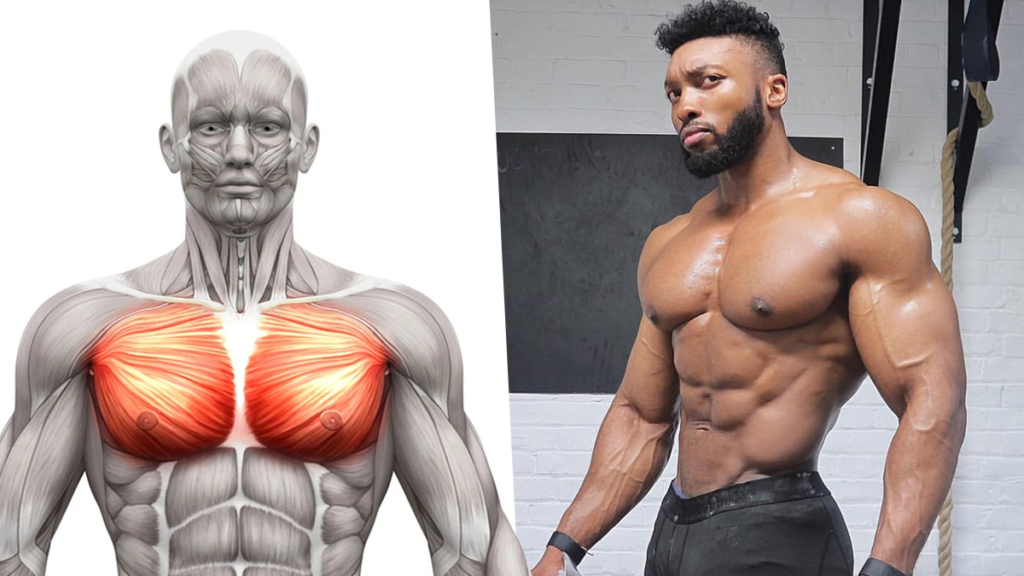
Whether you’re a beginner or an experienced lifter, these exercises are adaptable and effective for achieving your desired chest physique. With consistent practice and dedication, you can make significant strides towards a better-looking chest and improved overall fitness.
As you embark on your journey to improve your chest aesthetics and strength, remember that consistency and patience are key. In addition to incorporating dumbbell pec exercises into your routine, consider exploring other aspects of fitness and health to optimize your results.
Whether it’s nutrition, supplementation, or recovery strategies, there are numerous resources available to support your fitness journey.
Don’t hesitate to seek guidance from fitness professionals, explore online communities, or consult reputable sources for additional information and support.
With dedication, perseverance, and the right tools, you can achieve your fitness goals and unlock your full potential. Start today and embrace the journey towards a stronger, healthier, and more confident you.
Learn More
Unbelievably Effective Science-Backed Arm Exercises You’ve Never Seen Before
The Diet that Will Transform Your Body in 100 Days
What Happens to Your Body When You Try the Anti-Ageing Diet for 90 Days?