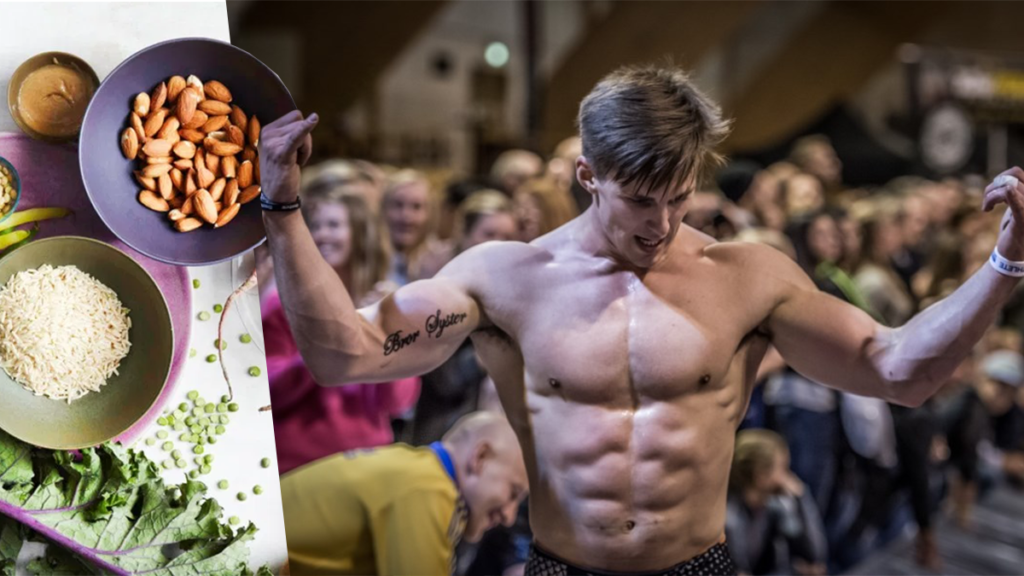
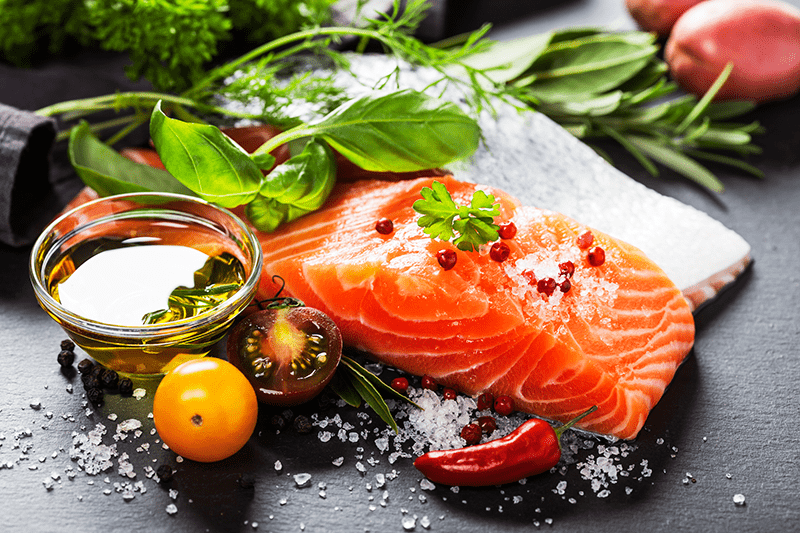
Vegan versus omnivore diet. Which one is best for building muscle if you could pick one? Let’s take a deeper look and analyse the data relevant to the case.
When it comes to building muscle, there are many factors that come into play such as exercise selection, recovery, hormones, hydration, genetics and age, to name a few. But perhaps, one of the most important factors that can contribute or hinder a person’s ability to build muscle is nutrition.


And in the past few years there has been a big surge in moving away from a carnivore diet to a plant-based diet. And protein is the most important macronutrient to building muscle, which you can abundantly find in meat and fish, for example. That would make many assume that the omnivore diet is best for building muscle. But is that right?
The information and answers you are about to see regarding this question presented digested by Dr. Layne Norton and the research in question was is titled Higher Muscle Protein Synthesis Rates Following Ingestion of an Omnivorous Meal Compared with an Isocaloric and Isonitrogenous Vegan Meal in Healthy, Older Adults.
Dr Layne Norton is a scientist, pro natural bodybuilder, raw elite powerlifter, and physique coach, among other things. He received his BS in Biochemistry, and his PhD in Nutritional Sciences. Besides being a coach, he also commands his YouTube channel in which he talks about science and fitness intertwined, sometimes breaking down scientific studies that come out so people can make better informed decisions in their fitness journey.
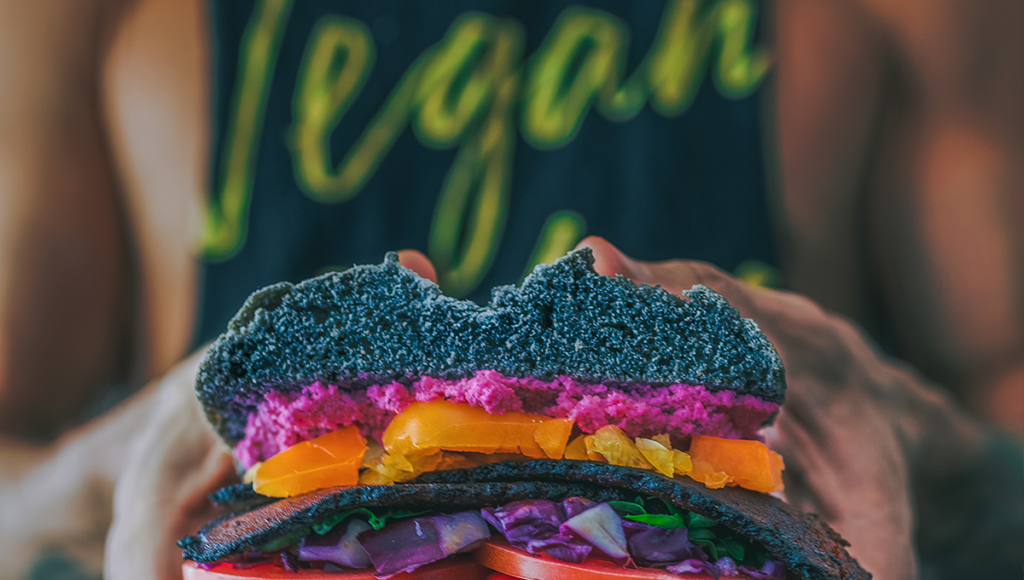
A recent Netflix documentary titled You Are What You Eat – A Twin Experiment did a similar job of comparing omnivore and plant-based diet to see how participants (identical twins) would react to similar muscle stimulation depending on which diet they were consuming.
This pivotal study has injected fresh perspectives into this on-going dialogue. This study scrutinized the nuanced differences in anabolism between vegan protein meals and their omnivore counterparts, with a specific focus on the elderly population—a demographic often overlooked in such nutritional inquiries.
As discussions surrounding dietary choices gain momentum, it’s imperative to dissect the intricacies of protein metabolism, a subject that holds particular significance for those navigating the diverse landscape of nutritional options. This study presents an opportunity to delve into the scientific intricacies of protein synthesis, providing valuable insights into the effects of plant-based and omnivorous meals on muscle anabolism, particularly in an ageing demographic.
How to Eat for Performance Vs Health Vs Looks?
Vegan versus Omnivore Diet: Which is Best for Building Muscle?
The Study Design:
Phillipe JM Pinckaers and others orchestrated a meticulous study featuring eight men and eight women, all above the age of 65. Employing a crossover design, each participant underwent both vegan and omnivorous protein meals, ensuring a comprehensive evaluation of individual responses. The study’s distinctive methodology, coupled with a stringent washout period, underscored its commitment to eliminating confounding variables and establishing robust scientific rigour.
Meal Composition:

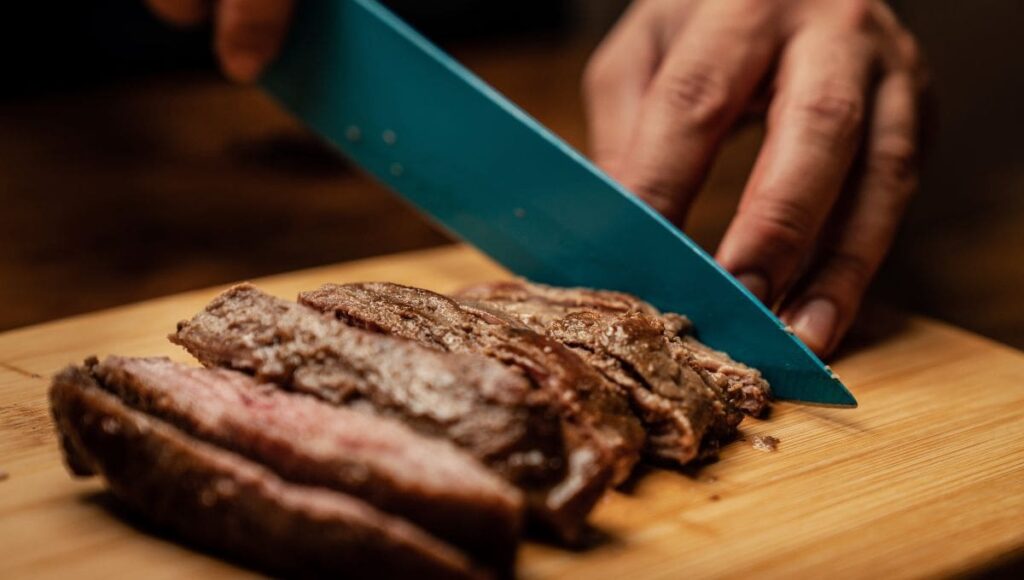
Central to the study’s design was the careful curation of meals, with the omnivorous variant comprising 100g of lean ground beef, 200g of potatoes, 150g of string beans, 200g of applesauce, and 24g of herb butter. In parallel, the plant-based meal featured soybeans, chickpeas, broad beans (each 95g), 200g of quinoa, and 15g of soy sauce. Notably, the emphasis on aligning macronutrient content in both meals aimed to create a nuanced comparison, often overlooked in previous research.
How to Calculate Macros and Calories
Methodological Rigor:
The study’s robustness extended beyond meal composition, incorporating continuous stable isotope infusion over an 11-hour period and multiple muscle biopsies, a process that required considerable commitment from the elderly participants. Addressing concerns surrounding the sample size, the researches elucidated the unique strength of the crossover design, providing a nuanced perspective with 32 data points rather than the conventional 16.
Results:
The scrutiny of muscle protein synthesis revealed a compelling narrative. While no significant differences were observed at baseline, the omnivorous group exhibited a progressively higher rate, culminating in a 47% greater total area under the curve for muscle protein synthesis. Elevated essential amino acids and leucine levels in the omnivorous group provided further context to the differential response observed between the two dietary groups.
Discussion:
The sluggish essential amino acid response observed in the plant-based group raises compelling questions about the role of bioavailability and amino acid content in muscle protein synthesis. Norton underscores the importance of considering the differences between isolated and intact sources of plant protein. The study’s emphasis on intact plant proteins sheds light on a nuanced perspective, suggesting that the bioavailability of amino acids in plant-based meals might be a critical factor influencing muscle protein synthesis in elderly individuals.
9 Things You Should Know About Burning Fat
Reconciling with Existing Literature:
As Norton navigates through the study’s findings, he raises questions about reconciling these results with existing literature, particularly studies that have shown comparable muscle mass gains between plant and animal protein sources over more extended periods. The consideration of isolated plant proteins versus intact sources adds a layer of complexity, hinting that the bioavailability and composition of plant proteins might play a more pivotal role in important muscle protein synthesis responses.
Small Differences in a Complex System:
Crucially, Norton emphasises the challenge of drawing definitive conclusions from studies exploring small differences in muscle protein synthesis rates. The intricate nature of this physiological process, coupled with variations in individual responses, makes it imperative to view these findings within a broader context. Muscle gains, especially over more extended periods, may require more nuanced investigations and considerations.
Practical Implications and Dietary Recommendations:
In the pursuit of muscle building, Norton navigates towards practical implications for individuals, particularly those adhering to a plant-based diet. Recommending isolated sources of plant protein or essential amino acid supplements, he underscores the importance of tailoring dietary choices to achieve optimal muscle protein synthesis, especially for those who may face challenges in meeting their protein needs through whole food sources.
Conclusion:
The study contributes a valuable chapter to the evolving narrative of nutritional science. As the debate between omnivorous and plant-based diets rages on, the researchers’ work emphasises the need for context-specific dietary choices, particularly for those navigating the complexities of ageing. The study invites individuals to approach nutrition with informed decisions, acknowledging the nuanced interplay between diet, age, and muscle protein synthesis.
Do you want a better explanation regarding the vegan versus omnivore diet and which one is better to build muscle? Then simply watch the video below.
In it, Layne Norton dives deeper into the study analysis and also explains in much more detail the findings and implications of one diet over the other and what that means for people trying to build muscle.
9 Foods You Should Never Eat Before a Workout
Building muscle isn’t solely the domain of gym workouts and weightlifting; it’s a holistic journey that places considerable emphasis on dietary choices. A well-crafted diet is a cornerstone for those seeking to maximise muscle growth, offering a symbiotic relationship with exercise. Here are key reasons why diet plays a pivotal role in the pursuit of building muscle:
1. Protein Synthesis and Amino Acids:
- Protein, composed of amino acids, serves as the building blocks of muscle tissue. Consuming an adequate amount of high-quality protein is crucial for initiating protein synthesis, the process responsible for muscle repair and growth.
- Essential amino acids, which the body cannot produce on its own, play a central role. A well-rounded diet ensures the intake of these essential amino acids, fuelling the machinery of muscle protein synthesis.
2. Energy Balance:
- Achieving a positive energy balance, where calorie intake exceeds expenditure, creates an environment conducive to muscle growth. The surplus energy provides the necessary fuel for intense workouts and supports the anabolic processes required for muscle development.
3. Nutrient Timing:
- Strategic nutrient timing revolves around consuming the right nutrients at specific times, particularly before and after workouts. This optimises nutrient availability during periods of heightened metabolic activity, enhancing recovery and muscle adaptation.
4. Carbohydrates as Energy Source:
- Carbohydrates are a primary source of energy, vital for sustaining rigorous training sessions. Adequate carbohydrate intake replenishes glycogen stores, preventing fatigue and enabling optimal performance during workouts.
5. Micronutrients for Overall Health:
- Essential vitamins and minerals play an often-underestimated role in supporting overall health and, consequently, muscle-building efforts. Micronutrients contribute to various physiological processes, including hormone regulation and immune function, both integral to muscle growth.
6. Hydration for Performance:
- Adequate hydration is a fundamental yet sometimes overlooked aspect. Water supports nutrient transport, temperature regulation, and overall performance during workouts. Dehydration can compromise exercise intensity and hinder muscle-building potential.
7. Macronutrient Balance:
- Striking the right balance between macronutrients (proteins, carbohydrates, and fats) is crucial. Each macronutrient contributes distinctively to the muscle-building process. Fats, for instance, play a role in hormone production, including testosterone, a key factor in muscle growth.
8. Individual Variability:
- Recognising the individual variability in dietary needs is essential. Factors such as age, gender, metabolism, and specific fitness goals contribute to a personalised approach. Tailoring dietary choices to individual requirements optimises the effectiveness of muscle-building endeavours.
In conclusion, a thoughtful and well-rounded diet is not just a complement to a muscle-building regimen; it is an indispensable component. By supplying the body with the right nutrients, supporting energy demands, and fostering an optimal environment for protein synthesis, a well-designed diet becomes the bedrock for achieving sustainable and effective muscle growth.
5 “Healthy Foods” Filled with Sugar You Should Avoid